

- Double lemon: use both lemon zest and fresh juice in batter and frosting for the brightest, nonbitter citrus flavor.
- Moisture hack: combine sour cream and oil with butter so cake stays tender and moist for up to five days.
- Baking techniques: bring eggs and dairy to room temperature, avoid overmixing, use the toothpick test, and cool completely before frosting.
- Customize and store: add berries or make gluten free or dairy free; store airtight, refrigerate if warm, freeze unfrosted layers up to three months.
There’s something magical about a perfectly baked lemon cake that brightens any occasion. After testing 12 variations, I discovered that using both lemon zest and lemon juice in the batter and the frosting creates the most vibrant citrus flavor without any bitterness. This cake delivers a tender, moist crumb with a bright, tangy sweetness that tastes like sunshine on a plate.
I developed this recipe to solve the most common lemon cake problem: dry texture with weak lemon flavor. By incorporating sour cream and oil alongside butter, the cake stays incredibly moist for days. The result is a bakery-quality dessert that’s surprisingly simple to make at home, perfect for birthdays, spring gatherings, or any time you crave something cheerful and delicious.

Table of contents
- Why You Will Love This lemon cake
- How to Make the Best Lemon Cake from Scratch
- The Techniques That Make This Lemon Cake Restaurant-Quality
- Creative Ways to Customize Your Lemon Cake
- Understanding the Nutrition in Lemon Cake
- Delicious Ways to Serve Your Lemon Cake
- The Best Way to Store Lemon Cake for Maximum Freshness
- Frequently Asked Questions
Why You Will Love This lemon cake
- This cake stays incredibly moist for up to five days thanks to the sour cream and oil combination in the batter.
- The double lemon technique infuses both the cake and frosting with bright, natural citrus flavor that tastes fresh and vibrant.
- The tender crumb has a perfect balance of sweetness and tang that appeals to both kids and adults.
- You can easily customize this recipe with blueberries, raspberries, or a simple glaze instead of frosting.
How to Make the Best Lemon Cake from Scratch
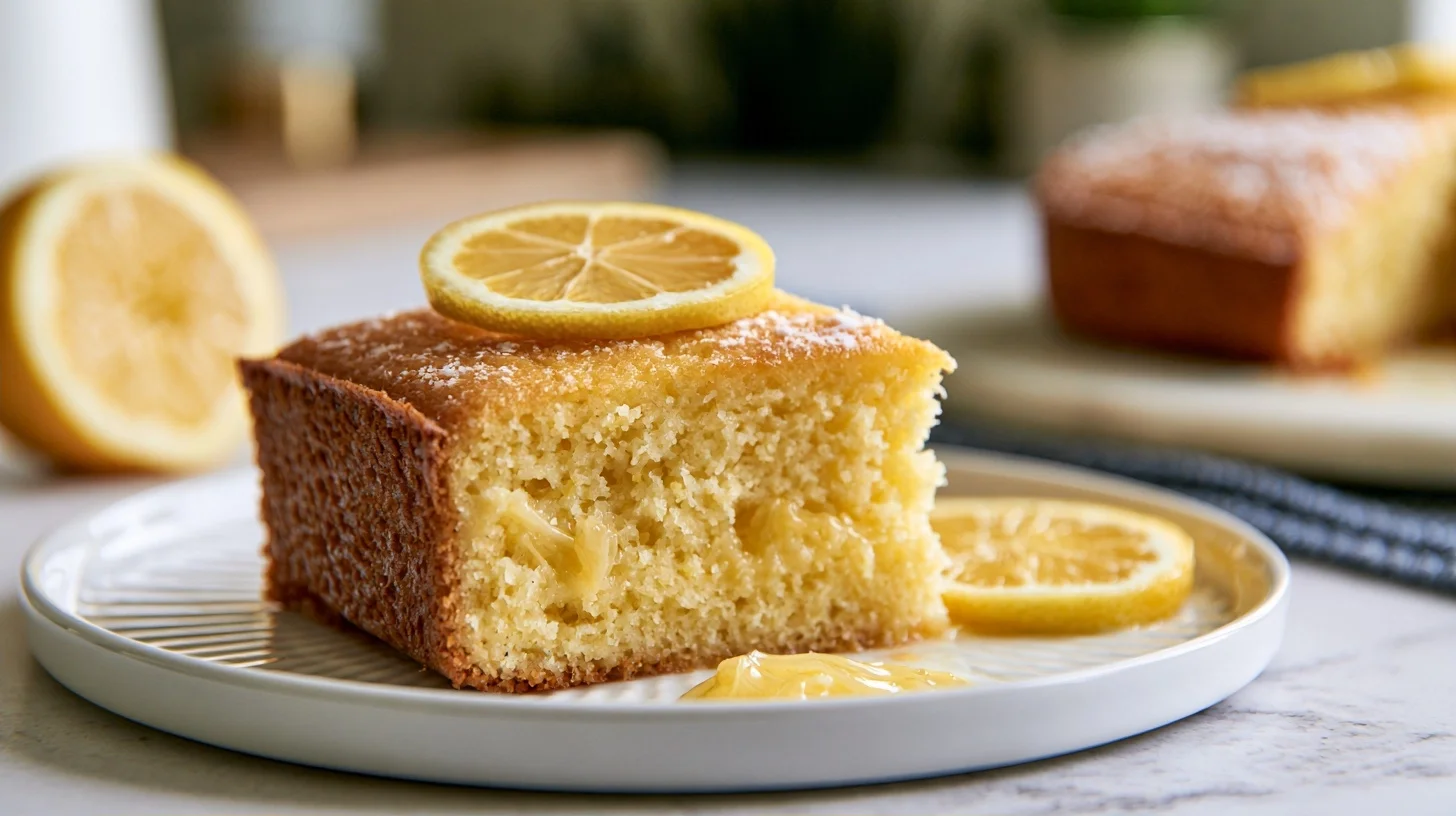
Lemon Cake with Cream Cheese Frosting
12
servings20
minutes35
minutes380
kcalThis lemon cake features a tender, moist crumb infused with fresh lemon zest and juice. The double lemon technique in both batter and frosting creates vibrant citrus flavor that stays fresh for days. Perfect for celebrations or afternoon tea.
Keep the screen of your device on
Ingredients
2.5 cups all-purpose flour
2 cups granulated sugar
1 tablespoon baking powder
0.5 teaspoon salt
0.5 cup unsalted butter
0.5 cup vegetable oil
4 large eggs
1 cup sour cream
0.25 cup fresh lemon juice
2 tablespoons lemon zest
1 teaspoon vanilla extract
8 ounces cream cheese
Directions
- Preheat your oven to 350°F and grease two 9-inch round cake pans with butter, then dust with flour. This prevents sticking and ensures clean release after baking.
- Whisk together the flour, baking powder, and salt in a medium bowl and set aside. This distributes the leavening evenly throughout the dry ingredients.
- Beat the butter and sugar together in a large bowl with an electric mixer on medium-high speed for 3 to 4 minutes until light and fluffy. This incorporates air for a tender crumb.
- Add the oil and mix for another minute until fully combined. The combination of butter and oil creates both flavor and moisture.
- Add the eggs one at a time, beating well after each addition. Then mix in the vanilla extract and lemon zest until evenly distributed.
- Alternate adding the flour mixture and sour cream, beginning and ending with flour. Mix on low speed just until no streaks remain. Overmixing develops gluten and makes the cake tough.
Notes
- The ideal ratio of lemon zest to juice for maximum flavor is 2 tablespoons of zest to 1/4 cup of fresh juice per cake recipe.
- Always bring eggs, butter, and sour cream to room temperature before mixing for the best texture.
- The cake stays moist for up to five days when stored in an airtight container in the refrigerator.
- You can freeze unfrosted cake layers wrapped tightly for up to three months.
Nutrition Facts
- Serving Size: 1 g
- Total number of serves: 12
- Calories: 380kcal
- Fat: 18g
- Carbohydrates: 52g
- Fiber: 1g
- Protein: 5g
Did you make this recipe?
Tag @therecipemasterblog on Instagram and hashtag it with #therecipemaster
Like this recipe?
Follow @therecipemasterblog on Pinterest
Follow us on Facebook!
Follow The Recipe Master on Facebook
The Techniques That Make This Lemon Cake Restaurant-Quality
I’ve tested countless lemon cake recipes, and these techniques consistently deliver the best results. First, always bring your eggs and dairy to room temperature before mixing. Cold ingredients don’t emulsify properly, which creates a dense, uneven crumb instead of that light, tender texture we’re after.
Zest Before You Juice
Always zest your lemons before juicing them. It’s nearly impossible to zest a juiced lemon half. I recommend using a microplane grater for the finest zest, which distributes lemon flavor more evenly throughout the batter. The ideal ratio of lemon zest to juice for maximum flavor is 2 tablespoons of zest to 1/4 cup of fresh juice per standard cake recipe.
Don’t Overmix the Batter
Once you add the flour, mix just until the streaks disappear. Overmixing develops gluten, which makes the cake tough and chewy instead of tender. I stop mixing the moment I can’t see any more dry flour, even if the batter looks slightly lumpy. Those small lumps will disappear during baking.
Use the Toothpick Test Correctly
Insert a toothpick into the center of the cake about two inches from the edge. It should come out with just a few moist crumbs, not wet batter. If you wait until the toothpick is completely clean, you’ve overbaked the cake. Remember that the cake continues cooking from residual heat even after you remove it from the oven.
Let It Cool Completely
This is the hardest part, but it’s essential. Frosting a warm cake causes the frosting to melt and slide off. I let my cakes cool in the pan for 15 minutes, then turn them out onto a wire rack and wait at least two hours before frosting. For more information on citrus benefits, check out this guide on lemon health benefits.
Creative Ways to Customize Your Lemon Cake
One of the best things about this lemon cake recipe is how versatile it is. In my testing, I found that the base recipe handles additions and substitutions beautifully without compromising texture. Here are my favorite variations that I make regularly for different occasions.
Blueberry Lemon Variation
Fold one cup of fresh or frozen blueberries into the batter just before pouring it into the pan. If using frozen berries, don’t thaw them first, as this prevents them from bleeding too much color into the batter. This combination tastes amazing and adds beautiful purple streaks throughout the cake. If you enjoy fruit-forward desserts, try this blueberry lemon drizzle teacake for a similar flavor profile.
Gluten-Free Option
Replace the all-purpose flour with a 1:1 gluten-free baking flour blend that contains xanthan gum. I’ve had excellent results with this substitution, and most people can’t tell the difference. The texture stays tender and moist, though the cake may take an extra three to five minutes to bake through.
Dairy-Free Alternative
Substitute the sour cream with full-fat coconut cream and use dairy-free butter in both the cake and frosting. The coconut flavor is very subtle and actually complements the lemon beautifully. Make sure to use full-fat coconut cream, not light, as the fat content is essential for moisture.
Simple Glaze Instead of Frosting
If you prefer something lighter, skip the frosting and make a simple lemon glaze. Mix two cups of powdered sugar with three tablespoons of fresh lemon juice and one tablespoon of melted butter. Drizzle it over the cooled cake and let it set for 20 minutes before serving.
Understanding the Nutrition in Lemon Cake
Each slice of this lemon cake contains approximately 380 calories, making it a reasonable dessert option when enjoyed in moderation. The cake provides about 5 grams of protein and 18 grams of fat per serving, with most of the fat coming from butter and oil that contribute to the moist texture.
The carbohydrate content sits at around 52 grams per slice, with 35 grams coming from sugar. While this is a dessert and not a health food, the fresh lemon juice does provide a small amount of vitamin C. If you’re watching your sugar intake, you can reduce the sugar in the cake by up to one-quarter cup without significantly affecting texture, though the flavor will be more tart.
Delicious Ways to Serve Your Lemon Cake
This lemon cake shines as a standalone dessert, but I love pairing it with fresh whipped cream and a handful of mixed berries. The cream adds richness that balances the bright citrus, while berries contribute a pop of color and complementary tartness. For an elegant presentation, dust the top with powdered sugar just before serving.
I also serve this cake with afternoon tea or coffee, as the lemon flavor pairs beautifully with both. For summer gatherings, try serving it slightly chilled with a scoop of vanilla ice cream or lemon sorbet on the side. The contrast between the cool ice cream and the tender cake creates an irresistible texture combination that guests always love.
The Best Way to Store Lemon Cake for Maximum Freshness
Store your lemon cake in an airtight container at room temperature for up to two days. If your kitchen is warm or humid, I recommend refrigerating it instead to prevent the frosting from becoming too soft. The cake actually tastes even better on day two, as the flavors have time to meld together.
For longer storage, refrigerate the cake in an airtight container for up to five days. Bring it to room temperature for 30 minutes before serving for the best flavor and texture. You can also freeze unfrosted cake layers wrapped tightly in plastic wrap and aluminum foil for up to three months. Thaw overnight in the refrigerator, then bring to room temperature and frost before serving.
Frequently Asked Questions
No, fresh lemon juice is essential for the best flavor. Bottled lemon juice has a flat, artificial taste that won’t give you the bright, vibrant citrus flavor this cake needs. Fresh lemons also provide the zest, which contains the most aromatic oils.
Your cake is likely dry because it was overbaked or overmixed. Check the cake five minutes before the recommended baking time ends, and remove it when a toothpick comes out with moist crumbs, not completely clean. Also, mix the batter just until the flour disappears to avoid developing too much gluten.
Yes, you can bake the cake layers up to two days ahead. Wrap them tightly in plastic wrap and store at room temperature, then frost the day you plan to serve. You can also freeze unfrosted layers for up to three months and frost after thawing.
Grease the pan thoroughly with butter or cooking spray, then dust it with flour, tapping out the excess. You can also line the bottom with parchment paper for extra insurance. Let the cake cool in the pan for 15 minutes before turning it out onto a wire rack.










Leave a Reply