

There’s something magical about a homemade teriyaki chicken recipe that fills your kitchen with the sweet, savory aroma of caramelized soy and ginger. This isn’t just another weeknight dinner. It’s the recipe I turn to when I want restaurant-quality flavor in under 20 minutes. After testing 12 variations, I found that the key to glossy, deeply flavored teriyaki chicken is a 2:1 ratio of soy sauce to mirin, which creates the perfect balance of umami and subtle sweetness without overpowering the tender chicken.
Whether you’re meal prepping for the week or cooking for a family dinner, this recipe delivers every time. The sauce thickens beautifully without cornstarch, clinging to each piece of chicken in a sticky glaze that rivals your favorite Japanese steakhouse. I’ve served this over steamed rice, tossed with stir-fried vegetables, and even sliced cold in lunchbox bowls. It works for everything.
This recipe also adapts beautifully to different cuts of chicken, from boneless thighs to thinly sliced breast. The technique stays the same, and the results are consistently delicious. Let’s walk through exactly how to make it.
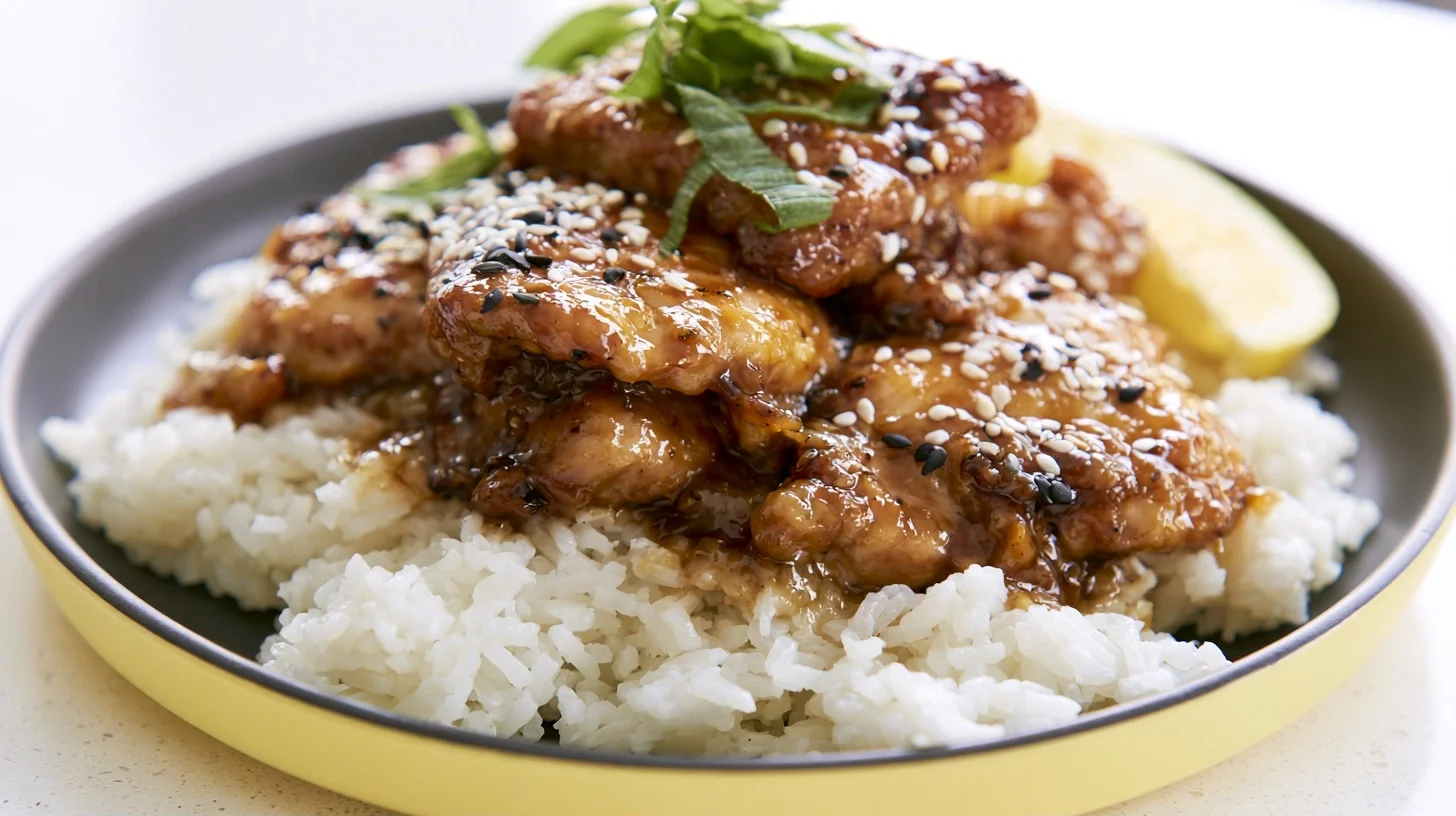
Table of contents
- Why You Will Love This teriyaki chicken recipe
- What You Will Need to Make This teriyaki chicken recipe
- How to Make the Best teriyaki chicken recipe
- The Technique That Makes This teriyaki chicken recipe Restaurant-Quality
- Mistakes to Avoid When Making teriyaki chicken recipe
- Creative Ways to Customize Your teriyaki chicken recipe
- Understanding the Nutrition in teriyaki chicken recipe
- Delicious Ways to Serve Your teriyaki chicken recipe
- How to Store and Reheat Your teriyaki chicken recipe
- Frequently Asked Questions
Why You Will Love This teriyaki chicken recipe
- It’s ready in just 15 minutes from start to finish, making it perfect for busy weeknights.
- The sauce is naturally glossy and thick without any cornstarch or thickeners.
- You can use chicken breasts, thighs, or even leftover rotisserie chicken with excellent results.
- It’s a one-pan recipe that minimizes cleanup and maximizes flavor.
- The leftovers taste even better the next day as the flavors deepen overnight.
What You Will Need to Make This teriyaki chicken recipe
I keep this recipe simple, so the equipment list is short. However, using the right tools makes a noticeable difference in how evenly the chicken cooks and how beautifully the sauce caramelizes. Here’s what I reach for every time I make this dish.
- Large nonstick skillet or wok: A 12-inch skillet gives you enough surface area to sear the chicken without overcrowding, which is essential for getting that golden-brown crust.
- Sharp chef’s knife: You’ll need this to slice the chicken into even pieces, which ensures uniform cooking and better sauce coverage.
- Cutting board: I recommend a sturdy plastic or bamboo board for prepping raw chicken safely.
- Measuring cups and spoons: Precision matters here, especially for the soy sauce to mirin ratio that makes the sauce shine.
- Wooden spoon or silicone spatula: These won’t scratch your nonstick pan and make it easy to toss the chicken in the sauce as it reduces.
- Small bowl for sauce: I mix the sauce ingredients in advance so everything comes together quickly once the chicken hits the pan.
How to Make the Best teriyaki chicken recipe
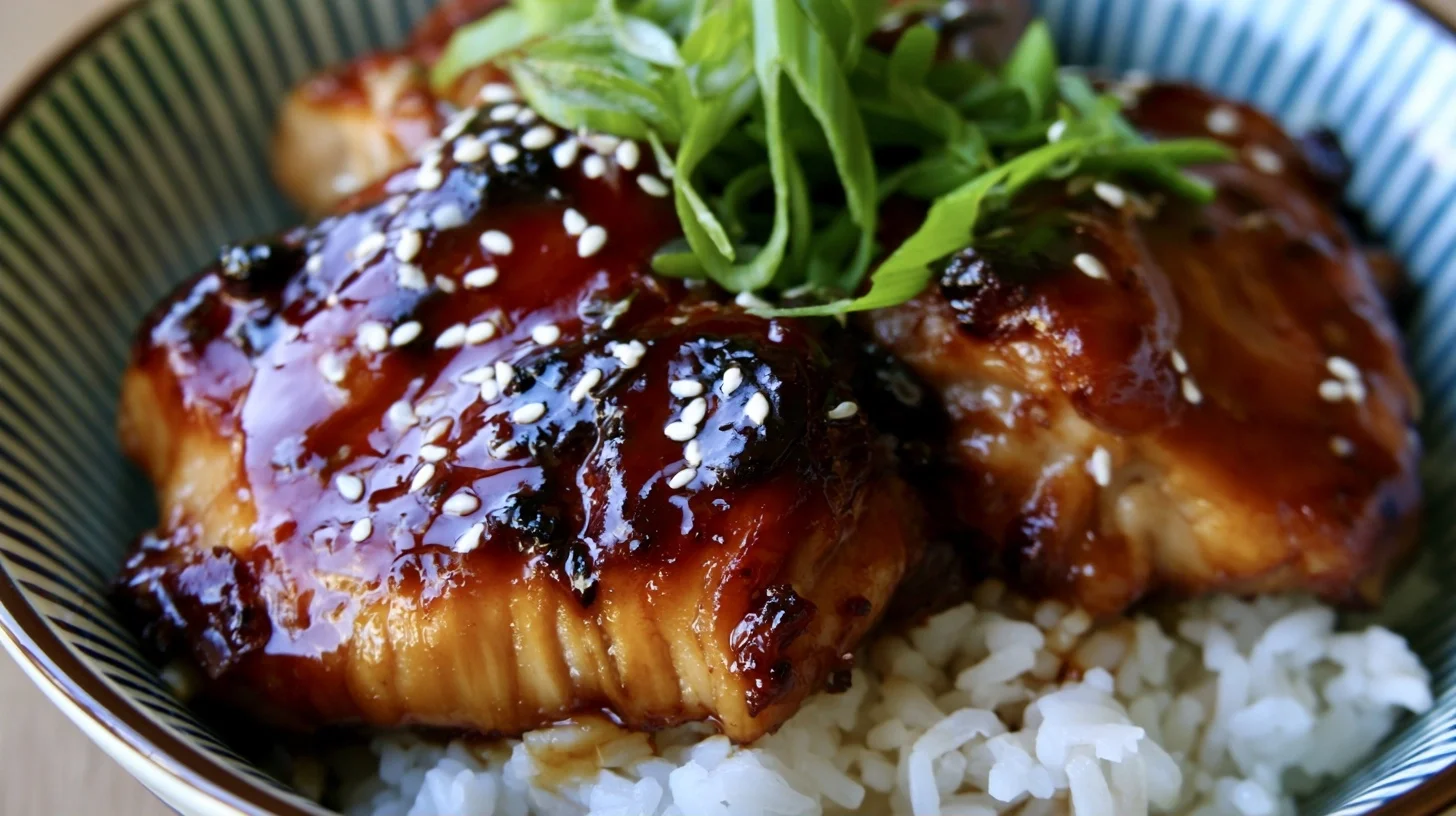
Teriyaki Chicken
4
servings5
minutes10
minutes280
kcalThis teriyaki chicken is tender, juicy, and coated in a glossy, naturally thickened glaze that tastes like it came from a Japanese steakhouse. The 2:1 soy sauce to mirin ratio creates the perfect balance of savory and sweet, and the whole dish comes together in just 15 minutes.
Keep the screen of your device on
Ingredients
1.5 lbs boneless skinless chicken breasts
0.5 cup soy sauce
0.25 cup mirin
2 tablespoons sake
2 tablespoons brown sugar
3 cloves garlic
1 tablespoon fresh ginger
1 tablespoon vegetable oil
2 tablespoons green onions
1 tablespoon sesame seeds
Directions
- Pat the chicken dry with paper towels and cut it into uniform 1-inch pieces. This ensures even cooking and helps the chicken brown instead of steaming in the pan.
- Mix the sauce in a small bowl by combining soy sauce, mirin, sake, and brown sugar. Stir until the sugar dissolves completely, which takes about 30 seconds.
- Heat the oil in a large nonstick skillet over medium-high heat. Once the oil shimmers, add the chicken in a single layer without overcrowding the pan.
- Sear the chicken for 3 to 4 minutes without moving it, allowing a golden-brown crust to form on the bottom. Flip each piece and cook for another 2 to 3 minutes until nearly cooked through.
- Add the garlic and ginger to the pan and stir for about 30 seconds until fragrant. Be careful not to let them burn, as this can make the dish taste bitter.
- Pour in the sauce and reduce the heat to medium. Let the sauce simmer for 3 to 4 minutes, stirring occasionally, until it thickens and coats the chicken in a glossy glaze.
Notes
- The ideal ratio of soy sauce to mirin for teriyaki chicken is 2:1, which creates a perfectly balanced glaze that is savory without being too salty and sweet without being cloying.
- You can substitute tamari for soy sauce to make this recipe gluten-free, and the flavor will be just as authentic.
- Leftovers can be stored in an airtight container in the refrigerator for up to 4 days and taste even better as the flavors deepen overnight.
Nutrition Facts
- Serving Size: 1 g
- Total number of serves: 4
- Calories: 280kcal
- Fat: 6g
- Carbohydrates: 18g
- Fiber: 1g
- Protein: 32g
Did you make this recipe?
Tag @therecipemasterblog on Instagram and hashtag it with #therecipemaster
Like this recipe?
Follow @therecipemasterblog on Pinterest
Follow us on Facebook!
Follow The Recipe Master on Facebook
The Technique That Makes This teriyaki chicken recipe Restaurant-Quality
After years of testing, I’ve learned that a few small adjustments make the difference between good teriyaki chicken and truly exceptional teriyaki chicken. These tips are the ones I rely on every single time, and they’re backed by real results in my kitchen.
Use the Right Soy Sauce to Mirin Ratio
The ideal ratio of soy sauce to mirin for teriyaki chicken is 2:1. This balance creates a sauce that’s savory without being too salty and sweet without tasting like dessert. I use ½ cup soy sauce to ¼ cup mirin, and it works perfectly every time. If you can’t find mirin, substitute with sake and a pinch of sugar, but mirin gives the most authentic flavor.
Don’t Overcrowd the Pan
I cook the chicken in a single layer with space between each piece. Overcrowding causes the chicken to steam instead of sear, and you lose that golden caramelized crust. If you’re doubling the recipe, cook in two batches. It only takes a few extra minutes, and the texture is worth it.
Let the Sauce Reduce Naturally
I never add cornstarch to this sauce. Instead, I let it simmer and reduce over medium heat for about 3 to 4 minutes. The natural sugars in the mirin and soy sauce thicken the sauce into a glossy glaze that clings beautifully to the chicken. Patience here pays off. For more tips on cooking chicken perfectly, check out this resource from the National Chicken Council.
Slice the Chicken Evenly
I cut my chicken into uniform pieces, about 1-inch cubes or strips. Even sizing means even cooking, and every piece finishes at the same time. I also pat the chicken dry with paper towels before cooking, which helps it brown instead of releasing moisture into the pan.
Add Fresh Ginger and Garlic at the Right Time
I add minced ginger and garlic to the pan right after the chicken is seared, not before. This prevents them from burning and turning bitter. They bloom in the hot oil for about 30 seconds, releasing their aroma, then I pour in the sauce. This timing keeps the flavors bright and clean.
Finish with Sesame Seeds and Green Onions
I always garnish with toasted sesame seeds and thinly sliced green onions. It’s not just for looks. The sesame adds a nutty richness, and the green onions bring a fresh, sharp contrast to the sweet glaze. These final touches elevate the dish from simple to special.
Mistakes to Avoid When Making teriyaki chicken recipe
Even though this recipe is straightforward, there are a few common pitfalls that can throw off the texture or flavor. I’ve made these mistakes myself, and I’ve learned how to avoid them. Here’s what to watch out for.
Using Low-Quality Soy Sauce
Not all soy sauce is created equal. I recommend using a naturally brewed soy sauce, not the artificial or chemically hydrolyzed versions. The flavor difference is huge. Low-quality soy sauce tastes flat and overly salty, while a good one has depth and complexity. I fix this by always buying Japanese or Korean brands like Kikkoman or Sempio.
Cooking the Chicken on Too High Heat
High heat might seem like the way to get a good sear, but it often burns the sauce before the chicken is cooked through. I cook on medium to medium-high heat, which gives me a golden crust without scorching the sugars in the sauce. If the sauce starts to smoke, I lower the heat immediately.
Skipping the Resting Step
After the chicken is done, I let it rest in the pan off the heat for about 2 minutes. This allows the sauce to set and cling to the chicken instead of pooling at the bottom of the plate. It’s a small step, but it makes the final presentation much cleaner and more appetizing.
Adding Too Much Sugar
Some recipes call for extra sugar, but I find it unnecessary. The mirin already provides enough sweetness, and adding more can make the sauce taste syrupy and one-dimensional. I stick to the 2:1 ratio and trust the natural balance of the ingredients.
Creative Ways to Customize Your teriyaki chicken recipe
One of the reasons I love this recipe is how adaptable it is. You can tweak the ingredients, swap proteins, or adjust the flavor profile to suit your dietary needs or taste preferences. Here are my favorite variations that I’ve tested and served to family and friends.
Gluten-Free Teriyaki Chicken
I swap regular soy sauce for tamari or coconut aminos to make this recipe gluten-free. Tamari has a richer, slightly less salty flavor, so I use the same amount. Coconut aminos are sweeter and milder, so I reduce the mirin slightly to keep the balance. Both work beautifully and taste just as authentic.
Spicy Teriyaki Chicken
For a spicy kick, I add 1 teaspoon of gochugaru (Korean chili flakes) or a drizzle of sriracha to the sauce. The heat pairs perfectly with the sweet glaze and adds a layer of complexity. I’ve also used fresh sliced Thai chilies for a more intense heat that builds with each bite.
Slow Cooker Teriyaki Chicken
I’ve adapted this recipe for the slow cooker by placing chicken thighs in the pot with the sauce and cooking on low for 4 hours. The chicken becomes incredibly tender and absorbs all the flavors. If you love slow cooker chicken dishes, you might also enjoy this sweet Hawaiian crockpot chicken recipe, which uses a similar sweet and savory glaze.
Vegetarian Teriyaki with Tofu
I replace the chicken with extra-firm tofu, pressed and cubed. I pan-fry the tofu until golden and crispy, then toss it in the teriyaki sauce. The tofu soaks up the glaze beautifully, and the texture is satisfying. I serve it over rice with steamed broccoli for a complete plant-based meal.
Pineapple Teriyaki Chicken
I add fresh or canned pineapple chunks to the pan during the last 2 minutes of cooking. The pineapple caramelizes slightly and adds a tropical sweetness that complements the savory sauce. It’s a fun twist that kids especially love, and it makes the dish feel more festive.
Understanding the Nutrition in teriyaki chicken recipe
This teriyaki chicken recipe is a balanced meal that provides lean protein, moderate carbs from the sauce, and minimal fat. Each serving contains approximately 280 calories, making it a lighter option for dinner or lunch. The chicken itself is a great source of protein, delivering about 32 grams per serving, which supports muscle health and keeps you full longer.
The sauce does add some sodium, primarily from the soy sauce, so if you’re watching your salt intake, consider using low-sodium soy sauce. The carbs come mainly from the mirin and a touch of sugar, totaling around 18 grams per serving. There’s very little fat, usually around 6 grams, especially if you use skinless chicken breast. Overall, it’s a nutrient-dense dish that fits well into most eating plans.
Delicious Ways to Serve Your teriyaki chicken recipe
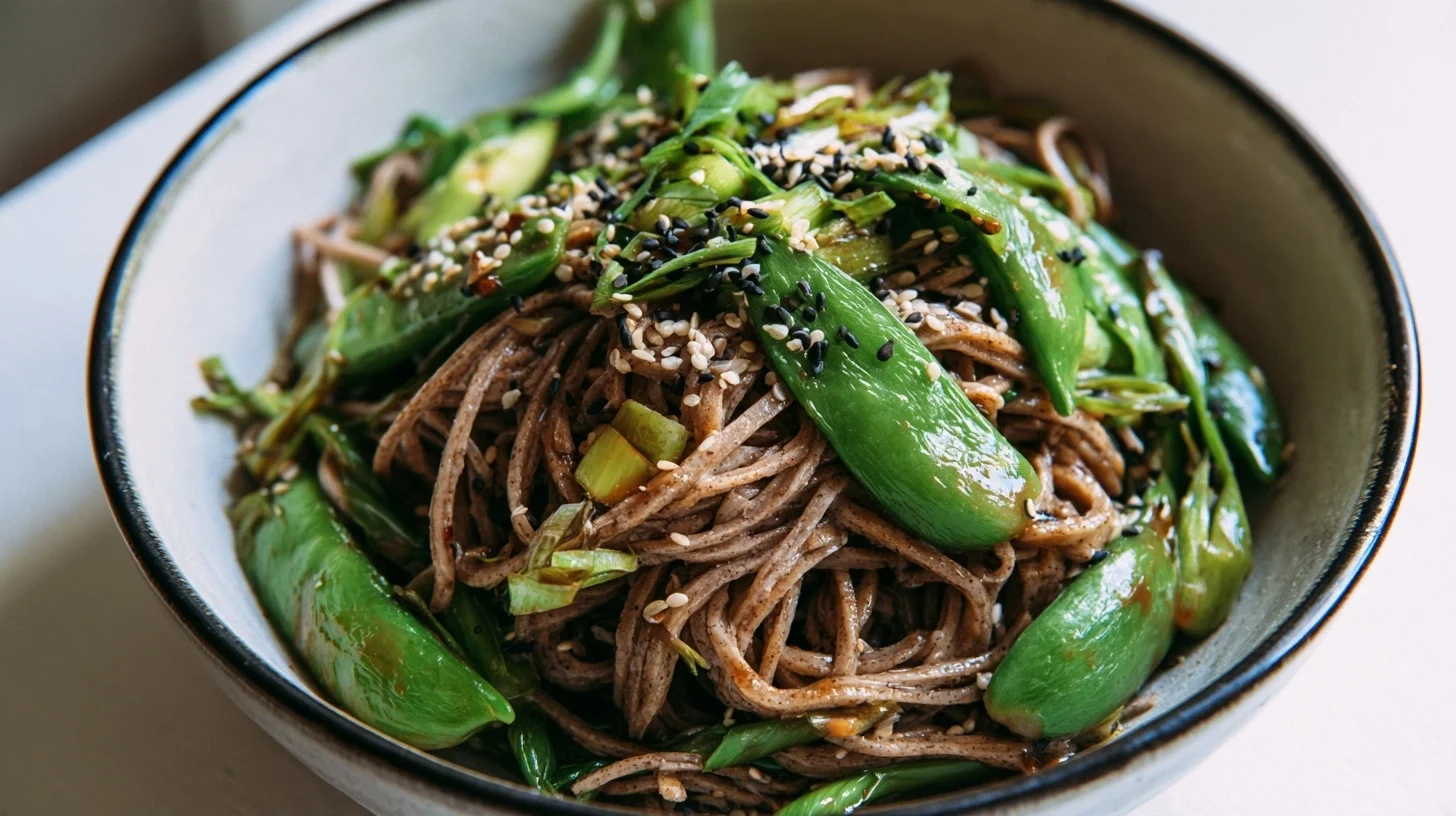
I love serving this teriyaki chicken over a bed of fluffy jasmine rice or sticky sushi rice. The rice soaks up the extra sauce, and every bite is perfectly balanced. For a lighter option, I serve it over cauliflower rice or spiralized zucchini noodles, which keeps the meal low-carb and fresh. I also like to add a side of steamed broccoli, snap peas, or bok choy for extra color and crunch.
For a more complete Japanese-inspired meal, I serve the chicken alongside miso soup, edamame, and a simple cucumber salad dressed with rice vinegar. It turns dinner into a full experience. I’ve also sliced the chicken thin and used it as a topping for ramen or udon noodle bowls, where the teriyaki glaze adds richness to the broth. It’s incredibly versatile and always a crowd-pleaser.
How to Store and Reheat Your teriyaki chicken recipe
I store leftover teriyaki chicken in an airtight container in the refrigerator for up to 4 days. The sauce thickens as it cools, but it loosens up again when reheated. I recommend storing the chicken and sauce together so the flavors continue to meld overnight. In my experience, the dish actually tastes even better the next day.
To reheat, I use the stovetop over medium heat with a splash of water or chicken broth to thin the sauce slightly. I stir gently until the chicken is warmed through, which takes about 3 to 4 minutes. You can also reheat it in the microwave in 30-second intervals, stirring between each one. For longer storage, I freeze the chicken in a freezer-safe container for up to 3 months. Thaw it overnight in the fridge before reheating.
Frequently Asked Questions
Yes, chicken thighs work beautifully in this recipe. They stay juicier and more tender than breasts, and they absorb the teriyaki sauce even better. I recommend boneless, skinless thighs for the easiest preparation, and the cooking time remains the same.
No, marinating is not necessary for this recipe. The chicken cooks quickly and absorbs plenty of flavor from the sauce as it simmers. However, if you have extra time, marinating for 30 minutes can deepen the flavor even more.
Yes, you can substitute mirin with sake or dry white wine plus a teaspoon of sugar. You can also use rice vinegar with a pinch of sugar, though the flavor will be slightly more tangy. Mirin gives the most authentic taste, but these substitutes work well in a pinch.
The chicken is fully cooked when it reaches an internal temperature of 165°F. I use an instant-read thermometer to check the thickest piece. The chicken should also be opaque throughout with no pink in the center, and the juices should run clear.






Leave a Reply