

- Transforms sweet onions into a rich, cheesy, buttery side using real butter and freshly shredded cheese for a golden, caramelized topping.
- Cover with foil for the first 30 minutes to steam onions, then uncover to brown cheese; slice evenly and avoid overcrowding the pan.
- Ready in under an hour; serves with grilled meats or salads and accepts variations like bacon, herbs, spice, or lighter cheese options.
If you’re searching for a side dish that’s both ridiculously simple and packed with flavor, Tennessee onions recipe is exactly what you need. This dish transforms humble sweet onions into a rich, cheesy, buttery masterpiece that pairs beautifully with grilled meats, roasted chicken, or even a casual weeknight dinner. The secret lies in the combination of melted butter, savory seasonings, and a generous layer of melted cheese that creates an irresistible caramelized topping.
What makes this recipe stand out is how the onions soften and sweeten as they bake, soaking up the butter and seasonings while the cheese forms a golden, bubbly crust. The result is tender, flavorful onions with a satisfying texture that’s neither mushy nor raw. It’s the kind of dish that looks impressive but requires minimal effort, making it perfect for holiday gatherings or busy weeknights when you want something special without spending hours in the kitchen.
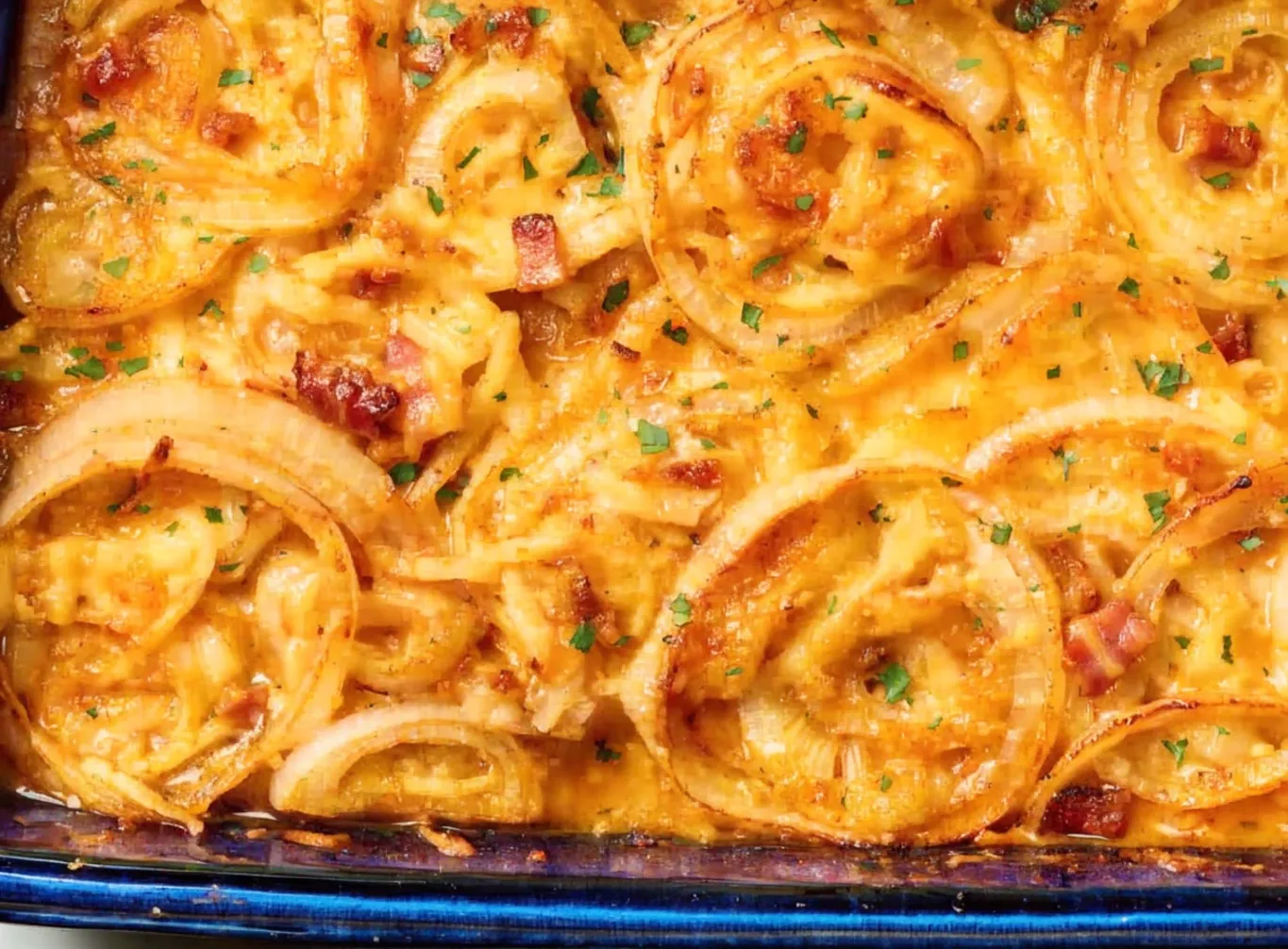
Table of contents
- Why You Will Love This Tennessee Onions Recipe
- Essential Equipment for Perfect Tennessee Onions
- How to Make Tennessee Onions That Turn Out Perfectly
- Pro Tips for the Best Tennessee Onions Recipe Every Time
- Common Mistakes That Ruin Tennessee Onions Recipe
- Simple Variations to Customize Your Tennessee Onions
- What You Need to Know About Tennessee Onions Recipe Nutrition
- Best Ways to Serve Tennessee Onions
- How to Store and Reheat Tennessee Onions
- Frequently Asked Questions about Tennessee Onions Recipe
Why You Will Love This Tennessee Onions Recipe
- Ready in under an hour with just a handful of ingredients you probably already have.
- The butter and cheese mixture creates a rich, caramelized topping that enhances the natural sweetness of the onions.
- Works beautifully as a side dish for steak, pork chops, grilled chicken, or even as a topping for burgers.
- The onions become tender and sweet without turning mushy, maintaining just enough structure to hold their shape.
Essential Equipment for Perfect Tennessee Onions
You don’t need specialized tools to make this recipe, but using the right equipment ensures even cooking and easier cleanup.
- 9×13-inch baking dish: Provides enough space for the onion slices to cook evenly without overcrowding, which helps them soften uniformly.
- Sharp chef’s knife: Makes slicing the onions into clean, even rounds much easier and safer.
- Aluminum foil: Covering the dish during the first part of baking traps steam, which helps the onions soften before the cheese browns.
- Small mixing bowl: Useful for combining the butter, seasonings, and cheese before layering over the onions.
How to Make Tennessee Onions That Turn Out Perfectly
Tennessee Onions
4
servings30
minutes40
minutes300
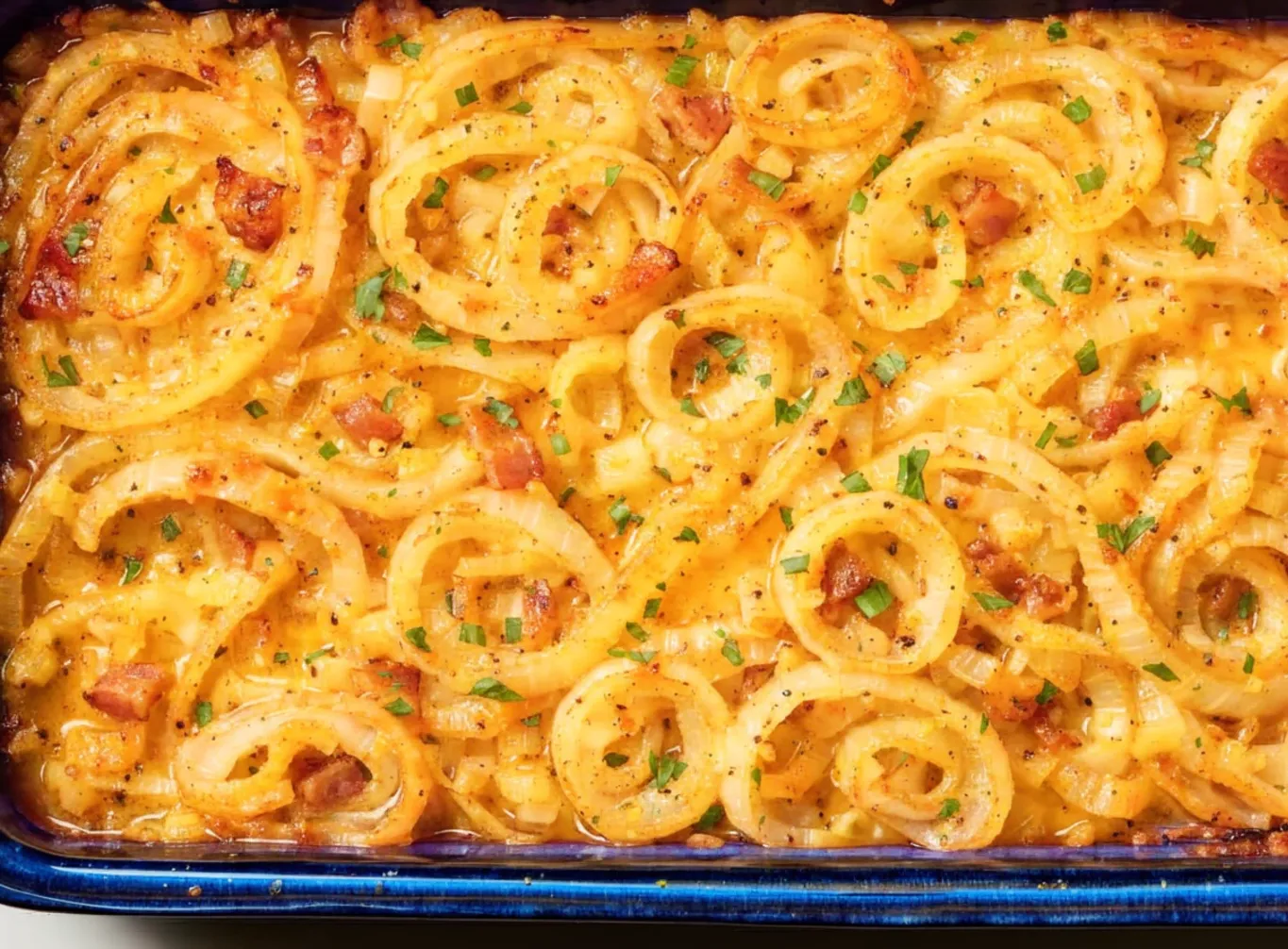
kcalThis Tennessee onions recipe turns sweet onions into a rich, cheesy side dish that’s perfect for pairing with grilled meats or serving at holiday gatherings. The onions bake until tender and sweet, topped with a golden, bubbly layer of melted cheese and butter. It’s a simple recipe that delivers impressive flavor with minimal effort.
Keep the screen of your device on
Ingredients
3 large sweet onions
4 tablespoons unsalted butter
1.5 cups sharp cheddar cheese
0.5 cup Parmesan cheese
1 teaspoon garlic powder
1 teaspoon onion powder
0.5 teaspoon smoked paprika
0.5 teaspoon salt
0.25 teaspoon black pepper
0.25 teaspoon cayenne pepper
2 tablespoons fresh parsley
4 strips bacon
Directions
- Preheat your oven to 375°F and lightly grease a 9×13-inch baking dish with butter or cooking spray. This prevents the onions from sticking and makes cleanup easier.
- Arrange the onion slices in a single layer in the prepared baking dish, keeping the rings intact if possible. Slightly overlapping is fine, but avoid stacking them too high, as this prevents even cooking.
- Drizzle the melted butter evenly over the onions, making sure each slice gets some butter. The butter helps the onions soften and adds richness to the dish.
- Combine the garlic powder, onion powder, smoked paprika, salt, black pepper, and cayenne in a small bowl, then sprinkle the mixture evenly over the onions. This seasoning blend enhances the natural sweetness of the onions without overpowering them.
- Cover the baking dish tightly with aluminum foil and bake for 30 minutes. The foil traps steam, which softens the onions and prevents the cheese from burning before the onions are tender.
- Remove the foil and sprinkle the shredded cheddar and Parmesan cheese evenly over the onions. If using bacon, add it now. Return the dish to the oven, uncovered, and bake for another 10 to 15 minutes, or until the cheese is melted, bubbly, and lightly browned.
Notes
- Covering the dish with foil for the first 30 minutes traps steam, which softens the onions without drying them out or burning the cheese.
- Freshly shredded cheese melts more smoothly than pre-shredded varieties, which contain anti-caking agents that can make the topping grainy.
- Store leftovers in an airtight container in the refrigerator for up to three days. Reheat in a 350°F oven for 15 minutes, uncovered for the last few minutes to re-crisp the cheese.
Nutrition Facts
- Serving Size: 1 g
- Total number of serves: 6
- Calories: 245kcal
- Fat: 17g
- Carbohydrates: 14g
- Fiber: 2g
- Protein: 10g
Did you make this recipe?
Tag @therecipemasterblog on Instagram and hashtag it with #therecipemaster
Like this recipe?
Follow @therecipemasterblog on Pinterest
Follow us on Facebook!
Follow The Recipe Master on Facebook
Pro Tips for the Best Tennessee Onions Recipe Every Time
The key to getting tender, flavorful onions with a beautifully browned cheese topping is controlling moisture and heat throughout the baking process.
Choose the Right Onions
Sweet onions such as Vidalia, Walla Walla, or Maui work best because they soften beautifully and develop a mild, sweet flavor as they bake. Yellow onions are a fine substitute, but they’ll have a sharper bite. Avoid red onions for this recipe, as they don’t soften as well and can taste slightly bitter when baked.
Slice the Onions Evenly
Cutting the onions into rounds about half an inch thick ensures they cook evenly. Thinner slices may turn mushy, while thicker slices won’t soften enough in the allotted time. Keep the rings intact if possible, as this makes them easier to serve and creates a more attractive presentation.
Cover During the First Baking Stage
Covering the baking dish with foil for the first 30 minutes traps steam, which softens the onions without drying them out. Removing the foil for the final 10 to 15 minutes allows the cheese to brown and the edges to caramelize. This two-stage method prevents the cheese from burning before the onions are fully tender.
Use Real Butter and Freshly Shredded Cheese
Melted butter distributes more evenly than oil and adds richness that complements the sweetness of the onions. Freshly shredded cheese melts more smoothly than pre-shredded varieties, which often contain anti-caking agents that can make the topping grainy. For a richer flavor, try mixing sharp cheddar with a small amount of Parmesan or Gruyère. You can also explore different techniques for preparing onions, such as in this caramelized onions guide, which shares how slow cooking brings out natural sugars.
Season Generously
Onions need more seasoning than you might expect because their mild flavor can easily become bland. A combination of garlic powder, onion powder, paprika, salt, and pepper creates a savory base that balances the sweetness. Adding a pinch of cayenne or red pepper flakes gives a subtle kick without overwhelming the dish.
Common Mistakes That Ruin Tennessee Onions Recipe
Skipping the Foil Cover
Baking the onions uncovered from the start causes the cheese to brown too quickly while the onions remain firm and undercooked. The foil traps moisture, which is essential for softening the onions. Always cover the dish for at least the first 30 minutes, then remove the foil to finish browning.
Using Pre-Shredded Cheese
Pre-shredded cheese contains cellulose or potato starch to prevent clumping, which interferes with smooth melting and can leave the topping dry or grainy. Shredding cheese from a block takes only a minute and produces a creamier, more cohesive topping that browns evenly.
Overcrowding the Baking Dish
Piling the onion slices too high prevents even heat distribution, leaving some slices undercooked while others overcook. Arrange the onions in a single layer or slightly overlapping at most. If you’re doubling the recipe, use a larger dish or bake in two separate pans.
Not Adjusting for Oven Variations
Every oven heats slightly differently, so check the onions a few minutes before the timer goes off. If the cheese is browning too quickly but the onions are still firm, lower the oven temperature by 25 degrees and extend the covered baking time. If the onions are tender but the cheese hasn’t browned, switch to the broiler for the last 2 to 3 minutes, watching closely to prevent burning.
Simple Variations to Customize Your Tennessee Onions
Add Bacon for Extra Richness
Crumbled cooked bacon mixed into the butter and cheese topping adds a smoky, savory layer that complements the sweetness of the onions. Use about four strips of bacon, cooked until crispy, then crumbled. Sprinkle it over the onions before adding the cheese.
Make Tennessee Onions Recipe Spicy
If you prefer a little heat, add a teaspoon of hot sauce to the melted butter or sprinkle red pepper flakes over the onions before baking. Diced jalapeños mixed into the cheese layer also work well, though they’ll add moisture, so consider reducing the butter slightly.
Try Different Cheese Combinations
While cheddar is traditional, mixing in mozzarella creates a stretchier, creamier topping. Gruyère adds a nutty depth, and Parmesan contributes a salty, umami-rich finish. A blend of sharp cheddar and smoked gouda brings a subtle smokiness that pairs beautifully with grilled meats.
Use Herbs for Freshness
Fresh thyme or rosemary sprinkled over the onions before baking adds an earthy, aromatic note. Dried Italian seasoning also works well if you don’t have fresh herbs. Add herbs during the last 10 minutes of baking to preserve their flavor.
What You Need to Know About Tennessee Onions Recipe Nutrition
Tennessee onions are rich and indulgent, thanks to the butter and cheese, but they’re also surprisingly nutritious when enjoyed in moderation. Each serving provides a good amount of calcium from the cheese and beneficial compounds from the onions, including quercetin, which has antioxidant properties. Onions are also a source of vitamin C and fiber, though much of the fiber is in the outer layers that are typically removed during peeling.
To lighten the dish, reduce the butter by half and use a lower-fat cheese such as part-skim mozzarella. You can also increase the onion-to-cheese ratio, which keeps the dish flavorful while cutting back on calories and fat. Keep in mind that the sodium content can be high depending on the cheese and seasonings used, so adjust salt levels if you’re watching sodium intake.
Best Ways to Serve Tennessee Onions
Tennessee onions shine as a side dish for hearty proteins. Serve them alongside grilled steak, pork chops, roasted chicken, or baked ham. They’re especially popular at holiday meals, where their rich, cheesy flavor complements traditional mains without requiring much attention during cooking. The dish also works well as a topping for burgers or grilled sausages, adding a sweet and savory element that elevates a simple meal.
For a lighter pairing, serve Tennessee onions with a crisp green salad or roasted vegetables such as Brussels sprouts or asparagus. The contrast between the rich onions and fresh, bright flavors creates a balanced plate. If you’re interested in the cultural roots of Southern onion dishes, this Vidalia onion pie history offers fascinating insight into how sweet onions became a Southern staple.
How to Store and Reheat Tennessee Onions
Store leftover Tennessee onions in an airtight container in the refrigerator for up to three days. The onions will continue to absorb moisture as they sit, so the texture may soften slightly, but the flavor remains delicious. To reheat, place the onions in a baking dish, cover with foil, and warm in a 350°F oven for about 15 minutes, or until heated through. Remove the foil for the last few minutes to re-crisp the cheese topping.
You can also reheat individual portions in the microwave, though the cheese won’t regain its crispy texture. For best results, use the oven or toaster oven. Freezing is not recommended, as the onions release water when thawed, which makes them watery and changes the texture of the cheese.
Frequently Asked Questions about Tennessee Onions Recipe
Yes, yellow onions work well, but they have a sharper flavor than sweet onions. The dish will still be delicious, though the onions may taste slightly more pungent and less sweet. If using yellow onions, consider adding a pinch of sugar to balance the flavor.
Watery onions usually result from skipping the foil cover during baking or using too much butter. The foil traps steam, which softens the onions without making them soggy. If your onions release a lot of liquid, drain some of it before adding the cheese topping.
Yes, you can assemble the dish up to 24 hours in advance. Layer the onions in the baking dish, add the butter and seasonings, cover tightly with foil, and refrigerate. When ready to bake, let the dish sit at room temperature for 15 minutes, then bake as directed, adding a few extra minutes if needed.
Keep the dish covered with foil for the first 30 minutes of baking, which allows the onions to soften before the cheese browns. Remove the foil only for the final 10 to 15 minutes. If the cheese starts to brown too quickly, tent the foil loosely over the top or lower the oven temperature by 25 degrees.






Leave a Reply