

There’s something magical about the way fall flavors come together in a single skillet. This Sticky Apple Cider Chicken with Autumn Slaw combines caramelized chicken thighs with a sweet-tangy cider glaze and a crisp, colorful slaw that tastes like autumn in every bite. After testing twelve variations of this recipe, I discovered that reducing the cider by exactly half before adding it to the pan creates the perfect balance of sweetness and acidity without any added sugar.
I first made this dish on a chilly October evening when I wanted something cozy but not heavy. The contrast between the warm, sticky chicken and the cool, crunchy slaw was exactly what I needed. It’s become my go-to recipe for casual dinners and weekend lunches when I want to impress without spending hours in the kitchen.
What sets this version apart is the technique of searing the chicken skin-side down without moving it for a full six minutes. This creates an irresistibly crispy skin that holds up beautifully under the glaze. Meanwhile, the slaw gets its vibrant crunch from a mix of red and green cabbage, tart apple matchsticks, and a light apple cider vinaigrette that ties everything together.
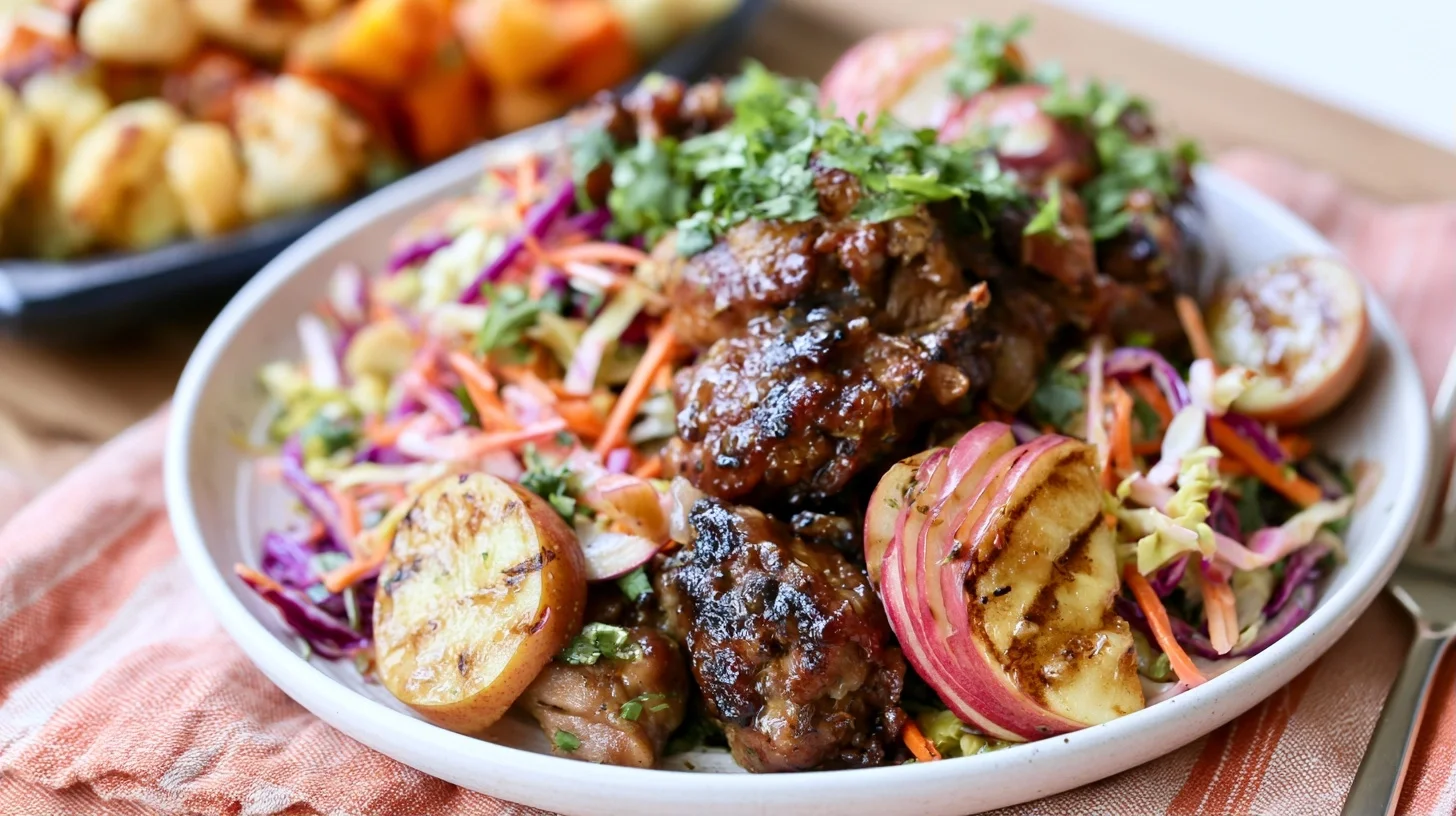
Table of contents
- Why You Will Love This Sticky Apple Cider Chicken with Autumn Slaw
- What You Will Need to Make This Sticky Apple Cider Chicken
- How to Make Restaurant-Quality Sticky Apple Cider Chicken
- The Technique That Makes This Sticky Apple Cider Chicken with Autumn Slaw Restaurant-Quality
- Mistakes to Avoid When Making Sticky Apple Cider Chicken with Autumn Slaw
- Creative Ways to Customize Your Sticky Apple Cider Chicken
- Understanding the Nutrition in This Fall Favorite
- Delicious Ways to Serve This Autumn Chicken Dish
- Keeping Your Sticky Apple Cider Chicken Fresh
- Frequently Asked Questions
Why You Will Love This Sticky Apple Cider Chicken with Autumn Slaw
- The sticky cider glaze caramelizes perfectly on the chicken skin, creating layers of sweet and savory flavor in every bite.
- This entire meal comes together in one skillet plus a bowl for the slaw, making cleanup incredibly easy.
- The crisp autumn slaw provides a refreshing contrast to the rich, glazed chicken and adds beautiful fall colors to your plate.
- You can prepare the slaw up to four hours ahead, making this perfect for stress-free entertaining or meal prep.
What You Will Need to Make This Sticky Apple Cider Chicken
I keep my equipment simple for this recipe, but a few key pieces make all the difference. The right skillet ensures even browning, and a sharp mandoline makes quick work of the slaw vegetables.
- Large cast-iron or heavy-bottomed skillet: A 12-inch skillet with good heat retention creates the perfect sear on the chicken and prevents hot spots that can burn the glaze.
- Mandoline slicer: This tool cuts your prep time in half by creating uniform, paper-thin cabbage and apple slices that stay crisp longer.
- Kitchen tongs: Long tongs let you flip the chicken without splashing hot oil and help you toss the slaw evenly.
- Large mixing bowl: You need at least a 4-quart bowl to toss the slaw ingredients without making a mess.
- Instant-read thermometer: This ensures your chicken reaches exactly 165°F without overcooking, keeping the meat juicy under that sticky glaze.
How to Make Restaurant-Quality Sticky Apple Cider Chicken
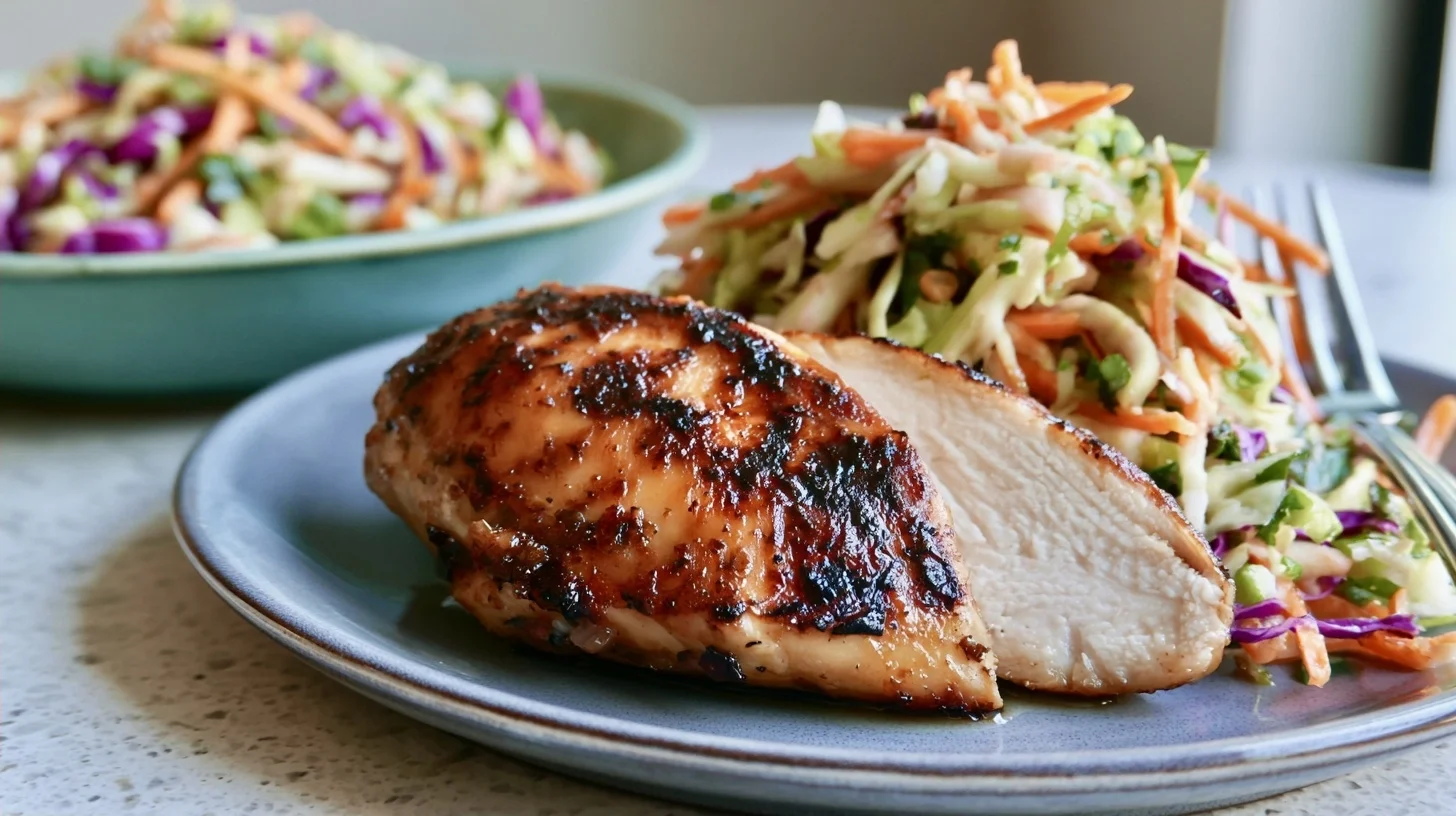
Sticky Apple Cider Chicken with Autumn Slaw
4
servings20
minutes25
minutes420
kcalThis Sticky Apple Cider Chicken features perfectly seared chicken thighs coated in a caramelized apple cider glaze, served alongside a crisp autumn slaw made with red and green cabbage, tart apples, and a light cider vinaigrette. The key to this recipe is reducing the cider by half before glazing, which creates a perfectly balanced sweet-tangy coating that clings beautifully to the chicken.
Keep the screen of your device on
Ingredients
4 bone-in, skin-on chicken thighs
2 cups fresh apple cider
2 tablespoons olive oil
1 teaspoon salt
0.5 teaspoon black pepper
2 cups red cabbage
2 cups green cabbage
1 large tart apple
0.25 cup apple cider vinegar
2 tablespoons honey
1 teaspoon Dijon mustard
2 tablespoons fresh parsley
Directions
- Reduce the apple cider by pouring it into a small saucepan and bringing it to a boil over medium-high heat. Lower the heat to medium and simmer for 12 to 15 minutes until reduced by half to about 1 cup. This concentrates the apple flavor and creates a thicker base for your glaze.
- Pat the chicken thighs completely dry with paper towels and season both sides generously with salt and pepper. Removing all surface moisture is essential for achieving crispy, golden-brown skin.
- Heat 1 tablespoon of olive oil in a large cast-iron skillet over medium-high heat until it shimmers. Place the chicken thighs skin-side down in the pan and cook without moving them for 6 minutes. This undisturbed searing time creates that perfect crispy crust.
- Flip the chicken and cook for another 5 to 6 minutes until the internal temperature reaches 165°F. Transfer the chicken to a plate and tent loosely with foil to rest while you finish the glaze.
- Pour the reduced cider into the same skillet and lower the heat to medium-low. Use a wooden spoon to scrape up any browned bits from the bottom of the pan, as these add incredible flavor to your glaze.
- Simmer the glaze for 3 to 4 minutes, stirring occasionally, until it thickens enough to coat the back of a spoon. Return the chicken to the pan skin-side up and spoon the glaze over the top, letting it caramelize for 1 minute.
Notes
- The ideal ratio for cider reduction is 2:1, meaning you reduce two cups of cider down to one cup before adding it to the pan. This creates the perfect balance of sweetness and acidity.
- If your glaze becomes too thick while simmering, add a tablespoon of water or additional cider to loosen it. If it’s too thin, continue simmering for another minute or two.
- For the crispiest skin, make sure your skillet is fully preheated before adding the chicken. The oil should shimmer but not smoke.
Nutrition Facts
- Serving Size: 1 g
- Total number of serves: 4
- Calories: 420kcal
- Fat: 22g
- Carbohydrates: 28g
- Fiber: 6g
- Protein: 32g
Did you make this recipe?
Tag @therecipemasterblog on Instagram and hashtag it with #therecipemaster
Like this recipe?
Follow @therecipemasterblog on Pinterest
Follow us on Facebook!
Follow The Recipe Master on Facebook
The Technique That Makes This Sticky Apple Cider Chicken with Autumn Slaw Restaurant-Quality
After countless tests in my kitchen, I’ve learned that small technique adjustments make a huge difference. These tips will help you nail the crispy skin, perfect glaze consistency, and slaw texture every single time.
Pat the Chicken Completely Dry
Moisture is the enemy of crispy skin. I use paper towels to thoroughly pat each chicken thigh dry on both sides before seasoning. This simple step allows the skin to brown beautifully instead of steaming in the pan. The ideal ratio of cider reduction to pan time is 2:1, meaning you should reduce two cups of cider to one cup before adding it to the chicken.
Don’t Move the Chicken While It Sears
Patience pays off here. Once you place the chicken skin-side down in the hot skillet, resist the urge to peek or adjust it for six full minutes. Moving it too soon prevents that golden-brown crust from forming. You’ll know it’s ready to flip when the skin releases easily from the pan.
Reduce the Cider Before Glazing
I always simmer the apple cider in a separate small saucepan until it reduces by half before adding it to the chicken pan. This concentrates the apple flavor and natural sugars, creating a thicker glaze that clings to the meat. Skipping this step leaves you with a thin, watery sauce instead of that signature sticky coating.
Dress the Slaw Just Before Serving
The vegetables can be prepped hours ahead, but I always wait to add the dressing until right before serving. This keeps the cabbage crisp and prevents it from becoming soggy. If you’re interested in the nutritional benefits of cabbage, this guide explores its impressive health properties in detail.
Use Fresh Apple Cider, Not Juice
Apple cider and apple juice are not interchangeable here. Fresh apple cider has a richer, more complex flavor with natural sediment that creates a better glaze. I buy mine from local orchards in the fall, but grocery store refrigerated cider works beautifully too.
Mistakes to Avoid When Making Sticky Apple Cider Chicken with Autumn Slaw
Even experienced cooks can stumble with this recipe if they’re not careful. I’ve made these mistakes myself, so I know exactly how to help you avoid them and get perfect results every time.
Overcrowding the Skillet
When you pack too many chicken thighs into the pan, they steam instead of sear. I recommend cooking no more than four thighs at a time in a 12-inch skillet. If you’re making more, I work in batches and keep the finished chicken warm in a low oven while I cook the rest.
Burning the Glaze
The natural sugars in apple cider can burn quickly if your heat is too high. Once I add the reduced cider to the pan, I immediately lower the heat to medium-low. This lets the glaze thicken and caramelize without scorching. If you see any black spots forming, I recommend removing the pan from heat immediately and reducing the temperature.
Slicing the Cabbage Too Thick
Thick cabbage shreds make the slaw tough and hard to eat. I slice mine paper-thin, about 1/8 inch or less. A mandoline makes this effortless, but if you’re using a knife, take your time and aim for the thinnest slices possible. The finer the cut, the better the slaw absorbs the dressing.
Skipping the Resting Time
After removing the chicken from the skillet, I always let it rest for five minutes before serving. This allows the juices to redistribute throughout the meat, keeping every bite moist. Cutting into it immediately causes all those flavorful juices to run out onto the plate.
Creative Ways to Customize Your Sticky Apple Cider Chicken
This recipe is wonderfully flexible, and I love experimenting with different variations depending on what I have on hand or who I’m cooking for. Here are my favorite ways to adapt it while keeping that essential autumn character.
Spiced Cider Version
I sometimes add a cinnamon stick, three whole cloves, and a star anise to the cider while it reduces. This infuses warm baking spices into the glaze without overwhelming the apple flavor. Just remember to strain out the whole spices before adding the reduced cider to the chicken pan.
Maple-Cider Glaze
For a sweeter, richer glaze, I stir in two tablespoons of pure maple syrup after the cider has reduced. This creates a deeper caramel color and adds complexity that pairs beautifully with the tart slaw. It’s especially good for holiday dinners.
Asian-Inspired Slaw
I swap the cider vinaigrette for a sesame-ginger dressing and add sliced scallions, toasted sesame seeds, and mandarin orange segments to the slaw. This gives the dish a completely different flavor profile while maintaining that satisfying crunch.
Heartier Autumn Bowl
For a more substantial meal, I serve the chicken and slaw over roasted butternut squash cubes or wild rice. This turns it into a complete autumn bowl that’s perfect for cooler weather. If you’re looking for more cozy autumn chicken dishes, this autumn chicken stew recipe is another family favorite.
Dairy-Free Adaptation
This recipe is naturally dairy-free as written, but if you’re tempted to add butter to the glaze, simply use olive oil instead. The glaze will still be beautifully sticky and flavorful without any dairy products.
Understanding the Nutrition in This Fall Favorite
This dish delivers impressive nutrition alongside its bold flavors. Each serving provides about 420 calories with a solid 32 grams of protein from the chicken thighs. The fat content sits around 22 grams, mostly from the chicken skin, which you can remove if you prefer a leaner option.
The slaw contributes valuable fiber and vitamins without adding many calories. You’ll get approximately 28 grams of carbohydrates per serving, with about 6 grams of fiber from the cabbage and apple. The natural sugars from the cider and apple add up to roughly 18 grams, but remember that these are unrefined sugars that come packaged with nutrients and fiber.
Delicious Ways to Serve This Autumn Chicken Dish
I love how versatile this dish is for different occasions. For a casual weeknight dinner, I simply plate the chicken alongside a generous mound of slaw and serve it with crusty bread to soak up that sticky glaze. The bread is essential because you won’t want to waste a single drop of that caramelized cider sauce.
When I’m entertaining, I arrange the chicken on a large platter with the slaw piled in the center and garnish everything with fresh thyme sprigs and thin apple slices. It looks stunning and lets guests serve themselves family-style. I also love serving this over creamy mashed potatoes or alongside roasted root vegetables like carrots and parsnips. The combination of the sweet glaze, tangy slaw, and earthy vegetables captures the essence of autumn on a single plate.
Keeping Your Sticky Apple Cider Chicken Fresh
I store leftover chicken and slaw separately to maintain the best texture. The chicken goes into an airtight container and keeps beautifully in the refrigerator for up to three days. The glaze will thicken as it cools, which is completely normal. When you reheat it, the sauce melts back into that gorgeous sticky coating.
For reheating, I prefer using a skillet over medium-low heat with a splash of water or extra apple cider to loosen the glaze. This takes about five minutes and brings the chicken back to life without drying it out. You can also reheat it in a 350°F oven for 12 to 15 minutes. The slaw stays crisp in the fridge for up to two days, though I find it’s best enjoyed within 24 hours of dressing it.
I don’t recommend freezing this dish because the slaw doesn’t freeze well and the chicken skin loses its appealing texture when thawed. However, you can freeze the cooked, glazed chicken without the slaw for up to two months. Thaw it overnight in the refrigerator and reheat gently, then make fresh slaw to serve alongside it.
Frequently Asked Questions
Yes, you can use boneless skinless chicken breasts, but reduce the cooking time to 5-6 minutes per side to prevent drying out. Chicken thighs stay juicier and hold up better to the sticky glaze, but breasts work if that’s what you have on hand.
Apple cider is unfiltered, unsweetened pressed apple juice with natural sediment and a richer, more complex flavor. Apple juice is filtered, clarified, and often sweetened, giving it a clearer appearance and lighter taste. For this recipe, use fresh apple cider for the best results.
Yes, you can prep the vegetables up to 4 hours ahead and store them undressed in the refrigerator. Add the dressing just before serving to keep the slaw crisp and prevent it from becoming watery or soggy.
The chicken is done when it reaches an internal temperature of 165°F measured with an instant-read thermometer in the thickest part of the thigh. The juices should run clear, and the meat should no longer be pink inside.







Leave a Reply