

- Marinate shrimp exactly 15 minutes to avoid a mushy texture from acidic marinades.
- Preheat grill to high and cook kabobs 2 minutes per side for charred, juicy shrimp.
- Use jumbo shrimp, thread to prevent spinning, and alternate with vegetables that cook at the same rate.
There’s something magical about perfectly grilled shrimp kabobs that brings everyone to the table. After testing over 20 marinade combinations, I discovered the secret is a 15-minute marination window paired with high heat for exactly 2 minutes per side. This prevents the rubbery texture that plagues most grilled shrimp while locking in maximum flavor.
These kabobs are my go-to for summer gatherings and weeknight dinners alike. The combination of tender shrimp, charred vegetables, and a citrus-herb marinade creates restaurant-quality results in under 30 minutes. Whether you’re firing up the grill or using your oven broiler, this method delivers juicy, flavorful shrimp every single time.
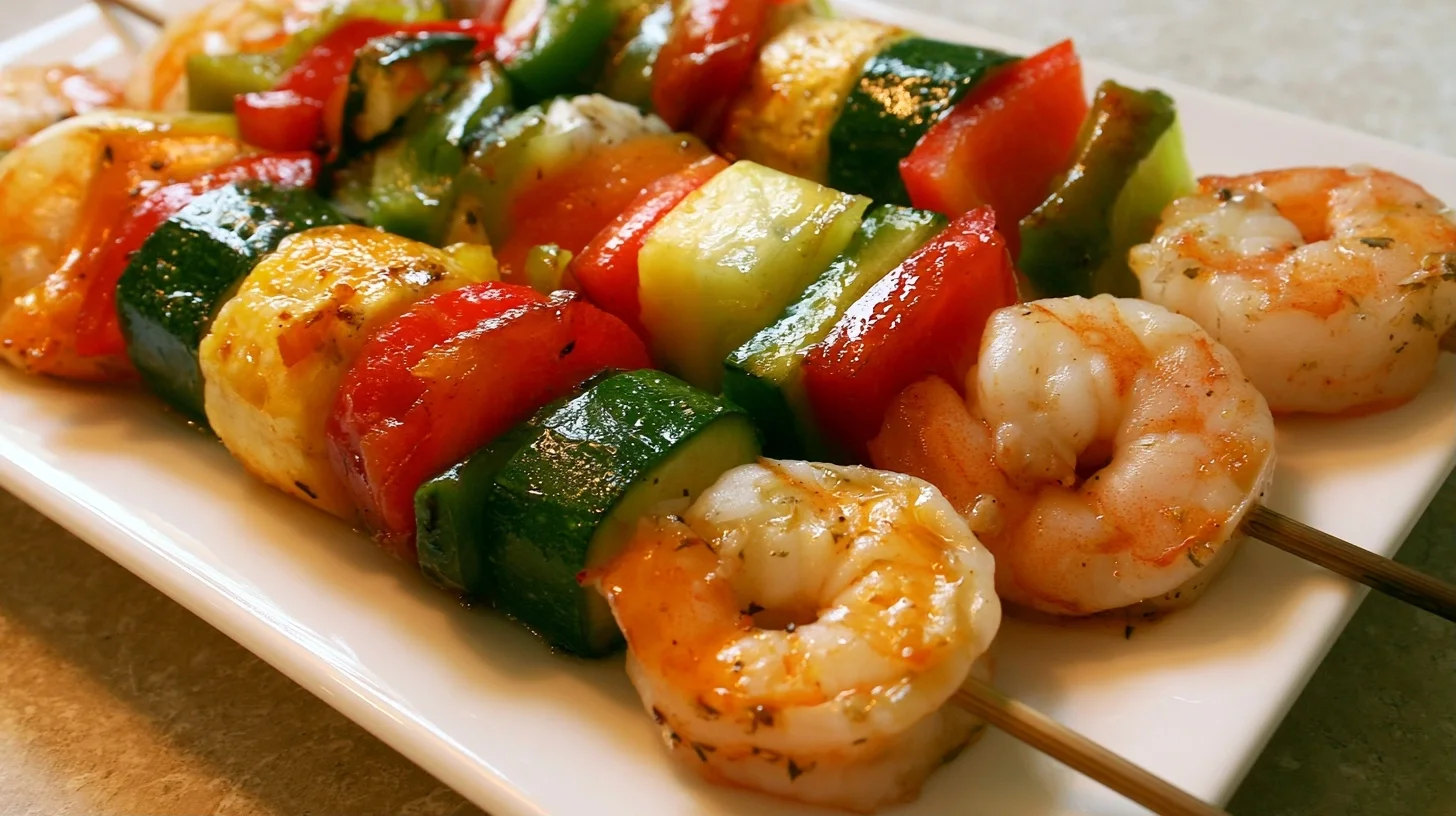
Table of contents
- Your Perfect Grilled Shrimp Kabobs Start Here
- The Technique That Makes These shrimp kabobs Restaurant-Quality
- Creative Ways to Customize Your shrimp kabobs
- Understanding the Nutritional Benefits
- Delicious Ways to Serve These Shrimp Kabobs
- Keeping Your Kabobs Fresh and Flavorful
- Frequently Asked Questions about Shrimp Kabobs
Your Perfect Grilled Shrimp Kabobs Start Here
Grilled Shrimp Kabobs
4
servings20
minutes8
minutes220
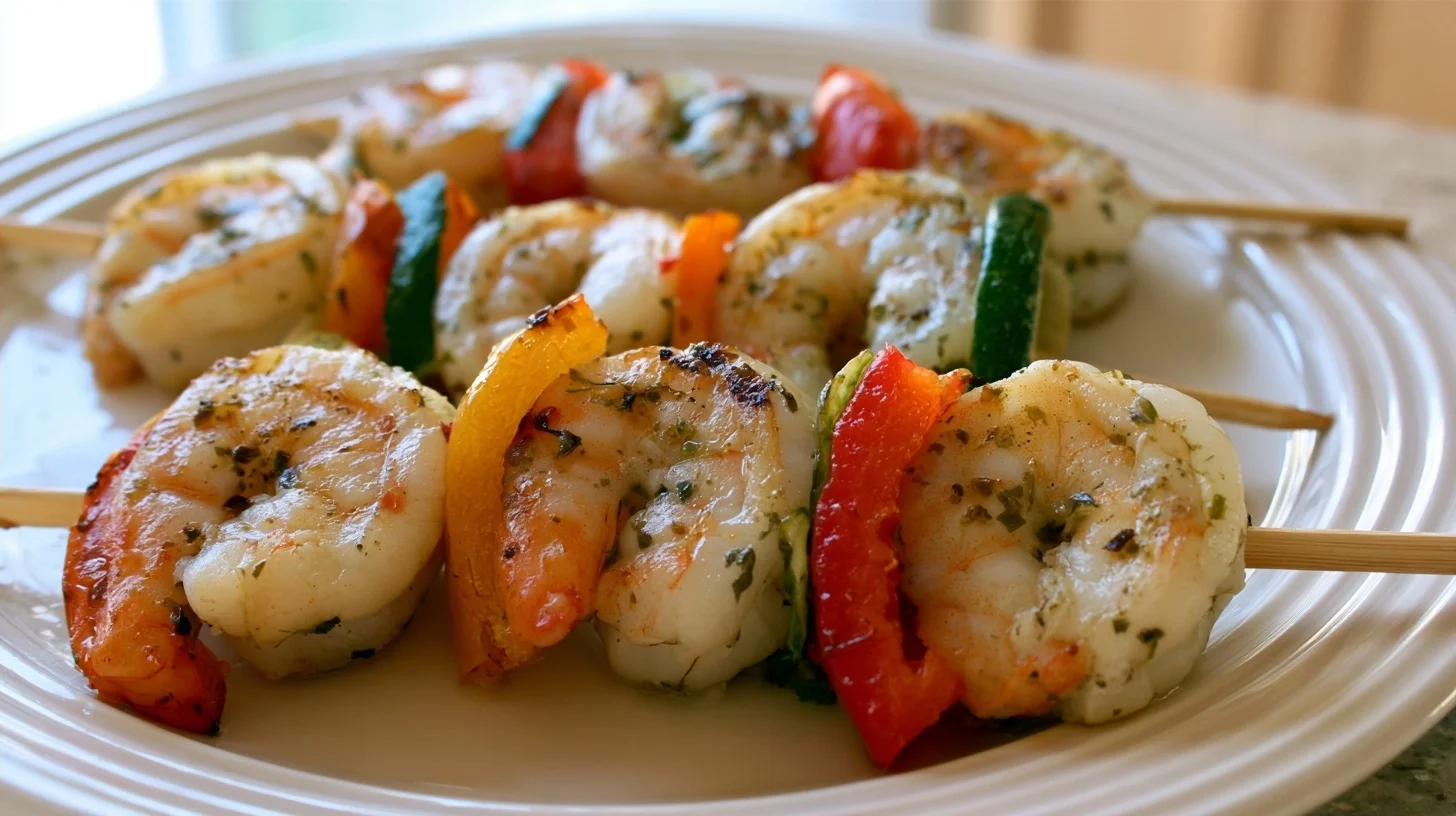
kcalThese grilled shrimp kabobs feature jumbo shrimp marinated for exactly 15 minutes in a citrus-herb blend, then grilled with colorful vegetables for just 2 minutes per side. The short marination time and high heat technique prevent rubbery texture while delivering maximum flavor.
Keep the screen of your device on
Ingredients
1.5 pounds jumbo shrimp
3 tablespoons olive oil
2 tablespoons fresh lemon juice
3 cloves garlic
1 teaspoon dried oregano
0.5 teaspoon paprika
1 large red bell pepper
1 large yellow bell pepper
1 medium red onion
1 medium zucchini
0.5 teaspoon sea salt
0.25 teaspoon black pepper
Directions
- Combine the marinade ingredients in a large bowl by whisking together olive oil, lemon juice, minced garlic, oregano, paprika, salt, and pepper. This creates a bright, aromatic base that penetrates the shrimp quickly without overwhelming their delicate flavor.
- Add the shrimp to the marinade and toss gently to coat every piece evenly. Set a timer for exactly 15 minutes and let them sit at room temperature. This precise timing prevents the acid from over-tenderizing the shrimp while allowing the flavors to infuse perfectly.
- Soak wooden skewers in water for at least 30 minutes while the shrimp marinates, or use metal skewers to skip this step entirely. Soaking prevents the wood from catching fire on the grill and ensures even cooking.
- Thread the shrimp and vegetables onto skewers by piercing each shrimp through both the head and tail ends to create a C-shape. Alternate with vegetable pieces, leaving small gaps between items for proper heat circulation and even charring.
- Preheat your grill to high heat, around 450°F, for at least 10 minutes. A properly heated grill creates beautiful char marks and seals in the shrimp’s natural juices, preventing them from becoming dry or rubbery.
- Grill the kabobs for exactly 2 minutes per side without moving them. Watch for the shrimp to turn opaque pink with slightly charred edges, which indicates they’re perfectly cooked and ready to remove from heat.
Notes
- The ideal ratio for shrimp kabobs is one jumbo shrimp per inch of skewer space, which ensures even heat distribution and prevents overcrowding.
- Never marinate shrimp longer than 15 minutes as the citrus acid will begin to cook the protein, resulting in a mushy texture.
- If using frozen shrimp, thaw them completely in the refrigerator overnight and pat dry with paper towels before marinating to remove excess moisture.
- For oven cooking, broil kabobs 4-6 inches from the heat source for 2 minutes per side, watching carefully to prevent burning.
Nutrition Facts
- Serving Size: 1 g
- Total number of serves: 4
- Calories: 220kcal
- Fat: 8g
- Carbohydrates: 9g
- Fiber: 2g
- Protein: 28g
Did you make this recipe?
Tag @therecipemasterblog on Instagram and hashtag it with #therecipemaster
Like this recipe?
Follow @therecipemasterblog on Pinterest
Follow us on Facebook!
Follow The Recipe Master on Facebook
The Technique That Makes These shrimp kabobs Restaurant-Quality
After years of grilling seafood, I’ve learned that timing and temperature are everything when it comes to shrimp kabobs. These tips will help you achieve perfectly cooked shrimp with beautiful char marks and tender vegetables every time.
Why Size Matters for Grilling Success
I always use jumbo or extra-large shrimp (16-20 count per pound) for kabobs. Smaller shrimp cook too quickly and become rubbery before the vegetables are done. The ideal ratio for shrimp kabobs is one jumbo shrimp per inch of skewer space, which allows for even heat distribution.
Look for shrimp that are already deveined and peeled with tails on. The tails add visual appeal and make them easier to handle on the grill. If you’re concerned about nutritional benefits of shrimp, rest assured they’re an excellent source of lean protein and omega-3 fatty acids.
The 15-Minute Marinade Rule
This is crucial: never marinate shrimp for longer than 15 minutes. The citrus and acid in the marinade will start to cook the shrimp, resulting in a mushy texture. I set a timer as soon as I add the marinade to prevent over-marinating.
During those 15 minutes, prepare your vegetables and soak your wooden skewers in water. This prevents the skewers from burning on the grill. Metal skewers work beautifully too and eliminate the soaking step entirely.
Threading Technique for Even Cooking
Thread shrimp through both the head and tail ends to create a C-shape. This prevents them from spinning on the skewer and ensures both sides get proper grill contact. Alternate shrimp with vegetable pieces, leaving a small gap between each item for heat circulation.
I recommend keeping shrimp and denser vegetables like peppers and onions on the same skewer. Save quick-cooking items like cherry tomatoes for separate skewers or add them during the last minute of cooking.
High Heat Is Your Friend
Preheat your grill to high heat (around 450°F) before adding the kabobs. The high temperature creates beautiful char marks and cooks the shrimp quickly, preventing them from drying out. Cook for exactly 2 minutes per side.
Watch for the color change: shrimp are done when they turn opaque pink with slightly charred edges. Overcooked shrimp become tough and chewy, so remove them from heat as soon as they’re opaque throughout.
Creative Ways to Customize Your shrimp kabobs
One of my favorite things about this recipe is how adaptable it is to different flavor profiles and dietary needs. I’ve tested countless variations, and these are the ones that consistently receive rave reviews from family and friends.
Mediterranean-Style Kabobs
Replace the standard marinade with a mixture of olive oil, lemon juice, oregano, and minced garlic. Add chunks of red onion, cherry tomatoes, and yellow squash to the skewers. Serve with tzatziki sauce and warm pita bread for an authentic Greek-inspired meal.
Spicy Cajun Version
Mix paprika, cayenne pepper, garlic powder, and dried thyme into melted butter for a bold Cajun coating. This variation pairs wonderfully with corn on the cob and coleslaw. The butter helps the spices adhere while adding richness to every bite.
Asian-Inspired Glazed Kabobs
Create a marinade using soy sauce, fresh ginger, sesame oil, and a touch of honey. Thread shrimp with pineapple chunks, bell peppers, and red onion. The sweet and savory combination is absolutely irresistible. If you enjoy bold Asian flavors, try pairing these with honey garlic shrimp for a seafood feast.
Dairy-Free and Gluten-Free Options
The base recipe is naturally dairy-free and gluten-free when you use tamari instead of regular soy sauce. Coconut aminos work beautifully as a soy-free alternative that adds a subtle sweetness. Always check your spice blends for hidden gluten or dairy ingredients.
Vegetable Combinations That Work Best
Bell peppers, red onion, and zucchini are my standard choices because they cook at the same rate as shrimp. Mushrooms add earthiness, while pineapple brings sweetness. Avoid watery vegetables like tomatoes unless you add them at the very end.
Understanding the Nutritional Benefits
Shrimp kabobs are a nutritionist’s dream: high in protein, low in calories, and packed with essential nutrients. Each serving delivers approximately 220 calories with 28 grams of protein, making them ideal for anyone watching their macros or following a healthy eating plan.
The vegetables add fiber, vitamins, and antioxidants without significantly increasing the calorie count. Shrimp provide selenium, vitamin B12, and phosphorus, while the olive oil in the marinade contributes heart-healthy monounsaturated fats. This balanced combination supports muscle maintenance, immune function, and overall wellness.
Delicious Ways to Serve These Shrimp Kabobs
I love serving these shrimp kabobs over a bed of fluffy coconut rice or lemon herb quinoa. The grains soak up the flavorful juices from the shrimp and vegetables, creating a complete meal. A simple arugula salad with shaved parmesan and lemon vinaigrette adds freshness and crunch.
For a more casual presentation, slide the shrimp and vegetables off the skewers into warm flour tortillas with shredded cabbage and cilantro-lime crema. This creates fantastic shrimp tacos that are always a hit at parties. Grilled corn on the cob, garlic bread, and roasted potatoes also make excellent side dishes that complement the smoky flavors beautifully.
Keeping Your Kabobs Fresh and Flavorful
Store leftover shrimp kabobs in an airtight container in the refrigerator for up to 3 days. I recommend removing the shrimp and vegetables from the skewers before storing to save space and make reheating easier. Keep them in a shallow container to prevent crushing the delicate shrimp.
To reheat, I prefer using a skillet over medium heat with a splash of olive oil or broth. This method takes just 3-4 minutes and prevents the shrimp from becoming rubbery. You can also enjoy them cold, chopped over salads or tucked into wraps. Freezing is not recommended as shrimp lose their tender texture when frozen after cooking.
Frequently Asked Questions about Shrimp Kabobs
Marinate shrimp for exactly 15 minutes, no longer. The citrus and acid in marinades will start to cook the shrimp if left too long, resulting in a mushy texture. Set a timer to ensure perfect results.
Both work well. Wooden skewers need to be soaked in water for 30 minutes before grilling to prevent burning. Metal skewers are reusable and don’t require soaking, making them more convenient for frequent grilling.
Yes, absolutely. Preheat your broiler to high and place kabobs on a baking sheet 4-6 inches from the heat source. Broil for 2 minutes per side, watching carefully to prevent burning. The results are nearly identical to grilling.
Jumbo or extra-large shrimp (16-20 count per pound) work best for kabobs. They’re large enough to thread easily and won’t overcook before the vegetables are done. Smaller shrimp become rubbery too quickly on high heat.


Leave a Reply