

This rice pilaf recipe delivers fluffy, separate grains with a toasted, nutty flavor in just 30 minutes. The method starts with toasting the rice in butter before adding liquid, which gives each grain structure and prevents mushiness.
The recipe takes 30 minutes from start to finish and serves 6 as a side dish. Toasting the rice for 2 to 3 minutes before adding broth is what makes the pilaf turn out light instead of sticky. It keeps for 4 days in the refrigerator and reheats beautifully.
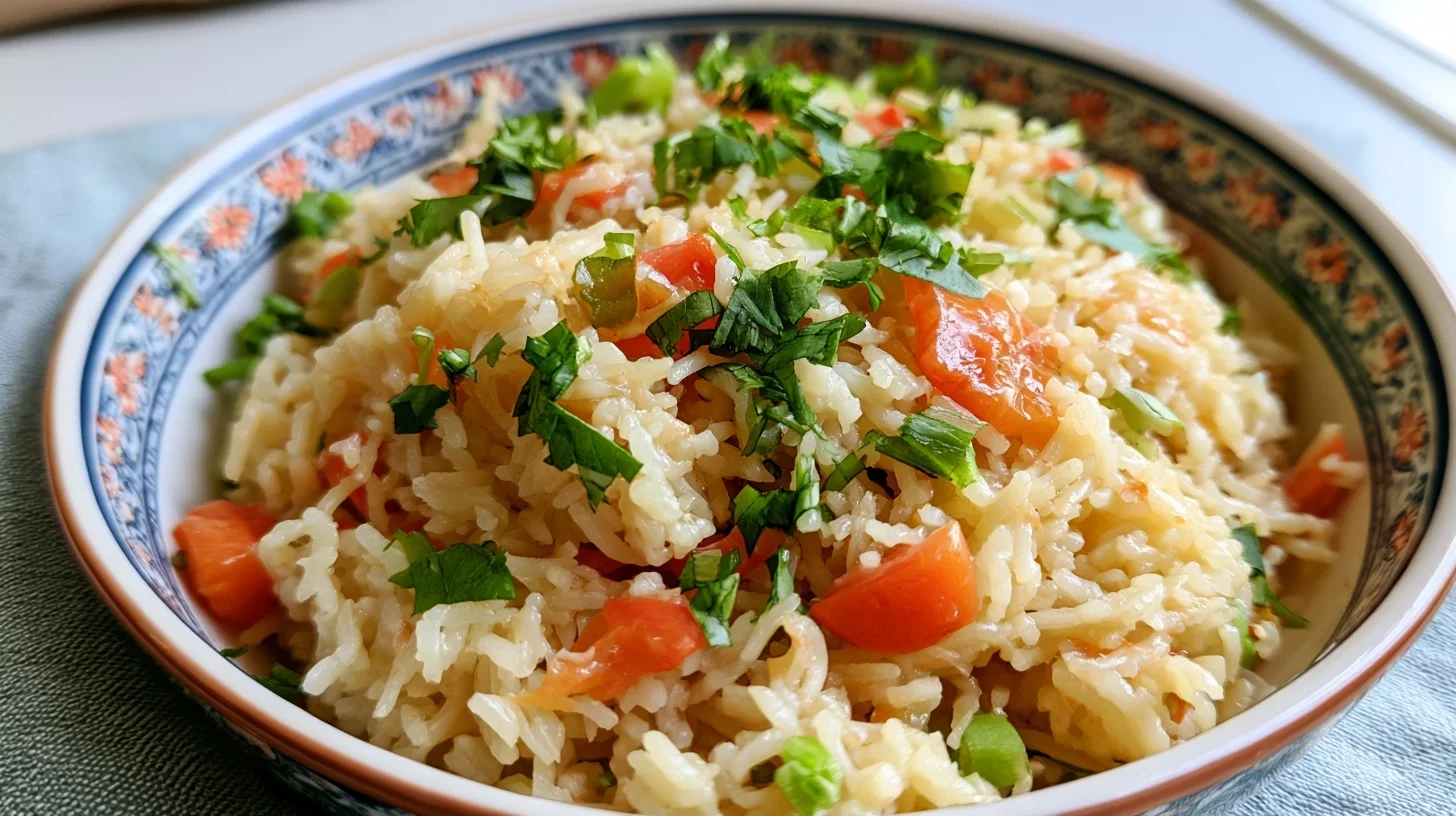
Table of contents
Why This Rice Pilaf Recipe Works
- Toasting the rice in butter for 2 to 3 minutes coats each grain and creates a barrier that keeps the pilaf from clumping.
- The 2 to 1 liquid to rice ratio produces tender grains that hold their shape instead of turning mushy.
- Resting the pilaf covered for 5 minutes after cooking lets the grains finish steaming and makes fluffing easier.
Rice Pilaf Recipe
Rice Pilaf Recipe
6
servings5
minutes25
minutes165
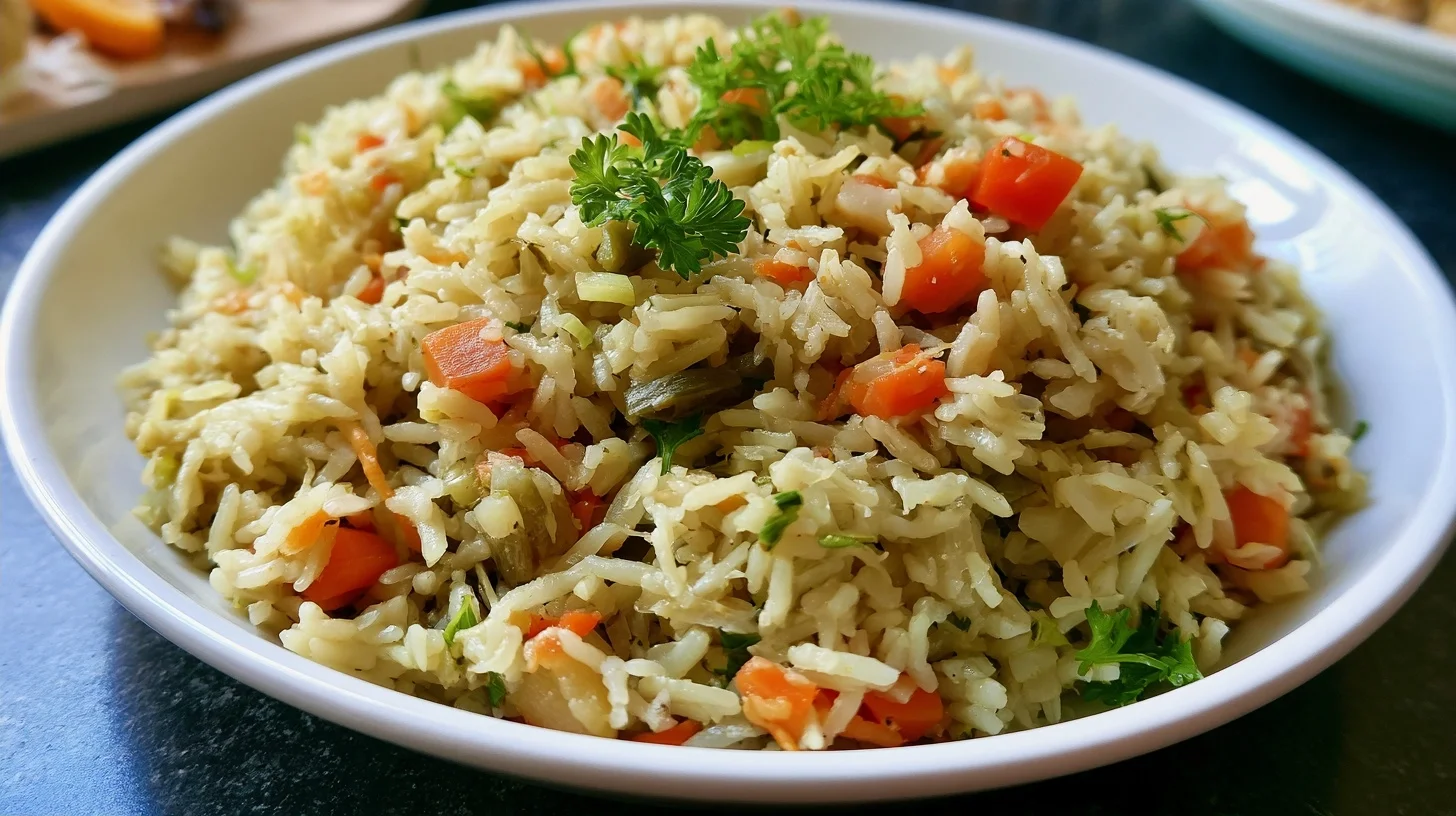
kcalRice pilaf is a side dish made by toasting rice in butter before simmering it in broth, which produces fluffy, separate grains with a nutty flavor. This recipe takes 30 minutes from start to finish and serves 6, with the toasting step being the key to preventing sticky or mushy rice.
Keep the screen of your device on
Ingredients
2 tablespoons butter
1 small onion
1 clove garlic
1 cup long grain white rice
2 cups chicken broth
0.5 teaspoon salt
0.25 teaspoon black pepper
2 tablespoons fresh parsley
Directions
- Melt the butter in a medium saucepan over medium heat. Add the diced onion and cook for 3 to 4 minutes, stirring occasionally, until the onion is soft and translucent.
- Add the garlic and cook for 30 seconds, stirring constantly, until fragrant but not browned.
- Add the rice and stir to coat every grain with butter. Cook for 2 to 3 minutes, stirring frequently, until the rice smells nutty and the grains look glossy.
- Pour in the chicken broth, salt, and pepper. Stir once, then bring to a boil over high heat.
- Reduce the heat to low, cover the pot tightly with a lid, and simmer for 18 minutes without lifting the lid. The rice is done when all the liquid is absorbed and small craters form on the surface.
- Remove the pot from the heat and let it rest covered for 5 minutes. This allows the grains to firm up and makes fluffing easier.
Notes
- Toasting the rice in butter for 2 to 3 minutes before adding broth coats each grain and prevents the pilaf from turning sticky or clumping together.
- If the rice turns out sticky, it was not toasted long enough or the pot was stirred during cooking. Spread sticky pilaf on a baking sheet to cool and dry out.
- Rice pilaf keeps for 4 days in the refrigerator in an airtight container. Substitute vegetable broth for chicken broth to make it vegetarian, or use olive oil instead of butter for a lighter flavor.
Nutrition Facts
- Serving Size: 1 g
- Total number of serves: 6
- Calories: 165kcal
- Fat: 4g
- Carbohydrates: 28g
- Fiber: 1g
- Protein: 4g
Did you make this recipe?
Tag @therecipemasterblog on Instagram and hashtag it with #therecipemaster
Like this recipe?
Follow @therecipemasterblog on Pinterest
Follow us on Facebook!
Follow The Recipe Master on Facebook
This rice pilaf recipe uses long grain white rice and chicken broth for the best texture and flavor. The sections below cover the key ingredients, how to toast the rice properly, and what to do if the pilaf turns out sticky or dry.
Key Ingredients and Substitutions
Each ingredient in this rice pilaf recipe plays a role in texture and flavor.
- Long grain white rice: The grains stay separate when cooked because they have less starch than short grain varieties. You can substitute basmati or jasmine rice with no change to the method, but the flavor will be more aromatic.
- Butter: Toasting the rice in butter gives the pilaf a rich, nutty flavor and coats each grain to prevent sticking. Olive oil works as a substitute and produces a lighter, slightly fruity taste.
- Chicken broth: Broth adds savory depth that water cannot match. Use vegetable broth for a vegetarian version, or use water and add 1 teaspoon of salt to the pot.
- Onion: Sautéing the onion until soft and translucent builds a sweet, savory base. Shallots work as a substitute and give a milder, slightly sweeter flavor.
- Garlic: One clove adds aroma without overpowering the dish. Skip it if you prefer a simpler flavor, or double it for a more pronounced garlic note.
How to Make Rice Pilaf
The toasting step is what separates pilaf from plain steamed rice.
- Toast the rice until it smells nutty: Stir the rice in melted butter over medium heat for 2 to 3 minutes. The grains should look glossy and smell toasted but not browned. This step coats each grain and prevents the rice from turning sticky.
- Use exactly 2 cups of broth for 1 cup of rice: Too much liquid makes the pilaf mushy, and too little leaves it crunchy. Measure carefully and do not lift the lid during cooking, or steam escapes and the ratio changes.
- Simmer covered for 18 minutes: Once the broth boils, reduce the heat to low and cover the pot tightly. The pilaf is done when all the liquid is absorbed and small craters form on the surface.
- Rest the pilaf off the heat for 5 minutes: Leave the lid on during this time. The grains finish steaming and firm up, which makes them easier to fluff without breaking.
- Fluff with a fork, not a spoon: Slide the fork tines down to the bottom of the pot and lift gently. A spoon presses the grains together and turns the pilaf gummy.
Oven Method
Toast the rice and onion in an oven safe pot on the stovetop as directed. Add the hot broth, cover the pot tightly with a lid or foil, and bake at 350°F for 25 minutes. Let it rest covered for 5 minutes, then fluff.
Why Is My Pilaf Sticky or Mushy?
Why Is the Rice Sticky?
The rice was not toasted long enough or the pot was stirred during cooking. Toasting coats the grains with fat, and stirring releases starch. If the batch in front of you is sticky, spread it on a baking sheet to cool and dry out. Next time, toast the rice for the full 3 minutes and do not lift the lid until the timer goes off.
Why Is the Rice Crunchy?
Not enough liquid was added or the heat was too high and the broth evaporated before the rice cooked through. Add 2 tablespoons of water, cover the pot, and simmer for 3 more minutes. Check that your measuring cup is accurate and that the burner is set to low once the broth boils.
Why Is the Bottom Burned?
The heat was too high during the simmer or the pot was too thin and conducted heat unevenly. Scrape off the unburned top layer and discard the scorched rice at the bottom. Use a heavy bottomed pot next time and keep the burner at the lowest setting that maintains a gentle simmer.
Rice Pilaf Variations
Herb Pilaf
Stir in 2 tablespoons of chopped fresh parsley, dill, or cilantro after fluffing. Fresh herbs add brightness and color without changing the texture. Dried herbs can be added with the broth, but use only 1 teaspoon because dried herbs are more concentrated.
Vegetable Pilaf
Add 1 cup of diced carrots, peas, or bell peppers when you add the broth. The vegetables cook in the same time as the rice. Frozen vegetables work without thawing, but they add moisture, so reduce the broth by 2 tablespoons.
Nutty Pilaf
Toast 1/4 cup of slivered almonds, pine nuts, or chopped walnuts in a dry skillet until golden, then stir them into the finished pilaf. The nuts add crunch and a deeper toasted flavor. Do not add them before cooking or they will turn soggy.
What to Serve With Rice Pilaf
Rice pilaf is a neutral side that pairs well with roasted chicken, grilled steak, baked salmon, or lamb chops. It also works under saucy dishes like curry or stew because the grains stay separate and soak up the sauce without falling apart. For a complete meal, serve it alongside Blackstone fried rice for contrast in texture and flavor.
How to Store and Reheat Rice Pilaf
Rice pilaf keeps for 4 days in the refrigerator in an airtight container. Let it cool completely before sealing the container, or condensation makes the rice soggy. It freezes well for up to 3 months in a freezer safe bag with the air pressed out.
Reheat pilaf in the microwave with 1 tablespoon of water per cup of rice, covered, for 1 to 2 minutes. Fluff with a fork after heating. On the stovetop, add the same amount of water to a skillet over medium heat, cover, and warm for 3 to 4 minutes. This Serious Eats rice pilaf guide explains how toasting the grains in fat before adding liquid creates the structure that keeps pilaf fluffy even after reheating.
Rice Pilaf FAQs
Yes, rice pilaf can be made up to 2 days ahead. Cool it completely, then store it in an airtight container in the refrigerator. Reheat with 1 tablespoon of water per cup of rice, covered, in the microwave or on the stovetop.
Long grain white rice is best for pilaf because it has less starch and stays separate after cooking. Basmati and jasmine rice also work well and add a fragrant, aromatic quality.
Yes, toasting the rice in butter for 2 to 3 minutes is what keeps the grains from sticking together. Skipping this step produces a texture closer to plain steamed rice instead of fluffy pilaf.
Brown rice can be used, but it requires 40 to 45 minutes of cooking time and 2.5 cups of broth per cup of rice. The texture will be chewier and nuttier than white rice pilaf.






Leave a Reply