

A protein shake recipe is one of the fastest and most versatile ways to fuel your body with the nutrients it needs, whether you’re rushing out the door in the morning, recovering after a workout, or looking for a satisfying snack that keeps you full. Unlike store-bought versions loaded with artificial sweeteners and mysterious ingredients, homemade protein shakes give you complete control over flavor, texture, and nutritional content. The key to a great protein shake is balancing protein with healthy fats and natural sweetness so the result tastes creamy and satisfying rather than chalky or thin.
This recipe uses simple pantry and fridge staples to create a shake that’s smooth, lightly sweet, and packed with over 25 grams of protein per serving. You can customize it endlessly with different fruits, nut butters, or flavor extracts, making it a dependable base recipe you’ll return to again and again.
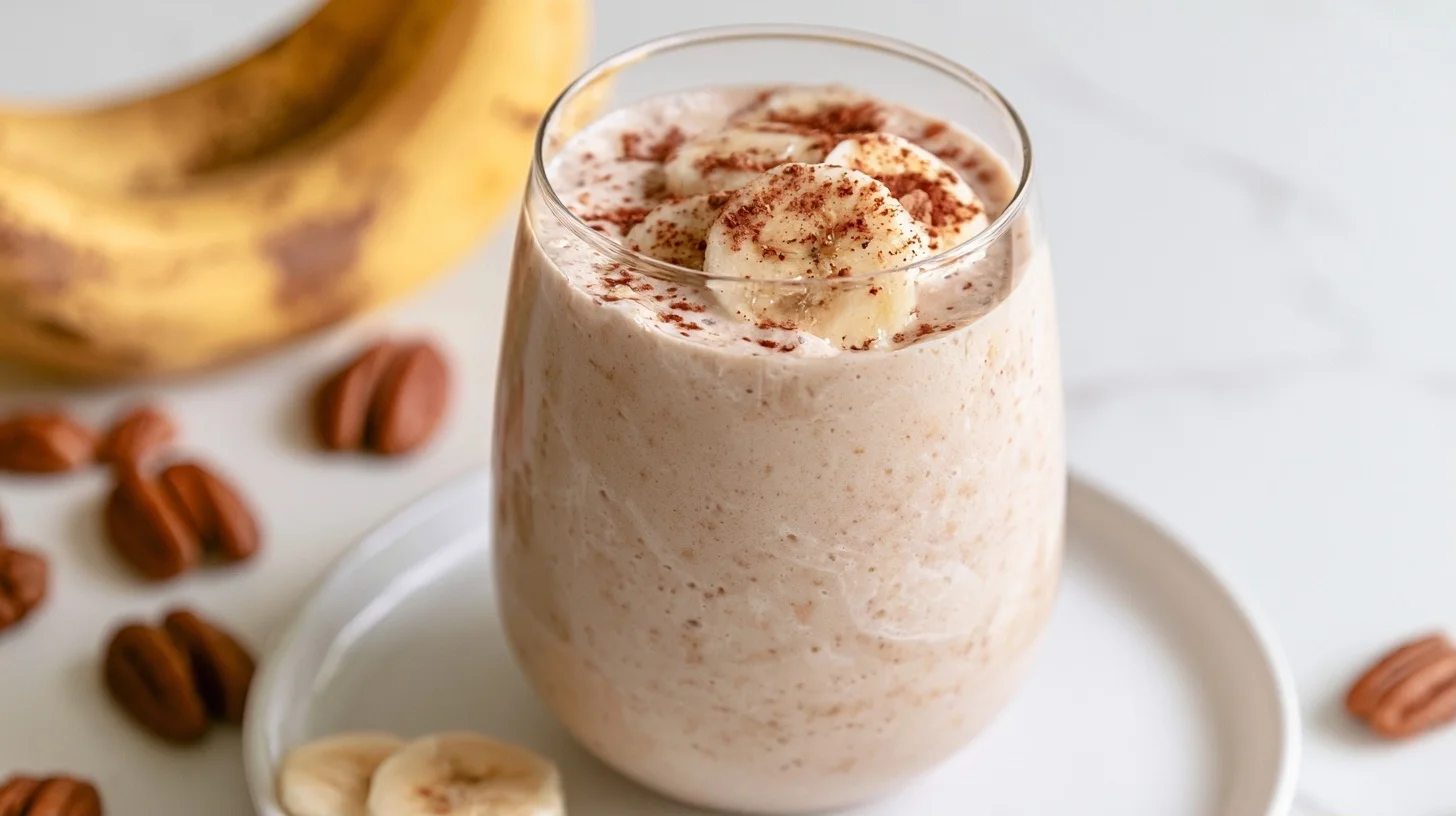
Table of contents
- Why You Will Love This Protein Shake Recipe
- Essential Equipment for a Smooth Protein Shake
- How to Make the Best Protein Shake Every Time
- How to Get a Creamy Protein Shake Without Chalky Texture
- Common Mistakes That Ruin Protein Shake Recipe
- Protein Shake Variations to Try
- Nutritional Benefits of Homemade Protein Shakes
- How to Serve Protein Shakes
- How to Store Protein Shakes
- Frequently Asked Questions about Protein Shake Recipe
Why You Will Love This Protein Shake Recipe
- Ready in under 3 minutes with minimal cleanup and no cooking required.
- Delivers over 25 grams of protein per serving without chalky texture or artificial sweeteners.
- Easily customizable with your favorite fruits, nut butters, or flavor extracts.
- Keeps you full for hours thanks to balanced protein, healthy fats, and fiber.
Essential Equipment for a Smooth Protein Shake
Making a protein shake requires minimal equipment, but the right tools make a noticeable difference in texture and consistency. A high-powered blender is the most important piece of equipment because it breaks down frozen fruit and ice completely, creating a creamy shake instead of a chunky one.
- High-powered blender: A blender with at least 500 watts ensures frozen ingredients blend smoothly without leaving chunks or requiring excessive liquid.
- Liquid measuring cup: Accurate liquid measurement prevents shakes from becoming too thick or too thin.
- Tall glass or shaker bottle: A 16-ounce glass or bottle is ideal for serving and prevents overflow during blending.
- Rubber spatula: Helps scrape down the sides of the blender to incorporate all ingredients evenly.
How to Make the Best Protein Shake Every Time
Protein Shake
1
servings3
minutes0
minutes320
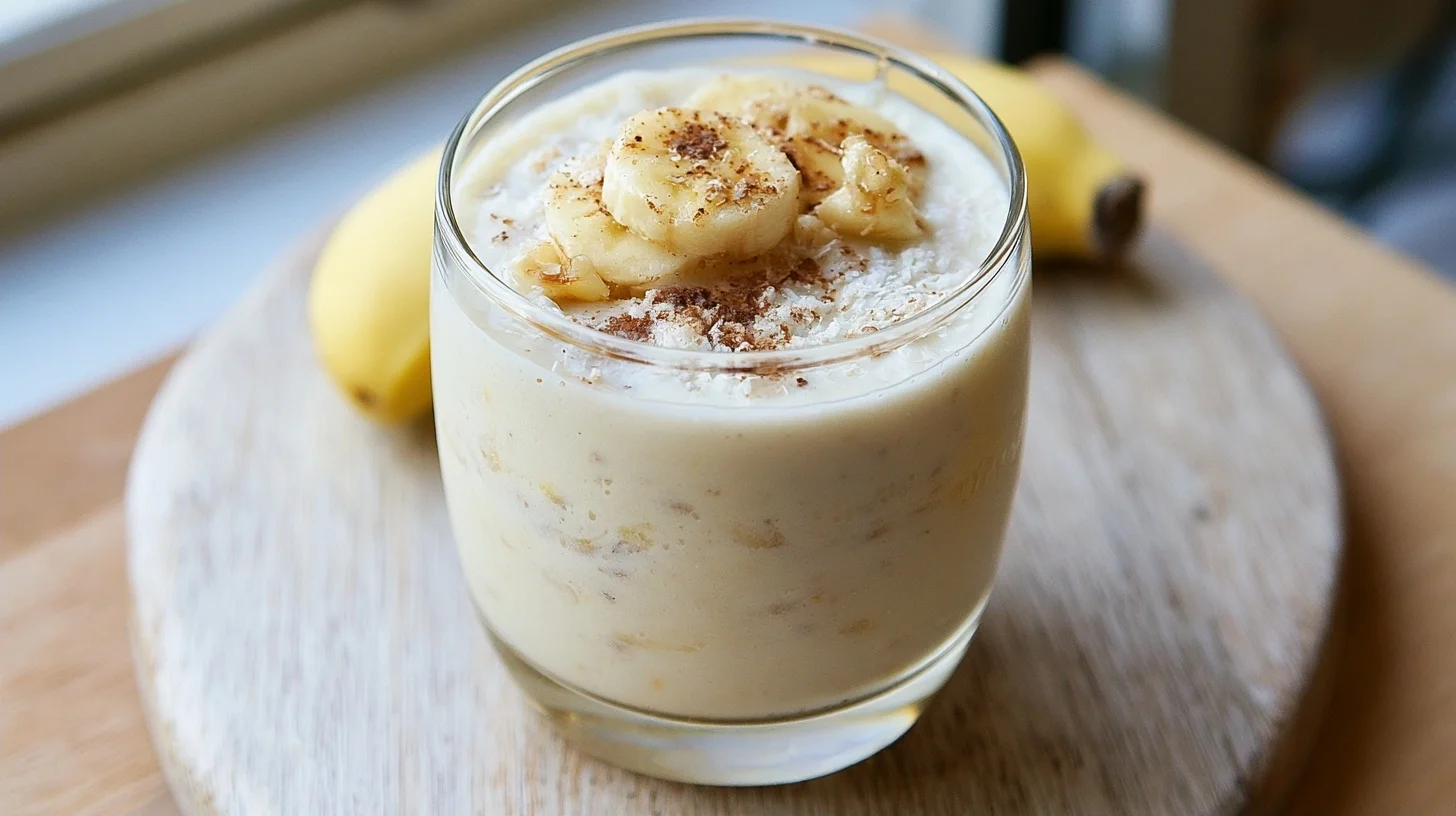
kcalThis protein shake recipe combines creamy texture with over 25 grams of protein per serving. Blend it in under 3 minutes using simple ingredients like protein powder, frozen banana, nut butter, and your choice of milk. The result is a smooth, satisfying shake that keeps you full for hours without any chalky aftertaste.
Keep the screen of your device on
Ingredients
1 cup unsweetened almond milk
1 scoop vanilla protein powder
1 whole frozen banana
1 tablespoon almond butter
0.5 cup frozen berries
1 teaspoon honey
0.5 teaspoon vanilla extract
0.25 cup ice cubes
Directions
- Pour the almond milk into the blender first, followed by the protein powder. Blend on low speed for 10 to 15 seconds to dissolve the powder completely and prevent clumping.
- Add the frozen banana, almond butter, and any optional ingredients like frozen berries, honey, or vanilla extract. Adding frozen fruit after the protein powder ensures a smoother texture.
- Blend on high speed for 45 to 60 seconds until the shake is completely smooth and no chunks of frozen fruit remain. If the shake is too thick, add a splash of milk and blend again.
- Taste the shake and adjust by adding more honey for sweetness, a pinch of cinnamon for warmth, or a few ice cubes for extra thickness. Blend briefly to incorporate any additions.
- Pour the shake into a tall glass or shaker bottle and serve immediately for the best texture and temperature. Use a rubber spatula to scrape down the sides of the blender to get every last drop.
Notes
- Blending liquid and protein powder first before adding frozen ingredients prevents clumps and ensures a smooth, evenly mixed shake.
- If your shake is too thick, add milk one tablespoon at a time until you reach your desired consistency. If it’s too thin, add more frozen fruit or a handful of ice cubes.
- Store leftover shakes in an airtight container in the refrigerator for up to four hours. Shake or stir vigorously before drinking, as the mixture will thicken and may separate slightly.
Nutrition Facts
- Serving Size: 1 g
- Total number of serves: 1
- Calories: 320kcal
- Fat: 10g
- Carbohydrates: 35g
- Fiber: 6g
- Protein: 28g
Did you make this recipe?
Tag @therecipemasterblog on Instagram and hashtag it with #therecipemaster
Like this recipe?
Follow @therecipemasterblog on Pinterest
Follow us on Facebook!
Follow The Recipe Master on Facebook
How to Get a Creamy Protein Shake Without Chalky Texture
The most reliable way to avoid a chalky protein shake is to blend the liquid and protein powder first before adding frozen ingredients. This allows the protein powder to fully dissolve into the liquid, creating a smooth base that won’t clump when you add ice or frozen fruit.
Use Frozen Fruit Instead of Ice
Frozen fruit adds natural sweetness and body to the shake while keeping it cold, whereas ice dilutes the flavor and can create a watery texture as it melts. Frozen bananas are especially effective because they blend into a creamy, soft-serve consistency that mimics the texture of a milkshake. If you prefer a lighter shake, use half a frozen banana and add a handful of frozen berries for color and antioxidants.
Add Healthy Fats for Satiety and Smoothness
Including a tablespoon of nut butter, a quarter of an avocado, or a teaspoon of chia seeds adds healthy fats that slow digestion and keep you full longer. These fats also improve the mouthfeel of the shake, making it taste richer and more satisfying. Almond butter and cashew butter are particularly mild and blend well without overpowering the other flavors.
Blend on High for at Least 45 Seconds
Blending on high speed for a full 45 to 60 seconds ensures that all ingredients are fully incorporated and the shake reaches a uniform consistency. Stopping too early can leave pockets of undissolved protein powder or chunks of frozen fruit. If your blender struggles with frozen ingredients, pause halfway through and use a spatula to push the contents toward the blade, then continue blending.
Adjust Thickness by Controlling Liquid Ratio
The amount of liquid you use determines whether your shake is thick enough to eat with a spoon or thin enough to drink through a straw. Start with one cup of liquid and blend, then add more in small increments if the shake is too thick. If you accidentally add too much liquid, add a few more ice cubes or a tablespoon of oats to thicken it back up without diluting the flavor.
Common Mistakes That Ruin Protein Shake Recipe
Adding Protein Powder After Frozen Ingredients
When you add protein powder on top of frozen fruit or ice, it sits on the surface and doesn’t blend evenly, leaving clumps and a gritty texture. This happens because the powder can’t dissolve properly when it’s trapped against solid frozen ingredients. To fix this, always pour the liquid into the blender first, add the protein powder, blend briefly to dissolve it, and then add frozen ingredients. This order ensures a smooth, evenly mixed shake every time.
Using Too Much Protein Powder
Doubling the protein powder to increase the protein content often backfires because it makes the shake taste chalky and overly thick. Most protein powders are formulated to work best at one scoop per serving, and adding more disrupts the balance of flavors and texture. If you need more protein, add natural protein sources like Greek yogurt, cottage cheese, or a tablespoon of hemp seeds instead of extra powder.
Skipping Healthy Fats
Protein shakes made with only protein powder and fruit can leave you hungry within an hour because they lack the fats needed to slow digestion and stabilize blood sugar. Adding a tablespoon of nut butter or a quarter of an avocado not only improves the creamy texture but also keeps you satisfied longer. This small addition makes a noticeable difference in how long the shake sustains your energy.
Not Tasting Before Serving
Protein powders vary widely in sweetness, and fruits vary in ripeness, so what tastes perfect one day might taste bland or too sweet the next. Always taste the shake before pouring it into your glass, and adjust with a drizzle of honey, a pinch of cinnamon, or a splash of vanilla extract if needed. This quick step ensures every shake tastes exactly how you want it.
Protein Shake Variations to Try
Chocolate Peanut Butter Protein Shake Recipe
Use chocolate protein powder, add one tablespoon of natural peanut butter, and blend with a frozen banana and unsweetened almond milk. This combination tastes like a peanut butter cup and delivers a satisfying balance of protein and healthy fats. For extra richness, add a teaspoon of cocoa powder.
Berry Vanilla Protein Shake
Use vanilla protein powder, add one cup of frozen mixed berries, half a frozen banana, and a splash of vanilla extract. This version is lighter and slightly tart, making it refreshing after a workout. Pair it with a yogurt bowl for a complete breakfast that’s high in protein and fiber.
Green Protein Shake
Add a large handful of fresh spinach or kale to your base recipe along with half a frozen banana, vanilla protein powder, and a tablespoon of almond butter. The greens add fiber and micronutrients without affecting the taste as long as you use enough fruit to balance the flavor. Blend on high for a full minute to ensure the greens are completely smooth.
Dairy-Free Protein Shake Recipe
Replace dairy milk with unsweetened almond milk, oat milk, or coconut milk, and use a plant-based protein powder such as pea protein or brown rice protein. The shake will be slightly thinner than dairy-based versions, so add a tablespoon of chia seeds or a quarter of an avocado to restore creaminess. This variation works well for anyone avoiding dairy or following a vegan diet.
Nutritional Benefits of Homemade Protein Shakes
Homemade protein shakes provide a controlled source of high-quality protein, which supports muscle repair, immune function, and satiety. A typical serving of this recipe contains between 25 and 30 grams of protein, depending on the protein powder you use, along with 8 to 12 grams of healthy fats from nut butter or avocado. The addition of frozen fruit contributes natural sugars and fiber, which help regulate blood sugar and provide quick energy without causing a crash.
Unlike many store-bought protein shakes, homemade versions allow you to avoid artificial sweeteners, thickeners, and preservatives. You can also adjust the macronutrient balance to fit your specific needs, whether you’re aiming for higher protein, lower carbs, or more fiber. Choosing high-quality protein sources ensures you’re getting essential amino acids that support overall health and recovery.
How to Serve Protein Shakes
Protein shakes work best as a meal replacement for breakfast or a post-workout recovery drink. Serve them immediately after blending for the best texture and temperature. If you prefer a thicker consistency, pour the shake into a bowl and top it with granola, sliced almonds, fresh berries, or a drizzle of nut butter to create a protein-packed smoothie bowl.
For on-the-go convenience, pour the shake into a shaker bottle or insulated tumbler with a secure lid. If you’re making the shake ahead of time, store it in the refrigerator for up to four hours, but expect the texture to thicken as it sits. Give it a quick shake or stir before drinking to redistribute the ingredients.
How to Store Protein Shakes
Protein shakes are best consumed immediately after blending because the texture and flavor are at their peak. If you need to store a shake, pour it into an airtight container or shaker bottle and refrigerate for up to four hours. The shake will thicken as it sits, so you may need to add a splash of milk and shake vigorously before drinking.
Freezing protein shakes is not recommended because the texture becomes icy and separated when thawed. If you want to prep ahead, measure out the dry ingredients and store them in individual bags or containers, then blend with liquid and frozen fruit when you’re ready to drink. This method gives you the convenience of prep without sacrificing texture.
Frequently Asked Questions about Protein Shake Recipe
No, a blender is necessary to fully incorporate protein powder and frozen ingredients into a smooth, drinkable consistency. Shaking by hand in a bottle will leave clumps and won’t break down frozen fruit.
Yes, but the shake will be thinner and less cold. Add a handful of ice cubes to compensate for the lack of frozen fruit, though this will dilute the flavor slightly as the ice melts.
Use less liquid, add more frozen fruit, or include a tablespoon of oats or chia seeds. These ingredients absorb liquid and create a thicker, more spoonable consistency without diluting the flavor.
Protein shakes are best consumed immediately after blending. You can refrigerate a blended shake for up to four hours, but the texture will thicken and may require stirring. Freezing is not recommended because the texture becomes icy and separated when thawed.





Leave a Reply