

There’s something undeniably comforting about a stack of warm, fluffy buttermilk pancake recipe on a weekend morning. The tangy richness of buttermilk creates a tender crumb and golden exterior that regular milk simply can’t match. This recipe delivers thick, pillowy pancakes with crisp edges and a soft center—ready in under 20 minutes from mixing bowl to plate. The key is understanding how buttermilk’s acidity activates baking soda to create those signature air pockets that make each bite light and satisfying.
Unlike pancakes made with regular milk, buttermilk pancakes develop a subtle tang that balances sweetness and adds depth of flavor. The acid in buttermilk also tenderizes the gluten in flour, resulting in a softer texture that stays moist even as the pancakes cool. Whether you’re feeding a crowd or making breakfast for two, this straightforward recipe produces consistently excellent results without any complicated techniques or unusual ingredients.
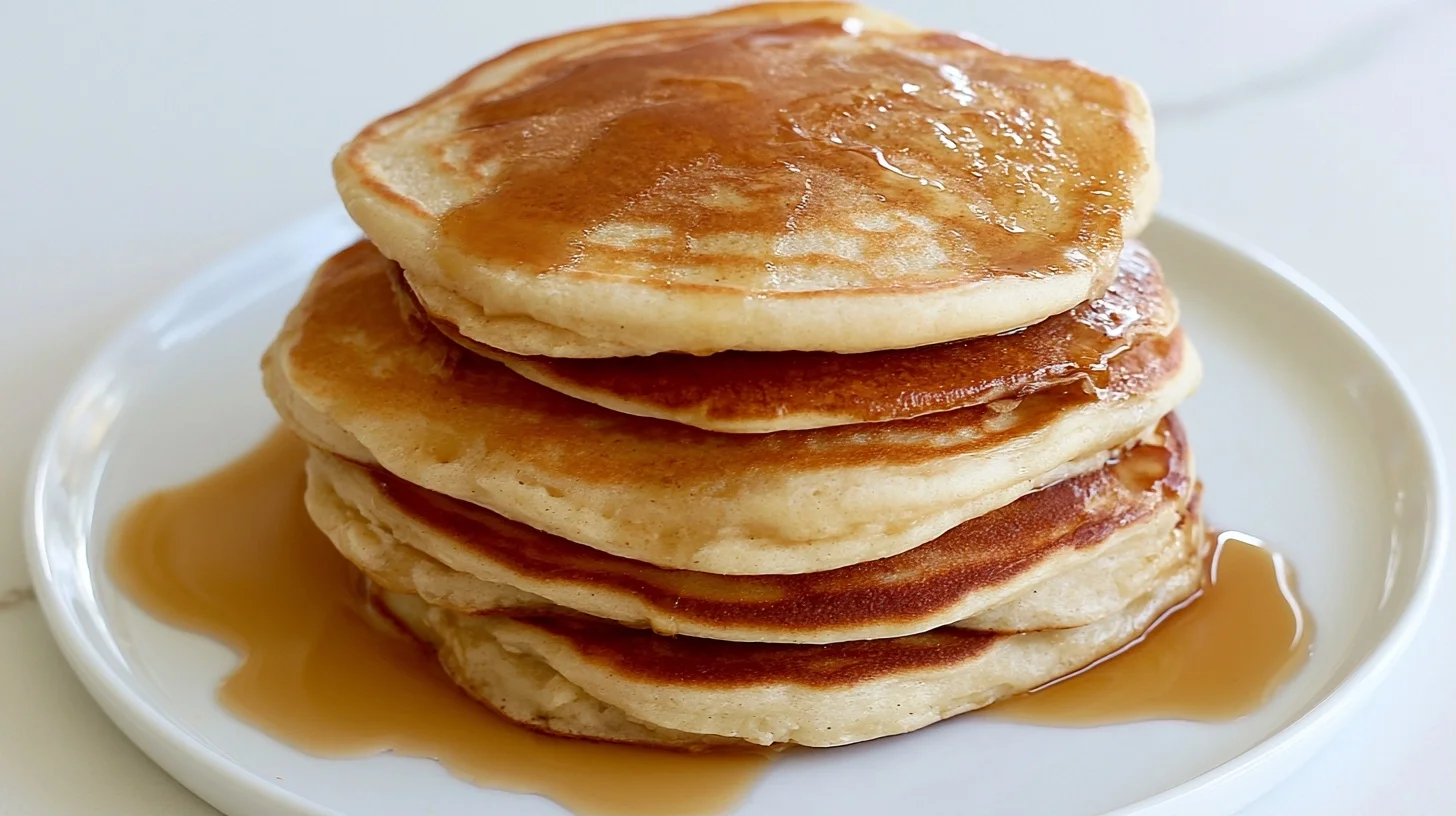
Table of contents
- Why You Will Love This Buttermilk Pancake Recipe
- Essential Equipment for Perfect Buttermilk Pancakes
- How to Make Fluffy Buttermilk Pancake Recipe from Scratch
- How to Get Tender Buttermilk Pancakes Every Time
- Common Buttermilk Pancake Recipe Mistakes and How to Fix Them
- Buttermilk Pancake Variations Worth Trying
- Buttermilk Pancake Nutrition Information
- How to Serve Buttermilk Pancake Recipe
- How to Store and Reheat Buttermilk Pancakes
- Frequently Asked Questions about Buttermilk Pancake Recipe
Why You Will Love This Buttermilk Pancake Recipe
- The buttermilk creates exceptionally tender pancakes with a light, fluffy texture that doesn’t turn dense or rubbery.
- Simple pantry ingredients come together in one bowl with minimal mixing required.
- The batter rests briefly while the griddle heats, allowing the baking soda to activate fully for maximum rise.
- Each pancake develops golden-brown edges with a soft, cake-like interior that holds syrup without becoming soggy.
Essential Equipment for Perfect Buttermilk Pancakes
The right equipment makes a noticeable difference in how evenly your pancakes cook and how easily you can flip them without tearing.
- Large mixing bowl: Provides enough room to fold ingredients together gently without overmixing, which keeps the pancakes tender.
- Whisk: Blends the wet ingredients smoothly and helps incorporate air into the batter for lighter pancakes.
- Griddle or large nonstick skillet: A flat cooking surface with even heat distribution prevents hot spots that cause uneven browning.
- Wide spatula: A thin, flexible spatula slides easily under delicate pancakes and supports the entire surface during flipping.
- ¼ cup measuring cup or ladle: Ensures consistent pancake size, which helps them cook at the same rate and stack neatly.
How to Make Fluffy Buttermilk Pancake Recipe from Scratch
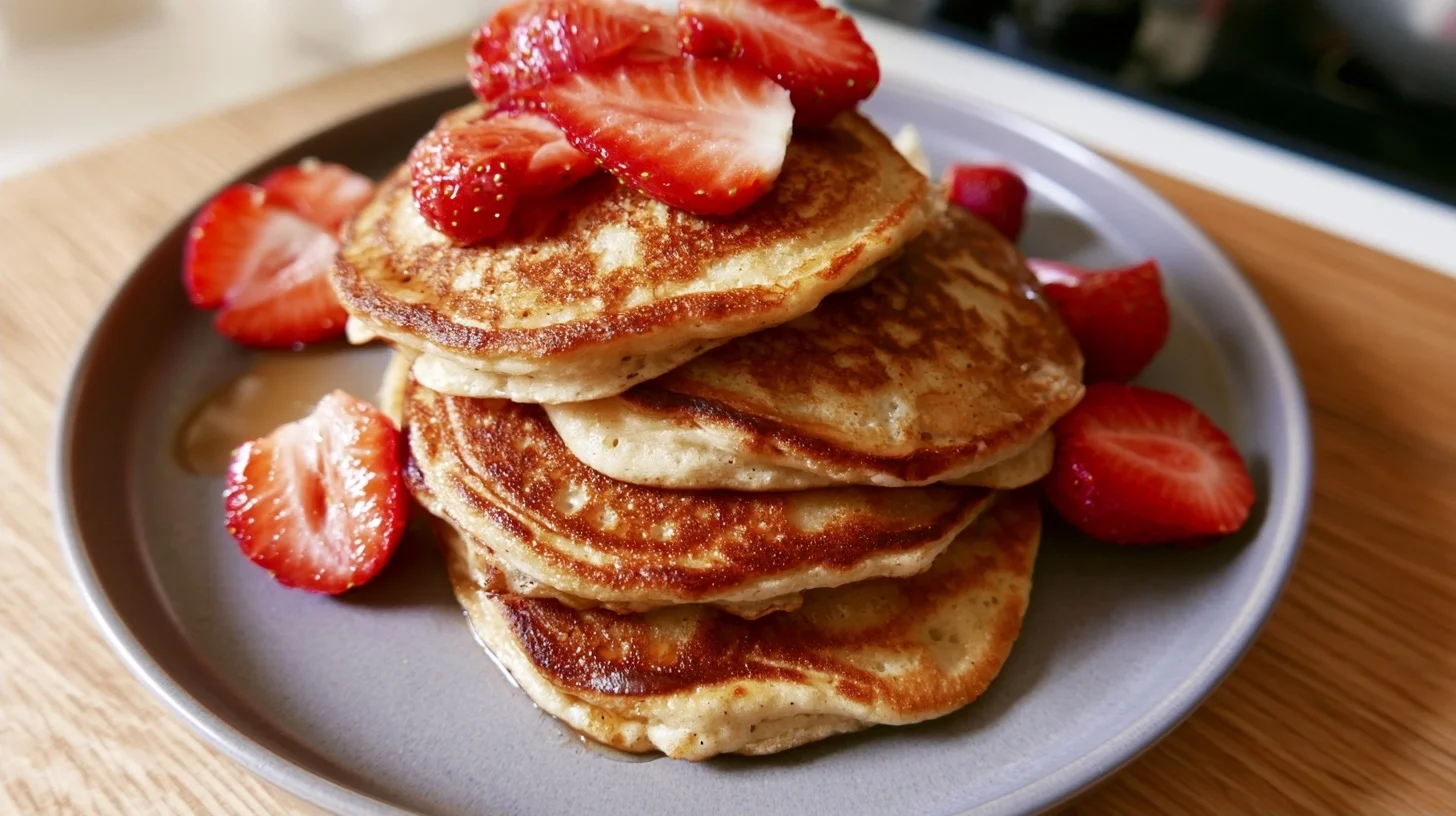
Buttermilk Pancakes
4
servings10
minutes10
minutes320
kcalThese buttermilk pancakes deliver a fluffy, tender texture with golden-brown edges and a soft interior. The tangy buttermilk reacts with baking soda to create air pockets that make each pancake light and satisfying. Simple pantry ingredients come together quickly for a classic breakfast that’s ready in under 20 minutes.
Keep the screen of your device on
Ingredients
2 cups all-purpose flour
2 tablespoons granulated sugar
2 teaspoons baking powder
1 teaspoon baking soda
0.5 teaspoon salt
2 cups buttermilk
2 large eggs
0.25 cup unsalted butter
1 teaspoon vanilla extract
Directions
- Whisk together the dry ingredients in a large mixing bowl: flour, sugar, baking powder, baking soda, and salt. This distributes the leavening agents evenly so every pancake rises consistently.
- In a separate bowl, whisk the buttermilk, eggs, melted butter, and vanilla extract until smooth and well combined. The butter should be cool enough that it doesn’t cook the eggs when mixed.
- Pour the wet ingredients into the dry ingredients and fold together gently with a spatula or wooden spoon until just combined. Stop mixing as soon as you no longer see dry flour—small lumps are fine and will disappear during cooking.
- Let the batter rest for 5 to 10 minutes while you preheat your griddle or skillet over medium heat. During this time, the baking soda reacts with the buttermilk to create bubbles that make the pancakes fluffy.
- Lightly grease the preheated griddle with butter or a neutral oil, then wipe away any excess with a paper towel. The surface should be lightly coated but not pooling with fat.
- Pour ¼ cup of batter onto the griddle for each pancake, leaving space between them so they don’t run together. The batter should spread slightly but hold a relatively round shape.
Notes
- Letting the batter rest for 5 to 10 minutes allows the baking soda to react fully with the buttermilk’s acid, creating the carbon dioxide bubbles that make pancakes rise and turn fluffy.
- Mix the batter only until the dry ingredients disappear—lumps are normal and overmixing develops gluten, which makes pancakes tough instead of tender.
- Store leftover pancakes in an airtight container in the refrigerator for up to 4 days, or freeze them for up to 2 months. Reheat in a toaster or microwave for best results.
Nutrition Facts
- Serving Size: 1 g
- Total number of serves: 4
- Calories: 320kcal
- Fat: 11g
- Carbohydrates: 45g
- Fiber: 1g
- Protein: 8g
Did you make this recipe?
Tag @therecipemasterblog on Instagram and hashtag it with #therecipemaster
Like this recipe?
Follow @therecipemasterblog on Pinterest
Follow us on Facebook!
Follow The Recipe Master on Facebook
How to Get Tender Buttermilk Pancakes Every Time
The texture of your pancakes depends heavily on how you handle the batter and control the cooking temperature. These techniques address the most common issues that lead to tough, flat, or unevenly cooked pancakes.
Mix the Batter Just Until Combined
Overmixing develops gluten strands in the flour, which makes pancakes chewy instead of tender. Stir the wet and dry ingredients together until you no longer see dry flour, even if small lumps remain. Lumps in the batter are normal and will disappear during cooking, while overmixed batter produces dense, rubbery pancakes. The batter should look slightly thick and pourable, similar to a thin cake batter.
Let the Batter Rest Before Cooking
Allowing the batter to sit for 5 to 10 minutes gives the baking soda time to react with the buttermilk’s acid, creating carbon dioxide bubbles that make pancakes rise. During this rest, the flour also hydrates fully, which improves texture. You’ll notice the batter becomes slightly thicker and develops more bubbles on the surface—both signs that it’s ready to cook. Check out these blueberry cottage cheese pancakes for another protein-rich breakfast option that uses a similar resting technique.
Control Your Griddle Temperature
Medium heat, around 350°F, creates the ideal cooking environment for pancakes. Too hot, and the exterior burns before the center cooks through. Too cool, and pancakes spread too thin and turn pale instead of golden. Test the temperature by sprinkling a few drops of water on the griddle, they should sizzle and evaporate within a couple of seconds. If the water sits without reacting, the surface isn’t hot enough yet.
Watch for Surface Bubbles Before Flipping
The pancake is ready to flip when bubbles form across the entire surface and the edges look set and slightly dry. This usually takes 2 to 3 minutes on the first side. Flip only once, repeated flipping deflates the air pockets and makes pancakes dense. The second side cooks faster, typically 1 to 2 minutes, because the batter is already heated through.
Use Minimal Fat on the Cooking Surface
A light coating of butter or neutral oil prevents sticking without creating greasy spots. Wipe excess fat off the griddle with a paper towel between batches—too much fat causes uneven browning and can make the pancakes taste heavy. Nonstick surfaces require less fat than cast iron or stainless steel.
Common Buttermilk Pancake Recipe Mistakes and How to Fix Them
Flat, Dense Pancakes Instead of Fluffy Ones
This happens when the leavening agents lose their potency or the batter sits too long before cooking. Baking powder and baking soda begin reacting as soon as they contact liquid, so batter that sits for more than 30 minutes loses its lift. Check expiration dates on your leavening agents—baking soda older than six months or baking powder older than a year may not create enough rise. To test baking soda, add a small amount to vinegar; it should fizz immediately. For baking powder, stir it into hot water and look for vigorous bubbling.
Pancakes That Burn Outside but Stay Raw Inside
This indicates the cooking temperature is too high. Lower the heat to medium or medium-low and give the griddle a minute to adjust before pouring the next batch. Thicker batter also contributes to this problem because it takes longer for heat to reach the center. If your batter seems especially thick, thin it with a tablespoon or two of buttermilk until it pours easily from a ladle.
Tough, Chewy Texture
Overmixing is almost always the culprit. When you stir the batter vigorously or for too long, you develop gluten, which creates structure in bread but toughness in pancakes. Mix only until the dry ingredients disappear into the wet ingredients, using a folding motion rather than aggressive stirring. The batter should look lumpy and slightly uneven, this is the correct texture.
Pale Pancakes Without Golden Color
Insufficient heat or too much fat on the griddle prevents proper browning. Increase the temperature slightly and reduce the amount of butter or oil you’re using. The Maillard reaction, which creates golden-brown color and rich flavor, requires direct contact between the batter and a hot surface. Excess fat creates a barrier that interferes with this process.
Buttermilk Pancake Variations Worth Trying
Blueberry Buttermilk Pancakes
Fold ½ cup of fresh or frozen blueberries into the batter just before cooking. Frozen berries work well straight from the freezer—no need to thaw them first. The berries release juice as they heat, creating pockets of sweet, tart flavor throughout each pancake. Avoid stirring too much after adding the berries, or they’ll break apart and turn the batter purple.
Whole Wheat Buttermilk Pancakes
Replace half of the all-purpose flour with whole wheat flour for a nuttier flavor and more fiber. Whole wheat flour absorbs more liquid than all-purpose, so you may need to add an extra tablespoon or two of buttermilk to maintain the right consistency. The texture will be slightly denser but still tender if you avoid overmixing.
Dairy-Free Buttermilk Pancake Recipe
Make dairy-free buttermilk by mixing 2 cups of unsweetened almond milk or oat milk with 2 tablespoons of lemon juice or white vinegar. Let the mixture sit for 5 minutes until it thickens and curdles slightly. Replace the butter with melted coconut oil or a neutral vegetable oil. The pancakes will have a slightly different flavor but maintain the same tender texture.
Chocolate Chip Buttermilk Pancakes
Sprinkle mini chocolate chips directly onto each pancake immediately after pouring the batter onto the griddle. This method distributes the chips more evenly than stirring them into the batter and prevents them from sinking to the bottom. Use mini chips rather than regular size—they melt more evenly and create better chocolate distribution.
Buttermilk Pancake Nutrition Information
Each serving of buttermilk pancakes provides approximately 320 calories, with 8 grams of protein, 45 grams of carbohydrates, and 11 grams of fat. The protein comes primarily from the eggs and buttermilk, while the carbohydrates come from the flour and sugar. Buttermilk itself is lower in fat than whole milk but provides calcium, phosphorus, and B vitamins that support bone health and energy metabolism.
The fiber content is relatively low at 1 gram per serving, but you can increase it by substituting whole wheat flour for part of the all-purpose flour. Sugar content sits at 8 grams per serving, which includes both the added sugar in the batter and the natural sugars in the buttermilk. Keep in mind that these values don’t include toppings like syrup, butter, or fruit, which can significantly increase both calories and sugar.
How to Serve Buttermilk Pancake Recipe
Classic toppings include pure maple syrup, softened butter, and a light dusting of powdered sugar. For a more substantial meal, serve the pancakes alongside crispy bacon, breakfast sausage, or scrambled eggs. Fresh berries, sliced bananas, or sautéed apples add natural sweetness and a dose of vitamins without overwhelming the pancakes’ delicate flavor.
Whipped cream, Greek yogurt, or a drizzle of honey provide alternative toppings that complement the tangy buttermilk flavor. For a special occasion breakfast, layer the pancakes with mascarpone cheese and berry compote, or top them with toasted pecans and a drizzle of warm caramel sauce. Buttermilk pancakes also pair well with savory accompaniments—try them with fried chicken for a sweet-and-savory brunch combination.
How to Store and Reheat Buttermilk Pancakes
Store leftover pancakes in an airtight container in the refrigerator for up to 4 days. Stack them with small pieces of parchment paper between each pancake to prevent sticking. For longer storage, freeze the pancakes in a single layer on a baking sheet until solid, then transfer them to a freezer bag. Frozen pancakes keep for up to 2 months and can be reheated directly from frozen.
Reheat refrigerated pancakes in a toaster, toaster oven, or microwave. The toaster method produces the crispest edges—toast on a medium setting until warmed through. For microwave reheating, stack 2 to 3 pancakes on a microwave-safe plate, cover with a damp paper towel, and heat for 20 to 30 seconds. The damp towel adds moisture and prevents the pancakes from drying out. Avoid reheating in a skillet with added fat, which can make the pancakes greasy.
Frequently Asked Questions about Buttermilk Pancake Recipe
No, regular milk won’t produce the same results. The acid in buttermilk reacts with baking soda to create carbon dioxide bubbles that make pancakes rise and turn fluffy. Without this reaction, pancakes made with regular milk will be denser and less tender. You can make a buttermilk substitute by mixing 2 cups of milk with 2 tablespoons of lemon juice or white vinegar, then letting it sit for 5 minutes until it curdles slightly.
The most common causes are overmixing the batter or using expired leavening agents. Overmixing develops gluten, which makes pancakes tough and dense instead of light. Mix only until the dry ingredients disappear, even if small lumps remain. Also check that your baking powder and baking soda are fresh—old leavening agents lose their potency and won’t create enough rise. Finally, make sure you’re cooking the batter within 30 minutes of mixing, as the leavening reaction weakens over time.
Flip when bubbles form across the entire surface and the edges look set and slightly dry. This usually takes 2 to 3 minutes on the first side. The bubbles should pop and leave small holes that don’t immediately fill back in—this indicates the batter has set enough to support a flip. Flip only once, as repeated flipping deflates the air pockets and makes pancakes dense.
It’s not recommended. The baking soda begins reacting with the buttermilk’s acid as soon as they mix, creating the carbon dioxide bubbles that make pancakes rise. After several hours, this reaction is complete and the batter loses its leavening power, resulting in flat, dense pancakes. For best results, mix the batter just before cooking, or prepare the dry and wet ingredients separately the night before and combine them in the morning.


Leave a Reply