

If you’re craving a hearty, soul-warming bowl of comfort, pasta fagioli recipe is the answer. This classic Italian soup brings together tender beans, small pasta, rich tomato broth, and aromatic vegetables in a dish that’s both rustic and deeply satisfying. Unlike heavy cream-based soups, pasta fagioli relies on simple pantry staples to create layers of flavor that taste like they’ve been simmering for hours—even when they haven’t.
What makes this version stand out is the way the beans are partially mashed to thicken the broth naturally, creating a velvety texture without any flour or cream. The result is a bowl that clings to your spoon, with every bite delivering tender pasta, creamy beans, and a savory tomato base that’s brightened with garlic and herbs.
Whether you’re looking for a quick weeknight dinner or a make-ahead meal that tastes even better the next day, this pasta fagioli delivers comfort, flavor, and simplicity in one pot.
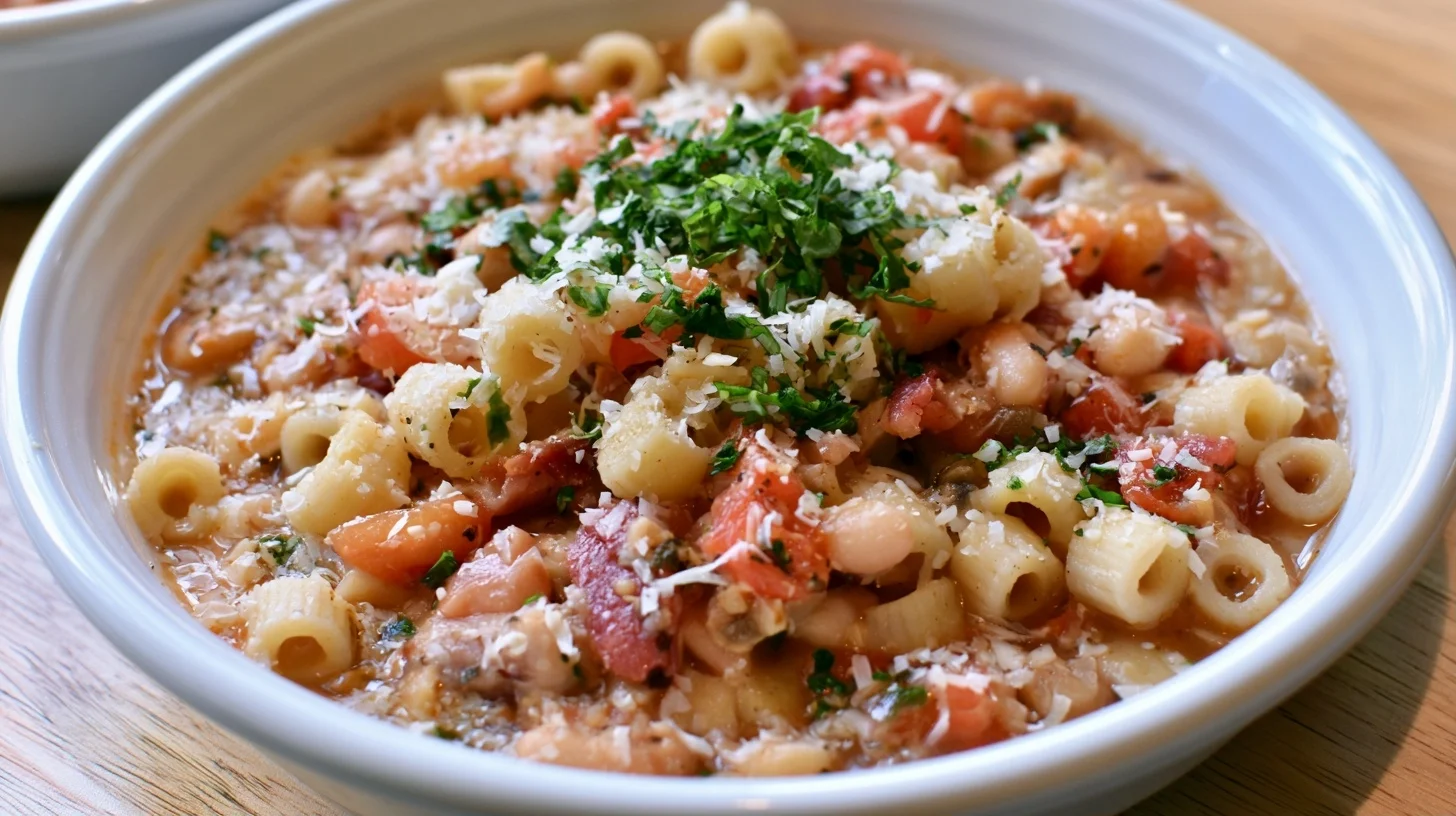
Table of contents
- Why You Will Love This Pasta Fagioli Recipe
- Essential Tools for Making Pasta Fagioli
- How to Make the Best Pasta Fagioli Recipe from Scratch
- How to Get Rich, Creamy Pasta Fagioli Every Time
- Common Mistakes That Ruin Pasta Fagioli Recipe
- Delicious Ways to Customize Your Pasta Fagioli Recipe
- Nutrition in Every Bowl of Pasta Fagioli Recipe
- How to Serve Pasta Fagioli
- How to Store and Reheat Pasta Fagioli
- Frequently Asked Questions about Pasta Fagioli Recipe
Why You Will Love This Pasta Fagioli Recipe
- The broth thickens naturally as the beans break down, creating a creamy texture without any dairy.
- It uses affordable pantry ingredients and feeds a crowd for under ten dollars.
- The flavor deepens overnight, making it an ideal make-ahead meal for busy weeks.
- It’s endlessly adaptable—swap the pasta shape, use different beans, or add greens without losing the soul of the dish.
Essential Tools for Making Pasta Fagioli
This soup comes together in one pot, but the right tools make the process smoother and help you control texture and flavor more precisely.
- Large heavy-bottomed pot or Dutch oven: The wide surface area allows vegetables to soften evenly without steaming, and the heavy base prevents scorching when the soup thickens.
- Wooden spoon or silicone spatula: Use this to scrape up the browned bits from the bottom of the pot after sautéing, which adds deep savory flavor to the broth.
- Potato masher or fork: Mashing a portion of the beans directly in the pot releases their starches and creates the signature creamy consistency without blending.
- Ladle: A deep ladle helps you serve the soup with an even distribution of pasta, beans, and broth in every bowl.
How to Make the Best Pasta Fagioli Recipe from Scratch
Pasta Fagioli
6
servings10
minutes30
minutes280
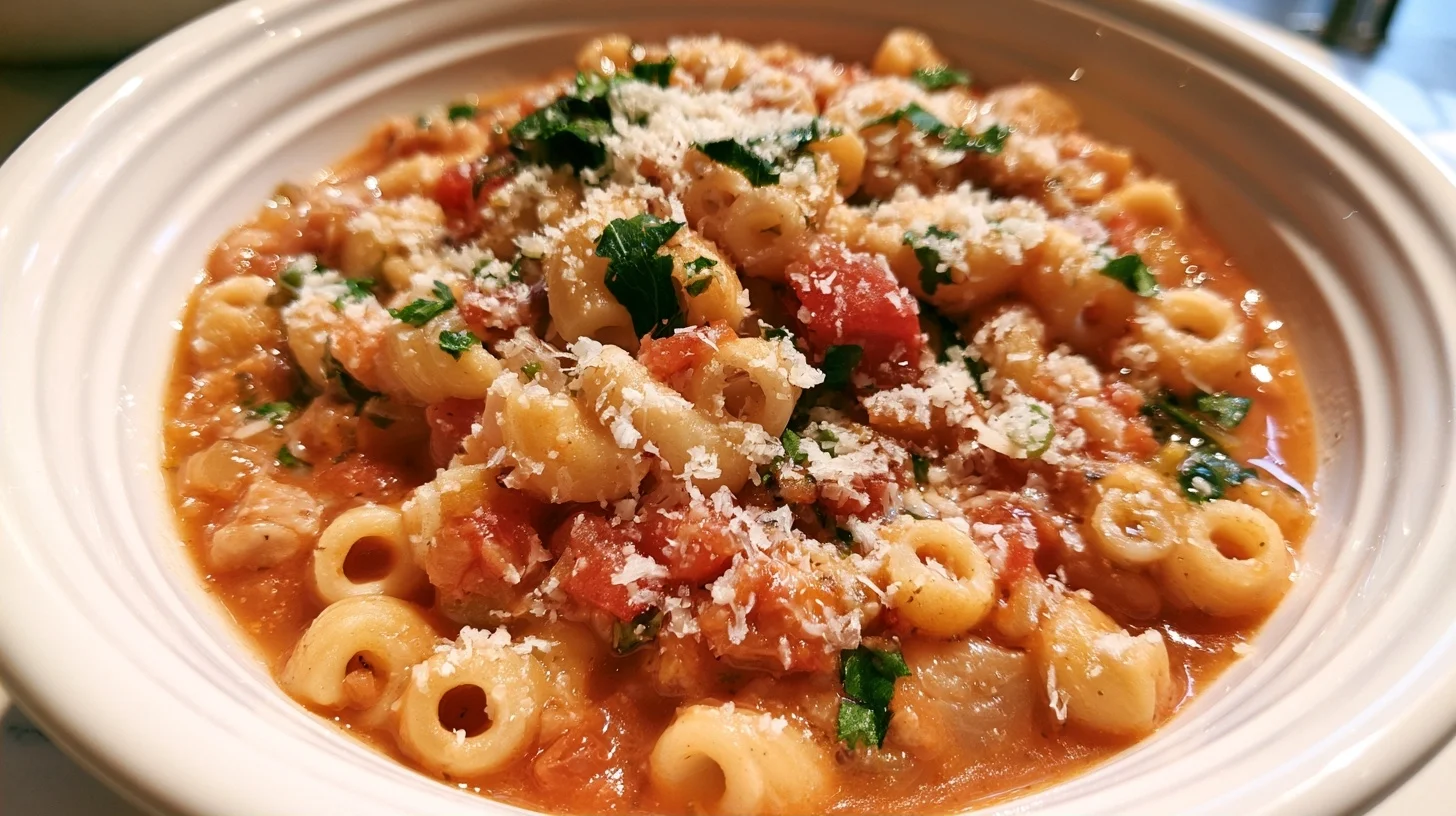
kcalThis pasta fagioli brings together tender beans, small pasta, and a rich tomato broth in one comforting bowl. The beans are partially mashed to thicken the soup naturally, creating a creamy texture without any cream. It’s a hearty, budget-friendly meal that tastes even better the next day.
Keep the screen of your device on
Ingredients
2 tablespoons extra virgin olive oil
1 medium yellow onion
2 medium carrots
2 stalks celery
4 cloves garlic
1 can (15 oz) cannellini beans
1 can (15 oz) kidney beans
1 can (15 oz) crushed tomatoes
4 cups low-sodium chicken broth
1 teaspoon dried oregano
1 teaspoon dried basil
1 cup ditalini pasta
Directions
- Heat the olive oil in a large Dutch oven or heavy-bottomed pot over medium heat. Add the diced onion, carrots, and celery, and cook for 6 to 8 minutes, stirring occasionally, until the vegetables soften and the onion turns translucent. This builds a sweet, aromatic base that balances the acidity of the tomatoes.
- Add the minced garlic and cook for 30 seconds, stirring constantly, until fragrant. Be careful not to let the garlic brown, as it will turn bitter.
- Stir in the crushed tomatoes, chicken broth, oregano, and basil. Season with salt and pepper to taste. Bring the mixture to a simmer, then reduce the heat to medium-low.
- Add the drained beans to the pot and simmer for 10 minutes, stirring occasionally. The beans will begin to soften and absorb the flavors of the broth.
- Use a potato masher or the back of a wooden spoon to crush about one-third of the beans directly in the pot. This releases their starches and thickens the broth, giving the soup a creamy, cohesive texture without any cream.
- Continue simmering the soup for another 10 minutes, stirring occasionally, until the broth has thickened slightly and the flavors have melded together. Taste and adjust the seasoning with more salt and pepper if needed.
Notes
- Mashing about one-third of the beans directly in the pot releases their starches, which thickens the broth naturally and creates a creamy texture without any flour or cream.
- If the soup thickens too much after sitting, stir in a splash of broth or water while reheating until you reach your desired consistency.
- Store the cooked pasta separately from the soup to prevent it from absorbing too much liquid and becoming mushy, especially for leftovers.
Nutrition Facts
- Serving Size: 1 g
- Total number of serves: 6
- Calories: 280kcal
- Fat: 6g
- Carbohydrates: 42g
- Fiber: 8g
- Protein: 12g
Did you make this recipe?
Tag @therecipemasterblog on Instagram and hashtag it with #therecipemaster
Like this recipe?
Follow @therecipemasterblog on Pinterest
Follow us on Facebook!
Follow The Recipe Master on Facebook
How to Get Rich, Creamy Pasta Fagioli Every Time
The secret to restaurant-quality pasta fagioli is building flavor in layers and controlling the broth’s texture. These techniques ensure every spoonful is thick, savory, and satisfying.
Sauté the Vegetables Until They’re Soft and Sweet
Cook the onions, carrots, and celery over medium heat until they soften and the onions turn translucent, which usually takes about 6 to 8 minutes. This step draws out natural sugars and creates a sweet, aromatic base that balances the acidity of the tomatoes. Rushing this step leaves the vegetables with a raw, sharp flavor that never fully mellows in the broth.
Mash Some of the Beans to Thicken the Broth Naturally
After the soup has simmered for about 10 minutes, use a potato masher or the back of a wooden spoon to crush about one-third of the beans directly in the pot. The starches released from the beans thicken the broth and give it a creamy, cohesive texture without any cream or flour. This technique is what transforms a thin vegetable soup into a hearty, stick-to-your-ribs meal.
Cook the Pasta Separately to Control Texture
While it’s tempting to cook the pasta directly in the soup, doing so releases excess starch that can make the broth gummy and cause the pasta to absorb too much liquid if stored overnight. Instead, cook the pasta separately in salted water until just al dente, then stir it into individual bowls at serving time. This keeps the pasta firm and the broth at the right consistency, especially for leftovers.
Add Fresh Herbs at the End for Brightness
Stir in fresh parsley or basil just before serving to add a pop of color and a bright, herbaceous note that cuts through the richness of the beans and tomatoes. Dried herbs build the foundation during cooking, but fresh herbs at the finish bring the dish to life and make it taste vibrant rather than heavy.
Use Quality Canned Beans and Rinse Them Well
Canned beans are a time-saver, but the liquid they’re packed in can taste metallic and overly salty. Drain and rinse the beans under cold water before adding them to the pot. This removes excess sodium and any off-flavors, letting the beans taste clean and creamy. For even better texture, use one can of cannellini beans and one can of kidney beans to add variety and visual interest.
Common Mistakes That Ruin Pasta Fagioli Recipe
Adding the Pasta Too Early
When pasta cooks directly in the soup for too long, it continues to absorb liquid even after you turn off the heat. This leaves you with mushy pasta and a soup that’s more like a thick stew by the next day. To prevent this, cook the pasta separately and add it to each bowl right before serving. If you’re meal prepping, store the cooked pasta in a separate container and mix it in when you reheat individual portions.
Skipping the Sauté Step
Dumping all the ingredients into the pot at once might save a few minutes, but it costs you flavor. Sautéing the vegetables in olive oil until they soften and begin to caramelize builds a savory foundation that raw vegetables can’t provide. The garlic, in particular, needs to bloom in the hot oil for about 30 seconds to release its aroma without turning bitter. This step is non-negotiable for a soup that tastes rich and complex.
Using Too Much Liquid
Pasta fagioli should be thick enough to coat a spoon, not watery like a broth-based soup. If you add too much stock at the beginning, the soup will taste diluted and lack body. Start with the amount called for in the recipe, then add more liquid only if needed after the beans have had a chance to break down and thicken the broth. You can always thin it out, but you can’t easily thicken it once it’s too loose.
Forgetting to Season in Layers
Seasoning only at the end leaves the soup tasting flat. Add salt and pepper after sautéing the vegetables, again after adding the tomatoes, and once more after the beans have simmered. This builds depth and allows each ingredient to taste seasoned on its own. Taste the soup before serving and adjust with a pinch of salt or a splash of red wine vinegar if it needs brightness.
Delicious Ways to Customize Your Pasta Fagioli Recipe
Make It Heartier with Italian Sausage
Brown half a pound of Italian sausage (sweet or spicy) in the pot before adding the vegetables. Remove the sausage, sauté the vegetables in the rendered fat, then return the sausage to the pot with the beans and broth. This adds savory depth and turns the soup into a more substantial meal without changing the cooking method.
Add Greens for Extra Nutrition
Stir in a few handfuls of chopped kale, spinach, or escarole during the last 5 minutes of simmering. The greens wilt into the soup and add color, texture, and a slightly bitter contrast to the sweet tomatoes and creamy beans. Escarole is traditional in Italian versions and holds up well without turning mushy.
Swap the Pasta Shape
While ditalini is the classic choice, you can use any small pasta shape that fits on a spoon. Elbow macaroni, small shells, or even broken spaghetti work well. Just make sure the pasta is small enough to eat comfortably in a spoonful of soup without needing to cut it.
Make It Vegetarian or Vegan
Use vegetable broth instead of chicken broth and skip the Parmesan garnish, or replace it with nutritional yeast for a cheesy flavor. The soup is naturally hearty enough that you won’t miss the meat, especially if you add extra vegetables like zucchini or bell peppers.
Try a Slow Cooker or Instant Pot Version
For a slow cooker, sauté the vegetables on the stovetop first, then transfer everything except the pasta to the slow cooker and cook on low for 6 to 8 hours. For an Instant Pot, sauté directly in the pot using the sauté function, then pressure cook on high for 10 minutes. In both cases, cook the pasta separately and stir it in at the end to avoid overcooking.
Nutrition in Every Bowl of Pasta Fagioli Recipe
Pasta fagioli is a balanced meal that delivers protein, fiber, and complex carbohydrates in every serving. The beans provide plant-based protein and soluble fiber, which help keep you full and support steady energy levels throughout the day. A typical serving contains around 280 calories, 12 grams of protein, and 8 grams of fiber, making it a satisfying choice that won’t weigh you down.
The soup is naturally low in fat, especially if you use a moderate amount of olive oil and skip the sausage. The tomatoes add vitamin C and lycopene, while the carrots and celery contribute vitamin A and potassium. If you’re watching sodium, use low-sodium broth and canned beans, and season with herbs and garlic instead of relying heavily on salt.
Because the soup is mostly vegetables and beans with a modest amount of pasta, it’s a filling meal that fits into a variety of eating styles, from Mediterranean to plant-forward diets. You can easily adjust the portion of pasta to suit your carb preferences without losing the soup’s comforting, hearty character.
How to Serve Pasta Fagioli
Serve pasta fagioli in deep bowls with a generous drizzle of extra virgin olive oil and a sprinkle of freshly grated Parmesan or Pecorino Romano. The cheese adds a salty, nutty richness that complements the creamy beans and tangy tomatoes. For a more rustic presentation, top each bowl with a few torn basil leaves or a pinch of red pepper flakes for heat.
Pair the soup with crusty Italian bread or garlic bread for dipping into the thick broth. A simple green salad with lemon vinaigrette balances the richness of the soup and adds a fresh, crisp contrast. For a heartier meal, serve it alongside a Caesar salad or a platter of roasted vegetables.
This soup also works beautifully as a make-ahead lunch. Pack it in individual containers with the pasta stored separately, then combine and reheat when you’re ready to eat. The flavors deepen overnight, making day-two bowls even more delicious than the first.
How to Store and Reheat Pasta Fagioli
Store leftover pasta fagioli in an airtight container in the refrigerator for up to 4 days. If possible, store the cooked pasta separately from the soup to prevent it from absorbing too much liquid and becoming mushy. When you’re ready to eat, reheat the soup on the stovetop over medium heat, adding a splash of broth or water if it has thickened too much. Stir in the pasta during the last minute of reheating.
To freeze pasta fagioli, let it cool completely, then transfer it to freezer-safe containers or heavy-duty freezer bags, leaving about an inch of space at the top for expansion. Freeze for up to 3 months. Thaw overnight in the refrigerator, then reheat gently on the stovetop, stirring occasionally. The texture of the beans and vegetables holds up well in the freezer, though the pasta is best added fresh after reheating.
If the soup has thickened significantly after storage, don’t worry—this is normal as the beans and pasta continue to absorb liquid. Simply stir in a bit of broth or water while reheating until you reach your desired consistency. Taste and adjust the seasoning with a pinch of salt or a squeeze of lemon juice to brighten the flavors.
Frequently Asked Questions about Pasta Fagioli Recipe
Yes, you can use dried beans, but they need to be soaked overnight and cooked until tender before adding them to the soup. This adds about 1 to 2 hours to the total cooking time. Canned beans are faster and work just as well for this recipe.
Your soup is too watery if you added too much broth or didn’t mash enough of the beans to release their starches. To fix it, simmer the soup uncovered for 10 to 15 minutes to reduce the liquid, or mash more beans with a potato masher to thicken the broth naturally.
Pasta fagioli focuses on beans and pasta in a thick, creamy tomato broth, while minestrone is a lighter vegetable soup with a wider variety of vegetables and sometimes rice or pasta. Pasta fagioli is heartier and more bean-forward, while minestrone is more vegetable-driven.
Yes, pasta fagioli is an excellent make-ahead meal. Prepare the soup base and store it in the refrigerator for up to 4 days. Cook the pasta separately and add it to individual bowls when reheating to keep the pasta from getting mushy. The flavor actually improves after a day or two.







Leave a Reply