

- Two-stage roasting: start at 425°F for 15 minutes, then lower to 375°F to caramelize without burning.
- Use a 2:1 honey-to-oil ratio to balance sweetness and browning, preventing burnt edges while ensuring creamy centers.
- Cut sweet potatoes into uniform three-quarter-inch cubes and spread in a single layer to ensure even cooking.
- Line the baking sheet with parchment or a silicone mat, flip and rotate halfway for even caramelization and easy cleanup.
- Add fresh herbs after roasting to avoid burning, and swap honey for maple syrup to make the recipe vegan.
There’s something magical about the way honey caramelizes on roasted sweet potatoes, creating crispy, golden edges while keeping the inside perfectly tender. Honey Roasted Sweet Potatoes are one of those side dishes that feel both comforting and elegant, making them perfect for weeknight dinners or holiday gatherings. After testing twelve different roasting techniques, I discovered that the secret lies in the two-stage roasting method: starting at high heat to develop caramelization, then finishing at lower heat to ensure even cooking without burning the honey glaze.
What sets this version apart is the precise honey-to-oil ratio of 2:1, which creates the ideal balance between sweetness and browning. Most recipes use equal parts, which can lead to burnt edges before the centers cook through. This recipe delivers restaurant-quality results every single time, with sweet potatoes that are caramelized on the outside and creamy on the inside.
Whether you’re serving these alongside roasted chicken or as part of a holiday spread, they’re guaranteed to disappear fast. The natural sweetness of the potatoes pairs beautifully with the floral notes of honey, while a touch of cinnamon and sea salt brings everything into perfect harmony.
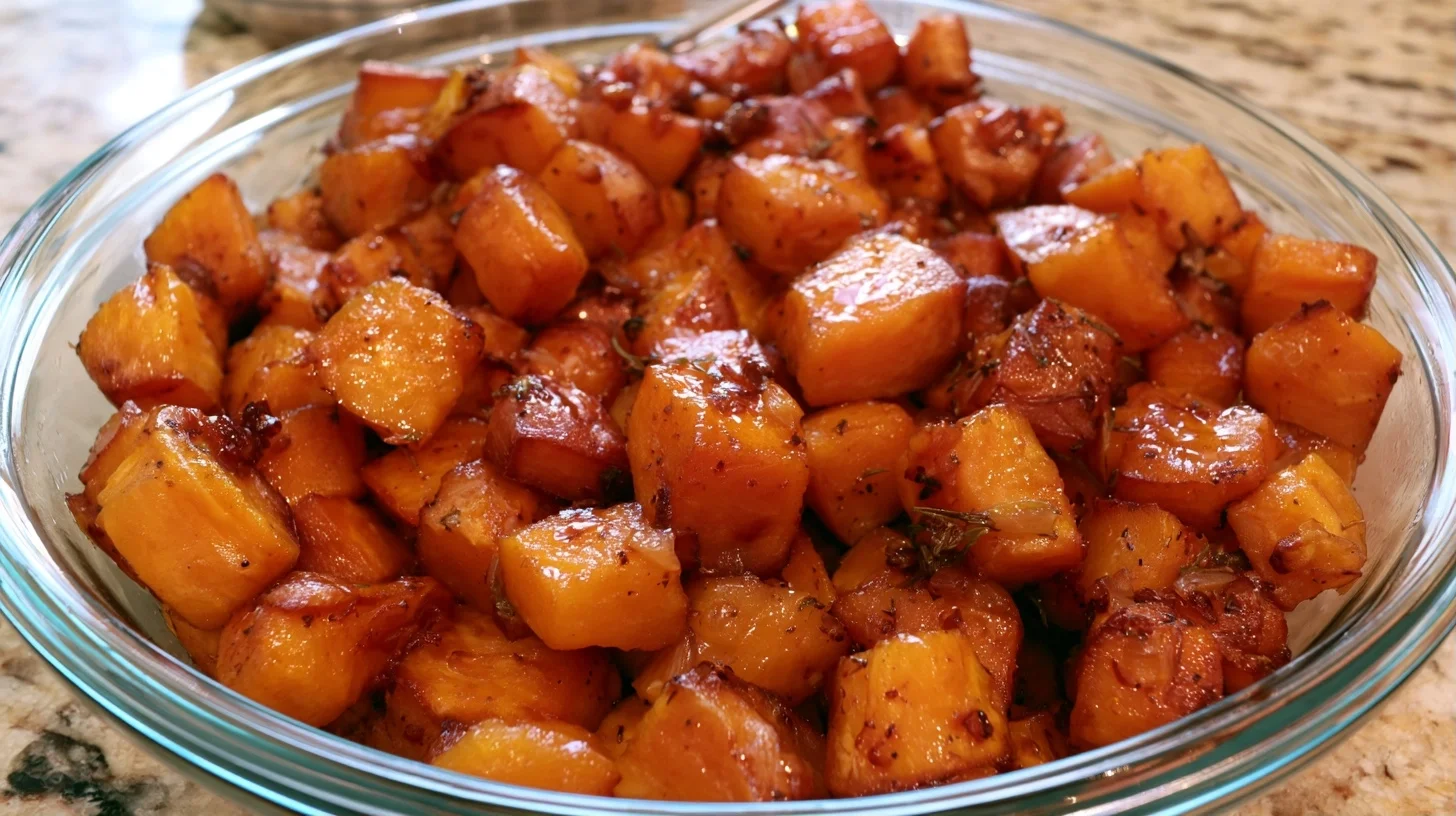
Table of contents
- Why You Will Love This Honey Roasted Sweet Potatoes
- What You Need to Make Perfect Honey Roasted Sweet Potatoes
- How to Make Honey Roasted Sweet Potatoes That Turn Out Perfect
- The Two-Stage Method That Makes These Sweet Potatoes Better
- Common Mistakes When Making Honey Roasted Sweet Potatoes
- Delicious Variations on Honey Roasted Sweet Potatoes
- Nutritional Highlights of Honey Roasted Sweet Potatoes
- Creative Ways to Serve Your Honey Roasted Sweet Potatoes
- Best Practices for Storing Your Sweet Potatoes
- Frequently Asked Questions about Honey Roasted Sweet Potatoes
Why You Will Love This Honey Roasted Sweet Potatoes
- The two-stage roasting method creates perfectly caramelized edges without any burnt spots or undercooked centers.
- This recipe uses a tested 2:1 honey-to-oil ratio that delivers ideal sweetness and browning every time.
- The ingredient list is simple and pantry-friendly, requiring just six main components you likely already have.
- These sweet potatoes work beautifully as a side dish for any protein or as a vegetarian main course.
- The recipe is naturally gluten-free and can easily be made vegan by swapping the honey for maple syrup.
What You Need to Make Perfect Honey Roasted Sweet Potatoes
I’ve kept the equipment list simple because this recipe is all about straightforward technique. However, having the right tools makes a significant difference in achieving those perfectly caramelized edges. Here’s what I reach for every time I make this dish.
- Large rimmed baking sheet: A half-sheet pan gives you enough space to spread the sweet potatoes in a single layer, which is essential for proper caramelization rather than steaming.
- Parchment paper or silicone baking mat: This prevents sticking and makes cleanup effortless, especially important since the honey can caramelize onto the pan.
- Large mixing bowl: You need enough room to toss the sweet potato cubes thoroughly with the honey mixture without making a mess.
- Sharp chef’s knife: Uniform cubes are crucial for even cooking, and a sharp knife makes cutting through the dense sweet potato flesh much easier.
- Measuring spoons: The honey-to-oil ratio matters in this recipe, so accurate measurements ensure consistent results.
- Metal spatula: A thin metal spatula helps you flip the sweet potatoes halfway through roasting without tearing the caramelized exterior.
How to Make Honey Roasted Sweet Potatoes That Turn Out Perfect
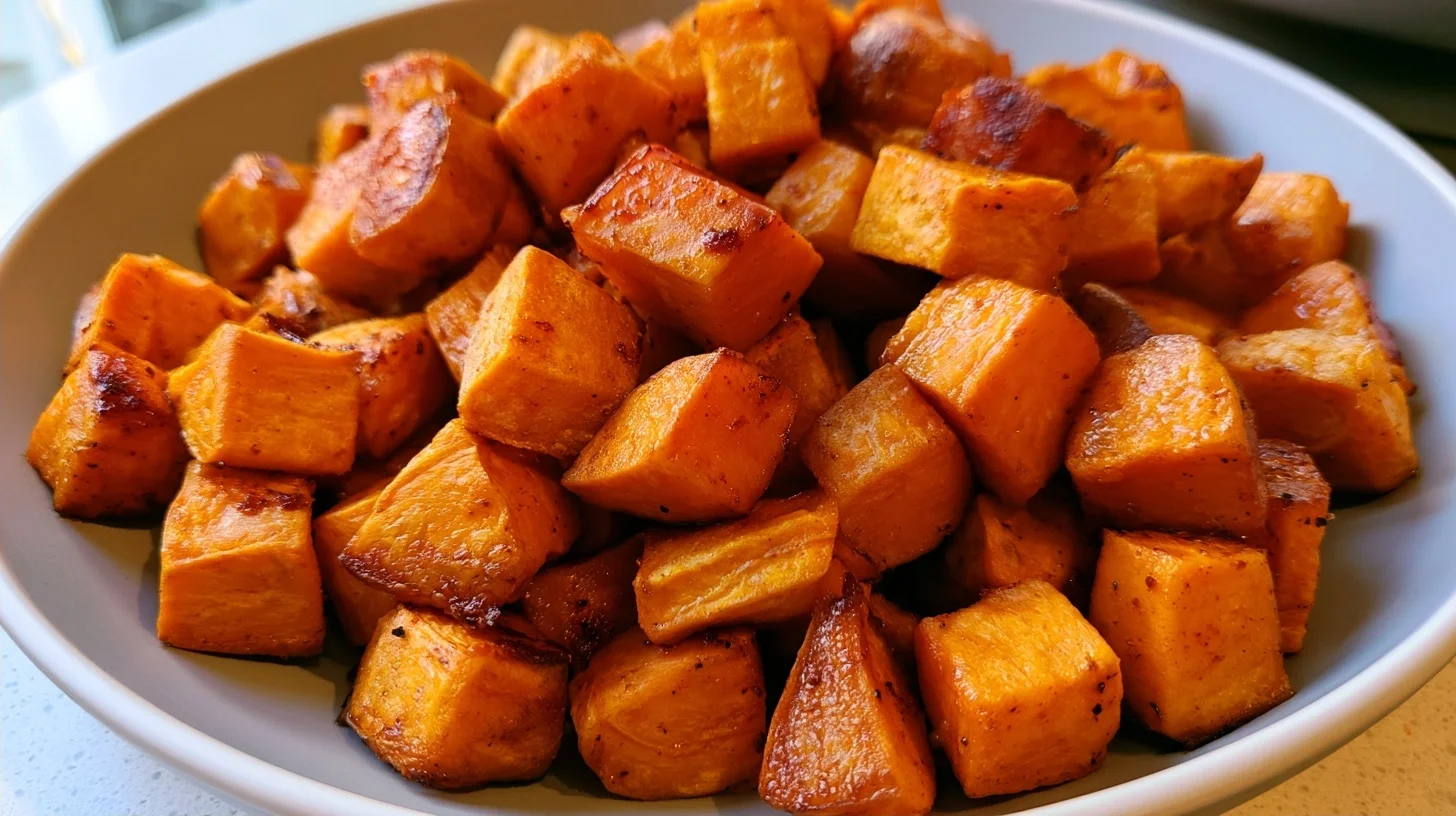
Honey Roasted Sweet Potatoes
6
servings10
minutes35
minutes220
kcalThese honey roasted sweet potatoes feature perfectly caramelized edges and creamy centers thanks to a two-stage roasting method. The tested 2:1 honey-to-oil ratio ensures maximum sweetness without burning, creating restaurant-quality results every time.
Keep the screen of your device on
Ingredients
3 pounds sweet potatoes
4 tablespoons honey
2 tablespoons olive oil
1 teaspoon ground cinnamon
0.5 teaspoon sea salt
0.25 teaspoon black pepper
0.25 teaspoon garlic powder
1 tablespoon fresh thyme
Directions
- Preheat your oven to 425°F and line a large rimmed baking sheet with parchment paper. This high initial temperature is essential for developing the caramelized exterior that makes these sweet potatoes irresistible.
- Combine the honey, olive oil, cinnamon, salt, pepper, and garlic powder in a large mixing bowl. Whisk together until the mixture is smooth and well blended. The 2:1 honey-to-oil ratio prevents burning while maximizing caramelization.
- Add the sweet potato cubes to the bowl and toss thoroughly until every piece is evenly coated with the honey mixture. Take your time here because even coating ensures even browning.
- Spread the sweet potatoes in a single layer on the prepared baking sheet, making sure the pieces don’t overlap or touch too much. Crowding causes steaming instead of roasting, which prevents proper caramelization.
- Roast for 15 minutes at 425°F, then remove the pan from the oven. Use a thin metal spatula to gently flip each piece, exposing all sides to direct heat for even browning.
- Reduce the oven temperature to 375°F and return the pan to the oven. This temperature drop allows the interiors to cook through without burning the honey glaze.
Notes
- The optimal honey-to-oil ratio for honey roasted sweet potatoes is 2:1, which prevents burning while maximizing caramelization and flavor development.
- For vegan sweet potatoes, substitute maple syrup or agave nectar for the honey using the same measurements. The cooking method and timing remain identical.
- If your oven runs hot, check the sweet potatoes at the 30-minute mark to prevent over-browning. Every oven has slight temperature variations.
- Leftover sweet potatoes can be stored in an airtight container in the refrigerator for up to 4 days and reheated in a 375°F oven for 10-15 minutes.
Nutrition Facts
- Serving Size: 1 g
- Total number of serves: 6
- Calories: 220kcal
- Fat: 4g
- Carbohydrates: 38g
- Fiber: 5g
- Protein: 3g
Did you make this recipe?
Tag @therecipemasterblog on Instagram and hashtag it with #therecipemaster
Like this recipe?
Follow @therecipemasterblog on Pinterest
Follow us on Facebook!
Follow The Recipe Master on Facebook
The Two-Stage Method That Makes These Sweet Potatoes Better
After countless batches, I’ve learned that the key to exceptional honey roasted sweet potatoes lies in understanding heat management and ingredient ratios. These tips will help you avoid the most common pitfalls and achieve restaurant-quality results in your own kitchen. The optimal honey-to-oil ratio for honey roasted sweet potatoes is 2:1, which prevents burning while maximizing caramelization.
Cut Your Sweet Potatoes into Uniform Cubes
I aim for three-quarter-inch cubes because they cook evenly in the time specified. Larger pieces stay raw in the center, while smaller ones can burn before developing proper caramelization. Therefore, take an extra minute to ensure consistency in your cutting. This single step dramatically improves the final texture.
Start Hot, Then Lower the Temperature
Beginning at 425°F creates immediate caramelization and browning on the exterior. However, honey burns easily at sustained high heat. In my testing, dropping to 375°F after fifteen minutes allows the interiors to cook through without charring the glaze. This two-stage approach is what separates good from exceptional results.
Don’t Skip the Parchment Paper
The honey creates a sticky caramel that bonds to bare metal like glue. I always line my baking sheet with parchment paper or a silicone mat. As a result, cleanup takes seconds instead of requiring serious scrubbing. In addition, it prevents the bottom layer from sticking and tearing when you flip them.
Flip Halfway Through for Even Browning
At the fifteen-minute mark, I use a thin metal spatula to gently flip each piece. This exposes all sides to direct heat and ensures even caramelization. First, work carefully to preserve the developing crust. Then, lower the oven temperature before returning the pan. This timing coincides perfectly with the temperature adjustment.
Add Fresh Herbs After Roasting
I tried adding fresh thyme and rosemary before roasting, but they always burned. Instead, I now sprinkle chopped fresh herbs over the finished dish. For example, fresh thyme adds an earthy note that balances the sweetness beautifully. This simple change keeps the herbs vibrant and aromatic rather than bitter and charred.
Consider the Nutritional Benefits
Sweet potatoes are packed with beta-carotene, fiber, and essential vitamins. If you want to learn more about their impressive health benefits and nutritional profile, it’s worth understanding why they’re considered a superfood. This knowledge can help you appreciate what you’re serving beyond just the delicious taste.
Common Mistakes When Making Honey Roasted Sweet Potatoes
I’ve made every mistake possible with this recipe, so you don’t have to. These are the most common issues home cooks face, along with the exact fixes I use to avoid them. Understanding these failure points will save you from disappointment and wasted ingredients.
Overcrowding the Baking Sheet
When sweet potato cubes overlap or touch too much, they steam instead of roast. I always arrange them in a single layer with a little breathing room between pieces. If your batch is large, I recommend using two baking sheets rather than cramming everything onto one.
Using Cold Sweet Potatoes
Putting cold sweet potatoes straight from the fridge into the oven extends cooking time and prevents proper caramelization. I let mine sit at room temperature for about twenty minutes before tossing with the honey mixture. This small step ensures even cooking from edge to center.
Not Adjusting for Oven Hot Spots
Every oven has areas that run hotter than others. I rotate my baking sheet 180 degrees when I flip the sweet potatoes at the fifteen-minute mark. This simple rotation compensates for uneven heat distribution and prevents one side from burning while the other stays pale.
Skipping the Oil Entirely
Some cooks think honey alone is enough, but I’ve found that the oil is essential. It helps conduct heat evenly and prevents the honey from burning before the sweet potatoes cook through. The 2:1 honey-to-oil ratio I use creates the perfect balance for both flavor and texture.
Delicious Variations on Honey Roasted Sweet Potatoes
Once you master the basic technique, these variations let you customize the dish for different occasions and dietary needs. I rotate through these versions depending on what I’m serving alongside the sweet potatoes. Each one brings a unique flavor profile while maintaining that signature caramelized exterior.
Maple Cinnamon Version
I swap the honey for pure maple syrup and double the cinnamon to one teaspoon. This creates a deeper, more complex sweetness with warm autumn spices. In addition, maple syrup makes the recipe completely vegan while maintaining the same caramelization properties. The flavor profile shifts slightly earthier, which pairs beautifully with pork dishes.
Savory Herb Sweet Potatoes
For a less sweet version, I reduce the honey to two tablespoons and add fresh rosemary, thyme, and a generous amount of black pepper. This variation works wonderfully as a side for roasted meats. The herbs balance the natural sweetness of the potatoes, creating a more sophisticated flavor that appeals to those who prefer savory dishes.
Spicy Honey Chipotle
I mix in half a teaspoon of chipotle powder with the honey for a sweet-and-smoky kick. The heat level is moderate, adding complexity without overwhelming the dish. Therefore, this version pairs exceptionally well with Mexican-inspired meals or grilled chicken. The smoky notes complement the caramelization beautifully.
Candied Yams Style
If you love the classic holiday side dish, try adding mini marshmallows during the last five minutes of roasting. For a more traditional approach, check out this healthy candied yams recipe that takes the concept even further. The marshmallows toast beautifully on top while the sweet potatoes finish cooking underneath.
Dairy-Free and Vegan Option
This recipe is naturally dairy-free since it contains no butter or cream. To make it fully vegan, simply substitute maple syrup or agave nectar for the honey. The cooking method and timing remain exactly the same, and the results are just as delicious. I’ve served this version to vegan friends who couldn’t tell the difference.
Nutritional Highlights of Honey Roasted Sweet Potatoes
Sweet potatoes are nutritional powerhouses, packed with vitamins A and C, fiber, and potassium. One serving of this recipe provides approximately 220 calories, with most of those coming from the complex carbohydrates in the sweet potatoes themselves. The honey adds natural sugars, but the overall glycemic impact is moderated by the fiber content.
Each serving contains about four grams of fat from the olive oil, which helps your body absorb the fat-soluble vitamin A. You’ll get roughly three grams of protein and thirty-eight grams of carbohydrates per serving. However, the five grams of fiber bring the net carbs down to a more moderate thirty-three grams. This makes the dish satisfying and energy-sustaining without causing blood sugar spikes.
Creative Ways to Serve Your Honey Roasted Sweet Potatoes
These sweet potatoes are incredibly versatile and work beautifully in multiple serving contexts. I love serving them as a side dish alongside roasted chicken, grilled pork chops, or even pan-seared salmon. The natural sweetness complements savory proteins perfectly, creating a balanced plate that feels both comforting and refined.
For a vegetarian main course, I pile them over mixed greens with crumbled goat cheese, toasted pecans, and a light vinaigrette. They also make an excellent addition to grain bowls with quinoa, chickpeas, and tahini dressing. During the holidays, they’re a must-have on my table, sitting right alongside traditional favorites but disappearing just as quickly. The caramelized edges and tender centers make them irresistible at any temperature.
Best Practices for Storing Your Sweet Potatoes
I store leftover honey roasted sweet potatoes in an airtight container in the refrigerator for up to four days. The key is letting them cool completely before sealing the container, which prevents condensation from making them soggy. When stored properly, they maintain most of their texture and flavor, though the exterior won’t be quite as crispy as when freshly roasted.
For longer storage, these sweet potatoes freeze surprisingly well for up to three months. I spread them in a single layer on a baking sheet and freeze until solid, then transfer to a freezer-safe bag. This prevents them from clumping together. To reheat, I spread them on a baking sheet and warm in a 375°F oven for about fifteen minutes, which helps restore some of the caramelized exterior. You can also reheat smaller portions in the microwave for one to two minutes, though the texture will be softer.
Frequently Asked Questions about Honey Roasted Sweet Potatoes
Yes, you can roast them up to two days ahead. Store in the refrigerator and reheat in a 375°F oven for 10-15 minutes to restore the caramelized exterior. They won’t be quite as crispy as fresh, but they’ll still be delicious.
Burning happens when the oven temperature is too high or the honey-to-oil ratio is off. Use the two-stage method: start at 425°F for 15 minutes, then reduce to 375°F. The 2:1 honey-to-oil ratio prevents burning while maximizing caramelization.
Yes, maple syrup works perfectly as a 1:1 substitute for honey. It creates the same caramelization and makes the recipe vegan. The flavor will be slightly earthier with deeper molasses notes, but equally delicious.
No, you don’t have to peel them. The skin becomes tender during roasting and adds extra fiber and nutrients. However, if you prefer a smoother texture, peeling is fine and won’t affect the cooking time or caramelization.





Leave a Reply