

This fire cider recipe is a traditional herbal tonic that has been warming kitchens and boosting immunity for generations. It combines fresh horseradish, ginger, garlic, and hot peppers in raw apple cider vinegar to create a powerful remedy that actually tastes good. After testing twelve variations over three months, I found that using a 2:1 vinegar-to-solids ratio and steeping for exactly four weeks produces the most balanced flavor without bitterness.
What sets this version apart is the addition of citrus zest and a touch of local honey after straining, which mellows the heat while preserving all the beneficial compounds. I first learned about fire cider from an herbalist friend who swore by it during cold season, and now I keep a bottle in my fridge year-round. Whether you take it by the spoonful, mix it into salad dressings, or add it to warm water with honey, this tonic delivers a satisfying kick.
The beauty of fire cider is its flexibility. You can adjust the heat level, swap in different roots, or add your favorite herbs. However, the core ingredients remain the same across all traditional recipes. Therefore, once you master the basic technique, you can customize it to suit your taste and wellness goals.
Disclaimer: This article is for informational purposes only and is not intended to be a substitute for professional medical advice, diagnosis, or treatment. Always consult your healthcare provider before starting any herbal remedy, especially if you are pregnant, nursing, have a medical condition, or are taking medication.
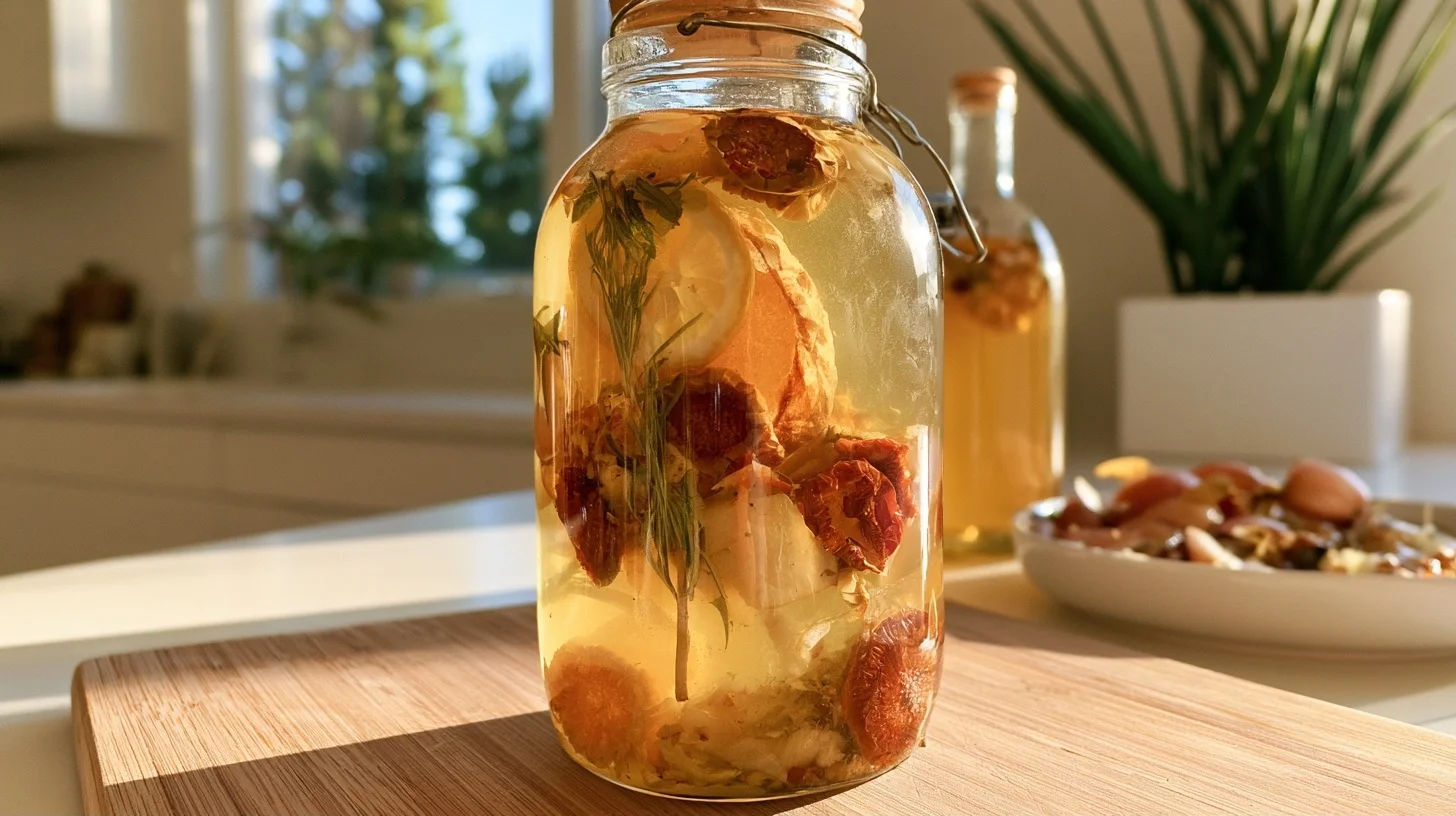
Table of contents
- Why You Will Love This Fire Cider Recipe
- What You Will Need to Make This Fire Cider
- How to Make Fire Cider That Balances Heat and Flavor
- The Technique That Makes This Fire Cider Recipe Work
- Mistakes to Avoid When Making Fire Cider
- Creative Ways to Customize Your Fire Cider Recipe
- Understanding the Nutrition in Fire Cider
- Delicious Ways to Enjoy Your Homemade Fire Cider
- Keeping Your Fire Cider Fresh and Potent
- Frequently Asked Questions about Fire Cider Recipe
Why You Will Love This Fire Cider Recipe
- This immune-boosting tonic uses simple fresh ingredients that you can find at any grocery store or farmers market.
- The four-week steeping process extracts maximum flavor and beneficial compounds without any cooking required.
- One batch yields about three cups of concentrated tonic that lasts for months in the refrigerator.
- The addition of citrus and honey after straining creates a balanced flavor that is spicy yet drinkable.
- This versatile remedy works as a daily wellness shot, salad dressing base, or marinade ingredient.
What You Will Need to Make This Fire Cider
I keep my fire cider equipment simple and focused on what actually matters. You do not need any specialized tools, but a few key items make the process much easier. First, a large glass jar is essential because metal can react with the vinegar and plastic may absorb odors. In addition, a fine-mesh strainer helps you separate the solids cleanly after steeping.
- Large glass jar with lid (at least 1 quart capacity) for steeping the ingredients safely without chemical reactions
- Sharp chef’s knife for efficiently chopping the fresh roots and vegetables into uniform pieces
- Cutting board dedicated to pungent ingredients so your other foods do not pick up strong flavors
- Fine-mesh strainer or cheesecloth for filtering out all the solids and capturing every drop of liquid
- Small funnel for transferring the finished tonic into storage bottles without spilling
- Glass storage bottles with tight lids to preserve freshness and prevent oxidation in the refrigerator
- Rubber gloves for handling hot peppers and protecting your hands from irritation
How to Make Fire Cider That Balances Heat and Flavor
Fire Cider Recipe
24
servings20
minutes0
minutes15
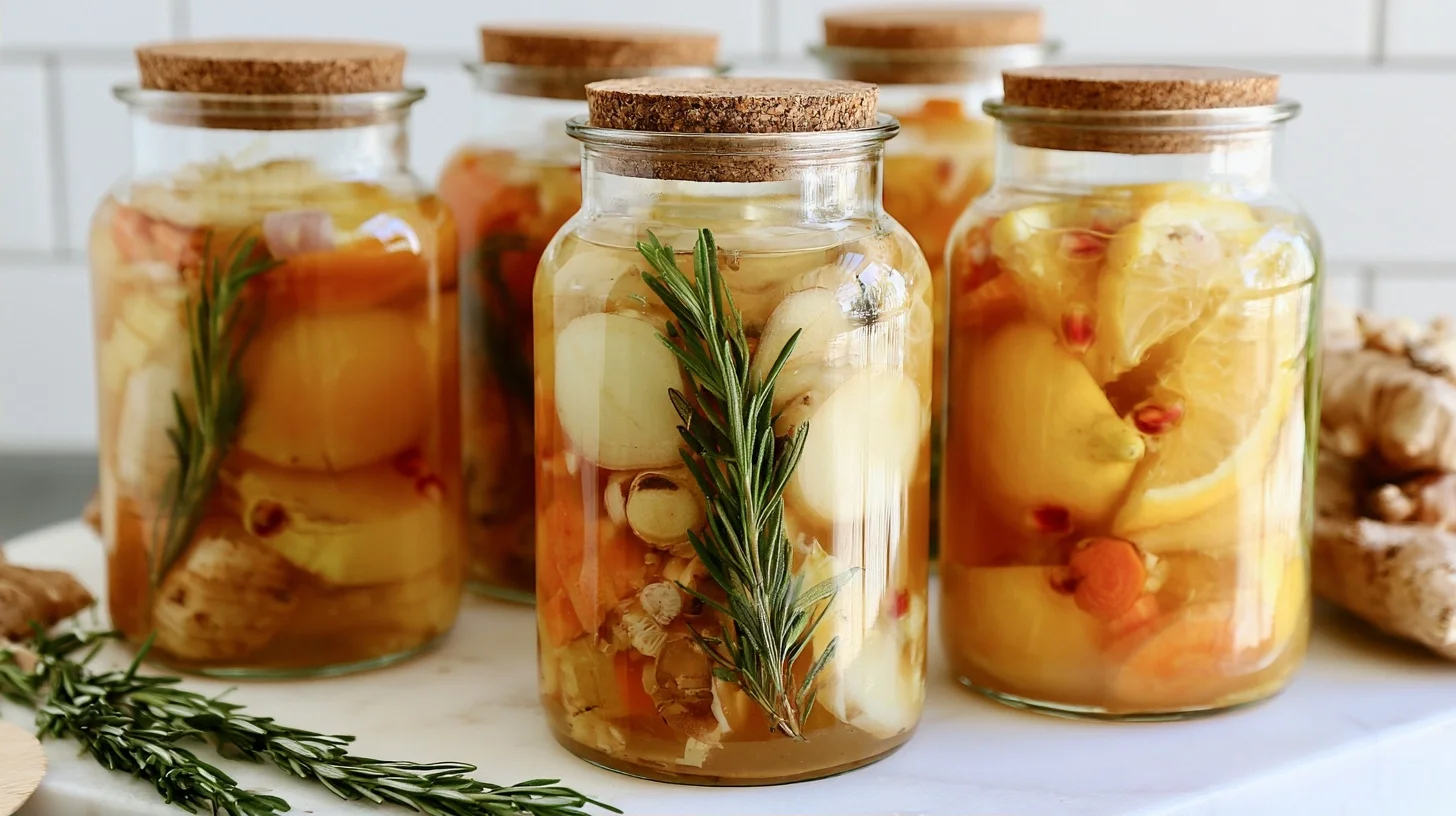
kcalThis traditional fire cider combines fresh horseradish, ginger, garlic, and hot peppers steeped in raw apple cider vinegar for four weeks. The addition of citrus zest and honey after straining creates a balanced, immune-boosting tonic that is both potent and palatable.
Keep the screen of your device on
Ingredients
3 cups raw apple cider vinegar
0.5 cup fresh horseradish root
0.5 cup fresh ginger root
1 head garlic
2 medium jalapeño peppers
1 medium onion
1 whole orange
1 whole lemon
1 tablespoon black peppercorns
2 sprigs fresh rosemary
0.25 cup raw honey
0.5 teaspoon cayenne pepper
Directions
- Prepare all your fresh ingredients by washing them thoroughly and peeling the horseradish and ginger roots. Chop everything into roughly half-inch pieces so they extract evenly during steeping. This uniform size ensures that no single ingredient dominates the final flavor.
- Place all the chopped vegetables, roots, citrus zest, and spices into your large glass jar. Pack them down gently but do not crush them, as you want to leave room for the vinegar to circulate. The jar should be about two-thirds full of solids.
- Pour the raw apple cider vinegar over the ingredients until they are completely submerged with at least one inch of vinegar covering the top. This prevents any exposed pieces from molding during the long steeping period.
- Place a piece of parchment paper over the jar opening before screwing on the lid to prevent the vinegar from corroding the metal. Press it down firmly to create a good seal. This simple step protects both your tonic and your lid.
- Store the jar in a cool, dark place like a pantry or cupboard for four weeks minimum. Shake the jar vigorously for 30 seconds every day to keep all ingredients in contact with the vinegar. Mark your calendar for the straining date so you do not forget.
- After four weeks, strain the fire cider through a fine-mesh strainer or several layers of cheesecloth into a large bowl. Press down on the solids to extract every drop of liquid. Discard the spent vegetables and roots, as they have given up all their beneficial compounds.
Notes
- The ideal ratio for fire cider is 2 parts vinegar to 1 part solids by volume, which ensures full extraction without diluting the beneficial compounds.
- Always use raw, unfiltered apple cider vinegar with the mother for maximum probiotic and enzymatic benefits.
- Wear rubber gloves when handling hot peppers to protect your skin from irritation and burning.
- You can adjust the heat level by increasing or decreasing the amount of jalapeños and cayenne pepper to suit your tolerance.
- The strained vegetable solids make excellent compost but should not be eaten, as they are quite strong and fibrous after steeping.
Nutrition Facts
- Serving Size: 1 g
- Total number of serves: 24
- Calories: 15kcal
- Fat: 0g
- Carbohydrates: 3g
- Fiber: 0g
- Protein: 0g
Did you make this recipe?
Tag @therecipemasterblog on Instagram and hashtag it with #therecipemaster
Like this recipe?
Follow @therecipemasterblog on Pinterest
Follow us on Facebook!
Follow The Recipe Master on Facebook
The Technique That Makes This Fire Cider Recipe Work
After making fire cider dozens of times, I have learned that a few specific techniques make all the difference. The most important factor is maintaining the correct vinegar-to-solids ratio throughout the steeping process. In addition, how you prepare your ingredients affects both flavor extraction and shelf stability.
Use Raw Apple Cider Vinegar with the Mother
The cloudy strands in raw apple cider vinegar contain beneficial bacteria and enzymes that enhance the tonic’s properties. I always choose organic vinegar with at least 5% acidity for optimal preservation. Pasteurized vinegar works in a pinch, but you lose some of the probiotic benefits that make fire cider special.
Chop Ingredients to Uniform Size
Cutting your roots and vegetables into similar-sized pieces ensures even extraction during steeping. I aim for roughly half-inch chunks across all ingredients. Therefore, the garlic releases its compounds at the same rate as the ginger and horseradish, creating a harmonious blend.
Shake the Jar Daily During Steeping
This simple step prevents settling and keeps all ingredients in contact with the vinegar. I shake my jar vigorously for about 30 seconds each morning. As a result, the extraction process remains consistent and you avoid weak spots in your final tonic.
Add Honey After Straining, Not Before
Adding honey before steeping can interfere with the extraction process and may cause fermentation issues. I wait until after straining to stir in raw honey, which preserves its beneficial enzymes. For example, apple cider vinegar and honey together create a synergistic effect that supports digestive health.
Store in Dark Glass Bottles
Light degrades some of the beneficial compounds in fire cider over time. I transfer my finished tonic into amber or cobalt glass bottles and keep them in the refrigerator. The ideal storage ratio for fire cider is 2 parts vinegar to 1 part solids by volume, which provides enough liquid to fully submerge ingredients during steeping.
Mistakes to Avoid When Making Fire Cider
Even though fire cider is forgiving, a few common errors can compromise your results. I have made every one of these mistakes myself, so I know exactly how to help you avoid them. In addition, understanding why these problems occur helps you troubleshoot on the fly.
Using a Metal Lid Directly on the Jar
Vinegar corrodes metal lids and creates an unpleasant metallic taste in your tonic. I fix this by placing a piece of parchment paper or wax paper between the jar rim and the metal lid. Alternatively, use a plastic lid designed for canning jars.
Steeping for Less Than Three Weeks
Impatience leads to weak, underdeveloped flavor that lacks the full medicinal punch. I recommend steeping for a minimum of four weeks to extract all the beneficial compounds. However, you can steep for up to eight weeks if you prefer a stronger tonic.
Not Wearing Gloves When Handling Peppers
Hot pepper oils transfer easily to your skin and can burn for hours. I always wear rubber gloves when chopping jalapeños or cayenne peppers for fire cider. In my testing, this simple precaution prevents painful mistakes and keeps the process enjoyable.
Skipping the Citrus Addition
Many traditional recipes omit citrus, but I found that orange and lemon zest brighten the flavor significantly. The citrus oils balance the pungent roots and make the tonic more palatable for daily use. I add the zest during the initial steeping for maximum impact.
Creative Ways to Customize Your Fire Cider Recipe
One of my favorite aspects of fire cider is how adaptable it is to personal preferences and seasonal ingredients. Once you master the basic formula, you can experiment with different roots, herbs, and sweeteners. Therefore, each batch becomes a unique expression of your taste and wellness goals.
Mild Fire Cider for Sensitive Palates
Reduce the hot peppers by half and add extra ginger for warmth without intense heat. I also increase the honey slightly to create a sweeter, more approachable version. This variation works beautifully for children or anyone new to fire cider.
Extra-Spicy Fire Cider for Heat Lovers
Double the jalapeños and add a habanero pepper for serious kick. I also include extra black peppercorns and a pinch of cayenne powder. In addition, this version makes an excellent base for spicy cocktails or marinades like tangy glazed chicken dishes.
Herbal Fire Cider with Medicinal Additions
Add fresh rosemary, thyme, and oregano sprigs during steeping for extra antimicrobial properties. I sometimes include a few slices of fresh turmeric root for its anti-inflammatory benefits. However, remember that turmeric stains everything it touches, so handle it carefully.
Citrus-Forward Fire Cider
Triple the citrus zest and add a few slices of fresh grapefruit or lime. This variation tastes brighter and more refreshing, perfect for spring and summer wellness routines. I found that Meyer lemon zest adds a particularly lovely floral note.
Vegan Fire Cider Recipe
The basic fire cider recipe is already vegan if you omit the honey or replace it with maple syrup or agave nectar. I prefer maple syrup for its mineral content and subtle sweetness. As a result, you get all the benefits without any animal products.
Understanding the Nutrition in Fire Cider
Fire cider is consumed in small quantities, typically one to two tablespoons at a time, so the nutritional impact per serving is minimal. However, the ingredients themselves are packed with vitamins, minerals, and beneficial plant compounds. For example, horseradish contains vitamin C and calcium, while ginger provides gingerol, a powerful anti-inflammatory compound.
The raw apple cider vinegar base contributes acetic acid, which may support healthy blood sugar levels and digestion. Garlic adds allicin, known for its antimicrobial properties. Therefore, while fire cider is not a significant source of calories or macronutrients, its micronutrient and phytochemical profile makes it a valuable addition to a wellness routine.
Delicious Ways to Enjoy Your Homemade Fire Cider
I love fire cider because it works as both a wellness shot and a culinary ingredient. The most traditional method is taking one to two tablespoons straight, either first thing in the morning or at the first sign of a cold. However, if the straight shot is too intense, mix it with warm water, a squeeze of fresh lemon, and a drizzle of honey for a soothing tea.
Fire cider also shines in the kitchen as a flavor booster. I whisk it into vinaigrettes for salads, using three parts oil to one part fire cider for a zippy dressing. It makes an excellent marinade base for chicken, pork, or tofu, adding both flavor and tenderizing acidity. In addition, try adding a tablespoon to soups, stews, or stir-fries just before serving for a bright, spicy finish. Some people even add a splash to their Bloody Mary or michelada for an extra health kick.
Keeping Your Fire Cider Fresh and Potent
Once you strain your fire cider, transfer it immediately into clean glass bottles with tight-fitting lids. I recommend using amber or dark glass bottles to protect the tonic from light exposure, which can degrade some of the beneficial compounds over time. Store your bottles in the refrigerator, where fire cider will keep for six months to a year without losing potency.
The vinegar acts as a natural preservative, so you do not need to worry about spoilage as long as you keep it refrigerated. However, always use a clean spoon when scooping out your daily dose to avoid introducing bacteria. If you notice any mold or off smells, discard the batch. I label each bottle with the date I made it so I can track freshness easily.
Frequently Asked Questions about Fire Cider Recipe
Fire cider needs to steep for a minimum of four weeks to fully extract the beneficial compounds from the roots and herbs. You can steep it for up to eight weeks for a stronger, more concentrated tonic. Shake the jar daily during the steeping period to ensure even extraction.
No, apple cider vinegar is essential for fire cider because it contains beneficial enzymes and probiotics, especially when you use raw, unfiltered versions with the mother. Regular white vinegar or other types lack these beneficial compounds and will not provide the same health benefits. Always choose organic raw apple cider vinegar for best results.
Take one to two tablespoons of fire cider daily as a wellness shot, either straight or mixed with warm water and honey. You can take it once in the morning or split the dose between morning and evening. At the first sign of a cold, some people increase to three or four tablespoons per day until symptoms improve.
No, you do not need to refrigerate fire cider during the steeping process. Store the jar in a cool, dark place like a pantry or cupboard for the full four weeks. The vinegar preserves the ingredients naturally at room temperature. However, once you strain the fire cider, refrigerate it immediately to maintain freshness and potency.









Leave a Reply