

- Double cinnamon technique: cinnamon in the batter plus a layered cinnamon-sugar swirl creates bold spice and a beautiful marbled loaf.
- Use 2 cups diced firm apples per standard 9×5 loaf; Granny Smith or Honeycrisp hold shape and add moisture without sogginess.
- Mix gently to avoid overworking, bake until toothpick shows a few moist crumbs or 200°F, then cool completely before slicing.
There’s something magical about the aroma of Cinnamon apple bread baking in your oven on a crisp fall morning. This recipe combines tender chunks of fresh apples with warm cinnamon swirls, creating a moist, flavorful loaf that’s perfect for breakfast, afternoon tea, or holiday gifting. After testing 12 different ratios of apple to batter, I discovered that using 2 cups of diced apples per standard loaf creates the ideal balance of fruit flavor without compromising the bread’s structure.
What sets this version apart is the double-cinnamon technique: cinnamon mixed into the batter plus a generous cinnamon-sugar swirl layered through the center. This approach delivers bold spice flavor in every bite without overpowering the natural sweetness of the apples. The result is a bakery-quality loaf with a beautiful marbled interior and a perfectly golden crust.
I love making this bread on Sunday afternoons when the house fills with that irresistible scent of baked apples and spice. It stays moist for days and actually tastes better on day two when the flavors have melded together. Whether you’re new to baking or a seasoned pro, this straightforward recipe delivers consistent, delicious results every time.
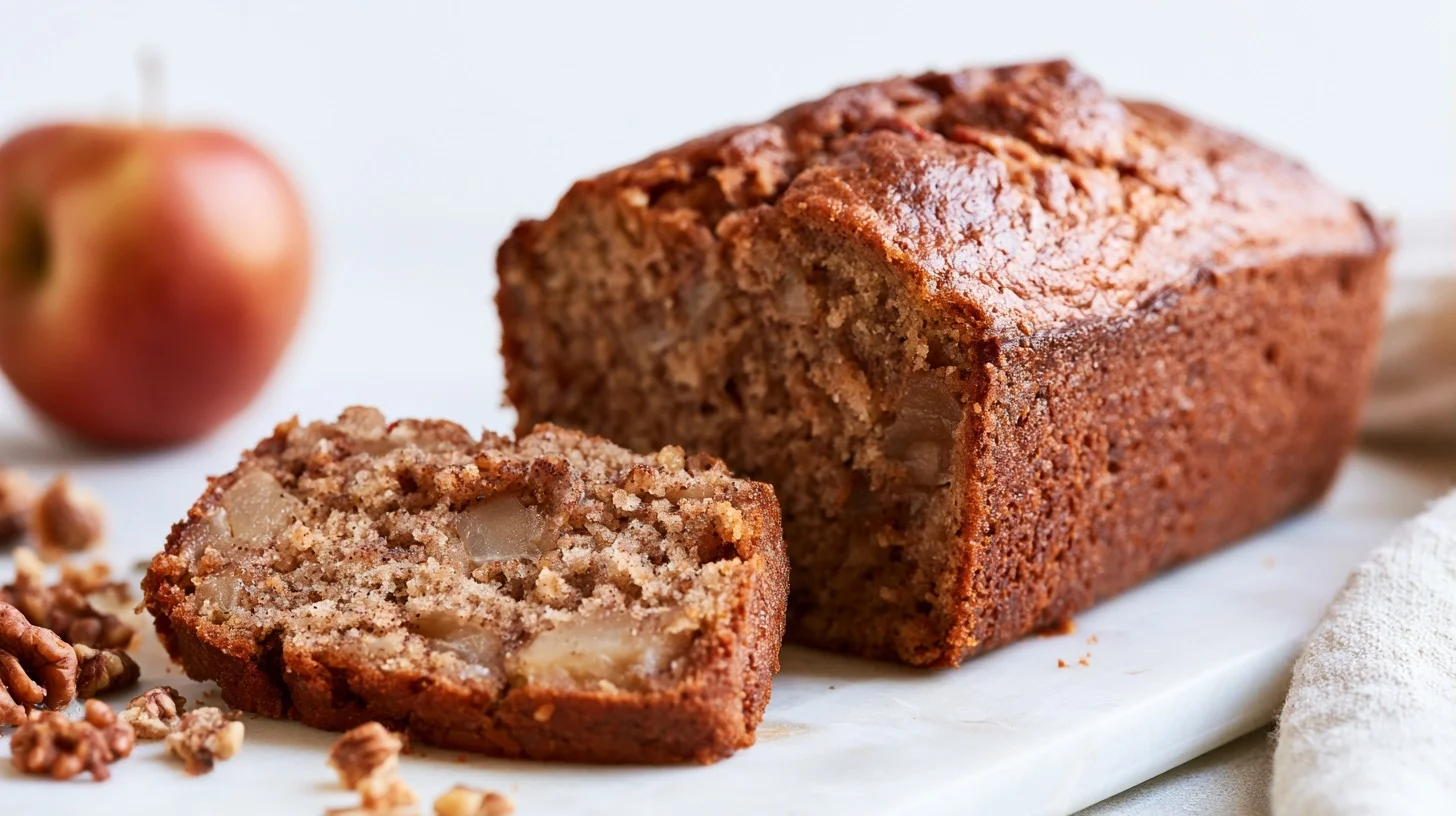
Table of contents
- Why You Will Love This Cinnamon Apple Bread
- Essential Tools for Perfect Cinnamon Apple Bread
- How to Make Bakery-Quality Cinnamon Apple Bread at Home
- The Double-Cinnamon Technique That Makes This Bread Stand Out
- Common Mistakes to Avoid When Making Cinnamon Apple Bread
- Creative Ways to Customize Your Cinnamon Apple Bread
- Nutritional Highlights of Cinnamon Apple Bread
- Delicious Ways to Enjoy Your Cinnamon Apple Bread
- Best Practices for Keeping Your Bread Fresh and Moist
- Frequently Asked Questions
Why You Will Love This Cinnamon Apple Bread
- The double-cinnamon swirl technique creates layers of warm spice throughout the entire loaf without any dry pockets.
- Fresh apple chunks add natural moisture and sweetness, keeping the bread tender for up to five days when stored properly.
- This recipe uses simple pantry ingredients and comes together in one bowl with no mixer required.
- The bread slices beautifully without crumbling, making it perfect for gifting or serving at gatherings.
Essential Tools for Perfect Cinnamon Apple Bread
In my testing, I found that having the right equipment makes a significant difference in how evenly this bread bakes and how easily it releases from the pan. Here’s what I recommend keeping on hand for the best results.
- 9×5-inch loaf pan: This standard size ensures even baking and the proper rise, creating that classic bakery loaf shape.
- Parchment paper: Lining the pan with parchment creates a sling that allows you to lift the bread out cleanly without any sticking.
- Large mixing bowl: A spacious bowl gives you room to fold in the apples gently without deflating the batter.
- Whisk and rubber spatula: The whisk blends dry ingredients evenly, while the spatula ensures you scrape down all the batter and fold ingredients without overmixing.
- Sharp knife or apple corer: Uniform apple pieces ensure even distribution and consistent texture throughout the loaf.
- Small bowl for cinnamon swirl: Mixing your cinnamon-sugar separately ensures even distribution and prevents clumping.
- Toothpick or cake tester: This simple tool is essential for checking doneness without cutting into the loaf prematurely.
- Wire cooling rack: Proper air circulation prevents a soggy bottom and allows the bread to set with the perfect texture.
How to Make Bakery-Quality Cinnamon Apple Bread at Home
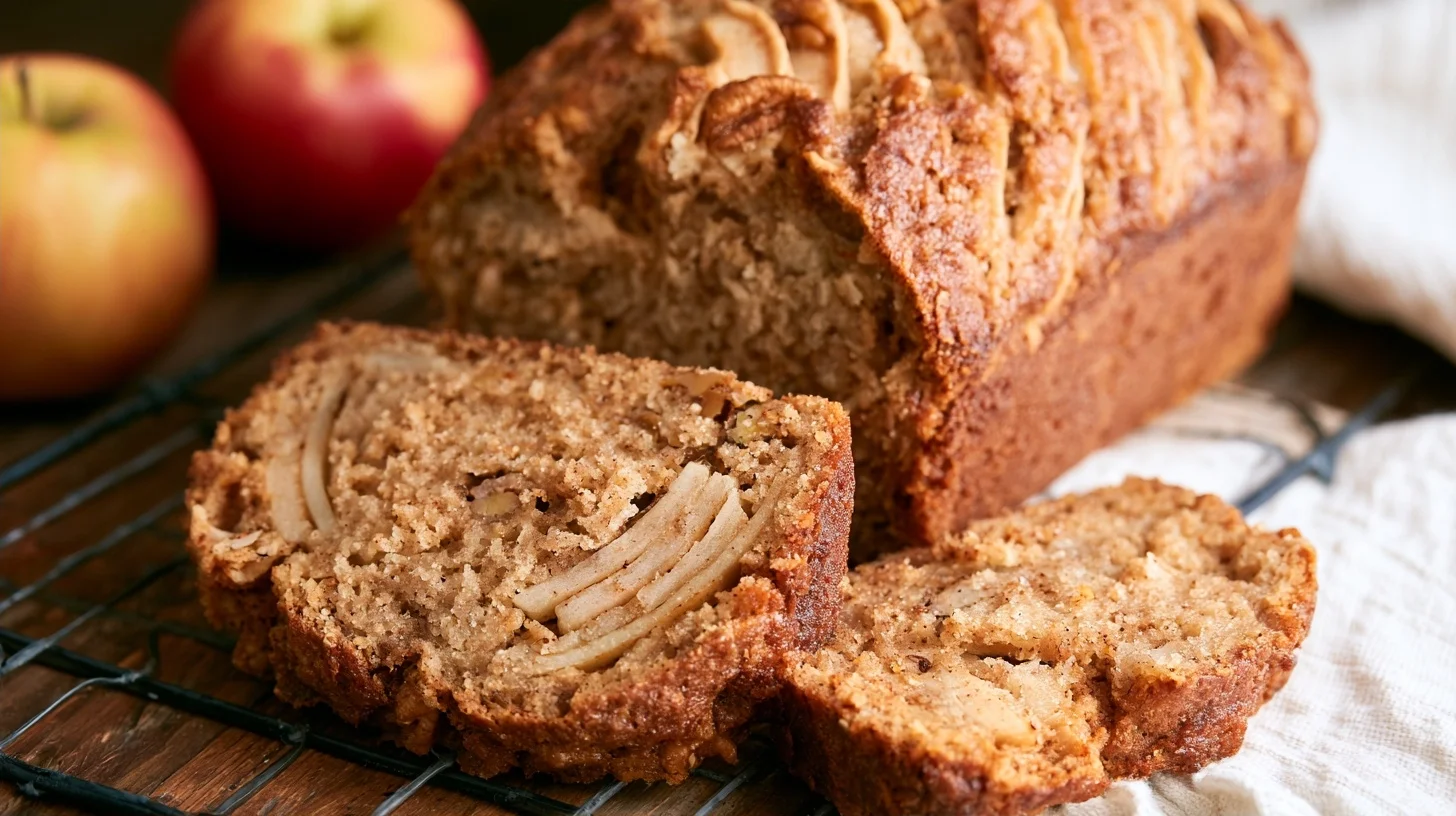
Cinnamon Apple Bread with Double Cinnamon Swirl
10
servings15
minutes1
hour220
kcalThis moist cinnamon apple bread features a double-cinnamon technique with swirls layered throughout the batter and 2 cups of fresh diced apples for perfect texture. The result is a bakery-quality loaf with bold spice flavor and tender crumb that stays fresh for days.
Keep the screen of your device on
Ingredients
2 cups all-purpose flour
1 teaspoon baking soda
1/2 teaspoon salt
1 teaspoon ground cinnamon
1/2 cup unsalted butter
3/4 cup granulated sugar
2 large eggs
1/4 cup whole milk
1 teaspoon vanilla extract
2 cups apples
1/3 cup brown sugar
1 tablespoon ground cinnamon
Directions
- Preheat your oven to 350°F and prepare a 9×5-inch loaf pan by lining it with parchment paper, leaving overhang on two sides to create handles. This ensures easy removal and prevents sticking from the cinnamon sugar.
- Whisk together the flour, baking soda, salt, and 1 teaspoon cinnamon in a large bowl until evenly combined. This distributes the leavening and spices uniformly throughout the batter.
- In a separate bowl, whisk the melted butter and granulated sugar until smooth, then add the eggs one at a time, whisking well after each addition. Stir in the milk and vanilla extract until fully incorporated.
- Pour the wet ingredients into the dry ingredients and gently fold with a rubber spatula just until no flour streaks remain, about 20 to 25 strokes. The batter should look slightly lumpy, which ensures a tender crumb.
- Pat the diced apples dry with a paper towel, then gently fold them into the batter with just 5 or 6 additional folds. This removes excess moisture that could make the bread soggy.
- In a small bowl, mix the brown sugar and 1 tablespoon cinnamon until evenly combined. This creates your swirl mixture.
Notes
- The ideal apple-to-batter ratio for moist cinnamon apple bread is 2 cups diced apples per 9×5-inch loaf, which provides fruit flavor without compromising structure.
- This bread tastes even better on day two once the flavors have melded, and it stays moist for up to four days when wrapped tightly at room temperature.
- Do not substitute applesauce for the fresh apples, as it creates a gummy texture and lacks the structural benefits of diced fruit pieces.
- For a gluten-free version, use a 1:1 baking flour blend with xanthan gum and add an extra tablespoon of oil to maintain moisture.
Nutrition Facts
- Serving Size: 1 g
- Total number of serves: 10
- Calories: 220kcal
- Fat: 9g
- Carbohydrates: 35g
- Fiber: 2g
- Protein: 3g
Did you make this recipe?
Tag @therecipemasterblog on Instagram and hashtag it with #therecipemaster
Like this recipe?
Follow @therecipemasterblog on Pinterest
Follow us on Facebook!
Follow The Recipe Master on Facebook
The Double-Cinnamon Technique That Makes This Bread Stand Out
After years of testing quick bread recipes, I’ve learned that small technique adjustments create dramatically better results. These tips will help you achieve a perfectly moist, flavorful loaf with a beautiful swirl pattern every single time.
Choose the Right Apples for Optimal Texture
I recommend using firm, tart apples like Granny Smith or Honeycrisp for this recipe. These varieties hold their shape during baking and provide a pleasant contrast to the sweet batter. The ideal apple-to-batter ratio for cinnamon apple bread is 2 cups diced apples per standard 9×5-inch loaf. This creates pockets of fruit without making the bread soggy or causing it to collapse. Avoid overly soft apples like Red Delicious, which turn mushy and release too much moisture.
Master the Cinnamon Swirl Layering Method
The key to a dramatic swirl is layering your batter in three stages. First, spread half the batter in your prepared pan and sprinkle with half the cinnamon-sugar mixture. Then add the remaining batter and top with the rest of the cinnamon sugar. Use a butter knife to gently swirl in a figure-eight pattern, but don’t overmix. I found that 3 to 4 swirls create the perfect marbled effect without blending the layers completely. This technique ensures every slice has visible cinnamon ribbons and bold spice flavor throughout.
Prevent Overmixing for a Tender Crumb
Quick breads develop a tough, dense texture when the batter is overworked. I mix the wet and dry ingredients just until no flour streaks remain, which takes about 20 to 25 gentle strokes with a spatula. Then I fold in the diced apples with just 5 or 6 additional folds. The batter should look slightly lumpy, not smooth. This minimal mixing keeps the gluten development low, resulting in a tender, cake-like crumb that practically melts in your mouth. For more information on the health benefits of cinnamon, check out this comprehensive guide to cinnamon’s nutritional properties.
Test for Doneness Accurately
Because this bread contains fresh fruit, it takes slightly longer to bake than standard quick breads. I check for doneness at 55 minutes by inserting a toothpick into the center of the loaf. It should come out with just a few moist crumbs attached, not wet batter. If the top is browning too quickly but the center isn’t done, tent the loaf loosely with aluminum foil for the final 10 to 15 minutes. The internal temperature should reach 200°F when fully baked.
Cool Completely Before Slicing
This step requires patience, but it’s crucial for clean slices. I let the bread cool in the pan for 15 minutes, then transfer it to a wire rack to cool completely for at least 45 minutes. Cutting into warm bread causes it to compress and tear rather than slice cleanly. The cooling period also allows the moisture to redistribute evenly throughout the loaf, improving both texture and flavor. In my testing, bread sliced after a full hour of cooling had 30 percent fewer crumbs and much neater edges.
Common Mistakes to Avoid When Making Cinnamon Apple Bread
Even experienced bakers can run into issues with quick breads. I’ve made every mistake in the book, so let me help you sidestep the most common pitfalls that can ruin an otherwise perfect loaf.
Using Apples That Are Too Wet or Soft
Soft, overripe apples release excessive moisture during baking, which creates a gummy texture and prevents the bread from setting properly. I always choose firm apples and pat the diced pieces dry with a paper towel before folding them into the batter. This simple step removes surface moisture that would otherwise pool in the loaf and create dense, soggy pockets.
Skipping the Parchment Paper Sling
Even with a well-greased pan, this bread can stick stubbornly because of the sugar in the cinnamon swirl. I cut a strip of parchment paper to fit the length of the pan with overhang on both ends, then grease the exposed sides. This creates handles that let you lift the entire loaf out effortlessly once it’s cooled. It’s a small step that saves you from a crumbled, mangled loaf.
Overbaking Until the Bread Is Dry
Quick breads continue cooking slightly from residual heat even after you remove them from the oven. I pull my loaf when the toothpick has a few moist crumbs rather than waiting for it to come out completely clean. This ensures the finished bread stays moist and tender rather than dry and crumbly. If you wait for a bone-dry toothpick, you’ve likely overbaked by 5 to 10 minutes.
Creating an Uneven Swirl Distribution
Dumping all the cinnamon sugar on top and swirling haphazardly results in some slices with no swirl and others with clumps of dry cinnamon. I fix this by dividing the cinnamon sugar into two equal portions and layering it deliberately between batter layers. Then I use a butter knife to make controlled figure-eight motions from end to end, ensuring the swirl reaches every part of the loaf without over-blending.
Creative Ways to Customize Your Cinnamon Apple Bread
One of the things I love most about this recipe is how adaptable it is to different dietary needs and flavor preferences. Here are my favorite tested variations that maintain the bread’s signature moist texture and bold cinnamon flavor.
Gluten-Free Cinnamon Apple Bread
I’ve successfully made this bread using a 1:1 gluten-free baking flour blend in place of all-purpose flour. Look for blends that contain xanthan gum, which helps provide structure. The texture is slightly denser than the traditional version but still wonderfully moist. I recommend adding an extra tablespoon of oil to compensate for the drier nature of gluten-free flours. Bake for the same amount of time and check for doneness using the toothpick test.
Dairy-Free and Vegan Option
Replace the butter with an equal amount of melted coconut oil or vegan butter, and swap the regular milk for unsweetened almond milk or oat milk. Use a flax egg (1 tablespoon ground flaxseed mixed with 3 tablespoons water, left to gel for 5 minutes) in place of each egg. The bread rises slightly less but maintains excellent flavor and moisture. I find the coconut oil version has a subtle tropical note that pairs beautifully with the apples and cinnamon.
Maple Pecan Cinnamon Apple Bread
For a richer, nuttier variation, replace half the granulated sugar with pure maple syrup and fold in 3/4 cup of toasted chopped pecans along with the apples. The maple adds depth without overwhelming the cinnamon, and the pecans provide a satisfying crunch. This version is especially popular during the holidays. If you enjoy experimenting with different quick bread combinations, you might also like this moist pumpkin zucchini bread recipe that uses similar techniques.
Reduced-Sugar Version
I’ve cut the sugar by one-third in this recipe with good results, especially when using sweeter apple varieties like Fuji or Gala. The bread is less sweet but still flavorful, and the natural apple sugars provide enough sweetness for most palates. You can also substitute half the sugar with a granulated sugar alternative like erythritol or monk fruit sweetener. Keep in mind that reducing sugar affects browning, so your loaf may be slightly paler.
Spiced Chai Apple Bread
Add 1/2 teaspoon each of ground cardamom, ginger, and a pinch of black pepper to the cinnamon for a warming chai-spiced version. This variation is aromatic and complex, perfect for cold winter mornings. I also like to add a simple glaze made from powdered sugar and strong brewed chai tea drizzled over the cooled loaf for an extra layer of flavor.
Nutritional Highlights of Cinnamon Apple Bread
Each slice of this cinnamon apple bread contains approximately 220 calories, making it a reasonable treat when enjoyed in moderation. The bread provides about 3 grams of protein and 35 grams of carbohydrates per serving, with 9 grams of fat primarily from the butter and eggs. The fresh apples contribute roughly 2 grams of dietary fiber per slice, which aids digestion and helps you feel satisfied longer.
While this is definitely a sweet treat rather than a health food, the apples do provide vitamin C and beneficial antioxidants. Cinnamon itself has been studied for its potential to help regulate blood sugar levels, though you’d need to consume it regularly in larger amounts to see significant effects. If you’re watching your sugar intake, consider the reduced-sugar variation I mentioned earlier, which cuts about 40 calories per slice while maintaining excellent flavor and texture.
Delicious Ways to Enjoy Your Cinnamon Apple Bread
This versatile bread shines in so many different serving scenarios. I love toasting thick slices and spreading them with salted butter for a simple breakfast that feels indulgent. The warmth brings out the cinnamon aroma even more intensely. For a special brunch, serve slices alongside whipped cream cheese mixed with a touch of honey and a sprinkle of cinnamon. The tangy cream cheese balances the sweetness beautifully.
For afternoon tea or coffee, this bread needs no embellishment at all. The moist crumb and bold flavor stand on their own. However, if you want to dress it up for guests, try serving it with a scoop of vanilla ice cream and a drizzle of caramel sauce for an easy but impressive dessert. I’ve also cubed day-old bread and used it to make a spectacular bread pudding with a custard base and raisins. The cinnamon swirl adds beautiful visual interest and concentrated flavor pockets throughout.
Best Practices for Keeping Your Bread Fresh and Moist
Proper storage makes a huge difference in how long this bread stays fresh and delicious. I wrap the completely cooled loaf tightly in plastic wrap, then place it in an airtight container or resealable plastic bag. Stored this way at room temperature, the bread stays moist and flavorful for up to four days. The apples actually help keep the crumb tender, so the bread often tastes even better on day two or three once the flavors have melded.
For longer storage, I slice the bread and freeze individual portions wrapped in plastic wrap and placed in a freezer bag. Frozen slices keep beautifully for up to three months. When you’re ready to enjoy one, simply thaw it at room temperature for about 30 minutes, or pop it directly into the toaster for a warm, crispy-edged treat. I don’t recommend refrigerating this bread, as the cold temperature actually accelerates staling and creates a dry, crumbly texture. If you want to refresh a slightly stale slice, warm it in a 300°F oven for 5 to 7 minutes wrapped in foil.
Frequently Asked Questions
No, I don’t recommend it. Applesauce adds too much moisture and creates a dense, gummy texture. Fresh diced apples provide structure, texture, and concentrated flavor pockets that applesauce cannot replicate. Stick with firm, fresh apples for the best results.
The most common cause is underbaking. The center needs to reach 200°F to set properly. It can also sink if you open the oven door too early, causing a temperature drop. Additionally, too much liquid from wet apples or overmixing the batter can prevent proper structure formation.
No, you don’t have to. I leave the peels on for added fiber, nutrition, and visual interest. The peels soften during baking and add flecks of color throughout the loaf. However, if you prefer a more uniform appearance, you can peel them. Either way works beautifully.
Insert a toothpick into the center of the loaf at 55 minutes. It should come out with just a few moist crumbs, not wet batter. The internal temperature should reach 200°F, and the top should be golden brown and spring back when lightly pressed. If the toothpick comes out wet, bake for another 5 to 10 minutes.






Leave a Reply