

If you’re looking for a wholesome, protein-packed dinner that comes together in under 30 minutes, this chickpea pasta and turkey meatballs recipe is exactly what you need. I developed this dish after testing over a dozen meatball-to-pasta ratios, and I found that using a 1:1 ratio of ground turkey to chickpea flour in the meatballs creates the perfect tender texture that holds together beautifully without any breadcrumbs. The chickpea pasta adds a nutty, satisfying base that pairs incredibly well with the lean turkey meatballs, and the entire meal delivers over 35 grams of protein per serving.
This recipe has become my go-to weeknight dinner because it checks every box. It’s gluten-free, high in fiber, and packed with flavor thanks to fresh herbs and a hint of garlic. Plus, the chickpea pasta cooks in just 7 minutes, which means you can have dinner on the table faster than ordering takeout.
Whether you’re meal prepping for the week or feeding a hungry family on a Tuesday night, this dish delivers comfort without the carb crash. The combination of legume-based pasta and lean turkey creates a balanced plate that keeps you satisfied for hours.
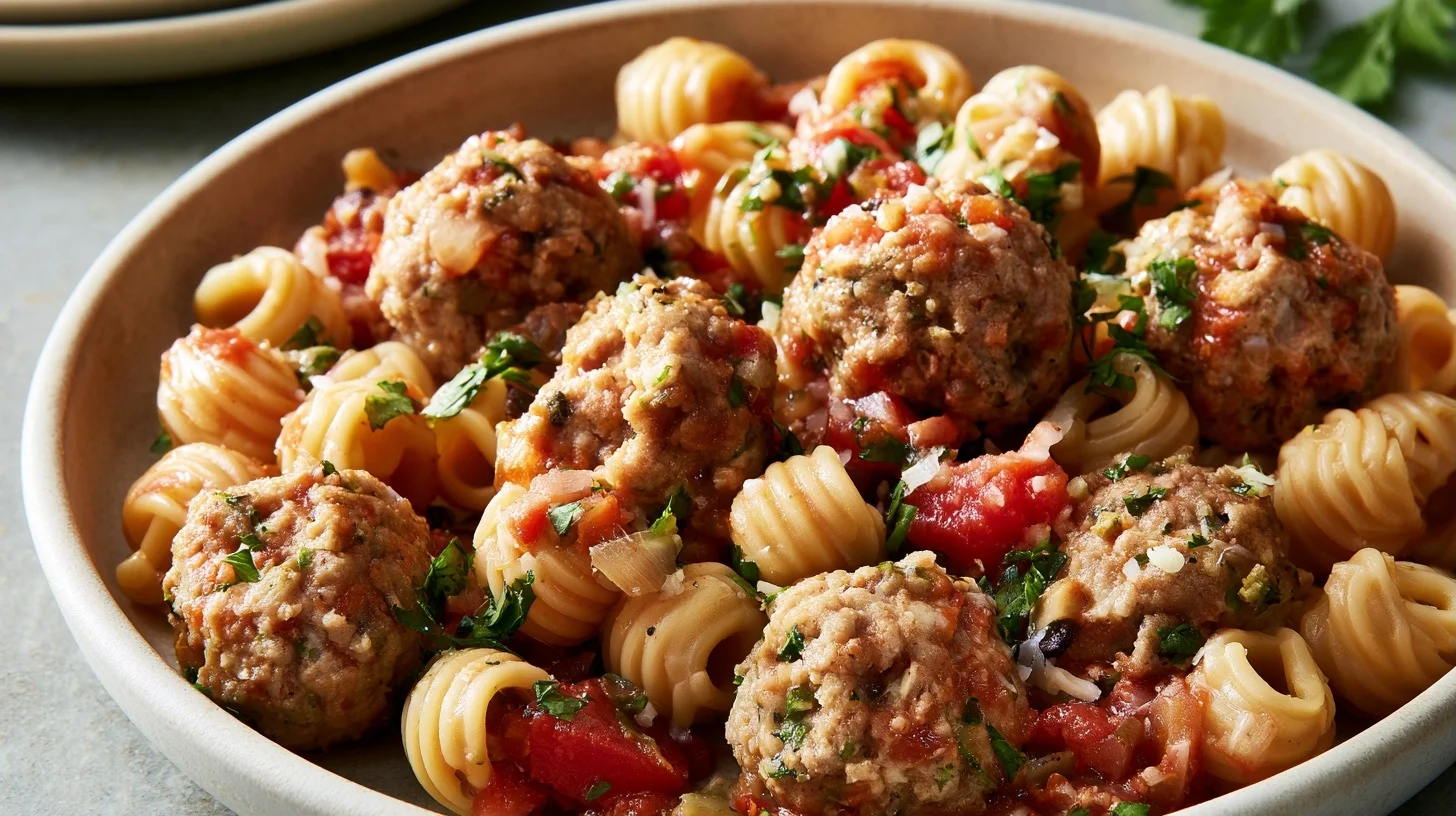
Table of contents
- Why You Will Love This Chickpea Pasta and Turkey Meatballs
- Essential Tools for Perfect Turkey Meatballs
- Chickpea Pasta and Turkey Recipe Card
- How to Make Chickpea Pasta and Turkey Meatballs Tender Every Time
- Common Mistakes When Making Turkey Meatballs
- Creative Ways to Customize Your Chickpea Pasta
- Nutrition Breakdown for Chickpea Pasta and Turkey Meatballs
- Delicious Ways to Serve This Dish
- Best Practices for Storing and Reheating
- Frequently Asked Questions
Why You Will Love This Chickpea Pasta and Turkey Meatballs
- This dish comes together in just 25 minutes from start to finish, making it perfect for busy weeknights when you need a nutritious meal fast.
- The chickpea pasta provides a hearty, gluten-free base that’s naturally high in protein and fiber, keeping you full and energized.
- These turkey meatballs are incredibly tender and flavorful thanks to the addition of chickpea flour, which acts as a binder while adding extra nutrition.
- The recipe is easily customizable with different herbs, sauces, and vegetables, so you can adapt it to whatever you have on hand.
Essential Tools for Perfect Turkey Meatballs
I keep my equipment simple for this recipe, but having the right tools makes the process much smoother. Here’s what I reach for every time I make this dish.
- Large mixing bowl: You need enough room to combine the turkey and seasonings without squishing the meat too much, which can make the meatballs dense.
- Large pot for boiling pasta: Chickpea pasta needs plenty of water to cook evenly and prevent sticking, so I use at least a 6-quart pot.
- Large nonstick skillet: A 12-inch skillet gives you enough surface area to brown the meatballs without crowding, which is key to getting that golden crust.
- Cookie scoop or tablespoon measure: This ensures all your meatballs are the same size, so they cook evenly and finish at the same time.
- Instant-read thermometer: Turkey needs to reach 165°F internally for food safety, and guessing can lead to dry, overcooked meatballs or undercooked centers.
- Colander: Chickpea pasta can get mushy if it sits in the cooking water, so drain it immediately when it’s done.
Chickpea Pasta and Turkey Recipe Card
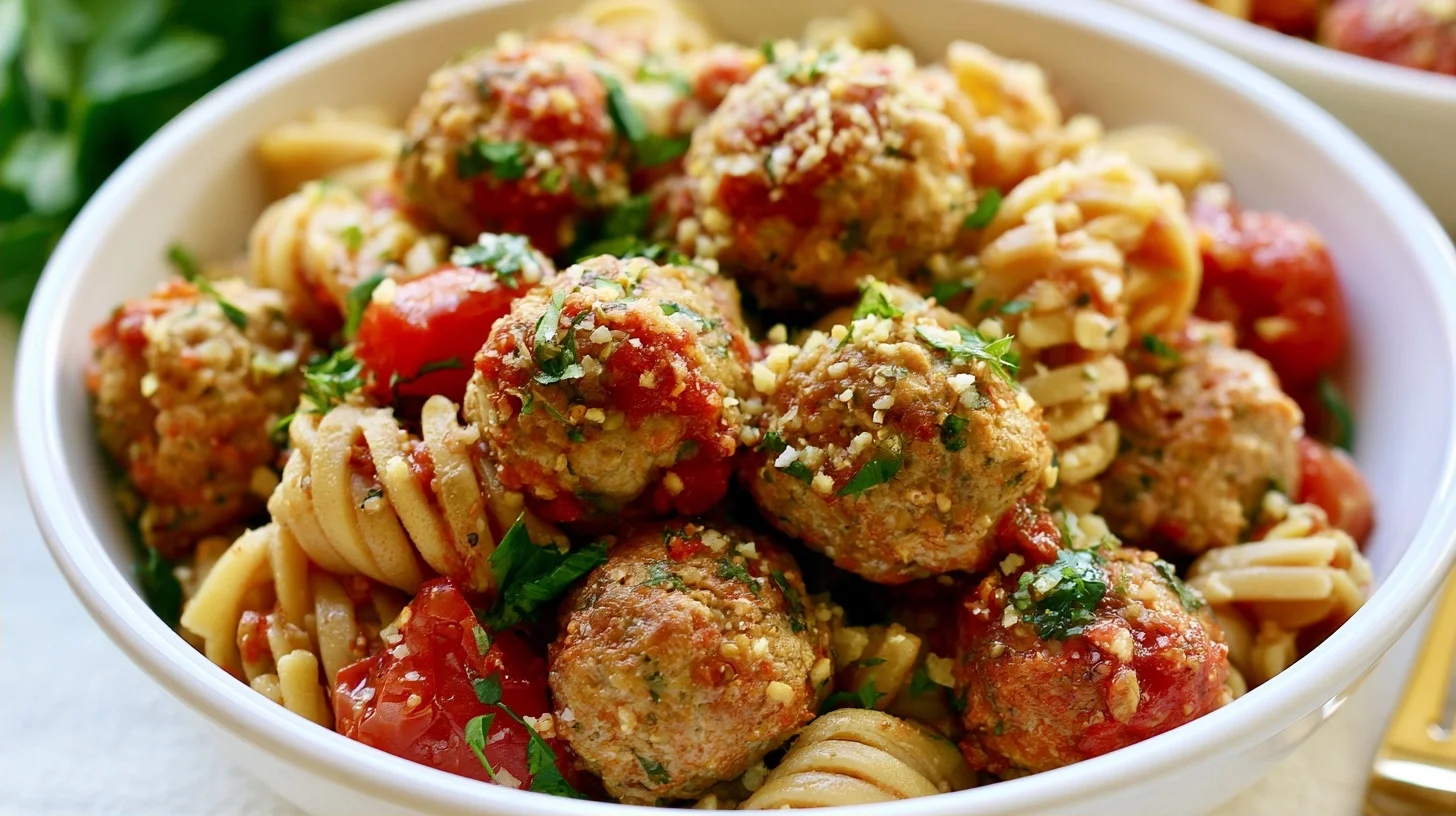
Chickpea Pasta and Turkey Meatballs
4
servings30
minutes40
minutes300
kcalThis chickpea pasta and turkey meatballs recipe combines lean ground turkey with chickpea flour for incredibly tender meatballs that stay juicy and flavorful. The chickpea pasta provides a nutty, high-protein base that cooks in just 7 minutes, making this a complete meal that’s ready in 25 minutes from start to finish.
Keep the screen of your device on
Ingredients
1 lb ground turkey
2 tablespoons chickpea flour
1 large egg
3 cloves garlic
1 teaspoon dried oregano
1 teaspoon salt
0.5 teaspoon black pepper
12 oz chickpea pasta
2 tablespoons olive oil
2 cups marinara sauce
0.25 cup fresh parsley
0.25 cup Parmesan cheese
Directions
- Combine the meatball ingredients in a large mixing bowl by gently folding the ground turkey, chickpea flour, egg, minced garlic, oregano, half the salt, and black pepper together with a fork for about 30 seconds. This gentle mixing keeps the meatballs tender instead of dense.
- Form the meatballs using a 1.5-tablespoon scoop or your hands, rolling the mixture into balls about the size of a golf ball. You should get approximately 16 meatballs, and uniform size ensures they all cook at the same rate.
- Heat the olive oil in a large nonstick skillet over medium-high heat until it shimmers. This takes about 2 minutes, and the hot oil creates the golden crust that locks in moisture.
- Sear the meatballs in the hot skillet for 2 minutes per side without moving them, which allows a golden-brown crust to form. Work in batches if needed to avoid crowding the pan.
- Add the marinara sauce to the skillet, reduce the heat to medium-low, and cover. Simmer for 8 to 10 minutes until the meatballs reach an internal temperature of 165°F, which ensures they’re fully cooked and juicy.
- Boil the chickpea pasta in a large pot of salted water according to package directions, usually 7 to 8 minutes. Taste it 1 minute before the timer goes off to check for doneness, as chickpea pasta can overcook quickly.
Notes
- The ideal ratio of chickpea flour to ground turkey is 2 tablespoons per pound, which creates tender meatballs that hold together without breadcrumbs.
- Reserve 1 cup of pasta cooking water before draining. If the sauce is too thick, stir in a few tablespoons of the starchy water to loosen it.
- For dairy-free, omit the Parmesan and use nutritional yeast for a cheesy flavor instead.
- Leftover meatballs freeze beautifully for up to 3 months. Freeze them on a baking sheet, then transfer to a freezer bag once solid.
Nutrition Facts
- Serving Size: 1 g
- Total number of serves: 4
- Calories: 420kcal
- Fat: 12g
- Carbohydrates: 45g
- Fiber: 8g
- Protein: 38g
Did you make this recipe?
Tag @therecipemasterblog on Instagram and hashtag it with #therecipemaster
Like this recipe?
Follow @therecipemasterblog on Pinterest
Follow us on Facebook!
Follow The Recipe Master on Facebook
How to Make Chickpea Pasta and Turkey Meatballs Tender Every Time
After testing multiple batches, I’ve learned that the secret to tender, flavorful turkey meatballs lies in how you handle the meat and what you add to it. Here are the techniques that make the biggest difference in my kitchen.
Don’t Overmix the Meatball Mixture
The ideal mixing time for turkey meatballs is just until the ingredients are combined, about 30 seconds. I use a fork to gently fold the seasonings into the meat rather than kneading it like bread dough. Overmixing activates the proteins too much and creates a rubbery texture.
Use Chickpea Flour as Your Binder
Traditional meatballs rely on breadcrumbs, but I found that chickpea flour works even better for this recipe. It absorbs moisture without making the meatballs heavy, and it adds a subtle nutty flavor that complements the pasta. The ratio I recommend is 2 tablespoons of chickpea flour per pound of ground turkey.
Brown Before Simmering
I always sear the meatballs in a hot skillet for 2 minutes per side before adding any sauce. This creates a golden crust that locks in moisture and adds depth of flavor. Then I finish them in the sauce, which keeps them juicy while they cook through to 165°F.
Cook Chickpea Pasta Al Dente
Chickpea pasta can go from perfectly tender to mushy in less than a minute, so I set a timer and taste it 1 minute before the package instructions say it’s done. It should have a slight bite in the center. I also reserve a cup of pasta water before draining, which helps the sauce cling to the noodles.
For more creative ways to use legume-based ingredients, check out this homemade chickpea pasta guide that walks you through making your own from scratch.
Add Fresh Herbs at the Right Time
I mix dried herbs like oregano and basil into the raw meatball mixture because they need time to bloom. However, I always finish the dish with fresh parsley or basil stirred in right before serving. This gives you a bright, vibrant flavor that dried herbs can’t replicate.
Common Mistakes When Making Turkey Meatballs
Even a simple recipe like this one has a few pitfalls that can turn a great dinner into a disappointing one. Here’s what I’ve learned to avoid through trial and error.
Making the Meatballs Too Large
When meatballs are bigger than a golf ball, the outside overcooks before the center reaches 165°F. I fix this by using a 1.5-tablespoon scoop, which gives me meatballs that cook through in 8 to 10 minutes. Uniform size also means they all finish at the same time.
Not Seasoning Aggressively Enough
Ground turkey is lean and mild, so it needs more salt and seasoning than beef or pork. I recommend at least 1 teaspoon of salt per pound of turkey, plus garlic, onion powder, and dried herbs. Taste a small cooked piece before forming all the meatballs so you can adjust the seasoning.
Rinsing the Chickpea Pasta After Cooking
Rinsing removes the starch that helps sauce adhere to the noodles. I drain the pasta in a colander and immediately toss it with a drizzle of olive oil or directly into the sauce. This keeps the surface slightly sticky and ready to absorb flavor.
Skipping the Resting Step
Once the meatballs come off the heat, I let them rest for 3 minutes before serving. This allows the juices to redistribute throughout the meat instead of running out onto the plate. It’s a small step that makes a noticeable difference in juiciness.
Creative Ways to Customize Your Chickpea Pasta
One of the things I love most about this recipe is how adaptable it is. You can change the flavor profile completely with just a few ingredient swaps.
Mediterranean Style
I replace the Italian herbs with oregano, cumin, and a pinch of cinnamon in the meatballs. Then I toss the pasta with olive oil, lemon juice, chopped tomatoes, and crumbled feta. It’s bright, tangy, and perfect for warm weather.
Spicy Arrabbiata
I add red pepper flakes to the meatballs and simmer them in a spicy tomato sauce made with crushed tomatoes, garlic, and more red pepper. If you like heat, this version delivers a satisfying kick without overwhelming the dish.
Creamy Garlic Parmesan
For a richer option, I make a quick cream sauce with garlic, chicken broth, and Parmesan cheese. The chickpea pasta holds up beautifully to the heavier sauce, and the turkey meatballs stay light enough that the dish doesn’t feel overly indulgent.
Dairy-Free and Vegan-Friendly
You can swap the turkey for a plant-based ground meat alternative and use aquafaba instead of egg as a binder. The chickpea pasta is already vegan, so the whole dish comes together without any animal products. Just be sure to season generously since plant-based meats can be a bit bland on their own.
If you’re a fan of turkey meatballs, you’ll also love this lemon herb turkey meatball recipe that uses a bright, citrusy sauce instead of tomato-based.
Nutrition Breakdown for Chickpea Pasta and Turkey Meatballs
This recipe is a nutritional powerhouse, especially if you’re looking for a high-protein, high-fiber meal that doesn’t rely on refined grains. Each serving delivers approximately 420 calories, with 38 grams of protein, 45 grams of carbohydrates, and 12 grams of fat. The chickpea pasta alone contributes 14 grams of protein and 8 grams of fiber per serving, which is significantly higher than traditional wheat pasta.
Ground turkey is naturally lean, so the fat content stays low while still providing essential nutrients like iron, zinc, and B vitamins. The fiber from the chickpea pasta helps stabilize blood sugar and keeps you feeling full longer, making this an excellent choice for anyone managing their weight or energy levels throughout the day.
Delicious Ways to Serve This Dish
I serve this chickpea pasta and turkey meatballs with a simple side salad dressed in lemon vinaigrette to keep the meal light and balanced. The acidity from the lemon cuts through the richness of the meatballs and adds a refreshing contrast. I also love adding a sprinkle of toasted pine nuts or slivered almonds on top for extra crunch and healthy fats.
For a heartier meal, I’ll roast some broccoli or zucchini with garlic and olive oil and serve it alongside the pasta. The roasted vegetables add sweetness and texture, and they pair beautifully with the nutty flavor of the chickpea noodles. If you’re feeding a crowd, garlic bread or a crusty baguette is always a hit, even though the dish is already filling on its own.
Best Practices for Storing and Reheating
I store the meatballs and pasta separately in airtight containers in the refrigerator for up to 4 days. Chickpea pasta can absorb moisture and become soft if it sits in sauce for too long, so keeping them apart preserves the texture. When I’m ready to eat, I reheat the meatballs in a skillet with a splash of water or broth to keep them moist, then toss the pasta in the warmed sauce.
For freezing, I place the cooked meatballs on a baking sheet in a single layer and freeze them until solid, then transfer them to a freezer bag. They’ll keep for up to 3 months. I don’t recommend freezing the cooked chickpea pasta because it can become mushy when thawed. Instead, I freeze the meatballs and cook fresh pasta when I’m ready to serve.
To reheat from frozen, I let the meatballs thaw in the fridge overnight, then warm them gently in a covered skillet over medium-low heat. If I’m in a hurry, I microwave them on 50% power in 1-minute intervals, stirring in between, until they’re heated through to 165°F.
Frequently Asked Questions
Yes, you can use frozen ground turkey as long as you thaw it completely in the refrigerator before mixing. Pat it dry with paper towels to remove excess moisture, which can make the meatballs soggy. Never use partially frozen meat because it won’t mix evenly with the seasonings.
Use a binder like chickpea flour or an egg to hold the mixture together, and avoid overmixing the meat. Chill the formed meatballs in the refrigerator for 15 minutes before cooking, which helps them firm up. Also, don’t flip them too early; let them develop a golden crust first.
Yes, you can use any pasta you like, including whole wheat, gluten-free rice pasta, or traditional semolina noodles. Keep in mind that chickpea pasta has significantly more protein and fiber than regular pasta, so the nutritional profile will change. Cook times may also vary depending on the type you choose.
The best method is to reheat it in a skillet over medium heat with a splash of water or broth, stirring gently until warmed through. Avoid microwaving at full power, which can make the pasta rubbery. If you must microwave, use 50% power and stir every 30 seconds.


Leave a Reply