

- Ready in under 30 minutes; boneless chicken with cracked pepper and a silky cognac cream sauce for restaurant-quality results.
- Get a strong sear to form fond, deglaze with cognac and stock, then reduce cream until the sauce coats the spoon.
- Crack whole peppercorns fresh, pound breasts to even thickness, and rest chicken 3 to 5 minutes before serving.
- Avoid overcrowding, excessive pepper, and adding cream to a pan that is too hot. Reheat gently with stock to loosen sauce.
If you’re looking for a restaurant-quality dinner that comes together in under 30 minutes, chicken au poivre recipe delivers rich, peppery flavor with a silky cognac cream sauce that transforms simple chicken breasts into something truly special. This French-inspired dish balances bold cracked black pepper with the smoothness of heavy cream, creating a sauce that clings beautifully to tender, golden-seared chicken. Unlike traditional steak au poivre, this version uses boneless chicken breasts or thighs, making it faster to cook and easier on the wallet without sacrificing any of the elegance.
The key to exceptional chicken au poivre is getting a proper sear on the chicken before finishing it gently, then building the pan sauce with the flavorful browned bits left behind. The cognac adds depth and a subtle sweetness that mellows the pepper’s heat, while a touch of Dijon mustard brings everything into balance. Whether you’re cooking for a weeknight dinner or entertaining guests, this dish feels impressive but stays approachable.
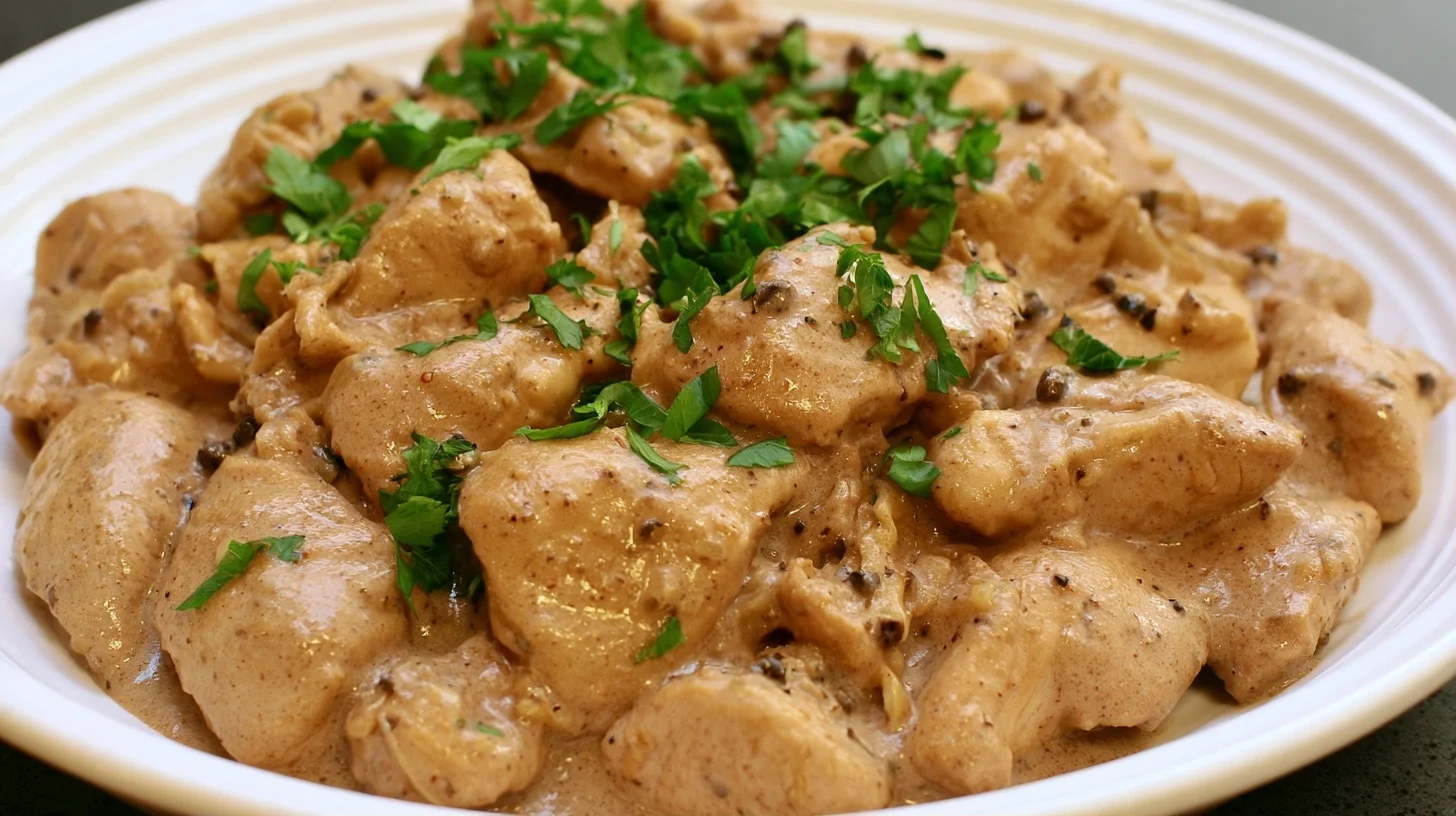
Table of contents
- Why You Will Love This Chicken au Poivre Recipe
- Essential Equipment for Perfect Chicken au Poivre
- How to Make Chicken au Poivre Recipe with Perfect Sauce
- Expert Tips for Restaurant-Quality Chicken au Poivre
- Common Mistakes That Ruin Chicken au Poivre
- Easy Chicken au Poivre Variations to Try
- Nutrition in Chicken au Poivre Recipe
- What to Serve With Chicken au Poivre
- How to Store and Reheat Chicken au Poivre
- Frequently Asked Questions about Chicken au Poivre Recipe
Why You Will Love This Chicken au Poivre Recipe
- Ready in less than 30 minutes from start to finish, making it perfect for busy weeknights.
- The cognac cream sauce is rich and restaurant-worthy, yet uses just a handful of pantry ingredients.
- You can adjust the pepper level to suit your taste, from gently spiced to boldly peppery.
- Works beautifully with both chicken breasts and thighs, giving you flexibility based on what you have on hand.
Essential Equipment for Perfect Chicken au Poivre
The right tools make a noticeable difference when you’re building a pan sauce and searing chicken. A heavy skillet holds heat evenly, which helps you get that golden crust without overcooking the interior.
- Heavy skillet or sauté pan: A 12-inch stainless steel or cast iron skillet works best because it retains heat and develops the flavorful fond you need for the sauce.
- Meat thermometer: This ensures your chicken reaches 165°F internally without guessing, which prevents both undercooking and drying out.
- Tongs: You’ll need these to flip the chicken gently and remove it from the pan without tearing the seared surface.
- Wooden spoon or silicone spatula: Essential for scraping up the browned bits when deglazing the pan, which forms the base of your sauce.
How to Make Chicken au Poivre Recipe with Perfect Sauce
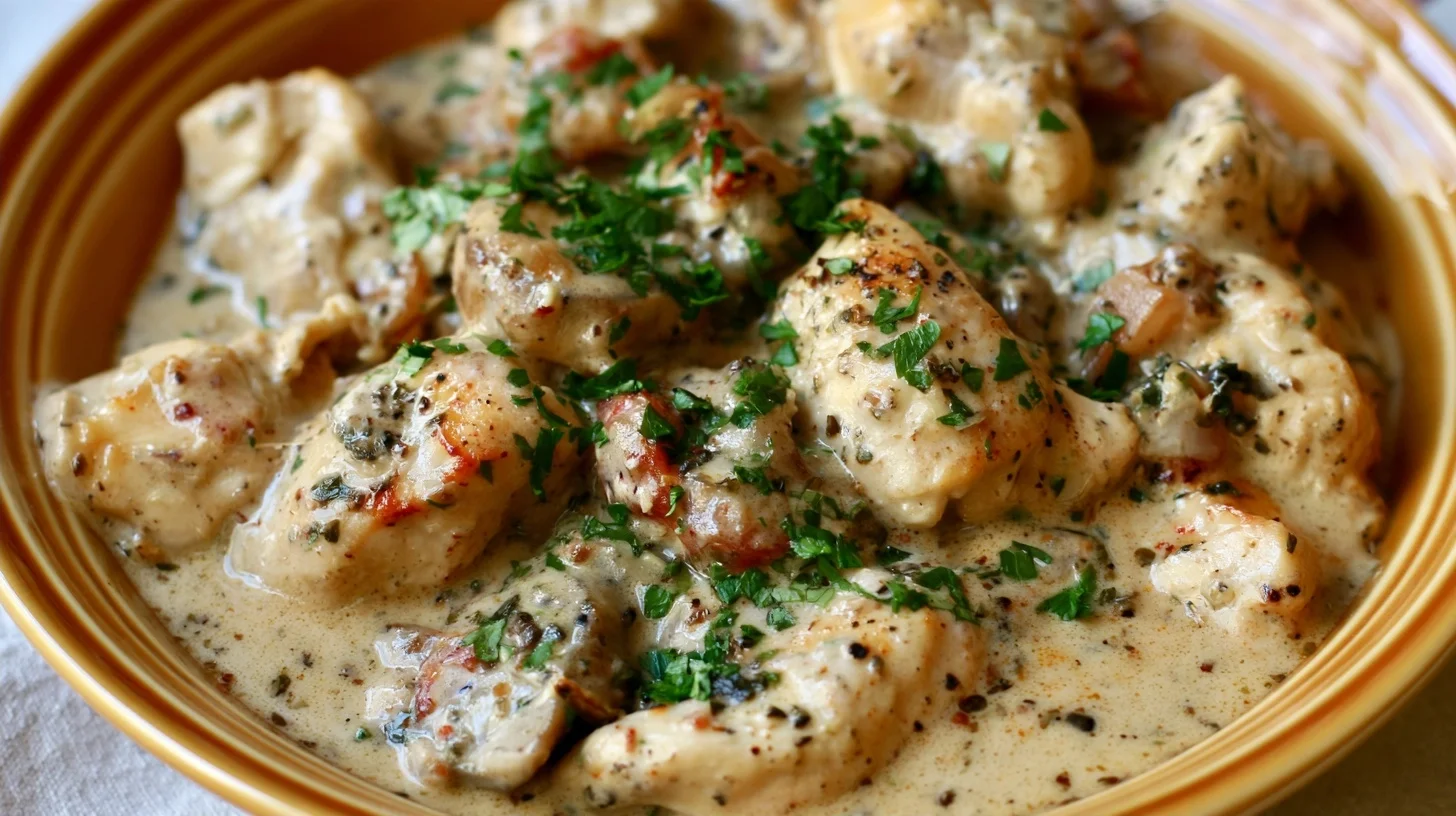
Chicken au Poivre
4
servings10
minutes18
minutes420
kcalThis chicken au poivre features tender, golden-seared chicken breasts coated in cracked black pepper and finished with a rich cognac cream sauce. The key is building the sauce in the same pan you use to cook the chicken, capturing all the flavorful browned bits to create a silky, restaurant-quality result in under 30 minutes.
Keep the screen of your device on
Ingredients
4 boneless, skinless chicken breasts
2 tablespoons whole black peppercorns
1 teaspoon salt
2 tablespoons olive oil
2 tablespoons unsalted butter
0.25 cup cognac or brandy
0.5 cup chicken stock
1 cup heavy cream
1 teaspoon Dijon mustard
2 tablespoons fresh parsley
Directions
- Pat the chicken breasts completely dry with paper towels, then season both sides with half the salt. Press the cracked peppercorns firmly into both sides of each chicken breast so they adhere well. Drying the surface helps the chicken sear properly instead of steaming, which creates the golden crust you need for flavor.
- Heat the olive oil and 1 tablespoon of butter in a large heavy skillet over medium-high heat until the butter foams and the pan is very hot. Add the chicken breasts without crowding and sear for 5 to 6 minutes on the first side without moving them. You should see a deep golden-brown crust when you lift the edge.
- Flip the chicken and cook for another 5 to 6 minutes on the second side, or until the internal temperature reaches 165°F. Remove the chicken to a plate and tent loosely with foil to keep warm while you make the sauce.
- Reduce the heat to medium and add the cognac to the hot pan, scraping up all the browned bits stuck to the bottom with a wooden spoon. Let the cognac simmer for about 30 seconds to cook off the alcohol, or carefully ignite it with a long match if you’re comfortable flambéing.
- Add the chicken stock and bring to a simmer, continuing to scrape the pan to dissolve any remaining browned bits. Let the liquid reduce by about half, which should take 2 to 3 minutes. This concentrates the flavors and creates a flavorful base for the cream.
- Lower the heat to medium-low and stir in the heavy cream and Dijon mustard, whisking until smooth. Let the sauce simmer gently for 3 to 5 minutes, stirring occasionally, until it thickens enough to coat the back of a spoon. The sauce should be creamy and pourable, not stiff.
Notes
- Pounding the chicken breasts to an even half-inch thickness ensures they cook at the same rate, preventing the thin end from drying out while the thick end finishes.
- If the sauce becomes too thick, whisk in a tablespoon of chicken stock or water to loosen it to your preferred consistency.
- Store leftovers in an airtight container in the refrigerator for up to 3 days. Reheat gently over medium-low heat, adding a splash of stock to loosen the sauce.
Nutrition Facts
- Serving Size: 1 g
- Total number of serves: 4
- Calories: 420kcal
- Fat: 28g
- Carbohydrates: 4g
- Fiber: 1g
- Protein: 35g
Did you make this recipe?
Tag @therecipemasterblog on Instagram and hashtag it with #therecipemaster
Like this recipe?
Follow @therecipemasterblog on Pinterest
Follow us on Facebook!
Follow The Recipe Master on Facebook
Expert Tips for Restaurant-Quality Chicken au Poivre
Crack Your Peppercorns Fresh for Maximum Flavor
Pre-ground pepper loses its aromatic oils quickly, which means less flavor and more flat heat. Cracking whole black peppercorns just before cooking releases volatile oils that give the dish its signature bold, complex pepper flavor. Use the bottom of a heavy skillet or a mortar and pestle to crack the peppercorns into coarse pieces rather than grinding them fine. This creates varied textures in the crust and prevents the pepper from tasting dusty or bitter.
Pound Chicken Breasts to Even Thickness
Chicken breasts naturally taper from thick to thin, which causes uneven cooking. Pounding the chicken to an even half-inch thickness ensures every part of the breast cooks at the same rate, preventing the thin end from drying out while the thick end finishes. Place the chicken between two sheets of plastic wrap and use a meat mallet or the bottom of a small saucepan to gently pound it flat. This also tenderizes the meat slightly, making the final texture more pleasant.
Don’t Skip the Cognac Flambé Step
Adding cognac or brandy and allowing it to flame off burns away the harsh alcohol while concentrating the rich, fruity flavor that balances the pepper’s heat. If you’re uncomfortable flaming the pan, simply let the cognac simmer for about 30 seconds to cook off the alcohol. Either way, this step adds depth that you can’t replicate with other ingredients. If cognac isn’t available, a good brandy works just as well.
Let the Sauce Reduce to Coating Consistency
After adding the cream, let the sauce simmer until it thickens enough to coat the back of a spoon without running off immediately. This usually takes about 3 to 5 minutes of gentle simmering. A properly reduced sauce clings to the chicken instead of pooling on the plate, which makes every bite flavorful. If the sauce becomes too thick, whisk in a tablespoon of chicken stock or water to loosen it.
Rest the Chicken Before Serving
Letting the chicken rest for 3 to 5 minutes after cooking allows the juices to redistribute throughout the meat instead of running out onto the cutting board. This keeps the chicken moist and tender. Use this time to finish the sauce, and serve the chicken with the sauce spooned generously over the top.
Common Mistakes That Ruin Chicken au Poivre
Overcrowding the Pan
Placing too many chicken breasts in the pan at once lowers the temperature and causes the chicken to steam instead of sear. This prevents the golden crust from forming and leaves you without the flavorful browned bits needed for the sauce. Cook the chicken in batches if necessary, leaving at least an inch of space between each piece. The extra few minutes are worth the difference in texture and flavor.
Using Too Much Pepper
While this is a pepper-forward dish, coating the chicken too heavily makes it unpleasantly sharp and overpowering. Start with about 1 tablespoon of cracked pepper for two large chicken breasts, then adjust to taste. You can always add more pepper to the sauce, but you can’t take it away once it’s on the chicken.
Not Deglazing the Pan Properly
The browned bits stuck to the bottom of the pan after searing the chicken are packed with flavor. If you don’t scrape them up when you add the cognac and stock, you lose the depth that makes the sauce special. Use a wooden spoon to scrape the bottom of the pan thoroughly while the liquid simmers, dissolving those bits into the sauce.
Adding Cream to a Pan That’s Too Hot
If the pan is still at high heat when you add the cream, it can break or curdle, giving you a grainy sauce instead of a smooth one. After deglazing with cognac and stock, reduce the heat to medium-low before stirring in the cream. Let it come to a gentle simmer rather than a rolling boil, and whisk occasionally to keep the sauce smooth.
Easy Chicken au Poivre Variations to Try
Chicken Thighs Instead of Breasts
Boneless, skinless chicken thighs work beautifully in this recipe and stay juicier than breasts because of their higher fat content. They take about the same amount of time to cook, though you should still check that they reach 165°F internally. The richer flavor of thigh meat pairs especially well with the bold pepper and cognac sauce.
Dairy-Free Cream Sauce
Replace the heavy cream with full-fat coconut cream for a dairy-free version. The coconut flavor is mild and blends well with the pepper and cognac, though the sauce will be slightly sweeter. You can also use cashew cream for a more neutral flavor that mimics traditional cream closely.
Add Fresh Herbs for Brightness
Stirring in a tablespoon of fresh thyme leaves or chopped tarragon at the end of cooking adds an herbal note that balances the richness of the cream. Tarragon is traditional in French cooking and complements the pepper beautifully, while thyme adds an earthy warmth.
Make It With Pork Chops
Boneless pork chops work just as well as chicken in this recipe. Sear them the same way, but cook them to an internal temperature of 145°F for juicy, tender results. The pork’s mild sweetness pairs beautifully with the peppery cognac sauce.
Nutrition in Chicken au Poivre Recipe
Chicken au poivre is a protein-rich dish that provides around 420 calories per serving, with about 35 grams of protein from the chicken. The cream sauce adds richness and contributes approximately 28 grams of fat, most of which comes from the heavy cream and butter. Carbohydrates are minimal, usually under 5 grams per serving, making this dish naturally low-carb and suitable for keto diets. The sodium content varies depending on how much salt you add and whether you use salted or unsalted butter, but it typically ranges from 400 to 600 milligrams per serving.
Chicken is an excellent source of lean protein, supporting muscle maintenance and providing essential amino acids. The dish also contains small amounts of calcium and vitamin A from the cream. If you’re watching fat intake, you can reduce the cream to three-quarters of a cup or substitute half-and-half, though the sauce will be thinner and less rich.
What to Serve With Chicken au Poivre
The rich, creamy sauce pairs beautifully with sides that can soak it up or provide a contrasting texture. Mashed potatoes or creamy polenta are classic choices that complement the sauce without competing with it. Roasted baby potatoes or buttered egg noodles also work well, offering a neutral base that lets the pepper and cognac flavors shine.
For vegetables, consider steamed green beans, roasted asparagus, or sautéed spinach. These lighter sides balance the richness of the sauce and add color to the plate. A simple arugula salad with lemon vinaigrette provides a peppery, acidic contrast that refreshes the palate between bites. If you’re looking for another French-inspired pairing, try serving this alongside caramelized onions and melted cheese for a complete bistro-style meal.
How to Store and Reheat Chicken au Poivre
Store leftover chicken and sauce together in an airtight container in the refrigerator for up to 3 days. The sauce may thicken as it cools, which is normal. When reheating, add a tablespoon or two of chicken stock or water to the pan to loosen the sauce back to its original consistency.
Reheat gently over medium-low heat on the stovetop, stirring occasionally, until the chicken is warmed through. Avoid using high heat, which can cause the cream sauce to separate or the chicken to dry out. You can also reheat individual portions in the microwave at 50% power in 30-second intervals, stirring the sauce between each interval. Freezing is not recommended because cream-based sauces tend to separate and become grainy when thawed.
Frequently Asked Questions about Chicken au Poivre Recipe
Yes, you can substitute brandy, dry white wine, or even chicken stock for the cognac. Brandy provides the closest flavor, while white wine adds acidity and brightness. If using stock, add a splash of lemon juice to balance the richness of the cream.
The chicken is done when it reaches an internal temperature of 165°F measured with a meat thermometer inserted into the thickest part. The juices should run clear, and the meat should feel firm but still springy to the touch.
You can, but freshly cracked peppercorns provide significantly better flavor and aroma. Pre-ground pepper loses its volatile oils quickly and can taste flat or dusty. If you must use pre-ground, reduce the amount slightly since it can taste sharper.
Half-and-half works but produces a thinner sauce. For a dairy-free option, use full-fat coconut cream or cashew cream. Greek yogurt can be used but should be added off heat and whisked gently to prevent curdling.




Leave a Reply