

This parker house rolls recipe makes soft, buttery rolls with a signature folded shape and a golden crust. The dough rises twice for a light, pillowy texture that pulls apart easily.
The recipe takes 2 hours 45 minutes start to finish and yields 16 rolls. Brushing melted butter into the fold before baking keeps the layers tender and creates the classic buttery flavor parker house rolls are known for.
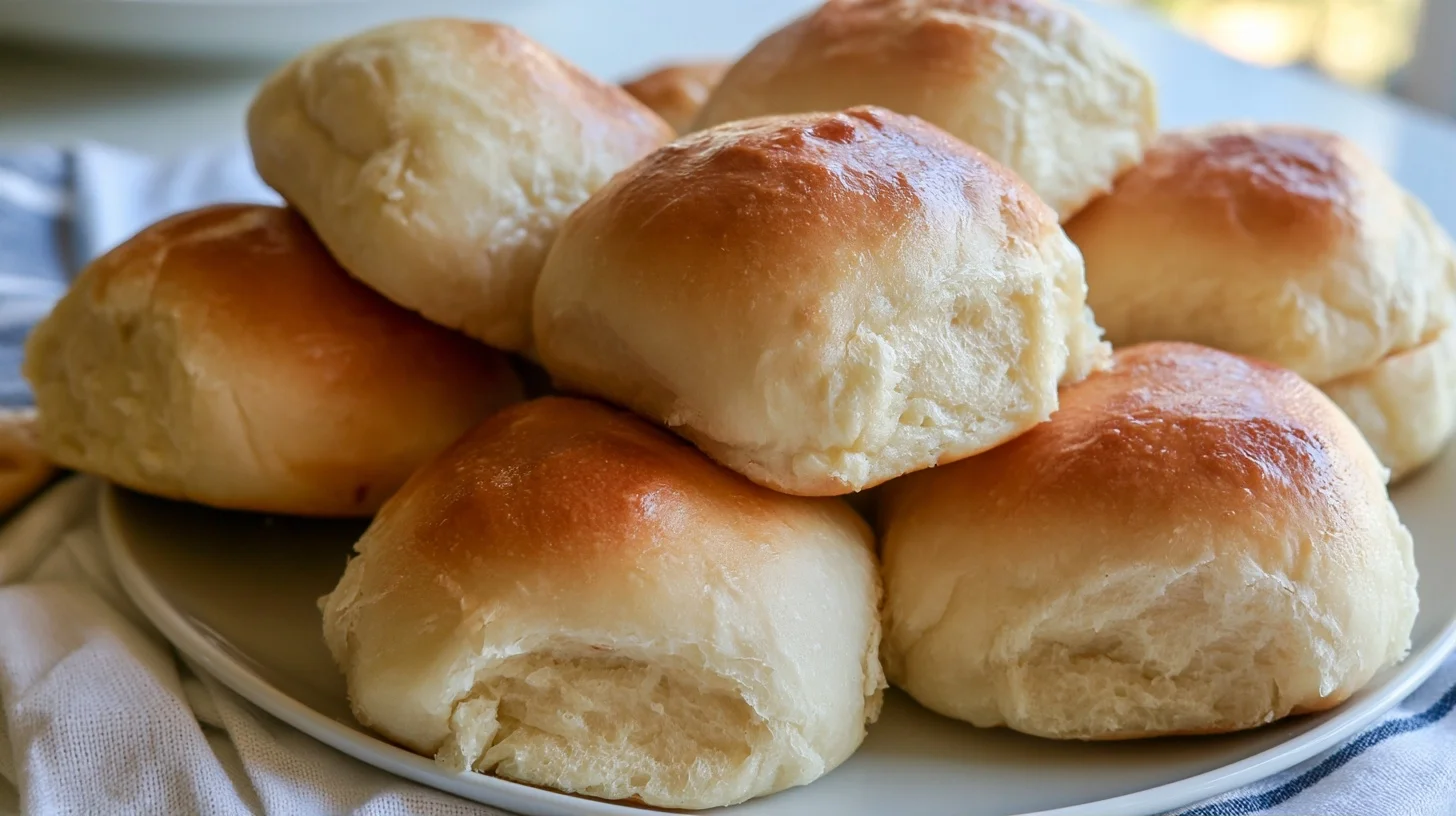
Table of contents
Why This Parker House Rolls Recipe Works
- Two rises give the rolls their light, airy crumb and prevent a dense texture.
- Brushing butter into the fold before the second rise ensures every bite is tender and rich.
- Rolling the dough to 1/4 inch thickness creates rolls that bake evenly in 12 to 15 minutes at 375°F.
- Whole milk and butter in the dough deliver the soft, enriched crumb that makes this recipe different from plain dinner rolls.
Parker House Rolls Recipe
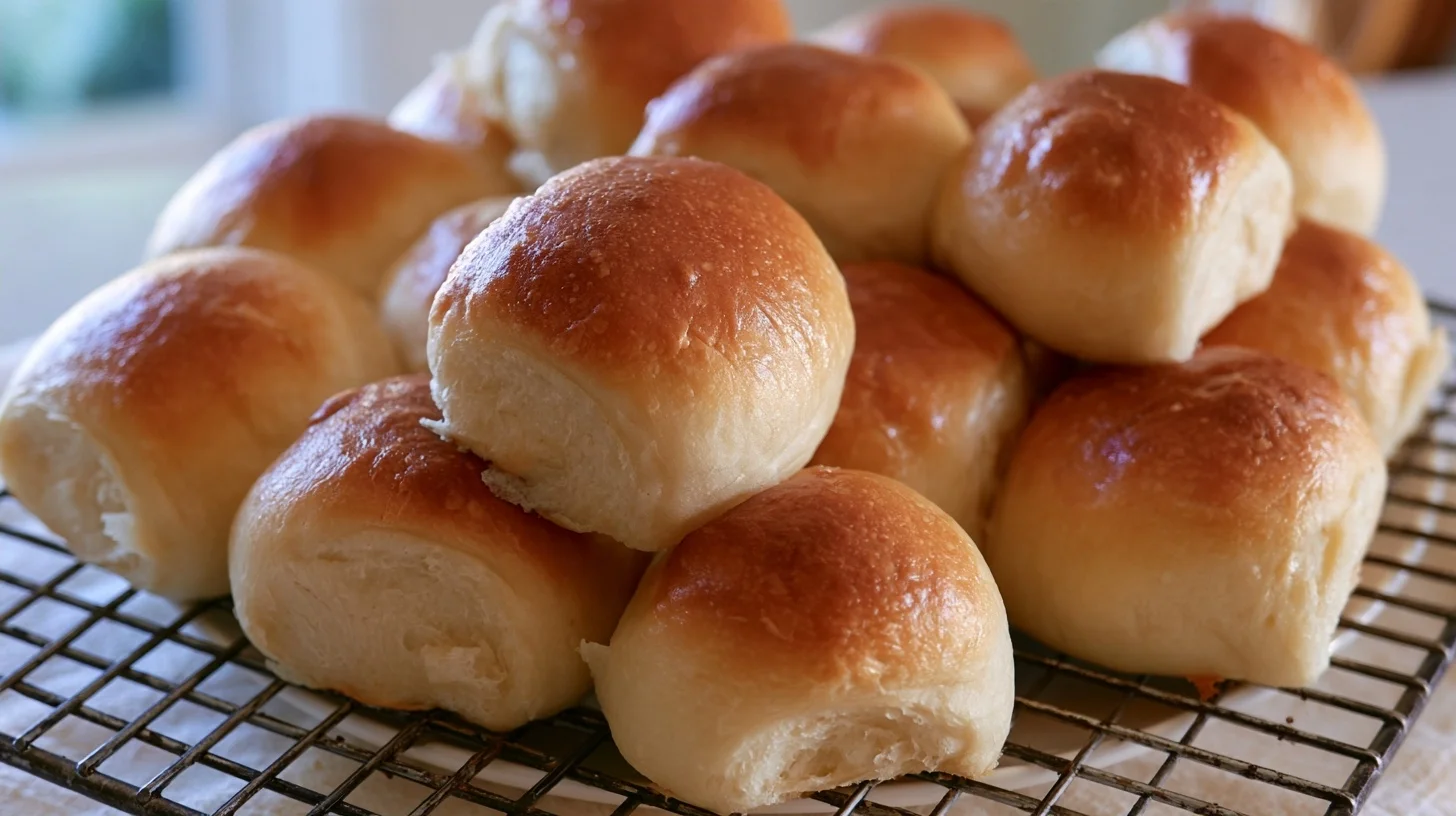
Parker House Rolls Recipe
16
servings30
minutes15
minutes145
kcalParker house rolls are soft, buttery yeast rolls with a signature folded shape and golden crust. This recipe takes 2 hours 45 minutes and yields 16 rolls with a light, tender crumb from two rises and butter brushed into each fold.
Keep the screen of your device on
Ingredients
1 cup whole milk
2.25 teaspoons active dry yeast
1/4 cup granulated sugar
4 cups all-purpose flour
1 teaspoon salt
1/4 cup unsalted butter
1 large egg
3 tablespoons unsalted butter
Directions
- Proof the yeast by combining warm milk, yeast, and 1 teaspoon of the sugar in a small bowl. Let it sit for 5 minutes until foamy. If it does not foam, the yeast is dead and you need to start over.
- Mix the dough by combining flour, remaining sugar, and salt in a large bowl. Add the yeast mixture, melted butter, and beaten egg. Stir until a shaggy dough forms.
- Knead the dough on a lightly floured surface for 8 to 10 minutes until smooth and elastic. The dough should bounce back when pressed and no longer stick to your hands.
- Let the dough rise by placing it in a greased bowl, turning to coat, and covering with a damp towel. Let it rise in a warm spot for 1 hour until doubled in size. Press gently with a finger; the dough should hold the print.
- Roll out the dough on a lightly floured surface to 1/4 inch thickness. Use a 3 inch round cutter to cut out circles. Gather scraps, reroll once, and cut more circles.
- Brush butter on each circle using a pastry brush to coat the surface with melted butter. Fold each circle in half and press the edges lightly to seal.
Notes
- Brushing 3 tablespoons of melted butter into the fold before the second rise creates the tender, layered texture parker house rolls are known for.
- If the rolls are dense, the dough did not rise long enough or you added too much flour. Let the dough double in size during both rises and measure flour by spooning it into the cup.
- Store baked rolls in an airtight container at room temperature for up to 2 days or refrigerate for up to 5 days. Freeze for up to 3 months and reheat in a 300°F oven for 5 to 7 minutes.
Nutrition Facts
- Serving Size: 1 g
- Total number of serves: 16
- Calories: 145kcal
- Fat: 5g
- Carbohydrates: 22g
- Net Carbs: 21g
- Fiber: 1g
- Protein: 3g
Did you make this recipe?
Tag @therecipemasterblog on Instagram and hashtag it with #therecipemaster
Like this recipe?
Follow @therecipemasterblog on Pinterest
Follow us on Facebook!
Follow The Recipe Master on Facebook
Key Ingredients and Substitutions
These ingredients control the texture and flavor of parker house rolls.
- Whole milk: Whole milk adds fat and creates a tender crumb. You can use 2% milk, but the rolls will be slightly less rich.
- Butter: Butter provides flavor and softness. Use unsalted butter so you control the salt level. Margarine works but lacks the same depth of flavor.
- Active dry yeast: Active dry yeast leavens the dough and gives the rolls their rise. Instant yeast can replace it 1 to 1, and you can skip the proofing step.
- All-purpose flour: All-purpose flour gives structure without making the rolls tough. Bread flour works but produces a chewier texture.
- Granulated sugar: Sugar feeds the yeast and adds a hint of sweetness. Honey can replace it at the same amount, but the rolls will brown faster.
- Egg: The egg enriches the dough and helps bind it. Without it, the rolls will be drier and less tender.
How to Make Perfect Parker House Rolls
Follow these steps to get soft, evenly risen rolls every time.
- Proof the yeast in warm milk: Heat the milk to 110°F to 115°F. Yeast that foams after 5 minutes is active. Milk hotter than 120°F kills the yeast.
- Knead until smooth and elastic: Knead the dough for 8 to 10 minutes by hand or 5 minutes in a stand mixer. The dough should bounce back when pressed and no longer stick to your hands.
- Let the dough double in size: The first rise takes 1 hour in a warm spot. Dough that has doubled will hold a fingerprint when gently pressed.
- Roll to 1/4 inch thickness: Thicker dough takes longer to bake and may stay doughy in the center. Thinner dough dries out.
- Brush butter generously into the fold: Use 3 tablespoons of melted butter for 16 rolls. This step creates the tender layers and rich flavor parker house rolls are known for.
- Space rolls 1 inch apart on the pan: Rolls that touch bake with soft sides. Rolls spaced farther apart develop a crust all around.
What Went Wrong
Why Are the Rolls Dense?
Dense rolls happen when the dough did not rise enough or when too much flour was added. Let the dough double fully during both rises, which takes 1 hour each time. Measure flour by spooning it into the cup and leveling it off. Scooping directly from the bag packs in extra flour.
Why Did the Rolls Dry Out?
Dry rolls result from overbaking or rolling the dough too thin. Bake for 12 to 15 minutes at 375°F, until the tops are golden. Check at 12 minutes. Roll the dough to exactly 1/4 inch thickness. Brush the baked rolls with melted butter immediately to add moisture.
Why Didn’t the Dough Rise?
Dough that does not rise had dead yeast or was too cold. Check the expiration date on your yeast and proof it in 110°F to 115°F milk. If it does not foam after 5 minutes, start over with fresh yeast. Place the dough in a warm spot, around 75°F to 80°F, during both rises.
Variations on Parker House Rolls
Whole Wheat Parker House Rolls
Replace up to half the all-purpose flour with whole wheat flour. Use 2 cups all-purpose and 2 cups whole wheat. The rolls will be denser and have a nuttier flavor. Add 2 tablespoons more milk to keep the dough soft.
Herb Butter Parker House Rolls
Mix 2 tablespoons chopped fresh rosemary or thyme into the melted butter before brushing it into the folds. The herbs add a savory note. Garlic powder works too, at 1 teaspoon per 3 tablespoons butter.
Make Ahead Parker House Rolls
After shaping and folding the rolls, cover the pan tightly and refrigerate for up to 24 hours. Let the rolls sit at room temperature for 30 minutes before baking. Bake as directed. This method lets you prep the night before.
What to Serve With Parker House Rolls
Serve parker house rolls with roasted turkey or ham for Thanksgiving and holiday dinners. They also pair well with soups and stews, especially tomato soup or beef stew, because they soak up broth. For breakfast, split them and spread with jam or honey. cinnamon sourdough bread offers a tangier, more complex flavor for mornings when you want something different.
How to Store and Reheat Parker House Rolls
Store baked parker house rolls in an airtight container or zip-top bag at room temperature for up to 2 days. For longer storage, refrigerate them for up to 5 days. The rolls will firm up in the fridge. Reheat in a 300°F oven for 5 to 7 minutes, wrapped in foil, until warm.
Freeze baked rolls in a freezer bag for up to 3 months. Thaw at room temperature for 1 hour, then reheat as above. You can also freeze the shaped, unbaked rolls after the first rise. Freeze on a baking sheet, then transfer to a bag. Thaw overnight in the fridge, let rise for 1 hour at room temperature, and bake as directed.
Parker House Rolls FAQs
Yes, shape the rolls and refrigerate them for up to 24 hours. Let them sit at room temperature for 30 minutes before baking.
Parker house rolls are folded in half with butter inside, creating a tender layered texture. Regular dinner rolls are shaped into rounds or knots without the fold.
The dough is ready when it has doubled in size and holds a fingerprint when gently pressed. This takes about 1 hour in a warm spot.
Yes, freeze baked rolls for up to 3 months in a freezer bag. Thaw at room temperature and reheat in a 300°F oven for 5 to 7 minutes.


Leave a Reply