

The healthiest rice for weight loss is typically brown rice, black rice, or wild rice, all of which deliver more fiber and protein per serving than white rice. These varieties keep you fuller longer and cause a slower rise in blood sugar. Brown rice offers 3.5 grams of fiber per cooked cup compared to just 0.6 grams in white rice, which makes a real difference when you’re trying to manage hunger between meals.
This guide focuses on how to cook brown rice perfectly so it becomes a weekly staple. Total time is 50 minutes for 4 servings. The key is a 2 to 1 water ratio and a 10 minute rest after cooking, which gives you separate, tender grains instead of a sticky or mushy texture. Cooked rice keeps for 5 days in the refrigerator, so you can prep a batch on Sunday and use it for weight loss meals all week.
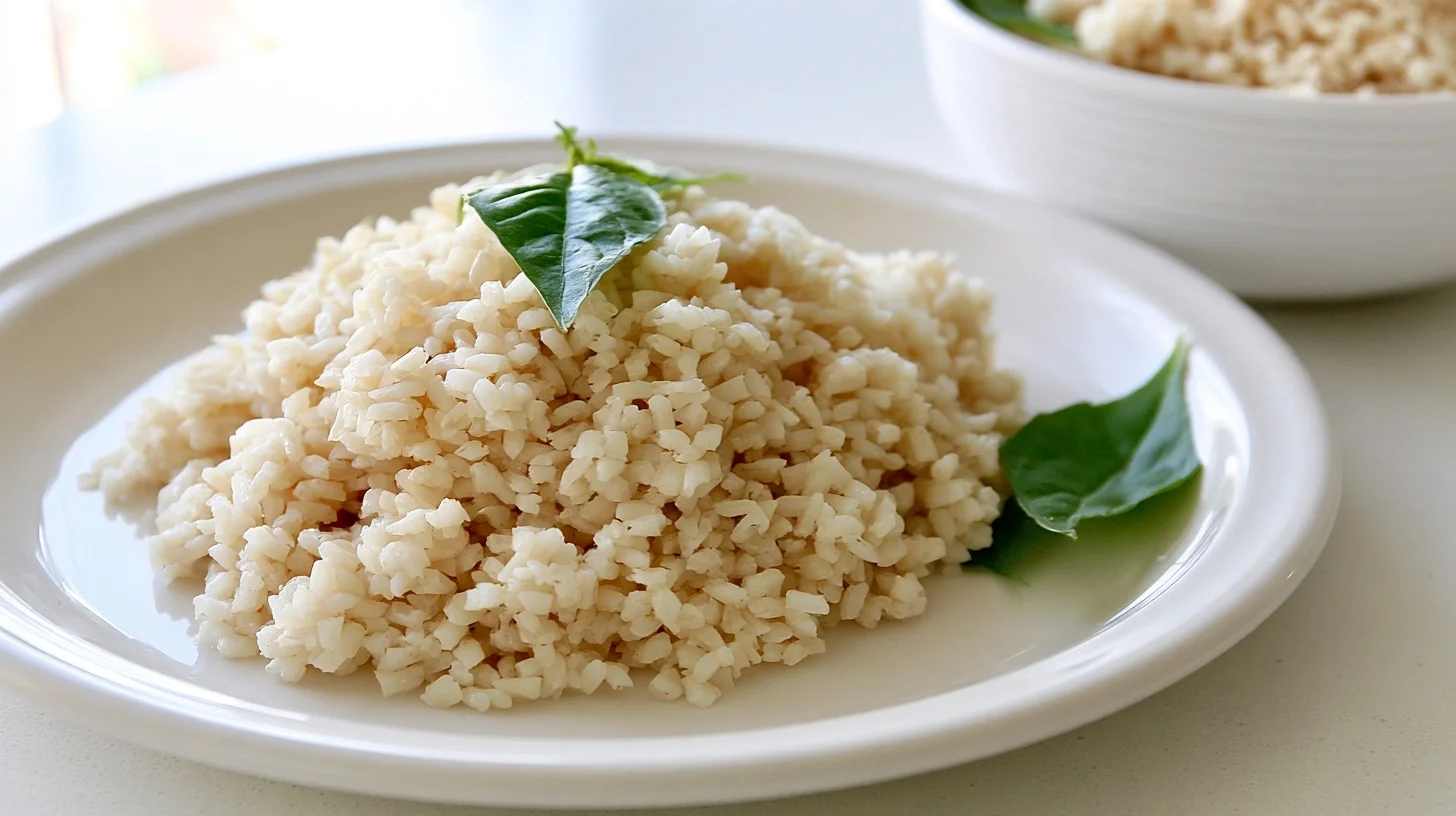
Table of contents
- Why This Healthiest Rice for Weight Loss Works
- How to Cook Brown Rice for Weight Loss
- Key Ingredients and Substitutions For The Healthiest Rice for Weight Loss
- How to Get Brown Rice Right
- What Went Wrong
- Rice Varieties and Their Benefits
- What to Serve With Brown Rice
- How to Store and Reheat Cooked Rice
- Healthiest Rice for Weight Loss FAQs
Why This Healthiest Rice for Weight Loss Works
- Brown rice delivers 3.5 grams of fiber per cup, which slows digestion and keeps hunger in check for hours.
- The 2 to 1 water ratio and 45 minute simmer produce tender grains without added fat or oil.
- A 10 minute rest off the heat lets steam finish the cooking, so every grain separates cleanly and the texture stays light.
How to Cook Brown Rice for Weight Loss
Healthiest Rice for Weight Loss Recipe
4
servings5
minutes45
minutes216
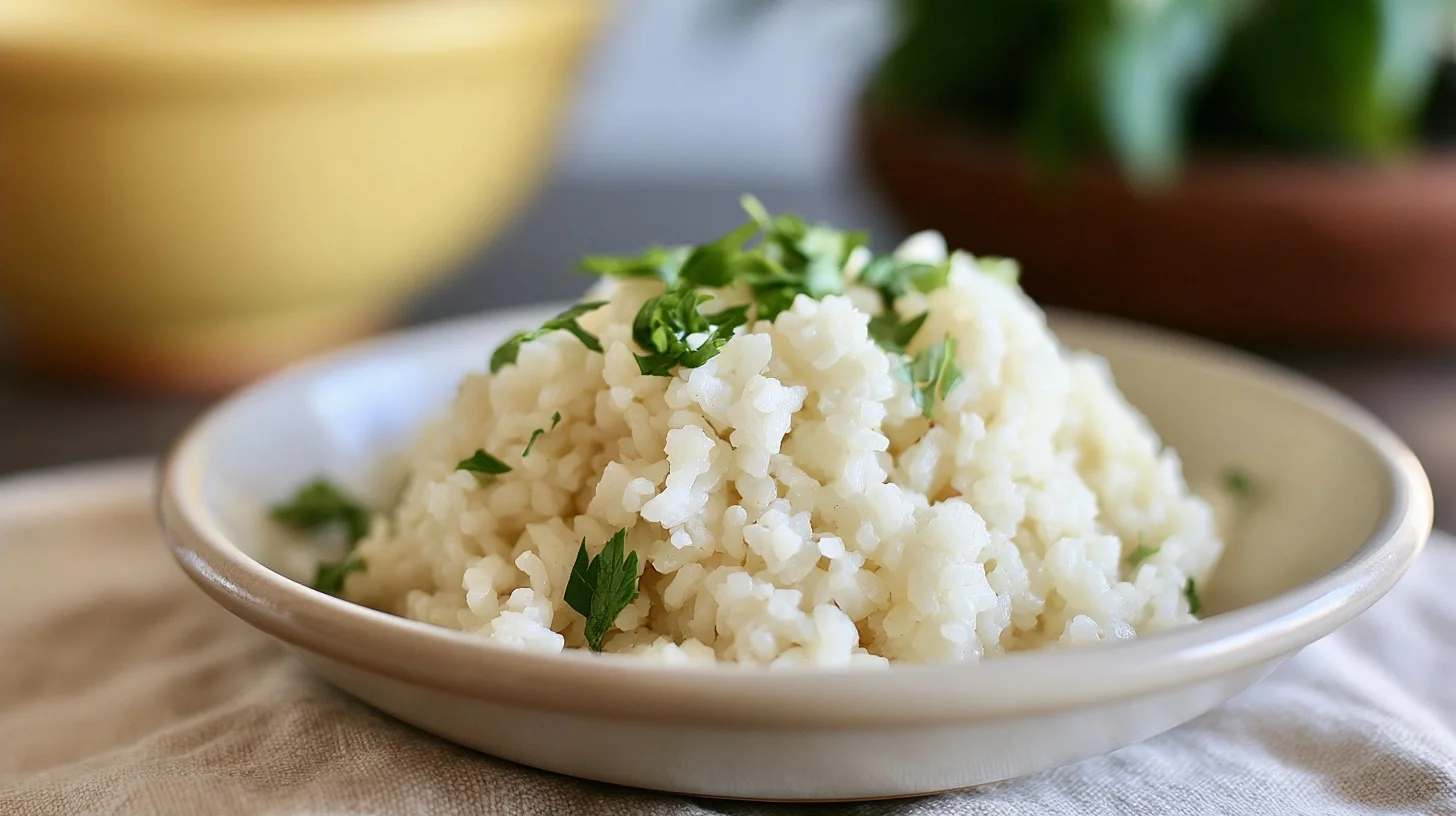
kcalThis recipe shows how to cook brown rice perfectly for weight loss meal prep. It takes 50 minutes and yields 4 servings of tender, fiber rich grains using a simple 2 to 1 water ratio and a 10 minute rest.
Keep the screen of your device on
Ingredients
1 cup long grain brown rice
2 cups water
0.5 teaspoon salt
Directions
- Rinse the rice in a fine mesh strainer under cold water for 30 seconds until the water runs clear. This removes surface starch that causes clumping.
- Bring the water and salt to a boil in a medium saucepan over high heat. The water should reach a rolling boil, which takes 3 to 4 minutes.
- Add the rinsed rice to the boiling water, stir once, then immediately reduce heat to low. Cover the pot with a tight fitting lid.
- Simmer covered for 45 minutes without lifting the lid. The rice is done when all water is absorbed and the grains are tender but still have a slight chew.
- Remove from heat and rest for 10 minutes with the lid still on. This lets the grains firm up and absorb any remaining moisture.
- Fluff with a fork by dragging the tines through the rice in a lifting motion. Serve the healthiest rice for weight loss immediately or let it cool for meal prep.
Notes
- Brown rice delivers 3.5 grams of fiber per cooked cup, which is nearly 6 times more than white rice and helps control hunger for hours.
- If the rice is still crunchy after 45 minutes, add 1/4 cup of boiling water, cover, and cook for 5 more minutes on low heat.
- Cooked brown rice keeps for 5 days in an airtight container in the refrigerator. Substitute black rice for 5 grams of fiber per cup, using the same water ratio and cooking time.
Nutrition Facts
- Serving Size: 1 g
- Total number of serves: 4
- Calories: 216kcal
- Fat: 2g
- Carbohydrates: 45g
- Net Carbs: 41.5g
- Fiber: 3.5g
- Protein: 5g
Did you make this recipe?
Tag @therecipemasterblog on Instagram and hashtag it with #therecipemaster
Like this recipe?
Follow @therecipemasterblog on Pinterest
Follow us on Facebook!
Follow The Recipe Master on Facebook
The sections below explain which rice varieties work best for weight loss goals, how to avoid mushy or undercooked grains, and how to store cooked rice safely for meal prep.
Key Ingredients and Substitutions For The Healthiest Rice for Weight Loss
Each rice variety brings different fiber, protein, and texture to your weight loss plan.
- Brown rice: contains the bran layer that white rice lacks, which adds 3.5 grams of fiber per cup. Substitute with short grain brown rice for a slightly stickier texture, though cooking time stays the same.
- Black rice: also called forbidden rice, offers 5 grams of fiber and more antioxidants than brown rice. Use the same 2 to 1 water ratio but expect a chewier bite and a deep purple color after cooking.
- Wild rice: technically a grass seed, not true rice, with 3 grams of fiber and 6.5 grams of protein per cup. It needs 50 to 60 minutes of cooking and a 3 to 1 water ratio, so plan extra time.
- Water: the 2 to 1 ratio is critical for brown rice. Too much water makes it mushy, too little leaves it crunchy. No oil or butter is needed, which keeps calories low.
- Salt: optional, but 1/2 teaspoon per cup of dry rice enhances flavor without adding significant sodium. Skip it if you’re watching sodium closely.
How to Get Brown Rice Right
These steps prevent the most common texture problems when cooking the healthiest rice for weight loss.
- Rinse the rice: run cold water over the grains in a fine mesh strainer for 30 seconds. This removes surface starch that causes clumping. You’ll see the water run clear when it’s ready.
- Bring water to a full boil first: add the rice only after the water reaches a rolling boil, then immediately reduce heat to low. Adding rice to cold water results in uneven cooking and a gummy layer at the bottom.
- Simmer covered for 45 minutes: do not lift the lid during this time. Steam escapes and the temperature drops, which extends cooking time and dries out the top layer. Brown rice for weight loss needs consistent gentle heat to cook through the bran.
- Rest off heat for 10 minutes: after 45 minutes, turn off the burner and leave the pot covered. The grains absorb the last bit of moisture and firm up. Skipping this step leaves you with wet, sticky rice.
- Fluff with a fork: drag the fork through the rice in a lifting motion to separate the grains. Stirring with a spoon smashes them and creates a pasty texture.
What Went Wrong
Why Is the Rice Still Crunchy After 45 Minutes?
The water ratio was too low or the heat was too high. Brown rice needs exactly 2 cups of water per 1 cup of dry rice to hydrate the bran layer. If the pot ran dry before 45 minutes, add 1/4 cup of boiling water, cover, and cook for 5 more minutes. Next time, check that your burner is set to low, not medium.
Why Did the Bottom Layer Burn?
The heat was too high or the pot was too thin. A heavy bottomed pot distributes heat evenly and prevents scorching. If you see smoke or smell burning during the 45 minute simmer, immediately move the pot to a cool burner and transfer the unburned rice to a new pot. Finish cooking on the lowest heat setting your stove offers.
Why Is the Texture Mushy?
You used too much water or lifted the lid repeatedly during cooking. Each time you open the pot, steam escapes and you compensate by adding more water, which oversaturates the grains. Mushy rice cannot be fixed, but you can spread it on a baking sheet and let it air dry for 10 minutes, then use it in fried rice where the drier texture is an advantage.
Rice Varieties and Their Benefits
Different rice types support weight loss in slightly different ways. Brown rice is the most accessible and affordable option, with 216 calories and 3.5 grams of fiber per cooked cup. Black rice has 160 calories and 5 grams of fiber, plus anthocyanins that give it the dark color. Wild rice offers 166 calories and 6.5 grams of protein, which helps with muscle maintenance during weight loss. Healthline’s guide to the healthiest rice compares the nutrient profiles of these and other varieties in detail. White rice, in contrast, has only 0.6 grams of fiber per cup and causes a faster blood sugar spike, which makes it less helpful for managing hunger.
What to Serve With Brown Rice
Pair cooked brown rice with lean protein and vegetables for a complete weight loss meal. Grilled chicken breast, baked salmon, or tofu add protein without excess fat. Steamed broccoli, roasted Brussels sprouts, or sautéed spinach contribute volume and fiber. For a one bowl meal, try rice pilaf with vegetables and herbs, which uses the same cooking method but adds onions, garlic, and chicken broth for more flavor.
How to Store and Reheat Cooked Rice
Cooked brown rice keeps for 5 days in the refrigerator in an airtight container. Let it cool to room temperature first, which takes about 30 minutes, then seal and refrigerate. For longer storage, freeze portions in freezer bags for up to 3 months. Reheat refrigerated rice in the microwave for 1 to 2 minutes with 1 tablespoon of water per cup, covered, or on the stovetop over low heat for 3 to 5 minutes. Frozen rice can go straight from the freezer to the microwave for 3 to 4 minutes. The texture stays separate and the fiber content does not change with reheating, so meal prepped rice works just as well for weight loss as freshly cooked.
Healthiest Rice for Weight Loss FAQs
Brown rice, black rice, and wild rice are the healthiest options for weight loss. They contain 3 to 5 grams of fiber per cup, which keeps you full longer.
One half to 1 cup of cooked brown rice per meal is a reasonable portion. That provides 108 to 216 calories and helps control hunger without excess carbs.
Yes, brown rice is better for weight loss because it has 3.5 grams of fiber per cup compared to 0.6 grams in white rice. The fiber slows digestion and stabilizes blood sugar.
Yes, if you choose high fiber varieties like brown or black rice and control portions. Pair it with lean protein and vegetables for balanced meals.






Leave a Reply