

This bottom round roast recipe turns a lean, affordable cut into a tender, flavorful roast with a simple seasoning rub and slow oven roasting at 275°F. The low temperature breaks down the tough muscle fibers without drying out the meat, and a 10 minute rest after cooking locks in the juices.
The roast takes 3 hours and 30 minutes total and serves 8. Success depends on roasting at a low temperature for the full time and letting the roast rest before slicing. Bottom round roast keeps for 3 to 4 days in the refrigerator and reheats well for sandwiches and grain bowls.
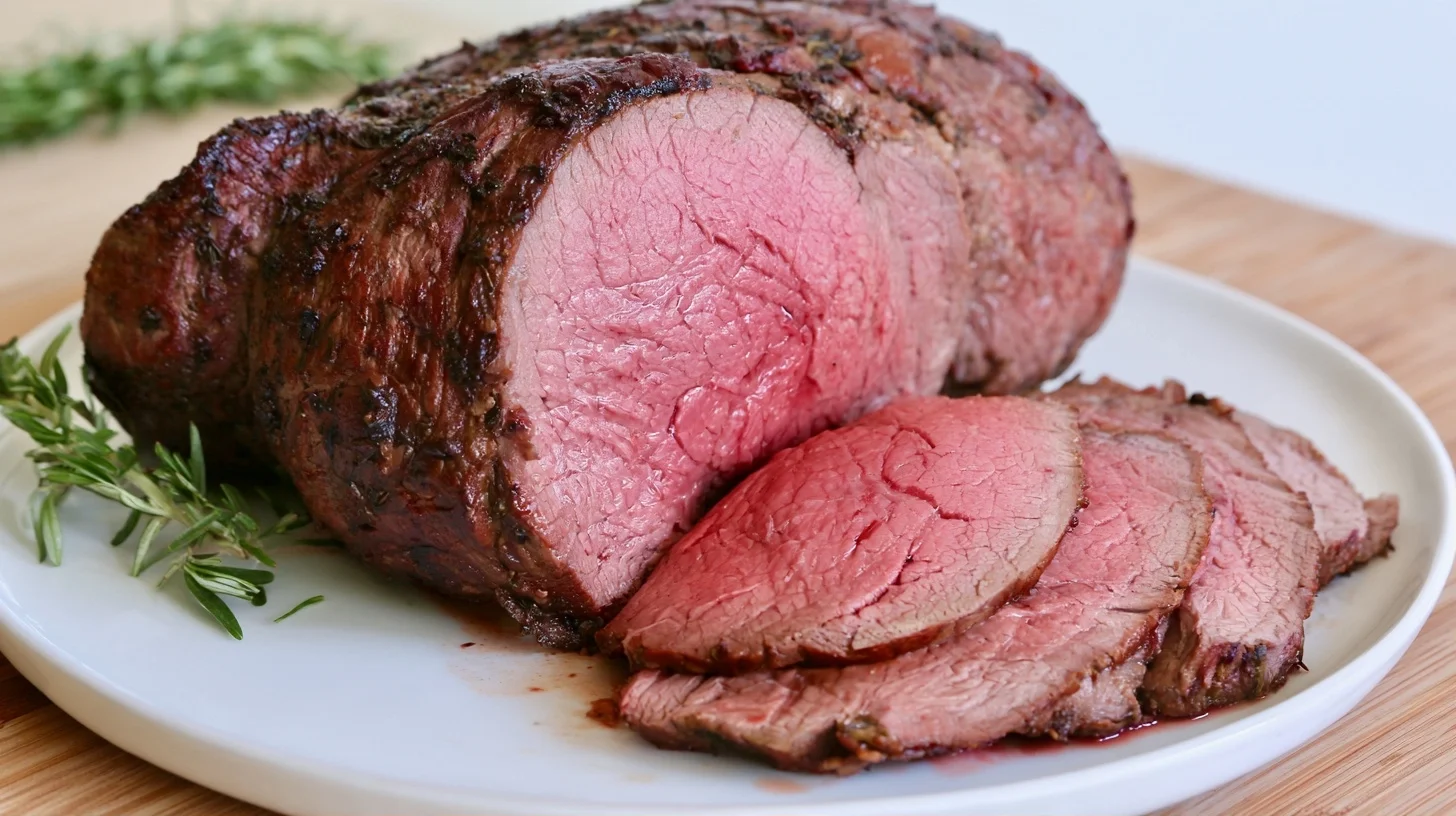
Table of contents
Why This Bottom Round Roast Recipe Works
- Roasting at 275°F for 2 hours and 45 minutes gives the connective tissue time to soften without overcooking the lean meat.
- A dry rub of garlic powder, onion powder, and black pepper forms a flavorful crust that seals the surface.
- Resting the roast for 10 minutes after cooking lets the juices redistribute, so they stay in the meat when you slice it instead of running onto the cutting board.
How to Make Bottom Round Roast
Bottom Round Roast Recipe
8
servings15
minutes2
hours45
minutes285
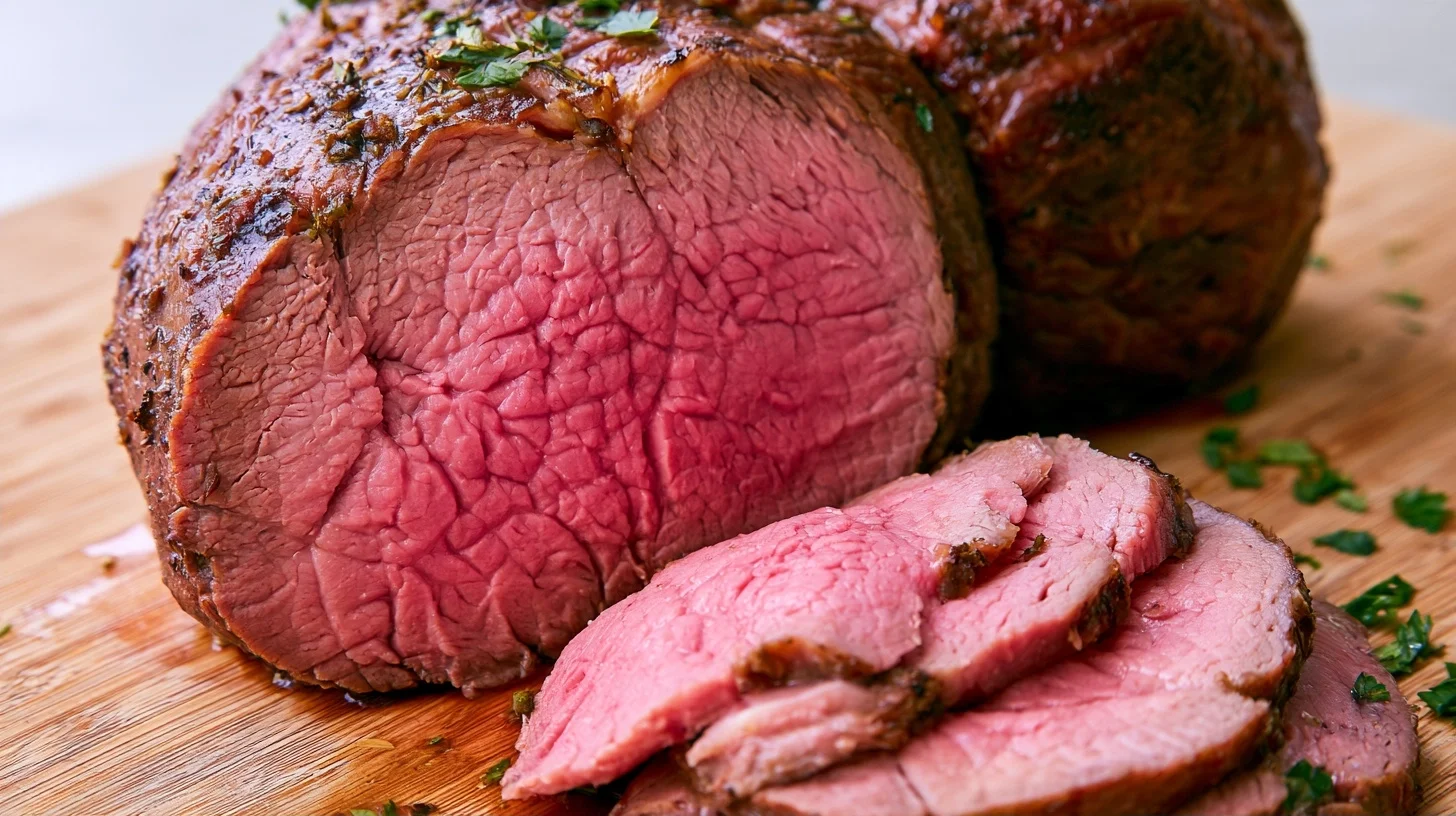
kcalBottom round roast is a lean beef cut from the rear leg that becomes tender and flavorful with slow roasting and a simple seasoning rub. The roast takes 3 hours and 30 minutes total, serves 8, and turns out best when cooked at 275°F and rested for 10 minutes before slicing.
Keep the screen of your device on
Ingredients
3 pounds bottom round roast
2 tablespoons olive oil
2 teaspoons kosher salt
1 teaspoon black pepper
1 teaspoon garlic powder
1 teaspoon onion powder
Directions
- Remove the roast from the refrigerator and let it sit at room temperature for 30 minutes. Pat the surface completely dry with paper towels. A dry surface browns better than a wet one.
- Preheat the oven to 275°F and position the rack in the center. Line a roasting pan with foil for easy cleanup.
- Rub the roast with olive oil, coating all sides evenly. The oil helps the seasonings stick and promotes browning.
- Combine the salt, black pepper, garlic powder, and onion powder in a small bowl. Rub the mixture all over the roast, pressing it into the surface so it adheres.
- Place the roast in the prepared pan and roast uncovered for 2 hours and 45 minutes. The surface should be deeply browned and the internal temperature should reach 135°F for medium rare.
- Remove the roast from the oven and tent it loosely with foil. Let it rest for 10 minutes. The internal temperature will rise to 140°F and the juices will redistribute.
Notes
- Bottom round roast needs 45 to 55 minutes per pound at 275°F to reach 135°F, so a 3 pound roast takes about 2 hours and 45 minutes.
- If the roast is dry, the oven temperature was too high or the internal temperature went above 145°F. Slice it thin and serve it with gravy or au jus to add moisture back.
- Store leftover bottom round roast in an airtight container in the refrigerator for 3 to 4 days. Use rump roast or eye of round as a substitute, but reduce the cook time by 15 minutes per pound for eye of round because it is leaner.
Nutrition Facts
- Serving Size: 1 g
- Total number of serves: 8
- Calories: 285kcal
- Fat: 12g
- Carbohydrates: 1g
- Fiber: 0g
- Protein: 42g
Did you make this recipe?
Tag @therecipemasterblog on Instagram and hashtag it with #therecipemaster
Like this recipe?
Follow @therecipemasterblog on Pinterest
Follow us on Facebook!
Follow The Recipe Master on Facebook
This bottom round roast recipe delivers tender slices every time with a low oven temperature and a simple seasoning blend. The sections below cover the key ingredients, the techniques that prevent dryness, and how to store and reheat leftovers.
Key Ingredients and Substitutions
Bottom round roast is a lean cut from the rear leg of the cow, and the right seasonings and cooking method make it tender. Here are the ingredients that shape the flavor and texture.
- Bottom round roast: This cut has long muscle fibers and little marbling, so it needs slow roasting to become tender. You can substitute rump roast or eye of round, but eye of round is even leaner and dries out faster, so reduce the cook time by 15 minutes per pound.
- Olive oil: A thin coat of oil helps the dry rub stick to the meat and promotes browning. Avocado oil or melted butter work just as well and add a richer flavor.
- Garlic powder: Garlic powder distributes evenly over the surface and toasts during roasting, creating a savory crust. Fresh minced garlic burns at low temperatures, so powder is the better choice here.
- Onion powder: Onion powder adds sweetness and depth without moisture that would prevent browning. Granulated onion works, but use half the amount because the pieces are larger.
- Black pepper: Coarsely ground black pepper adds heat and texture to the crust. White pepper is milder and blends into the surface instead of standing out visually.
- Salt: Kosher salt seasons the meat and draws moisture to the surface, which then evaporates to form a dry exterior that browns well. Table salt is finer, so use half the amount or the roast will taste too salty.
How to Get Bottom Round Roast Right
Bottom round roast turns out tender and juicy when you control the temperature and give the meat time to rest. These tips cover the moments that decide whether the roast succeeds or fails.
- Bring the roast to room temperature: Let the roast sit on the counter for 30 minutes before seasoning. Cold meat from the refrigerator cooks unevenly, with the outside overdone before the center reaches 135°F.
- Pat the surface dry: Use paper towels to remove all moisture from the roast before rubbing it with oil. A dry surface browns and forms a crust, while a wet surface steams and stays pale.
- Roast at 275°F for the full time: Bottom round roast needs 2 hours and 45 minutes at 275°F to reach an internal temperature of 135°F for medium rare. Higher heat tightens the muscle fibers and squeezes out moisture, leaving the meat tough and dry.
- Use a meat thermometer: Insert an instant read thermometer into the thickest part of the roast. Pull it from the oven at 135°F for medium rare or 145°F for medium. The temperature rises 5 degrees during the rest, so removing it early prevents overcooking.
- Rest the roast for 10 minutes: Tent the roast loosely with foil and let it sit on the cutting board. Slicing immediately releases the juices onto the board instead of keeping them in the meat, and the texture is tougher.
- Slice against the grain: Look for the direction the muscle fibers run and cut perpendicular to them. Slicing with the grain leaves long fibers that are hard to chew, even when the roast is cooked correctly.
Slow Cooker Method
Sear the seasoned roast in a skillet over medium high heat for 3 minutes per side, then transfer it to a slow cooker. Add 1 cup of beef broth and cook on low for 6 to 7 hours. The roast is done when it reaches 145°F and shreds easily with a fork.
What Went Wrong
Why Is the Roast Dry and Tough?
The roast dried out because the oven temperature was too high or the internal temperature went above 145°F. High heat squeezes moisture out of the lean meat faster than the connective tissue can break down. If the roast is already cooked, slice it thin and serve it with gravy or au jus to add moisture back. Next time, roast at 275°F and pull it from the oven at 135°F.
Why Is the Center Still Cold?
The center stayed cold because the roast went into the oven straight from the refrigerator. Cold meat takes longer to heat through, and the outside overcooks before the center reaches temperature. Return the roast to the oven and check the internal temperature every 10 minutes until it reaches 135°F. Next time, let the roast sit at room temperature for 30 minutes before cooking.
Why Did the Crust Burn?
The crust burned because the oven temperature was above 300°F or the roast sat too close to the heating element. Garlic powder and onion powder scorch at high heat, turning bitter and black. Scrape off the burned layer and slice the meat underneath. For your next bottom round roast recipe, place the roast on the center rack and keep the temperature at 275°F.
What to Serve With Bottom Round Roast
Bottom round roast pairs well with sides that soak up the pan juices or balance the rich, savory flavor of the beef. Serve it with mashed potatoes, roasted carrots, or a simple green salad. pot roast recipe uses similar vegetables and cooking techniques if you want a one pot meal with the same tender texture.
How to Store and Reheat Bottom Round Roast
Bottom round roast keeps for 3 to 4 days in the refrigerator when stored in an airtight container or wrapped tightly in foil. Slice the roast before storing it so it cools faster and reheats evenly. The roast freezes well for up to 3 months in a freezer safe bag with the air pressed out.
Reheat sliced roast in a covered dish with 2 tablespoons of beef broth at 300°F for 15 to 20 minutes, or until the internal temperature reaches 165°F. The broth adds moisture back and prevents the meat from drying out. For sandwiches, reheat individual slices in a skillet over medium heat for 1 minute per side.
Bottom Round Roast FAQs
A bottom round roast takes 45 to 55 minutes per pound at 275°F. A 3 pound roast needs about 2 hours and 45 minutes to reach 135°F.
You can cook bottom round roast at 350°F, but it will be tougher and drier. The higher heat tightens the lean meat before the connective tissue softens. Stick with 275°F for the best texture.
Reheat sliced bottom round roast in a covered dish with 2 tablespoons of beef broth at 300°F for 15 to 20 minutes. The broth adds moisture and the cover traps steam so the meat stays tender.
No, leave the roast uncovered so the surface dries out and forms a crust. Covering it traps steam, which prevents browning and leaves the exterior pale and soft.





Leave a Reply