

This tartar sauce recipe delivers a bright, tangy condiment with crunchy pickles and fresh herbs in just 5 minutes of stirring. Made with mayonnaise, dill pickles, lemon juice, and a handful of seasonings, it tastes sharper and fresher than anything from a jar.
The recipe takes 5 minutes start to finish, makes 1 cup, and needs no cooking. The ratio of pickles to mayonnaise controls the texture: too many pickles and the sauce turns watery, too few and it tastes flat. Tartar sauce keeps for up to 1 week in the refrigerator and tastes best after 30 minutes of chilling, when the flavors blend.
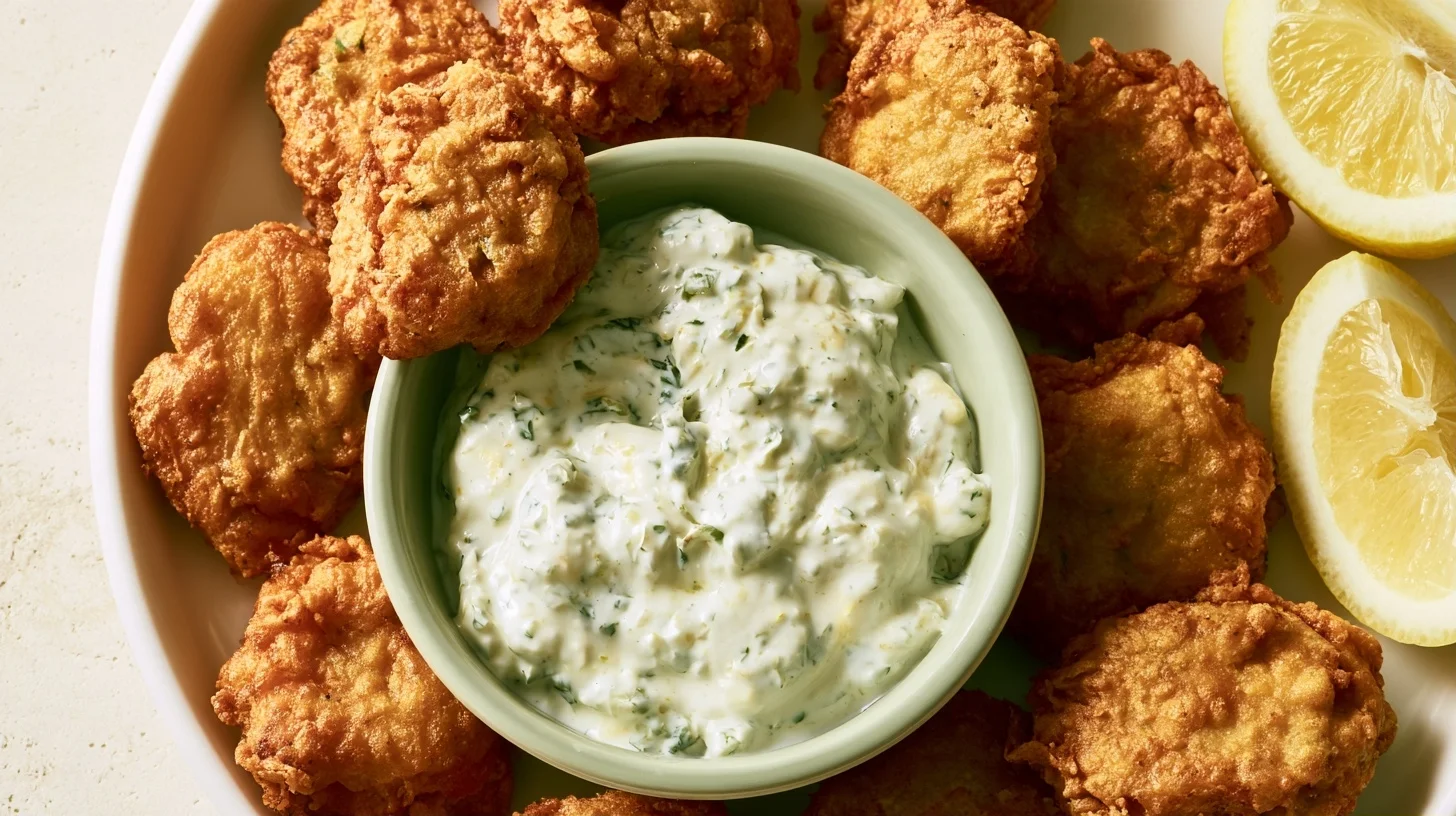
Table of contents
Why This Tartar Sauce Works
- Dill pickles provide the signature tang and crunch, while their brine adds extra acidity without thinning the sauce.
- Fresh lemon juice brightens the mayonnaise base and balances the richness, making this tartar sauce recipe taste clean instead of heavy.
- Chilling for 30 minutes lets the onion and garlic mellow and the flavors marry, preventing any single ingredient from tasting too sharp.
Homemade Tartar Sauce Recipe
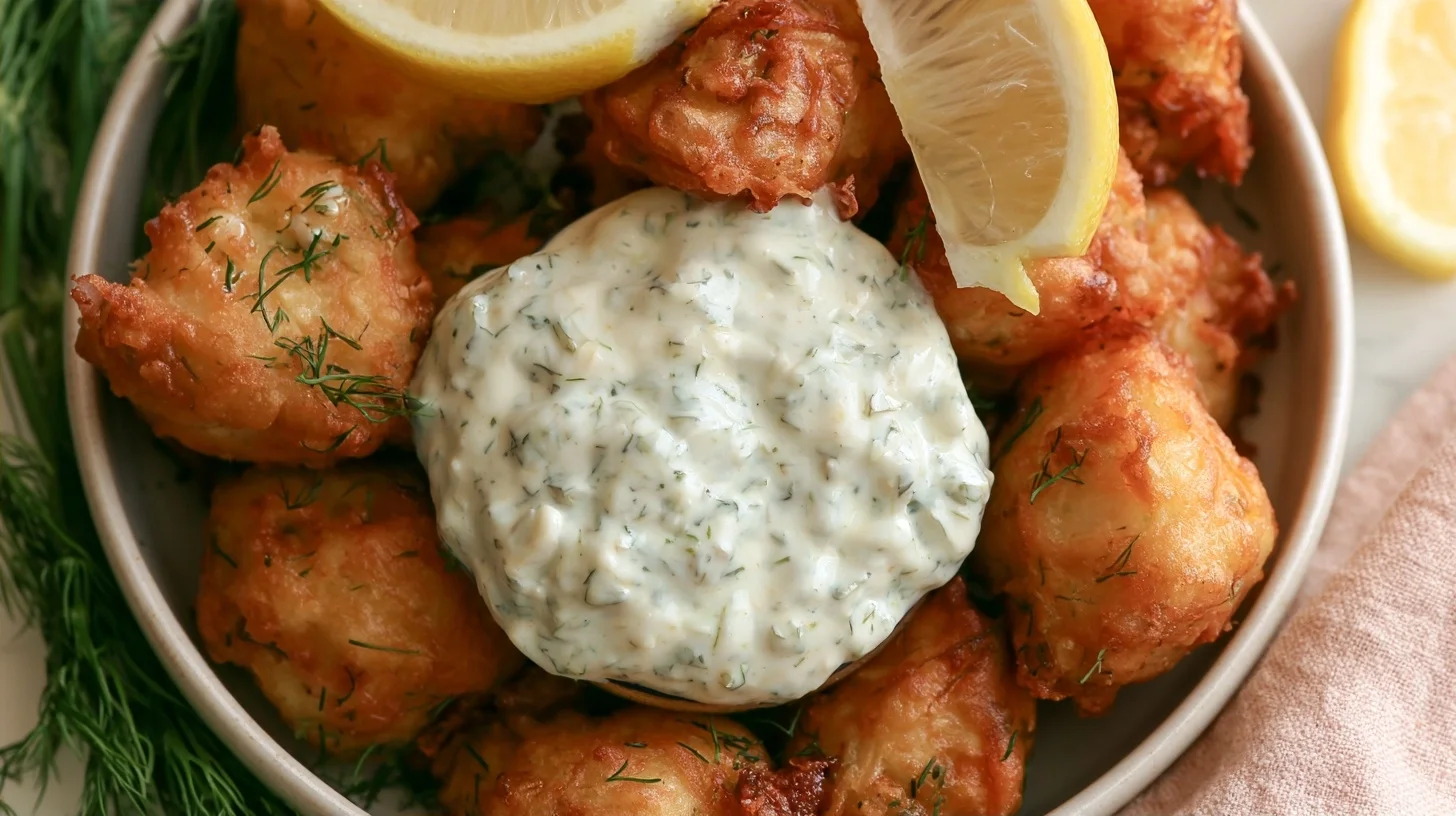
Tartar Sauce Recipe
8
servings5
minutes0
minutes100
kcalThis tartar sauce is a tangy, creamy condiment made with mayonnaise, dill pickles, lemon juice, and fresh herbs. It takes 5 minutes to stir together in one bowl and needs no cooking, just a quick chill to let the flavors blend.
Keep the screen of your device on
Ingredients
1 cup mayonnaise
1/4 cup dill pickles
1 tablespoon fresh lemon juice
1 tablespoon fresh dill
1 tablespoon white onion
1 teaspoon pickle brine
1 teaspoon Dijon mustard
1/2 teaspoon garlic powder
1/4 teaspoon black pepper
Directions
- Drain and chop the pickles by pressing them between paper towels to remove excess brine, then chop them into pieces no larger than 1/4 inch. Wet pickles thin the sauce and make it watery.
- Combine all ingredients in a medium bowl: mayonnaise, chopped pickles, lemon juice, fresh dill, minced onion, pickle brine, Dijon mustard, garlic powder, and black pepper. Fold gently with a spoon just until no streaks of plain mayonnaise remain, about 30 seconds.
- Chill the sauce in the refrigerator for 30 minutes before serving so the onion and garlic mellow and the flavors blend. The sauce will taste sharper and one-dimensional if served immediately.
- Taste and adjust after chilling by adding more lemon juice for brightness, more pickles for crunch, or a pinch of salt if needed. Stir gently and serve cold.
Notes
- Tartar sauce keeps for up to 1 week in the refrigerator in an airtight container, and the flavors intensify over the first 24 hours.
- If the sauce turns watery, the pickles were not drained well enough. Stir in 1 tablespoon of mayonnaise at a time until it thickens, or refrigerate for 1 hour and pour off the excess liquid.
- Greek yogurt can replace up to half the mayonnaise for a tangier, lighter sauce with slightly less body, but it will not taste like traditional tartar sauce if you replace all the mayonnaise.
Nutrition Facts
- Serving Size: 1 g
- Total number of serves: 8
- Calories: 100kcal
- Fat: 11g
- Carbohydrates: 1g
- Fiber: 0g
- Protein: 0g
Did you make this recipe?
Tag @therecipemasterblog on Instagram and hashtag it with #therecipemaster
Like this recipe?
Follow @therecipemasterblog on Pinterest
Follow us on Facebook!
Follow The Recipe Master on Facebook
This tartar sauce recipe comes together in one bowl with no special equipment, and the ingredient swaps and troubleshooting tips below show how to adjust the texture and tang to match what you like.
Key Ingredients for Tartar Sauce
Each ingredient in this tartar sauce recipe plays a role in flavor and texture, and knowing what each one does helps you adjust the sauce to your taste.
- Mayonnaise: forms the creamy base and carries the other flavors. Use full-fat mayonnaise for the richest texture. Light mayonnaise works but tastes thinner, and Greek yogurt can replace up to half the mayonnaise for a tangier, lighter sauce with slightly less body.
- Dill pickles: provide the crunch and sour punch that define tartar sauce. Finely chop them so every bite has texture without large chunks that slide off fish. Sweet pickles make the sauce noticeably sweeter and less sharp, which some cooks prefer with fried seafood.
- Lemon juice: adds brightness and cuts through the richness of the mayonnaise. Fresh lemon juice tastes cleaner than bottled. White vinegar or pickle brine can replace it, but use half the amount because both are more acidic.
- Onion: gives a sharp bite that mellows during chilling. Finely minced white or yellow onion works best. Shallots taste milder and sweeter, while red onion adds color but a stronger raw flavor.
- Fresh dill: reinforces the pickle flavor and adds herbal freshness. Dried dill works in a pinch at half the amount, but it tastes dusty compared to fresh. Parsley can replace dill for a milder, grassy note.
Tips for Making Tartar Sauce
This tartar sauce recipe is nearly foolproof, but a few details ensure the texture stays thick and the flavor stays balanced.
- Drain the pickles well: press chopped pickles between paper towels to remove excess brine before stirring them into the mayonnaise. Wet pickles thin the sauce and make it watery within an hour, especially if the sauce sits overnight.
- Chop everything finely: pieces larger than 1/4 inch create uneven bites and make the sauce harder to spread. A sharp knife works better than a food processor, which turns pickles and onions mushy and releases too much liquid.
- Taste before adding salt: pickles and pickle brine already add plenty of sodium, so the sauce rarely needs extra salt. Stir in 1/4 teaspoon at a time only after you have tasted the finished mixture.
- Chill for 30 minutes: tartar sauce tastes sharper and one-dimensional straight from the bowl. Thirty minutes in the refrigerator lets the onion and garlic soften, the lemon juice blend with the mayonnaise, and the dill infuse the whole mixture.
- Stir gently: overmixing breaks down the mayonnaise emulsion and makes the sauce look separated or curdled. Fold the ingredients together just until combined, with no streaks of plain mayonnaise visible.
What Went Wrong With My Tartar Sauce
Why Is My Tartar Sauce Watery?
Watery tartar sauce comes from wet pickles or too much lemon juice. Drain and press the chopped pickles between paper towels before adding them to the mayonnaise. If the sauce is already thin, stir in 1 tablespoon of mayonnaise at a time until it thickens, or refrigerate it for 1 hour so the liquid settles and you can pour off the excess. Next time, reduce the lemon juice by half or use only 1 teaspoon of pickle brine.
Why Does It Taste Bland?
Bland tartar sauce lacks enough acid or pickles. Add 1 teaspoon of lemon juice or pickle brine and stir, then taste again. If it still tastes flat, add another tablespoon of finely chopped pickles and a pinch of black pepper. The sauce should taste noticeably tangy and salty, with a sharp bite from the onion. Always taste after the 30 minute chill, because the flavors strengthen as they sit.
Why Is It Too Sour?
Too much lemon juice or pickle brine makes tartar sauce taste puckering and harsh. Stir in 2 tablespoons of mayonnaise to dilute the acidity, then add 1/4 teaspoon of sugar to balance the sour notes without making the sauce sweet. Taste and adjust until the tang is bright but not overwhelming. Next time, start with half the lemon juice called for in any recipe and add more only after tasting.
Tartar Sauce Variations
Spicy Tartar Sauce
Stir in 1 tablespoon of hot sauce or 1 teaspoon of cayenne pepper along with the pickles. The heat cuts through fried foods and adds a kick without masking the tangy base. Adjust the amount based on how much heat you like.
Caper Tartar Sauce
Replace half the chopped pickles with 2 tablespoons of drained, chopped capers. Capers add a briny, floral note and a softer texture than pickles. This version pairs especially well with grilled or baked fish instead of fried.
Sweet Pickle Tartar Sauce
Use sweet pickles or bread-and-butter pickles instead of dill pickles. The sauce tastes noticeably sweeter and less sharp, which complements fried shrimp and fish sticks. Reduce the lemon juice to 1 teaspoon so the sweetness does not turn cloying.
What to Serve With Tartar Sauce
Tartar sauce is the classic partner for fried or baked seafood. Serve it with fish and chips, fried catfish, baked cod, or salmon cakes. It also works as a spread for seafood sandwiches and lobster cakes, where its tang cuts through rich, buttery flavors. Use it as a dip for fried vegetables like zucchini sticks or onion rings when you want a tangy alternative to ranch dressing.
How to Store Tartar Sauce
Tartar sauce keeps for up to 1 week in the refrigerator in an airtight container or a jar with a tight-fitting lid. The flavors intensify over the first 24 hours, then stay stable for several days before the onion and pickles start to taste dull. Tartar sauce does not freeze well because mayonnaise separates and turns grainy when thawed, leaving a curdled texture that stirring cannot fix. Always store the sauce in the coldest part of the refrigerator, not in the door, to keep it fresh longer.
Tartar Sauce FAQs
Yes, tartar sauce tastes better when made at least 30 minutes ahead because the flavors need time to blend. Store it in an airtight container in the refrigerator for up to 1 week. The onion and garlic mellow as the sauce sits, and the tang from the pickles and lemon juice becomes more balanced.
Tartar sauce is made of mayonnaise, finely chopped dill pickles, lemon juice, minced onion, and fresh dill. Some versions add capers, garlic, or hot sauce. The mayonnaise forms the creamy base, while the pickles and lemon juice provide the tangy flavor that pairs with fried or baked seafood.
Yes, Greek yogurt can replace up to half the mayonnaise in a tartar sauce recipe for a tangier, lighter sauce with slightly less body. Replace all the mayonnaise with Greek yogurt only if you prefer a very thick, sour sauce, because it will not taste like traditional tartar sauce. Full-fat Greek yogurt works best.
Tartar sauce separates when the mayonnaise emulsion breaks down from overmixing or from adding too much liquid at once. Stir the ingredients gently just until combined, and drain the pickles well before adding them. If the sauce has already separated, whisk in 1 tablespoon of fresh mayonnaise to bring it back together.



Leave a Reply