

A steaming bowl of clam chowder recipe is one of the most comforting dishes you can make at home, especially when you want something rich, creamy, and satisfying. This New England-style clam chowder delivers tender clams, perfectly cooked potatoes, and smoky bacon in a velvety broth that coats your spoon. The key to getting restaurant-quality results is building layers of flavor slowly and adding the clams at just the right moment so they stay tender instead of turning rubbery.
Unlike thin, brothy versions, this recipe creates a chowder with body and depth. The bacon fat becomes the foundation for the roux, which thickens the soup naturally without making it gluey. You’ll know it’s ready when the potatoes are fork-tender and the chowder has a smooth, spoon-coating consistency that clings without feeling heavy.
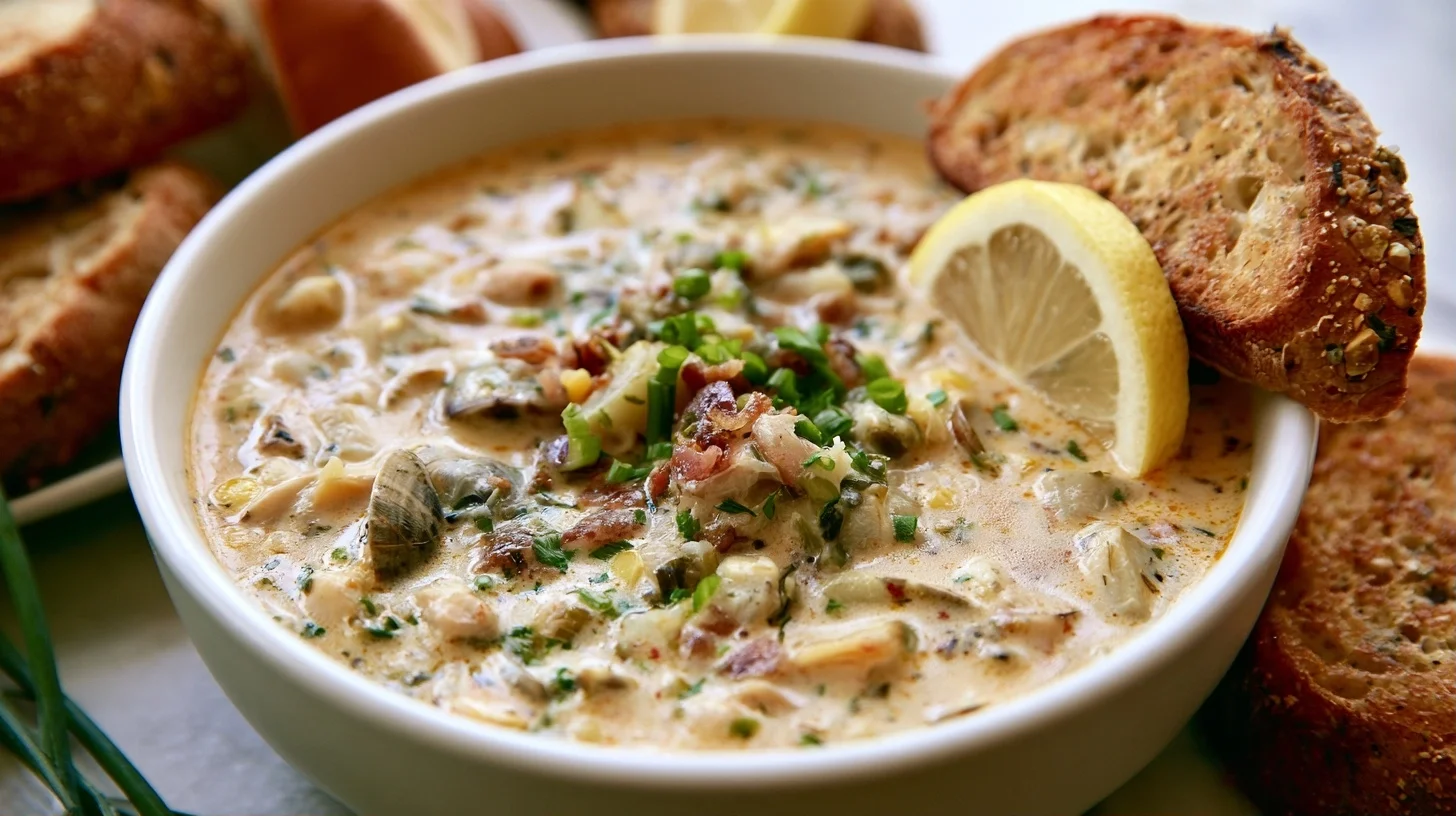
Table of contents
- Why You Will Love This Clam Chowder
- Essential Equipment for Perfect Clam Chowder
- How to Make Clam Chowder That Stays Creamy
- How to Keep Clams Tender and Broth Silky
- Common Clam Chowder Mistakes and How to Fix Them
- Delicious Clam Chowder Variations
- Nutritional Benefits of Clam Chowder
- Best Ways to Serve Clam Chowder
- How to Store and Reheat Clam Chowder
- Frequently Asked Questions about Clam Chowder Recipe
Why You Will Love This Clam Chowder
- The bacon fat creates a deeply savory base that store-bought clam juice alone can’t replicate.
- Fresh clams add a clean, briny sweetness that canned versions simply don’t deliver.
- The roux-thickened broth stays creamy without separating or becoming grainy.
- You can have a restaurant-quality chowder on the table in under an hour.
Essential Equipment for Perfect Clam Chowder
Having the right equipment makes the cooking process smoother and helps you control texture and consistency. You don’t need specialty tools, but a few key pieces will make a noticeable difference.
- Large heavy-bottomed pot or Dutch oven: A thick base prevents scorching when you’re building the roux and simmering the potatoes. The heavy construction also distributes heat evenly, which is critical when you add the cream.
- Wooden spoon or silicone spatula: These won’t scratch your pot and allow you to scrape up the browned bits left by the bacon, which add depth to the broth.
- Fine-mesh strainer: If you’re using fresh clams, you’ll need this to strain the clam juice and remove any grit or shell fragments.
- Sharp chef’s knife: Dicing the potatoes, onions, and celery into uniform pieces ensures they cook at the same rate.
- Ladle: A deep ladle makes serving easier and helps you get an even distribution of clams, potatoes, and broth in each bowl.
How to Make Clam Chowder That Stays Creamy
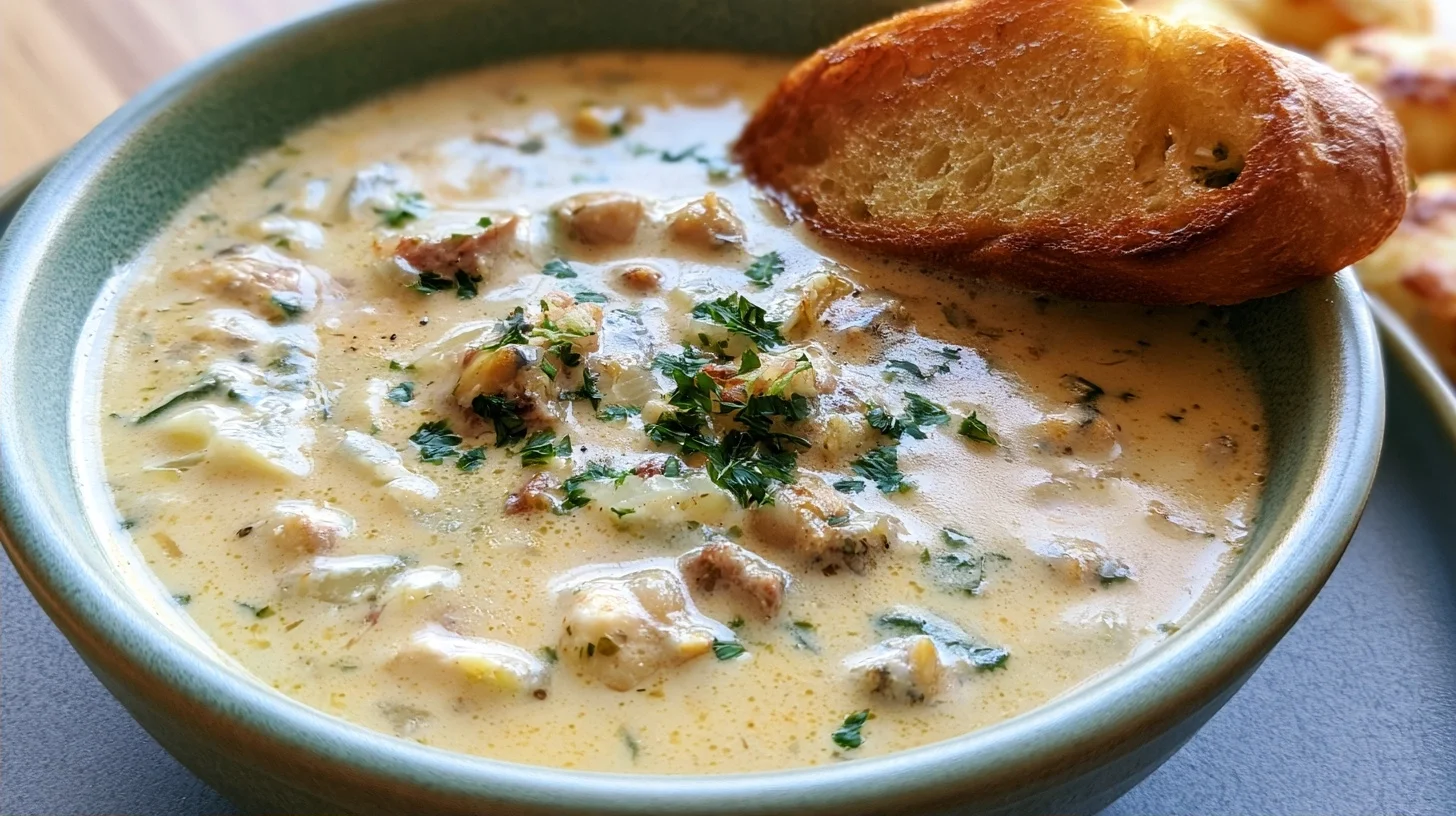
Creamy Clam Chowder
6
servings15
minutes35
minutes350
kcalThis New England-style clam chowder delivers tender clams, perfectly cooked potatoes, and crispy bacon in a rich, velvety broth. The key to getting restaurant-quality results is building layers of flavor slowly and adding the clams at just the right moment so they stay tender instead of turning rubbery.
Keep the screen of your device on
Ingredients
6 slices bacon
1 medium yellow onion
2 stalks celery
3 tablespoons all-purpose flour
3 cups clam juice
2 pounds Yukon Gold potatoes
2 cups heavy cream
2 cups fresh clams
1 teaspoon fresh thyme leaves
0.5 teaspoon white pepper
1 tablespoon fresh parsley
to taste salt
Directions
- Cook the bacon in a large heavy-bottomed pot or Dutch oven over medium heat until crispy, about 6 to 8 minutes. Remove the bacon with a slotted spoon and set it aside on a paper towel-lined plate. Leave about 3 tablespoons of bacon fat in the pot and discard the rest.
- Add the diced onion and celery to the bacon fat and sauté over medium heat until softened and translucent, about 5 minutes. Stir occasionally to prevent browning.
- Sprinkle the flour over the vegetables and stir constantly for 2 to 3 minutes until the mixture smells nutty and turns a light golden color. This step cooks out the raw flour taste and creates a smooth base for the chowder.
- Slowly pour in the clam juice while whisking constantly to prevent lumps from forming. Bring the mixture to a gentle simmer, then add the diced potatoes and thyme. Reduce the heat to medium-low and simmer for 15 to 20 minutes, or until the potatoes are fork-tender.
- Reduce the heat to low and slowly stir in the heavy cream. Keep the chowder at a gentle simmer and avoid boiling, which can cause the cream to separate and turn grainy.
- Add the chopped clams and cook for 3 to 5 minutes, just until they turn opaque and are heated through. If you’re using canned clams, add them in the last 2 minutes just to warm them. Overcooking will make the clams rubbery.
Notes
- Adding clams in the final 3 to 5 minutes of cooking and keeping the heat low prevents them from becoming tough and rubbery.
- If the chowder is too thick, thin it with a little extra clam juice or whole milk rather than adding more cream, which can make it overly rich.
- Store leftovers in an airtight container in the refrigerator for up to 3 days. Reheat gently over low heat, stirring frequently to prevent the cream from separating.
Nutrition Facts
- Serving Size: 1 g
- Total number of serves: 6
- Calories: 350kcal
- Fat: 20g
- Carbohydrates: 30g
- Fiber: 3g
- Protein: 15g
Did you make this recipe?
Tag @therecipemasterblog on Instagram and hashtag it with #therecipemaster
Like this recipe?
Follow @therecipemasterblog on Pinterest
Follow us on Facebook!
Follow The Recipe Master on Facebook
How to Keep Clams Tender and Broth Silky
The difference between a good clam chowder and a great one comes down to technique. These tips address the most common issues that can turn a promising pot of chowder into something grainy, rubbery, or bland.
Add Clams at the Very End
Fresh clams need only 3 to 5 minutes of gentle heat to cook through. Adding them too early or letting the chowder boil after they go in will make them tough and chewy. Stir them in once the potatoes are tender, then remove the pot from the heat as soon as the clams turn opaque. If you’re using canned clams, drain them and add them in the last 2 minutes just to warm through, since they’re already cooked.
Build a Proper Roux
The roux is what gives the chowder its body. After you cook the bacon and remove it, leave about 3 tablespoons of fat in the pot. Whisk in the flour and cook it for 2 to 3 minutes until it smells nutty and turns a light golden color. This step cooks out the raw flour taste and creates a base that thickens the broth smoothly. If you skip this step or don’t cook the roux long enough, the chowder will taste pasty.
Use Starchy Potatoes
Russet or Yukon Gold potatoes work best because they release enough starch to naturally thicken the chowder as they simmer. Waxy potatoes like red potatoes hold their shape better, but they won’t contribute to the creamy texture. Dice the potatoes into 1/2-inch cubes so they cook evenly and break down slightly at the edges, which adds to the overall richness.
Temper the Cream Before Adding It
Pouring cold cream directly into hot broth can cause it to curdle, especially if the heat is too high. To prevent this, reduce the heat to low before adding the cream, and pour it in slowly while stirring constantly. Some cooks like to warm the cream separately in the microwave for 30 seconds before adding it, which reduces the temperature shock even further.
Don’t Boil After Adding Dairy
Once the cream goes in, keep the chowder at a gentle simmer. Boiling can cause the dairy to separate, leaving you with a grainy, broken texture. If you need to reheat leftovers, do it over low heat and stir frequently to bring the chowder back together smoothly.
Season in Stages
Clam juice and bacon are both naturally salty, so hold off on adding salt until the very end. Taste the chowder after the cream and clams are in, then adjust the seasoning. A small amount of white pepper adds warmth without overpowering the delicate clam flavor, and a pinch of cayenne can brighten the whole pot if it tastes flat.
Common Clam Chowder Mistakes and How to Fix Them
Overcooking the Clams
This is the most frequent mistake. Clams turn rubbery when exposed to high heat for too long. The proteins tighten and squeeze out moisture, leaving you with tough, chewy pieces. To fix this, always add the clams in the final minutes of cooking and keep the heat low. If you’re reheating chowder that already has clams in it, warm it gently and don’t let it come to a boil.
Using Too Much Flour
Adding too much flour to the roux will make the chowder taste starchy and give it a gluey texture. Stick to the ratio in the recipe, and remember that the potatoes will also contribute starch as they cook. If your chowder does turn out too thick, thin it with a little extra clam juice or milk rather than adding more cream, which can make it overly rich.
Skipping the Bacon
Bacon fat is the foundation of the flavor in this chowder. If you leave it out, you lose the smoky depth that balances the sweetness of the cream and clams. If you don’t eat pork, you can substitute with a tablespoon of butter plus a teaspoon of smoked paprika, but the result won’t be quite the same. Vegetarian versions work better with mushroom broth and a touch of liquid smoke.
Not Straining Fresh Clam Juice
Fresh clams often carry sand and grit. If you steam them to open and use the liquid, always strain it through a fine-mesh strainer lined with cheesecloth or a coffee filter. Even a small amount of grit will ruin the texture of the chowder. Canned or bottled clam juice doesn’t need straining, but fresh clam liquid always does.
Delicious Clam Chowder Variations
Manhattan-Style Clam Chowder Recipe
Swap the cream for crushed tomatoes and use a tomato-based broth instead of a roux. This version is lighter and slightly tangy, with the same tender clams and potatoes but a completely different flavor profile. Add a pinch of oregano and a bay leaf to complement the tomatoes. If you’re interested in exploring the history and origins of New England clam chowder, you’ll find that the debate between these two styles runs deep.
Dairy-Free Clam Chowder Recipe
Replace the heavy cream with full-fat coconut milk. The coconut flavor is subtle and won’t overpower the clams. Use the same roux technique with bacon fat or olive oil, and add a splash of lemon juice at the end to brighten the flavors. This version is naturally lactose-free and still has a rich, creamy texture.
Corn and Clam Chowder Recipe
Stir in 1 cup of fresh or frozen corn kernels along with the potatoes. The sweetness of the corn pairs beautifully with the briny clams and adds a pop of color. This variation works especially well in late summer when fresh corn is at its peak.
Spicy Clam Chowder Recipe
Add 1 to 2 teaspoons of diced jalapeño or a pinch of red pepper flakes when you sauté the onions and celery. The heat cuts through the richness of the cream and gives the chowder a lively kick. Finish with a squeeze of lime juice for brightness.
Nutritional Benefits of Clam Chowder
Clam chowder provides a good balance of protein, carbohydrates, and fat, making it a satisfying meal on its own. One serving typically contains around 350 calories, with 15 grams of protein from the clams and bacon, 30 grams of carbohydrates from the potatoes, and 20 grams of fat from the cream and bacon. Clams are also an excellent source of iron, vitamin B12, and selenium, which support energy production and immune function.
The potatoes contribute potassium and fiber, especially if you leave the skins on. Heavy cream adds richness but also increases the saturated fat content, so if you’re looking to lighten the recipe, you can replace half the cream with whole milk without sacrificing too much texture. The sodium content can be high due to the clam juice and bacon, so taste before adding extra salt and consider using low-sodium clam juice if you’re watching your intake.
Best Ways to Serve Clam Chowder
Clam chowder is traditionally served in a bread bowl, which adds a rustic, hearty element and gives you something to soak up every last bit of broth. If you’re not using a bread bowl, serve it with oyster crackers, saltines, or a thick slice of crusty sourdough on the side. A simple green salad with a tangy vinaigrette cuts through the richness and adds freshness to the meal.
For a more substantial dinner, pair the chowder with a comforting pot pie soup or a light seafood dish like grilled shrimp. Garnish each bowl with extra crispy bacon, a sprinkle of fresh parsley, and a small pat of butter for added richness. A few dashes of hot sauce or a drizzle of lemon juice on top can brighten the flavors just before serving.
How to Store and Reheat Clam Chowder
Store leftover clam chowder in an airtight container in the refrigerator for up to 3 days. The flavors will continue to develop as it sits, but the clams may become slightly firmer. To reheat, transfer the chowder to a pot and warm it over low heat, stirring frequently to prevent the cream from separating. Avoid using the microwave if possible, as it can heat unevenly and cause the dairy to break.
Clam chowder can be frozen, but the texture of the potatoes and cream may change slightly. If you plan to freeze it, undercook the potatoes slightly and leave out the cream. Freeze the base for up to 2 months, then thaw it in the refrigerator overnight and add fresh cream when you reheat it. This method preserves the texture better than freezing the finished chowder.
Frequently Asked Questions about Clam Chowder Recipe
Yes, canned clams work well in this recipe. Drain them and add them in the last 2 minutes of cooking just to warm through, since they’re already cooked. Use the reserved clam juice from the can in place of bottled clam juice for extra flavor.
Grainy chowder usually means the cream curdled from too much heat. Always add the cream over low heat and avoid boiling the chowder once the dairy is in. Stirring constantly while adding the cream also helps prevent separation.
Yes, you can make the base up to 2 days ahead. Cook the bacon, vegetables, and potatoes, then refrigerate. When you’re ready to serve, reheat the base gently, add the cream, and stir in the clams at the very end.
You can use half-and-half for a lighter version, though the chowder will be less rich. Whole milk works too, but you may need to add an extra tablespoon of flour to the roux to maintain the thickness. For a dairy-free option, use full-fat coconut milk.



Leave a Reply