

If you’re craving a bright, creamy pasta that comes together in under 20 minutes, pasta limone recipe is exactly what you need. This Italian classic relies on just a handful of ingredients—pasta, lemon, butter, Parmesan, and pasta water, to create a silky, luxurious sauce that clings to every strand. The magic lies in how the starchy pasta water emulsifies with butter and cheese, transforming simple ingredients into something restaurant-worthy.
What makes this recipe particularly satisfying is its balance of richness and acidity. The lemon juice brightens the buttery sauce without making it heavy, while freshly grated Parmesan adds savory depth. Unlike cream-based pasta dishes, pasta limone feels light yet indulgent, making it perfect for weeknight dinners or when you want something impressive without the fuss.
The key to success is understanding how to build the emulsion properly. If the sauce breaks or feels greasy, it’s usually because the pasta water wasn’t starchy enough or the heat was too high. This guide walks you through the technique step by step, plus troubleshooting tips to ensure your sauce turns out smooth and glossy every time.
For more information about the history of Spaghetti al Limone, check out this article.
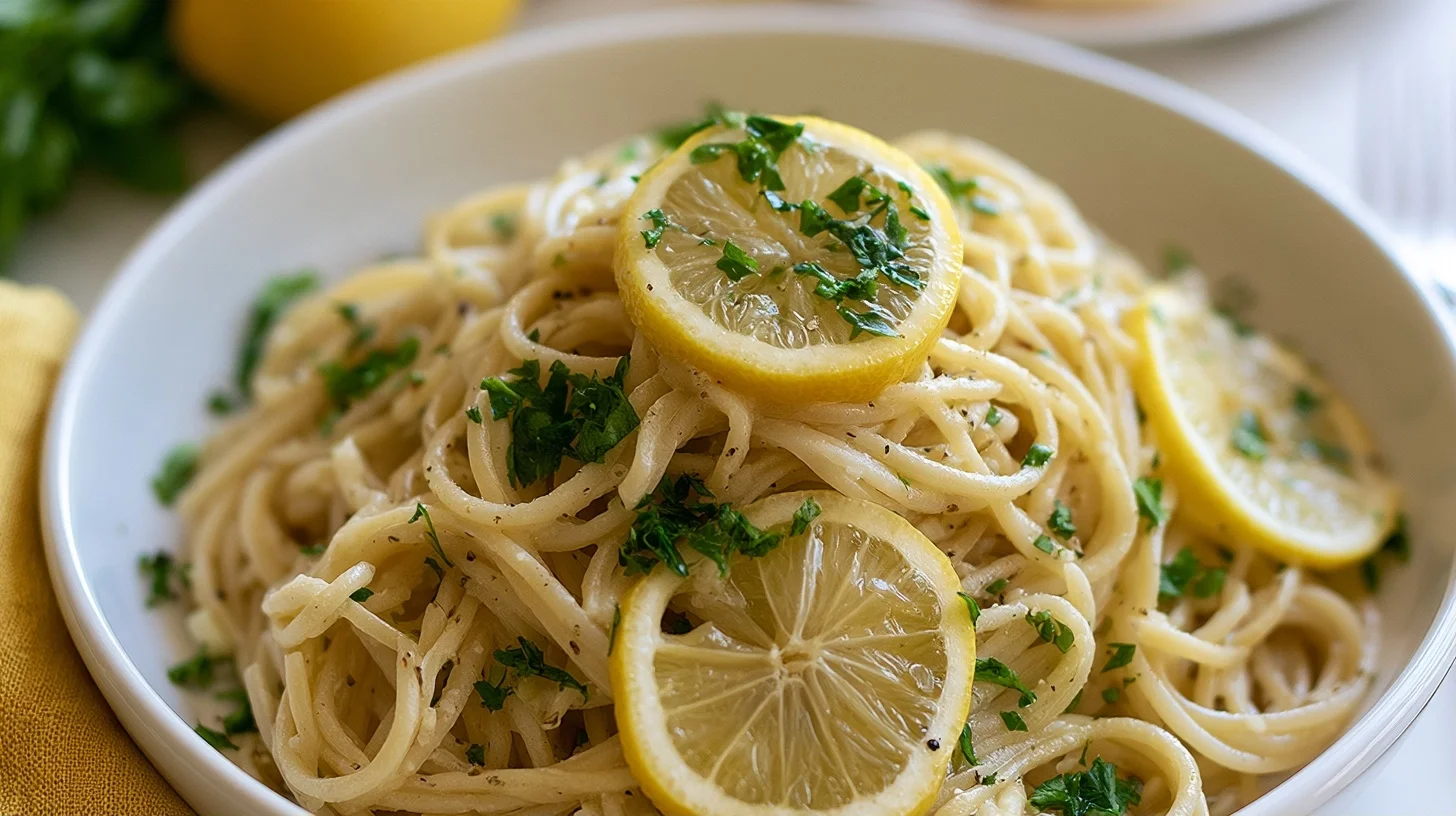
Table of contents
- Why You Will Love This Pasta Limone
- Essential Tools for Smooth, Silky Pasta Limone
- How to Make Perfectly Creamy Pasta Limone
- Expert Tips for Restaurant-Quality Pasta Limone
- Common Mistakes and How to Fix Them
- Easy Variations to Try
- What Makes Pasta Limone So Light Yet Satisfying
- How to Serve Pasta Limone
- How to Store and Reheat Pasta Limone
- Frequently Asked Questions
Why You Will Love This Pasta Limone
- Ready in less than 20 minutes with minimal prep and just one pot to clean.
- Uses pantry staples and fresh lemon to create a silky, emulsified sauce without any cream.
- Bright, balanced flavor that feels light yet satisfying, perfect for any season.
- Easily adaptable with add-ins like shrimp, peas, or herbs for quick variations.
Essential Tools for Smooth, Silky Pasta Limone
You don’t need specialized equipment for this recipe, but a few key tools make the process smoother and help you achieve the best texture.
- Large pot: A 6-quart or larger pot gives the pasta room to move and ensures even cooking, which helps release the starch needed for the sauce.
- Measuring cup: Reserve at least one cup of pasta water before draining—this starchy liquid is essential for building the emulsion.
- Large skillet or sauté pan: A wide pan allows you to toss the pasta with the sauce and gives you better control over the emulsification process.
- Microplane or fine grater: Freshly grated Parmesan melts more smoothly than pre-grated cheese, which often contains anti-caking agents that can make the sauce grainy.
- Tongs or pasta fork: These help you transfer the pasta directly from the pot to the skillet, bringing along some of that precious pasta water.
How to Make Perfectly Creamy Pasta Limone
Pasta Limone
4
servings5
minutes12
minutes450
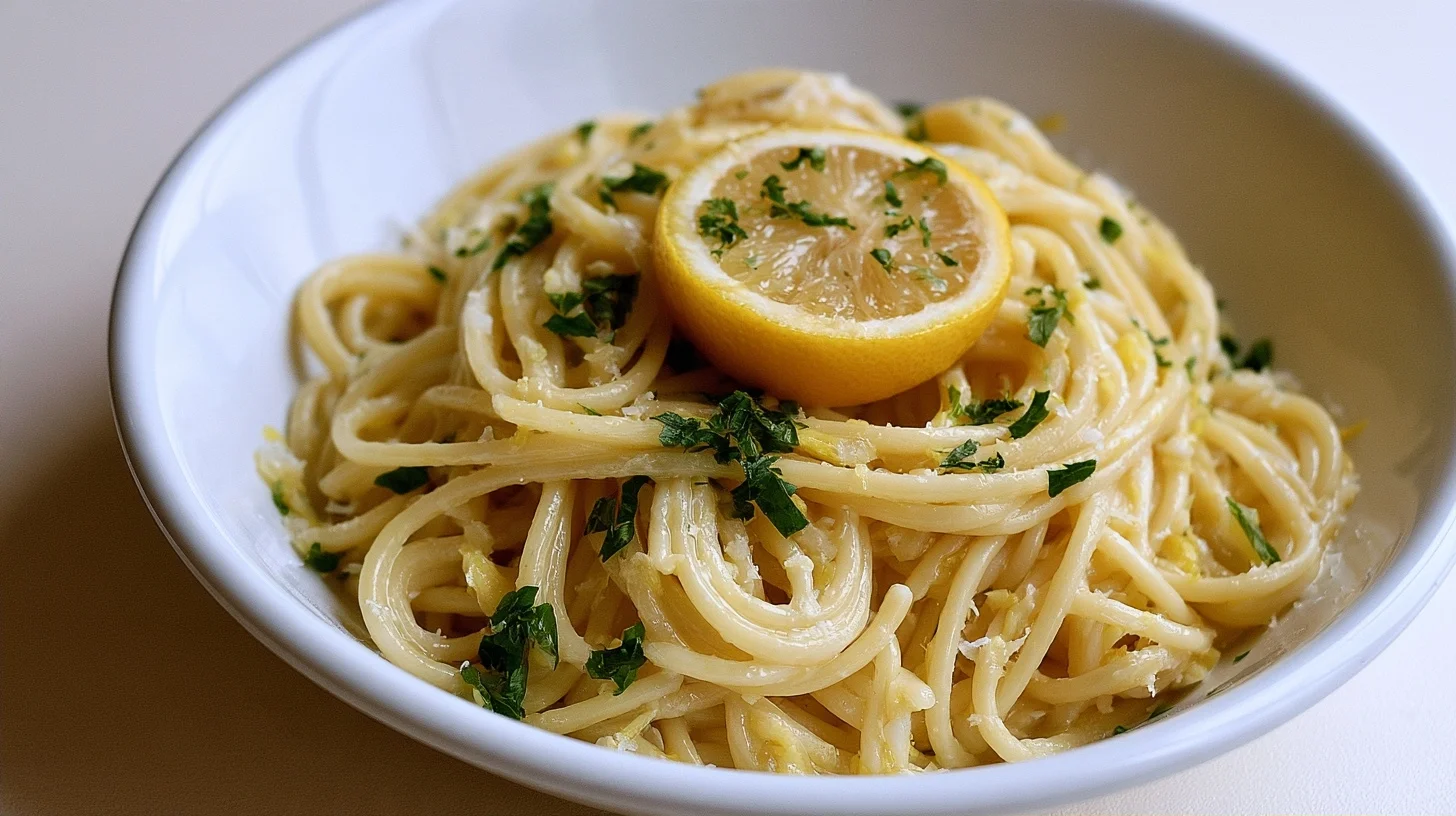
kcalThis pasta limone recipe creates a silky, emulsified lemon sauce using just pasta, butter, Parmesan, and lemon. The key is using starchy pasta water to bind the ingredients into a glossy, restaurant-quality sauce without any cream. Ready in under 20 minutes, it’s a perfect weeknight dinner that feels special.
Keep the screen of your device on
Ingredients
1 pound spaghetti or linguine
4 tablespoons unsalted butter
1 cup freshly grated Parmesan cheese
1 large lemon
1 cup reserved pasta water
2 tablespoons extra virgin olive oil
2 cloves garlic
0.25 teaspoon black pepper
1 pinch salt
2 tablespoons fresh basil or parsley
Directions
- Bring a large pot of salted water to a boil and cook the pasta according to package directions minus one minute. You want the pasta slightly underdone because it will finish cooking in the sauce. Before draining, reserve at least one full cup of the starchy pasta water—this is essential for building the emulsion.
- Heat the olive oil in a large skillet over medium heat. If using garlic, add it now and sauté for about 30 seconds until fragrant but not browned. Garlic burns quickly, so watch it closely.
- Add the butter to the skillet and let it melt completely. Once melted, add about half a cup of the reserved pasta water and swirl the pan to start building the emulsion. The mixture should look creamy, not separated.
- Transfer the drained pasta directly to the skillet using tongs or a pasta fork. Toss the pasta in the butter mixture, adding more pasta water a few tablespoons at a time as needed. The goal is to create a glossy, fluid sauce that coats each strand.
- Remove the skillet from the heat and add the freshly grated Parmesan cheese. Toss continuously while adding the cheese so it melts evenly into the sauce rather than clumping. If the sauce looks too thick, add more pasta water until it reaches a smooth, spoon-coating consistency.
- Stir in the lemon juice and half of the lemon zest, tossing to distribute evenly. Taste and adjust the seasoning with salt and black pepper. The sauce should taste bright and balanced, with the lemon cutting through the richness of the butter and cheese.
Notes
- Patting the lemon dry before zesting prevents moisture from making the zest clump, which helps it distribute evenly throughout the pasta.
- If the sauce breaks or looks greasy, add a few tablespoons of pasta water and toss vigorously over low heat until it comes back together.
- Store leftovers in an airtight container in the refrigerator for up to two days. Reheat gently in a skillet with a splash of water or milk to restore the creamy texture.
Nutrition Facts
- Serving Size: 1g
- Total number of serves: 4
- Calories: 450kcal
- Fat: 18g
- Carbohydrates: 56g
- Fiber: 3g
- Protein: 16g
Did you make this recipe?
Tag @therecipemasterblog on Instagram and hashtag it with #therecipemaster
Like this recipe?
Follow @therecipemasterblog on Pinterest
Follow us on Facebook!
Follow The Recipe Master on Facebook
Expert Tips for Restaurant-Quality Pasta Limone
The difference between good pasta limone and great pasta limone comes down to a few simple but critical techniques. These tips address the most common issues and help you achieve a silky, cohesive sauce every time.
Reserve Extra Pasta Water
Always save at least one full cup of pasta water before draining. The starch in this water acts as a natural emulsifier, helping the butter, cheese, and lemon juice bind into a smooth sauce. If your sauce looks too thick or clumpy, add the pasta water a tablespoon at a time while tossing the pasta until it reaches a glossy, spoon-coating consistency.
Use Freshly Grated Parmesan
Pre-grated Parmesan contains cellulose or potato starch to prevent clumping, which can interfere with the sauce’s texture. Freshly grated Parmigiano-Reggiano melts smoothly and integrates into the sauce without leaving a grainy residue. Grate it finely using a Microplane for the best results.
Control the Heat
Once you add the butter and cheese, keep the heat at medium-low. High heat can cause the cheese to seize and the butter to separate, resulting in a greasy, broken sauce. Toss the pasta continuously while adding pasta water in small increments to build the emulsion gradually.
Add Lemon Juice at the Right Time
Add the lemon juice after the butter and cheese have emulsified with the pasta water. Adding it too early can cause the dairy to curdle. Once the sauce is smooth, stir in the lemon juice off the heat to preserve its bright, fresh flavor without cooking it down.
Finish with Lemon Zest
Lemon zest contains aromatic oils that add depth and fragrance to the dish. Zest the lemon before juicing it, and add the zest at the very end to preserve its vibrant flavor. Use a light hand—too much zest can taste bitter.
Common Mistakes and How to Fix Them
The Sauce Looks Greasy or Separated
This happens when the butter and cheese don’t emulsify properly with the pasta water. The most common cause is insufficient starch in the water or adding the cheese over high heat. To fix it, add a few tablespoons of pasta water and toss vigorously over low heat until the sauce comes together. To prevent this, always cook the pasta in less water than you think you need—this concentrates the starch.
The Sauce Is Too Thick or Clumpy
If the sauce looks dry or the cheese clumps instead of melting smoothly, you likely didn’t add enough pasta water. The sauce should coat the pasta in a glossy, fluid layer, not sit on top in chunks. Add more pasta water a little at a time while tossing continuously. The sauce will loosen and become silky as the starch activates.
The Lemon Flavor Is Too Sour or Too Weak
Lemon juice intensity varies depending on the fruit. Start with the juice of half a lemon, taste, and adjust. If the sauce tastes too acidic, add a small pinch of sugar or a bit more butter to round out the flavor. If it’s too mild, add more juice and a touch of zest. Always taste before serving.
The Pasta Is Overcooked or Mushy
Pasta limone relies on perfectly cooked pasta with a firm bite. Overcooking makes the pasta absorb too much water, which dilutes the sauce and ruins the texture. Cook the pasta one minute less than the package directions, then finish cooking it in the skillet with the sauce. This allows the pasta to absorb the flavors while maintaining its structure.
Easy Variations to Try
Pasta Limone with Shrimp
Sauté peeled shrimp in olive oil with garlic until just cooked through, then set aside. Toss the shrimp with the finished pasta and sauce. The shrimp adds protein and a subtle sweetness that complements the lemon beautifully.
Add Fresh Herbs
Stir in fresh basil, parsley, or mint just before serving. Basil adds a sweet, aromatic note, while parsley keeps the dish bright and clean. Mint is less traditional but pairs surprisingly well with lemon and butter.
Make It Dairy-Free
Replace the butter with olive oil and use nutritional yeast instead of Parmesan. The sauce won’t be as rich, but it will still have a creamy texture thanks to the emulsified pasta water. Add a bit more lemon juice to compensate for the missing tanginess from the cheese.
Add Vegetables
Blanch or sauté asparagus, peas, or spinach and toss them into the pasta. These vegetables add color, texture, and nutrition without overwhelming the delicate lemon flavor. Asparagus works especially well in spring, while peas add a touch of sweetness.
On top of these variations, i would like to suggest trying the homemade lemon extract.
What Makes Pasta Limone So Light Yet Satisfying
Pasta limone delivers richness without heaviness because it relies on emulsification rather than cream. The starchy pasta water binds the fat from the butter and cheese into a cohesive sauce that coats the pasta evenly. This technique creates a velvety texture that feels indulgent but doesn’t weigh you down.
The lemon juice cuts through the richness, balancing the butter and cheese with acidity. This contrast makes each bite feel fresh and keeps the dish from becoming cloying. The result is a pasta that’s creamy, bright, and surprisingly light, with around 450 calories per serving depending on portion size and cheese quantity.
Because the sauce is built from just a few ingredients, the quality of each one matters. Using good butter, freshly grated Parmesan, and fresh lemon juice makes a noticeable difference in flavor and texture. The simplicity of the dish means there’s nowhere for subpar ingredients to hide.
How to Serve Pasta Limone
Pasta limone works beautifully as a main course or a side dish. Serve it immediately while the sauce is still glossy and the pasta is hot. The emulsion can break if the dish sits too long, so plan to bring it to the table right after tossing.
For a complete meal, pair it with a simple arugula salad dressed with olive oil and lemon, or serve it alongside grilled chicken, fish, or roasted vegetables. The bright, clean flavors make it an excellent companion to richer proteins. A crisp white wine like Pinot Grigio or Sauvignon Blanc complements the lemon and butter without overpowering the dish.
Garnish with extra lemon zest, a drizzle of good olive oil, or a few torn basil leaves for a restaurant-quality presentation. Freshly cracked black pepper adds a subtle heat that enhances the lemon’s brightness.
How to Store and Reheat Pasta Limone
Pasta limone is best enjoyed fresh, but you can store leftovers in an airtight container in the refrigerator for up to two days. The sauce may separate or thicken as it cools, which is normal for emulsified sauces.
To reheat, place the pasta in a skillet over low heat and add a few tablespoons of water or milk. Toss gently until the sauce loosens and becomes creamy again. Avoid reheating in the microwave if possible, as it can make the pasta rubbery and the sauce greasy. If you must use the microwave, add a splash of water, cover the dish, and heat in 30-second intervals, stirring between each.
Pasta limone does not freeze well. The emulsion breaks during freezing and thawing, and the texture of the pasta deteriorates. If you want to prep ahead, cook the pasta and reserve the water, but wait to make the sauce until just before serving.
Frequently Asked Questions
Fresh lemon juice is strongly recommended because bottled juice often tastes flat and can have a slightly bitter aftertaste. Fresh lemon juice provides the bright, clean acidity that balances the butter and cheese in this recipe.
A greasy sauce usually means the butter and cheese didn’t emulsify properly with the pasta water. This happens when the heat is too high or there isn’t enough starch in the water. To fix it, add a few tablespoons of pasta water and toss the pasta vigorously over low heat until the sauce comes together.
Long pasta shapes like spaghetti, linguine, or fettuccine work best because they allow the sauce to coat each strand evenly. Spaghetti is the most traditional choice, but any long pasta will work well.
Pasta limone is best served immediately after making it because the emulsified sauce can break as it cools. You can cook the pasta and reserve the water ahead of time, but wait to make the sauce until just before serving for the best texture and flavor.








Leave a Reply