

If you’re craving a warm, comforting pasta dish that brings the whole family together, baked ziti recipe is exactly what you need. This classic Italian-American casserole layers tender ziti pasta with rich tomato sauce, creamy ricotta, and plenty of melted mozzarella and Parmesan cheese. The result is a bubbling, golden-topped dish with layers of flavor in every forkful.
What makes this baked ziti stand out is how the pasta absorbs the sauce as it bakes, creating a cohesive dish rather than separate components swimming in liquid. The cheese mixture stays creamy instead of drying out, and the top develops a beautifully browned crust that adds textural contrast. Whether you’re feeding a crowd or preparing a make-ahead dinner, this recipe delivers consistent results without requiring advanced cooking skills.
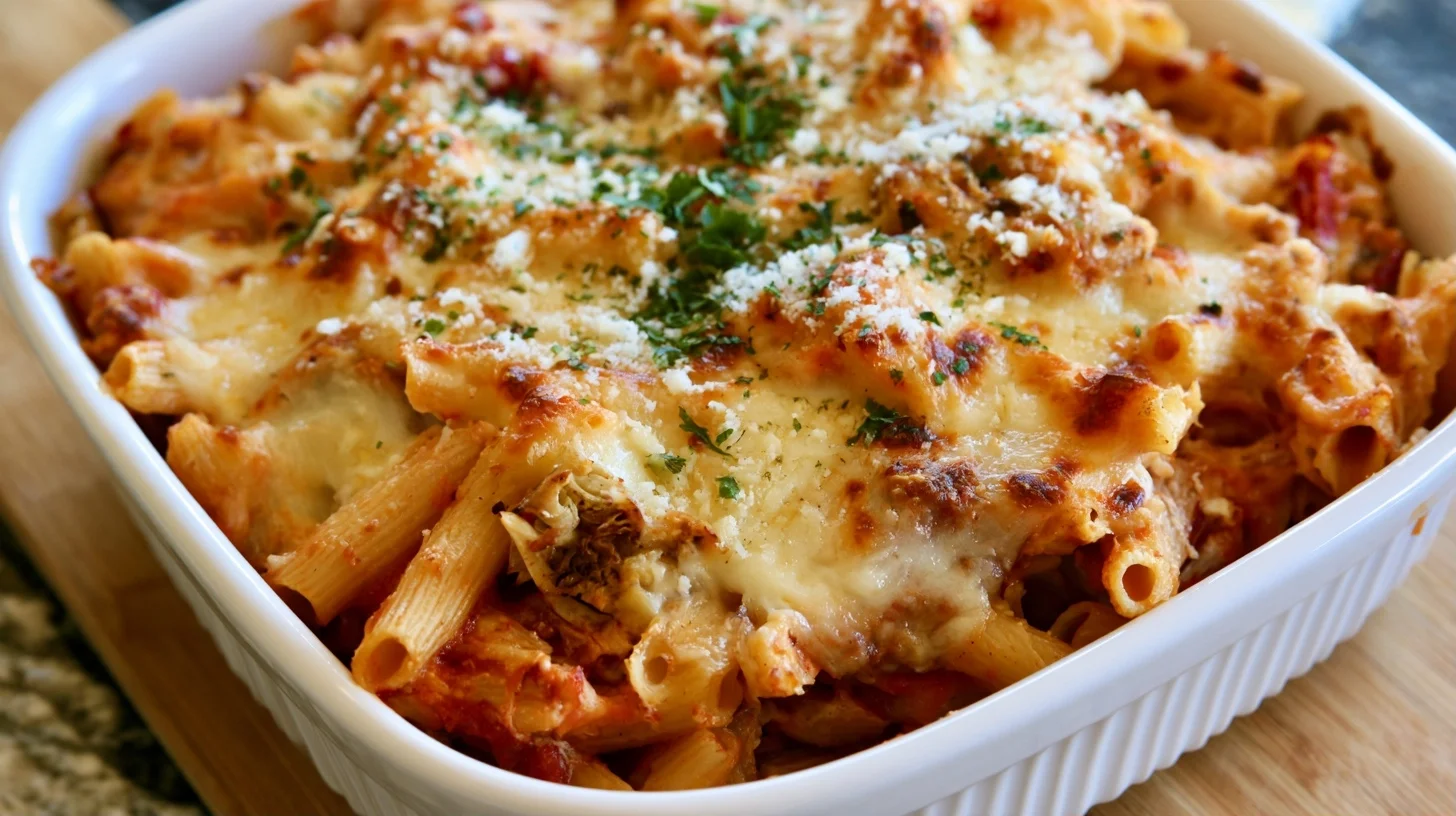
Table of contents
- Why You Will Love This Baked Ziti
- Essential Equipment for Baked Ziti Recipe
- How to Make Perfect Baked Ziti Recipe Every Time
- How to Keep Baked Ziti Creamy and Never Dry
- Common Mistakes That Ruin Baked Ziti
- Ways to Customize Your Baked Ziti
- Nutrition in Baked Ziti
- What to Serve with Baked Ziti Recipe
- How to Store and Reheat Baked Ziti
- Frequently Asked Questions about Baked Ziti Recipe
Why You Will Love This Baked Ziti
- The pasta bakes directly in the sauce, absorbing flavor while staying tender rather than mushy.
- The ricotta mixture stays creamy throughout baking because it’s protected by layers of sauce and cheese.
- You can assemble the entire dish up to 24 hours ahead and bake it when you’re ready to eat.
- Leftovers reheat beautifully without drying out, making this ideal for meal prep.
Essential Equipment for Baked Ziti Recipe
You don’t need specialized tools to make excellent baked ziti, but a few key pieces of equipment make the process smoother and help you achieve better results.
- Large pot: A 6-quart or larger pot gives the pasta enough room to cook evenly without sticking together.
- 9×13-inch baking dish: This size provides the right depth for layering while allowing the top to brown properly. Glass or ceramic both work well.
- Mixing bowl: A medium bowl is needed to combine the ricotta mixture thoroughly before layering.
- Colander: Draining the pasta quickly prevents overcooking and removes excess starch that could make the dish watery.
- Aluminum foil: Covering the dish during the first part of baking traps steam, which keeps the pasta moist while the flavors meld.
How to Make Perfect Baked Ziti Recipe Every Time
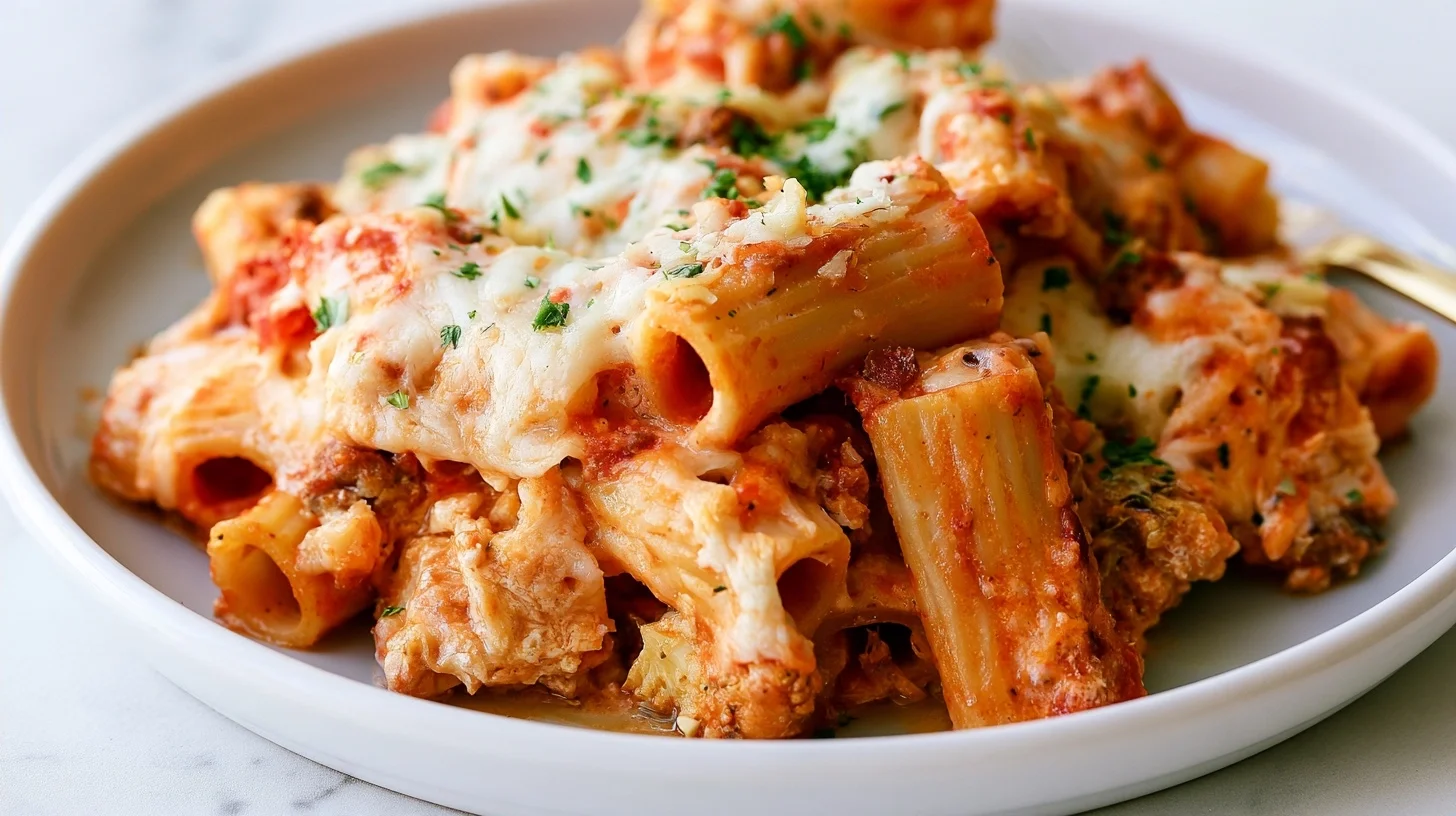
Baked Ziti
8
servings20
minutes45
minutes450
kcalThis baked ziti combines tender pasta with a rich tomato sauce, creamy ricotta, and plenty of melted mozzarella and Parmesan. The key to success is undercooking the pasta by 2 minutes before baking, which allows it to absorb the sauce and finish cooking in the oven without becoming mushy. The result is a cohesive, flavorful casserole with a golden, bubbling cheese topping.
Keep the screen of your device on
Ingredients
1 pound ziti pasta
24 ounces marinara sauce
15 ounces ricotta cheese
1 large egg
2 cups mozzarella cheese
0.75 cup Parmesan cheese
1 teaspoon Italian seasoning
0.5 teaspoon salt
0.25 teaspoon black pepper
2 tablespoons fresh parsley
Directions
- Preheat your oven to 375°F and lightly grease a 9×13-inch baking dish with cooking spray or a thin layer of olive oil. This prevents the pasta from sticking and makes cleanup easier.
- Bring a large pot of salted water to a boil and cook the ziti for 2 minutes less than the package directions indicate. The pasta should still have a firm bite in the center. Drain the pasta in a colander and set it aside. Do not rinse the pasta, as the starch helps the sauce cling to it.
- Mix the ricotta cheese, egg, half the Parmesan, Italian seasoning, salt, and pepper in a medium bowl until smooth and well combined. The egg helps the ricotta hold together during baking instead of becoming watery.
- Spread 1 cup of marinara sauce across the bottom of the prepared baking dish. This base layer prevents the pasta from sticking and adds moisture to the bottom of the casserole.
- Add half the cooked ziti in an even layer over the sauce. Top with half the ricotta mixture, spreading it gently with a spoon, then sprinkle with 1 cup of mozzarella and a tablespoon of Parmesan.
- Repeat the layers with the remaining ziti, ricotta mixture, and another cup of marinara sauce. Finish by spreading the remaining marinara sauce over the top, then sprinkle with the remaining mozzarella and Parmesan. The top layer of sauce protects the pasta from drying out.
Notes
- Undercooking the pasta by 2 minutes before baking prevents it from becoming mushy, as the pasta continues to cook and absorb sauce in the oven.
- Shred mozzarella and Parmesan from blocks rather than using pre-shredded cheese, which contains anti-caking agents that prevent smooth melting.
- Store leftovers in an airtight container in the refrigerator for up to 4 days, or freeze for up to 3 months. Reheat covered at 350°F until warmed through.
Nutrition Facts
- Serving Size: 1g
- Total number of serves: 8
- Calories: 450kcal
- Fat: 18g
- Carbohydrates: 50g
- Fiber: 3g
- Protein: 20g
Did you make this recipe?
Tag @therecipemasterblog on Instagram and hashtag it with #therecipemaster
Like this recipe?
Follow @therecipemasterblog on Pinterest
Follow us on Facebook!
Follow The Recipe Master on Facebook
How to Keep Baked Ziti Creamy and Never Dry
The most reliable way to prevent dry baked ziti is to undercook the pasta by 2 minutes before draining. The pasta finishes cooking in the oven while absorbing sauce, which keeps it tender and flavorful rather than mushy or dried out.
Use Enough Sauce to Coat Every Layer
Each layer of pasta should be generously coated with sauce. If the sauce looks sparse when you’re assembling the dish, the pasta will absorb what little moisture is there and turn dry. Reserve about a cup of sauce specifically for the top layer, which protects the pasta from direct heat and prevents the surface from hardening.
Cover the Dish for the First Half of Baking
Baking covered with foil for the first 20 minutes traps steam inside the dish. This steam keeps the pasta moist and helps the cheese melt evenly. Removing the foil for the final 10 minutes allows the top to brown and develop a slightly crispy cheese layer without drying out the interior.
Mix Ricotta with Egg for Structure
Adding an egg to the ricotta mixture helps it hold together during baking instead of becoming watery or separating. The egg proteins set as the dish bakes, creating a creamy layer that stays cohesive when you cut into the finished casserole. This also prevents the ricotta from leaching excess moisture into the sauce.
Let the Dish Rest Before Serving
Allowing baked ziti to rest for 10 minutes after removing it from the oven gives the sauce time to thicken slightly and the layers time to set. If you cut into it immediately, the sauce will run and the portions won’t hold their shape. This resting period makes serving cleaner and improves the texture of each bite. You can learn more about the shape and texture of ziti pasta and why it works so well in baked dishes.
Common Mistakes That Ruin Baked Ziti
Fully Cooking the Pasta Before Baking
Cooking the pasta all the way to al dente before it goes into the oven causes it to become overcooked and mushy during baking. The pasta continues to cook in the oven as it absorbs sauce, so it needs to start slightly underdone. Drain the pasta 2 minutes before the package directions indicate, and it will finish perfectly in the oven.
Using Pre-Shredded Cheese
Pre-shredded cheese contains anti-caking agents that prevent it from melting as smoothly as cheese you shred yourself. These additives can cause the cheese to clump or create a grainy texture instead of melting into a creamy, cohesive layer. Shredding mozzarella and Parmesan from blocks takes only a few extra minutes and produces noticeably better results.
Skipping the Foil Cover
Baking the entire time uncovered causes the top to brown too quickly while the interior stays undercooked. The exposed pasta also dries out, and the cheese can become tough or oily. Covering the dish with foil for the first 20 minutes ensures even cooking and keeps moisture inside, then removing it allows the top to brown and crisp during the final minutes.
Not Seasoning the Ricotta Mixture
Plain ricotta tastes bland and can make the entire dish feel flat. Mixing the ricotta with salt, pepper, and Italian seasoning before layering it into the dish ensures every component is flavorful. Some recipes also add a small amount of grated Parmesan to the ricotta mixture, which deepens the flavor and adds a slight sharpness that balances the mild ricotta.
Ways to Customize Your Baked Ziti
Add Vegetables for Extra Nutrition
Sautéed spinach, zucchini, bell peppers, or mushrooms can be layered into the dish along with the ricotta mixture. Make sure to cook the vegetables first to release excess moisture, which prevents the casserole from becoming watery. Spinach should be squeezed dry after cooking, and zucchini benefits from salting and draining before adding it to the layers.
Make It Meatless or Add Protein
This recipe works beautifully as a vegetarian baked ziti, but you can also stir cooked Italian sausage, ground beef, or crumbled meatballs into the sauce before assembling the dish. Brown the meat thoroughly and drain excess fat before mixing it with the sauce to avoid a greasy finished dish.
Use Different Cheeses
Swapping part of the mozzarella for provolone adds a sharper, more complex flavor. Fontina melts beautifully and creates an even creamier texture. If you prefer a tangier ricotta layer, substitute half the ricotta with cottage cheese, which also adds extra protein. Each cheese substitution changes the flavor profile slightly, so choose based on what your family prefers.
Try Gluten-Free Baked Ziti Recipe
Gluten-free ziti or penne works well in this recipe. Cook the pasta 1 minute less than the package directions indicate, since gluten-free pasta can become mushy more quickly than traditional pasta. The baking process and sauce absorption remain the same, so the rest of the recipe doesn’t need adjustment.
Nutrition in Baked Ziti
A typical serving of baked ziti contains around 450 calories, with approximately 20 grams of protein from the ricotta, mozzarella, and Parmesan. The dish provides about 50 grams of carbohydrates, mainly from the pasta, and 18 grams of fat from the cheese. Fiber content is around 3 grams per serving, which can be increased by using whole wheat pasta or adding vegetables.
The protein content makes baked ziti a reasonably balanced meal, especially when served with a side salad or steamed vegetables. The fat content comes primarily from the cheese, which also provides calcium. If you’re looking to reduce calories, you can use part-skim ricotta and mozzarella without significantly affecting the texture or flavor of the finished dish.
What to Serve with Baked Ziti Recipe
Baked ziti pairs well with a simple green salad dressed with olive oil and lemon juice. The acidity and freshness of the salad balance the richness of the cheese and sauce. Garlic bread or a crusty Italian loaf is a classic side that’s perfect for soaking up any extra sauce on the plate.
Roasted vegetables such as broccoli, green beans, or Brussels sprouts add color and nutrition to the meal without competing with the flavors of the pasta. A light red wine like Chianti or a crisp white wine like Pinot Grigio complements the tomato sauce and cheese. For a non-alcoholic option, sparkling water with a slice of lemon refreshes the palate between bites.
How to Store and Reheat Baked Ziti
Store leftover baked ziti in an airtight container in the refrigerator for up to 4 days. The dish holds up well because the pasta has already absorbed the sauce, so it won’t become soggy during storage. For longer storage, wrap individual portions tightly in plastic wrap and then in foil before freezing for up to 3 months.
To reheat refrigerated baked ziti, cover it with foil and bake at 350°F for about 20 minutes, or until heated through. You can also reheat individual portions in the microwave, covering the dish with a damp paper towel to prevent the pasta from drying out. Frozen baked ziti can go directly into the oven from the freezer; bake covered at 350°F for 45 to 50 minutes, then uncover and bake for an additional 10 minutes to refresh the top layer.
Frequently Asked Questions about Baked Ziti Recipe
Yes, you can assemble baked ziti up to 24 hours ahead and refrigerate it unbaked. Cover the dish tightly with foil and bake it straight from the refrigerator, adding 10 to 15 extra minutes to the baking time to ensure it heats through completely.
Yes, penne works perfectly in this recipe. The tubular shape and ridges hold sauce just as well as ziti, and the cooking time remains the same. Just remember to undercook the penne by 2 minutes before draining.
Watery baked ziti usually happens when the pasta is overcooked before baking or when too much sauce is used. Make sure to drain the pasta well and undercook it by 2 minutes. Also, avoid adding extra sauce beyond what the recipe calls for, as the pasta releases starch during baking which can thin the sauce.
Baked ziti is done when the cheese on top is melted and lightly browned, the edges are bubbling, and the internal temperature reaches 165°F. The sauce should be thickened rather than watery, and the pasta should be tender when you insert a fork into the center of the dish.






Leave a Reply