

If you’re craving the bold flavors of your favorite Chinese takeout but want to skip the delivery fees and long wait times, this beef and broccoli recipe delivers restaurant-quality results right in your own kitchen. Tender slices of beef, crisp-tender broccoli florets, and a savory-sweet sauce come together in less than 30 minutes for a satisfying one-pan meal that’s fresher, healthier, and more flavorful than anything you’d get from a carryout container. The secret lies in a quick marinade that tenderizes the beef and a simple sauce technique that creates that glossy, velvety coating without any cornstarch clumps or watery disappointments.
This recipe relies on high heat and fast cooking to preserve the bright green color of the broccoli while developing a light sear on the beef. The result is a dish with contrasting textures—silky beef against crisp vegetables—and a balanced sauce that clings to every piece without pooling at the bottom of the plate.
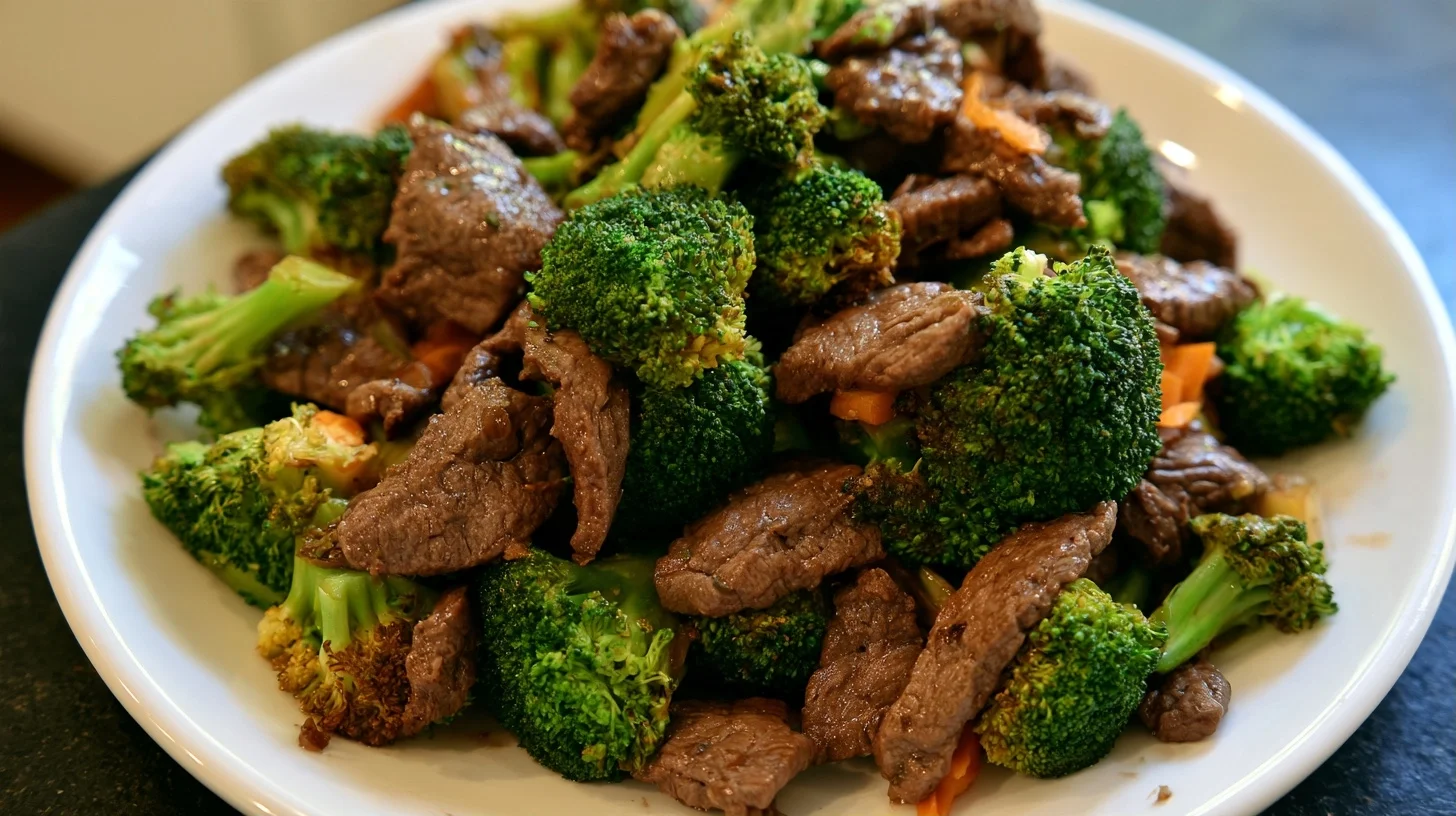
Table of contents
- Why You Will Love This Beef and Broccoli
- Essential Equipment for Stir-Fry Success
- How to Make Tender Beef and Broccoli Every Time
- Key Techniques for Restaurant-Quality Results
- Common Mistakes That Ruin Beef and Broccoli Recipe
- Simple Variations to Customize Your Stir-Fry
- Nutritional Benefits of Beef and Broccoli
- How to Serve Beef and Broccoli Recipe
- How to Store and Reheat Beef and Broccoli
- Frequently Asked Questions about Beef and Broccoli Recipe
Why You Will Love This Beef and Broccoli
- Ready in under 30 minutes, making it faster than ordering takeout and waiting for delivery.
- Uses a simple marinade with baking soda to tenderize the beef, ensuring every bite is soft and juicy.
- The sauce thickens naturally without clumping, creating a glossy coating that clings to the beef and broccoli.
- Requires only one pan for the entire cooking process, which means minimal cleanup.
Essential Equipment for Stir-Fry Success
The right equipment makes a noticeable difference when cooking beef and broccoli at high heat. A large surface area and proper heat distribution help you achieve the seared edges and tender texture that define a great stir-fry.
- Large skillet or wok: A 12-inch skillet or wok provides enough space to cook the beef in a single layer without steaming, which is essential for developing color and texture.
- Sharp knife: Slicing the beef thinly and against the grain is easier with a sharp knife, and it directly impacts the tenderness of the finished dish.
- Mixing bowls: Separate bowls for marinating the beef and mixing the sauce keep the process organized and prevent cross-contamination.
- Tongs or spatula: A heat-resistant spatula or tongs help you move the beef and broccoli quickly without tearing the meat or breaking the florets.
How to Make Tender Beef and Broccoli Every Time
Beef and Broccoli
4
servings15
minutes12
minutes350
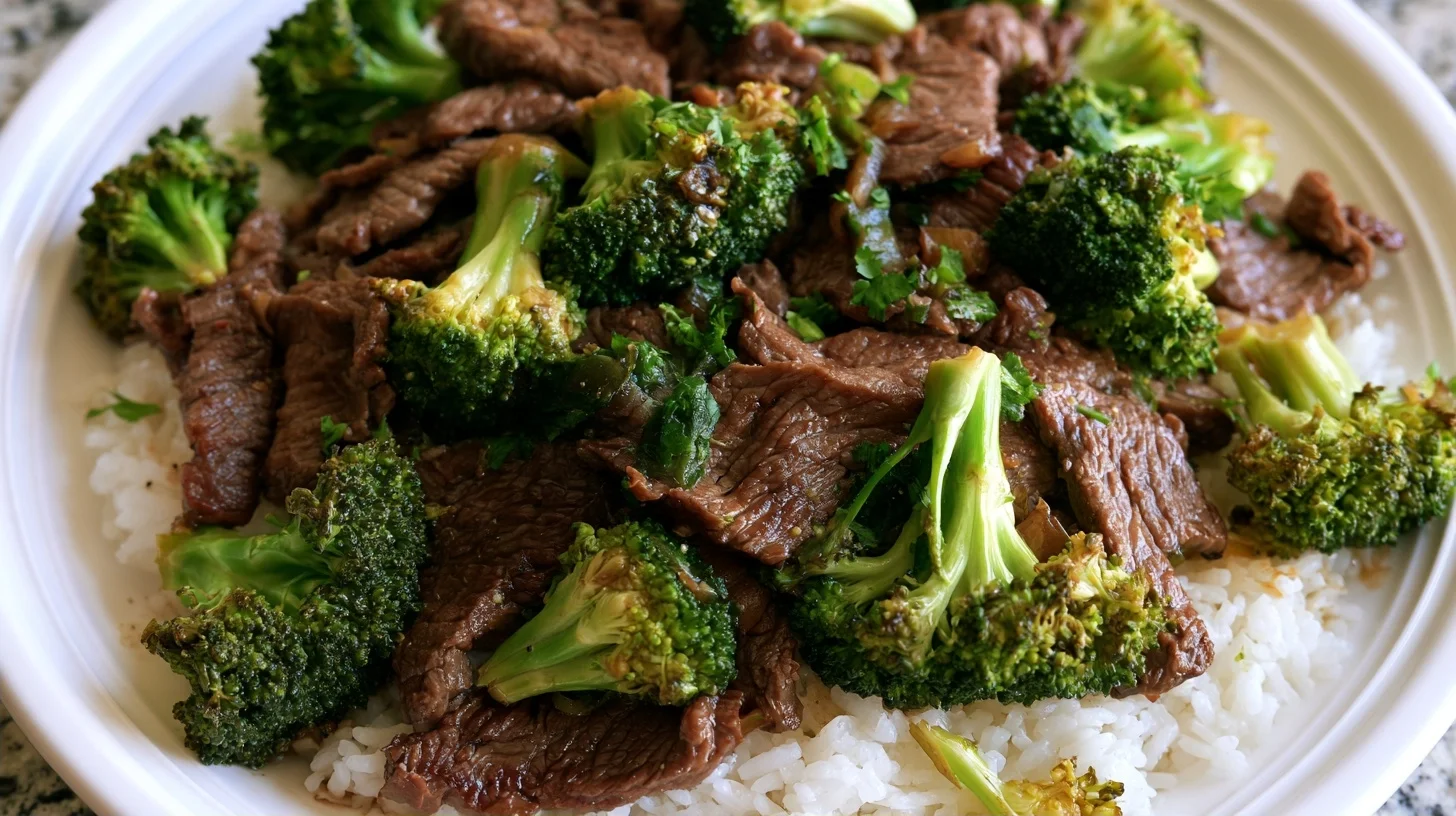
kcalThis beef and broccoli recipe combines tender marinated beef slices, crisp-tender broccoli florets, and a savory-sweet sauce that clings to every bite. The key is a quick marinade with baking soda that keeps the beef soft and juicy, plus a simple sauce technique that creates a glossy coating without clumps or watery runoff.
Keep the screen of your device on
Ingredients
1 lb flank steak
0.5 tsp baking soda
1 tbsp soy sauce
1 tbsp cornstarch
3 cups broccoli florets
3 tbsp oyster sauce
2 tbsp soy sauce
1 tbsp brown sugar
2 tsp cornstarch
3 cloves garlic
1 tsp fresh ginger
2 tbsp vegetable oil
Directions
- Slice the beef thinly against the grain into strips about 1/4 inch thick. Place the beef in a bowl and add the baking soda, 1 tablespoon soy sauce, and 1 tablespoon cornstarch. Mix well and let it sit for 15 minutes at room temperature. This marinade tenderizes the beef and helps it stay juicy during cooking.
- Blanch the broccoli by bringing a pot of water to a boil, adding the florets, and cooking for 60 to 90 seconds until they turn bright green. Drain the broccoli and pat it dry with a towel to remove excess moisture.
- Heat 1 tablespoon of oil in a large skillet or wok over high heat. Add half the beef in a single layer and cook undisturbed for 30 to 45 seconds until the bottom is browned. Flip and cook for another 30 seconds, then transfer to a plate. Repeat with the remaining beef.
- Add the remaining tablespoon of oil to the same pan, then add the minced garlic and ginger. Stir for 15 to 20 seconds until fragrant but not burned.
- Pour in the oyster sauce, 2 tablespoons soy sauce, and brown sugar, stirring to combine. In a small bowl, mix 2 teaspoons cornstarch with 2 tablespoons cold water to create a slurry, then pour it into the pan. Simmer for 60 to 90 seconds, stirring constantly, until the sauce thickens and becomes glossy.
- Return the beef and broccoli to the pan and toss everything together for 1 to 2 minutes until the sauce coats the beef and broccoli evenly. The broccoli should be heated through but still crisp.
Notes
- Slicing the beef against the grain shortens the muscle fibers, which makes each bite more tender and easier to chew.
- If the sauce is too thick, add a tablespoon of water and stir until it reaches the desired consistency.
- Store leftovers in an airtight container in the refrigerator for up to 3 days. Reheat in a skillet over medium heat, adding a tablespoon of water to loosen the sauce.
Nutrition Facts
- Serving Size: 1g
- Total number of serves: 4
- Calories: 350kcal
- Fat: 14g
- Carbohydrates: 22g
- Fiber: 4g
- Protein: 28g
Did you make this recipe?
Tag @therecipemasterblog on Instagram and hashtag it with #therecipemaster
Like this recipe?
Follow @therecipemasterblog on Pinterest
Follow us on Facebook!
Follow The Recipe Master on Facebook
Key Techniques for Restaurant-Quality Results
The difference between a good beef and broccoli and a great one comes down to a few specific techniques that control texture, flavor, and appearance. These steps ensure the beef stays tender, the broccoli stays crisp, and the sauce coats everything evenly.
Slice the Beef Against the Grain
Cutting the beef against the grain shortens the muscle fibers, which makes each bite more tender and easier to chew. Look for the direction of the fibers running through the meat, then slice perpendicular to those lines. For the easiest slicing, freeze the beef for 15 to 20 minutes until it’s firm but not frozen solid.
Marinate with Baking Soda for Maximum Tenderness
A small amount of baking soda in the marinade raises the pH of the beef’s surface, which helps it retain moisture during cooking and creates a more tender texture. Marinating the beef for at least 15 minutes, or up to 30 minutes, gives the baking soda time to work without turning the meat mushy. Rinse the beef lightly before cooking if you’re sensitive to any residual alkaline taste, though most of it cooks off during searing.
Blanch the Broccoli Before Stir-Frying
Blanching the broccoli in boiling water for 60 to 90 seconds before adding it to the stir-fry ensures it cooks evenly and stays bright green. Raw broccoli takes too long to cook in the pan, which means the beef can overcook while you wait for the florets to soften. After blanching, drain the broccoli thoroughly and pat it dry to prevent excess water from diluting the sauce.
Cook the Beef in Batches
Overcrowding the pan drops the temperature and causes the beef to steam instead of sear. Cook the beef in two batches if necessary, spreading the slices in a single layer and leaving them undisturbed for 30 to 45 seconds before flipping. This creates the caramelized edges that add depth to the dish. You can find more tips for cooking beef at high heat in our guide to beef and sweet potato hash.
Thicken the Sauce at the Right Moment
The sauce should reach a glossy, spoon-coating consistency before you add the beef and broccoli back to the pan. If the sauce is too thin, it will slide off the ingredients and pool at the bottom. If it’s too thick, it will clump. Simmering the sauce for 60 to 90 seconds after adding the cornstarch slurry activates the starch and creates the right texture.
Common Mistakes That Ruin Beef and Broccoli Recipe
Using Cold Beef Straight from the Fridge
Cold beef lowers the temperature of the pan and prevents proper searing, which results in gray, steamed meat instead of caramelized slices. Let the marinated beef sit at room temperature for 10 minutes before cooking, or plan your timing so the beef warms slightly while you prep the other ingredients. This small step makes a noticeable difference in color and texture.
Adding the Sauce Too Early
Pouring the sauce into the pan before the beef and broccoli are fully cooked causes the ingredients to steam and prevents the sauce from thickening properly. Always cook the beef and broccoli separately, remove them from the pan, then build the sauce in the empty pan before returning everything at the end. This method gives you better control over the final consistency.
Overcooking the Broccoli
Broccoli that cooks too long turns olive green and loses its crisp texture. Blanching the florets for 60 to 90 seconds, followed by a quick toss in the hot pan, is all the cooking time they need. If you skip the blanching step and try to cook raw broccoli entirely in the stir-fry, the beef will overcook while you wait for the broccoli to soften.
Skipping the Cornstarch Slurry
Adding dry cornstarch directly to the sauce creates lumps that never dissolve. Mixing the cornstarch with cold water before adding it to the pan ensures a smooth, even thickening. Stir the slurry immediately before pouring it into the sauce, as the cornstarch settles quickly and can clump if it sits too long.
Simple Variations to Customize Your Stir-Fry
Add More Vegetables
Bell peppers, snap peas, carrots, and mushrooms all work well in this recipe. Slice them thinly so they cook quickly, and add them to the pan after the beef is removed. Blanch harder vegetables like carrots for a minute before stir-frying to ensure even cooking.
Make It Spicy
Stir in red pepper flakes, fresh sliced chilies, or a spoonful of chili garlic sauce along with the ginger and garlic. Start with a small amount and adjust to your heat preference. The sauce will distribute the spice evenly throughout the dish.
Use Chicken or Tofu Instead of Beef
Boneless skinless chicken thighs or firm tofu can replace the beef using the same marinade and cooking method. Chicken thighs stay more tender than chicken breast and handle high heat better. For tofu, press it well to remove excess moisture, then cut it into cubes and marinate for at least 15 minutes before cooking.
Make Beef and Broccoli Recipe Gluten-Free
Replace the soy sauce with tamari or coconut aminos, and check that your oyster sauce is gluten-free or substitute it with additional tamari and a small amount of hoisin sauce. The flavor will be slightly different but still balanced and savory.
Nutritional Benefits of Beef and Broccoli
This dish provides a solid balance of protein, fiber, and essential vitamins. Each serving delivers approximately 350 calories, with 28 grams of protein from the beef, which supports muscle maintenance and keeps you full longer. The broccoli contributes about 4 grams of fiber, which aids digestion and helps regulate blood sugar. Broccoli is also rich in vitamins C and K, both of which support immune function and bone health.
The sauce adds some sugar and sodium, but homemade versions contain significantly less of both compared to restaurant takeout. Using low-sodium soy sauce and reducing the sugar by half still produces a flavorful dish while cutting back on unnecessary sodium. The fat content comes primarily from the cooking oil and the natural marbling in the beef, totaling around 14 grams per serving.
How to Serve Beef and Broccoli Recipe
Serve beef and broccoli over steamed white rice, brown rice, or cauliflower rice for a complete meal. The sauce soaks into the rice and adds flavor to every bite. For a lower-carb option, serve it over spiralized zucchini noodles or shirataki noodles, which absorb the sauce without adding many calories.
This dish also pairs well with fried rice, lo mein, or a simple cucumber salad dressed with rice vinegar and sesame oil. Garnish with sesame seeds or sliced green onions for added texture and a fresh finish.
How to Store and Reheat Beef and Broccoli
Store leftovers in an airtight container in the refrigerator for up to 3 days. The beef and broccoli will stay flavorful, though the broccoli may soften slightly as it sits in the sauce. Reheat individual portions in a skillet over medium heat for 3 to 4 minutes, stirring occasionally, until warmed through. Adding a tablespoon of water helps loosen the sauce if it has thickened in the fridge.
You can also reheat in the microwave in 30-second intervals, stirring between each interval to ensure even heating. Avoid reheating more than once, as the beef can become tough and the broccoli will lose its texture.
Freezing is not recommended for this dish, as the broccoli becomes mushy and the sauce can separate when thawed. If you want to meal prep, cook the beef and store it separately from the broccoli and sauce, then combine and reheat everything together when ready to eat.
Frequently Asked Questions about Beef and Broccoli Recipe
Yes, but thaw and drain the broccoli thoroughly before adding it to the pan. Frozen broccoli releases more water than fresh, which can dilute the sauce and prevent proper browning.
Flank steak, sirloin, or ribeye all work well because they’re tender and slice easily against the grain. Flank steak is the most economical option and produces excellent results when sliced thinly.
Yes, you can mix the sauce ingredients and store them in the refrigerator for up to 3 days. Stir the sauce before adding it to the pan, as the cornstarch may settle at the bottom.
The sauce may not be simmering long enough, or the cornstarch slurry wasn’t mixed properly before adding it. Make sure the sauce reaches a gentle simmer for 60 to 90 seconds after adding the slurry, and stir the slurry immediately before pouring it in.






Leave a Reply