

If you’re craving a cozy, flavorful dish that brings together the earthy sweetness of pumpkin and the comfort of pasta, this pumpkin pasta is exactly what you need. The sauce is velvety, lightly spiced, and clings beautifully to every strand of pasta, creating a dish that feels both indulgent and satisfying. Unlike heavy cream-based sauces that can weigh you down, this one balances richness with brightness, thanks to a touch of garlic, sage, and Parmesan.
What makes this recipe stand out is how the pumpkin purée transforms into a silky sauce without becoming grainy or watery. The key is cooking the purée with aromatics and broth until it reaches a smooth, spoon-coating consistency, which ensures it clings to the pasta instead of pooling at the bottom of the bowl. This technique also deepens the flavor, turning plain pumpkin into something that tastes complex and intentional.
Whether you’re looking for a quick weeknight dinner or a dish that feels special enough for guests, this pumpkin pasta delivers on both fronts. It comes together in about 30 minutes, uses pantry-friendly ingredients, and can be easily adapted to suit dietary preferences or whatever you have on hand.
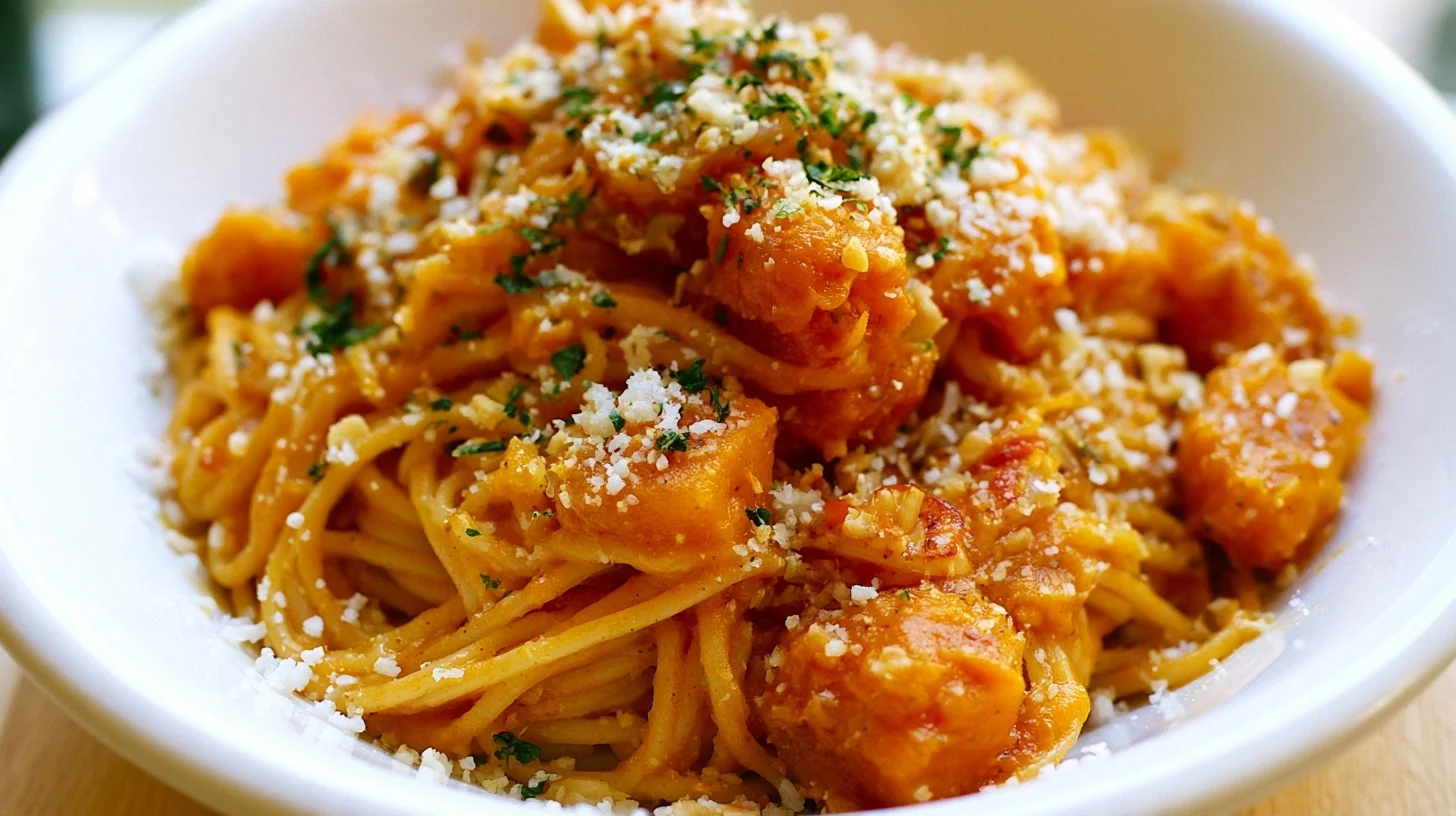
Table of contents
- Why You Will Love This Pumpkin Pasta
- Essential Tools for Making Pumpkin Pasta
- How to Make Pumpkin Pasta with a Silky Sauce
- Tips for the Best Pumpkin Pasta Every Time
- Common Mistakes When Making Pumpkin Pasta
- How to Adapt Pumpkin Pasta for Different Diets
- What Makes Pumpkin Pasta Sauce Creamy Without Cream
- Best Pasta Shapes for Pumpkin Sauce
- Nutritional Benefits of Pumpkin Pasta
- What to Serve with Pumpkin Pasta
- How to Store and Reheat Pumpkin Pasta
- Frequently Asked Questions
Why You Will Love This Pumpkin Pasta
- The sauce is naturally creamy without using heavy cream, making it lighter but still satisfying.
- It takes less than 30 minutes from start to finish, perfect for busy weeknights.
- The recipe is easily adaptable to vegetarian, vegan, or gluten-free diets with simple substitutions.
- The combination of sage, garlic, and Parmesan creates a flavor profile that feels warm and comforting without being overly sweet.
Essential Tools for Making Pumpkin Pasta
You don’t need any specialized equipment to make this pumpkin pasta, but having the right tools makes the process smoother and helps you achieve the best texture. Here’s what you’ll actually use:
- Large pot: For boiling the pasta. A pot with at least a 6-quart capacity gives the pasta enough room to cook evenly without sticking together.
- Large skillet or sauté pan: This is where the sauce comes together. A 12-inch skillet with high sides works best because it gives you enough room to toss the pasta with the sauce without making a mess.
- Wooden spoon or silicone spatula: For stirring the sauce and scraping up any browned bits from the bottom of the pan, which add flavor.
- Measuring cups and spoons: Accuracy matters when balancing the pumpkin purée with the broth and seasonings.
- Colander: For draining the pasta. Reserve a cup of pasta water before draining, as it’s essential for adjusting the sauce consistency.
How to Make Pumpkin Pasta with a Silky Sauce
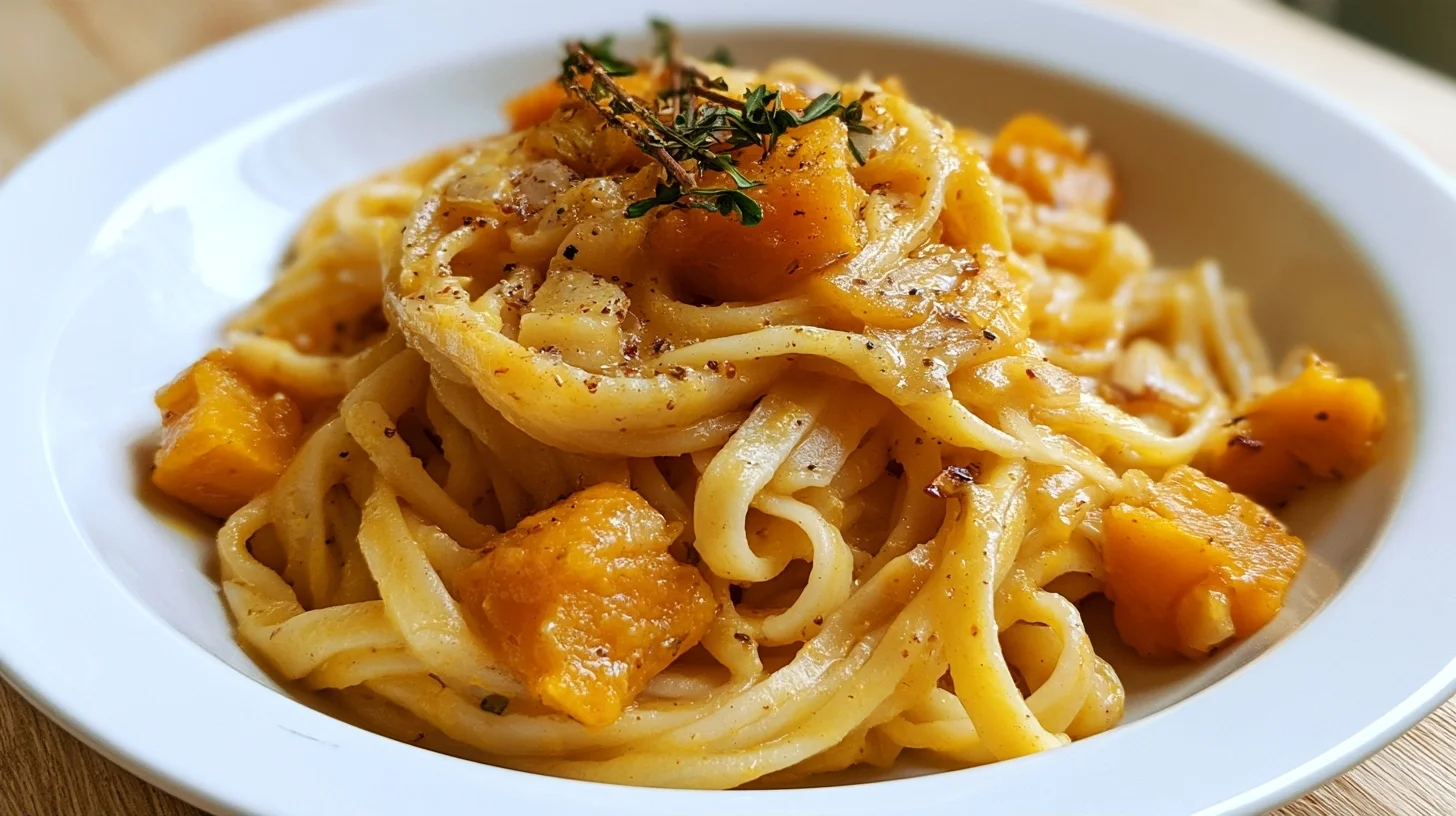
Pumpkin Pasta with Creamy Sage Sauce
4
servings10
minutes20
minutes380
kcalThis pumpkin pasta features a naturally creamy sauce made from pumpkin purée, garlic, sage, and Parmesan. The key to the silky texture is cooking the pumpkin with aromatics before adding broth, which deepens the flavor and prevents the sauce from becoming watery. Ready in under 30 minutes, it’s a comforting dish that feels indulgent without relying on heavy cream.
Keep the screen of your device on
Ingredients
12 ounces pasta
2 tablespoons butter
3 cloves garlic
1 tablespoon fresh sage
1 cup pumpkin purée
1 cup vegetable or chicken broth
0.5 cup Parmesan cheese
0.25 teaspoon nutmeg
1 pinch red pepper flakes
1 tablespoon salt
1 to taste black pepper
1 handful fresh parsley
Directions
- Bring a large pot of water to a boil and add a tablespoon of salt. The water should taste salty, as this is your only chance to season the pasta itself. Add the pasta and cook according to package directions until al dente, usually 8 to 10 minutes. Before draining, scoop out one cup of the starchy pasta water and set it aside.
- Melt the butter in a large skillet over medium heat. Once the butter is foaming, add the minced garlic and chopped sage. Sauté for about 30 seconds, stirring constantly, until the garlic is fragrant but not browned. This step infuses the butter with flavor without burning the garlic, which would make the sauce bitter.
- Add the pumpkin purée to the skillet and stir it into the butter, garlic, and sage. Cook for 2 to 3 minutes, stirring occasionally, until the pumpkin darkens slightly and smells toasted. This step removes any raw flavor from the canned pumpkin and concentrates its natural sweetness.
- Pour in half the broth and stir until the sauce is smooth. Let it simmer for 3 to 4 minutes, then check the consistency. If it’s too thick, add more broth a little at a time until the sauce reaches a creamy, spoon-coating texture. The sauce should be thick enough to cling to the pasta but thin enough to toss easily.
- Stir in the nutmeg, red pepper flakes if using, and a pinch of black pepper. Taste the sauce and adjust the seasoning. The nutmeg should be subtle, just enough to enhance the pumpkin’s natural flavor without making the sauce taste sweet or spiced.
- Add the drained pasta to the skillet along with a few tablespoons of the reserved pasta water. Toss everything together over low heat for 1 to 2 minutes, adding more pasta water if needed to loosen the sauce. The starch in the pasta water helps the sauce cling to the noodles and creates a silky finish.
Notes
- The sauce should reach a smooth, spoon-coating consistency before the pasta is added, which ensures it clings to the noodles instead of pooling at the bottom of the bowl.
- Reserve at least one cup of pasta water before draining, as the starch in the water helps bind the sauce and adjust the consistency if it becomes too thick.
- Store leftovers in an airtight container in the refrigerator for up to three days. Reheat gently on the stovetop with a splash of broth or pasta water to restore the creamy texture.
Nutrition Facts
- Serving Size: 1g
- Total number of serves: 4
- Calories: 380kcal
- Fat: 11g
- Carbohydrates: 58g
- Fiber: 4g
- Protein: 12g
Did you make this recipe?
Tag @therecipemasterblog on Instagram and hashtag it with #therecipemaster
Like this recipe?
Follow @therecipemasterblog on Pinterest
Follow us on Facebook!
Follow The Recipe Master on Facebook
Tips for the Best Pumpkin Pasta Every Time
The difference between a good pumpkin pasta and a great one comes down to a few key techniques that control texture, flavor, and how well the sauce clings to the pasta. These tips address the most common issues and help you get consistent results.
Use Pure Pumpkin Purée, Not Pumpkin Pie Filling
Pumpkin pie filling contains added sugar and spices, which will throw off the balance of the sauce and make it overly sweet. Pure pumpkin purée gives you a neutral base that you can season intentionally. Check the ingredient list on the can to make sure it only lists pumpkin.
Cook the Pumpkin Purée Before Adding Liquid
Sautéing the pumpkin purée with garlic and sage for a few minutes before adding broth deepens the flavor and removes any raw, tinny taste that canned pumpkin sometimes has. This step also helps the sauce develop a smoother texture because it allows the purée to caramelize slightly and concentrate its natural sweetness.
Add Broth Gradually to Control Consistency
The sauce should reach a smooth, spoon-coating consistency before the pasta is added. Start with half the broth, stir it in, and let it simmer for a few minutes. If the sauce looks too thick, add more broth a little at a time until it’s creamy but not runny. This gives you more control than dumping all the liquid in at once.
Reserve Pasta Water and Use It Strategically
Pasta water contains starch that helps the sauce cling to the noodles and creates a silky finish. Before draining the pasta, scoop out at least one cup of the cooking water. Add it to the sauce a few tablespoons at a time while tossing the pasta, especially if the sauce looks dry or clumpy. This is one of the most reliable ways to fix a sauce that’s too thick or not coating the pasta evenly.
Toss the Pasta in the Sauce, Don’t Just Pour It On Top
Once the pasta is drained, add it directly to the skillet with the sauce and toss everything together over low heat for a minute or two. This allows the pasta to absorb some of the sauce and creates a cohesive dish instead of noodles sitting in a pool of liquid. If you’re using a stuffed pasta like pumpkin ravioli, be gentle when tossing to avoid breaking the filling.
Finish with Parmesan and Fresh Herbs
Stir in freshly grated Parmesan at the end, off the heat, so it melts into the sauce without clumping. A handful of chopped fresh sage or parsley adds brightness and balances the richness of the pumpkin. Pre-grated Parmesan doesn’t melt as smoothly because it contains anti-caking agents, so grating your own makes a noticeable difference.
Common Mistakes When Making Pumpkin Pasta
Even though this recipe is straightforward, a few missteps can result in a sauce that’s too thick, too watery, or lacking flavor. Here’s what to watch out for and how to fix it if something goes wrong.
Adding Too Much Broth at Once
If you pour all the broth into the pumpkin purée without giving it time to reduce, the sauce will be thin and won’t cling to the pasta. This happens because the pumpkin needs time to absorb the liquid and thicken naturally. To fix it, let the sauce simmer uncovered for a few extra minutes until it reduces to a creamy consistency. If it’s already too thin and you’ve added the pasta, sprinkle in a tablespoon of grated Parmesan and toss—it will help bind the sauce.
Overcooking the Garlic
Garlic burns quickly, especially in a hot pan, and once it’s burnt, it turns bitter and ruins the sauce. Add the garlic after the butter or oil has melted but before it starts smoking, and cook it just until it’s fragrant, about 30 seconds. If you’re using fresh sage, add it at the same time so both aromatics cook together without burning.
Not Seasoning the Pasta Water
Undersalted pasta water results in bland noodles, and no amount of sauce can fully fix that. The water should taste like the ocean—salty enough that you notice it. Add at least a tablespoon of salt to the boiling water before adding the pasta. This is especially important for this recipe because the pumpkin sauce is mild, and well-seasoned pasta provides the foundation for balanced flavor.
Skipping the Step of Tossing Pasta in the Sauce
If you drain the pasta and just pour the sauce over it, the noodles won’t absorb any of the flavor, and the sauce will slide off instead of coating each piece. Always toss the pasta in the skillet with the sauce over low heat for at least a minute. This step also gives you a chance to adjust the consistency with reserved pasta water if needed.
How to Adapt Pumpkin Pasta for Different Diets
This recipe is naturally flexible and can be modified to fit a variety of dietary needs without losing its creamy texture or rich flavor. Here’s how to make it work for you.
Vegetarian Pumpkin Pasta
The base recipe is already vegetarian as long as you use vegetable broth and check that your Parmesan is made without animal rennet. Many store-bought Parmesan cheeses contain rennet, so look for vegetarian-certified versions if that matters to you.
Vegan Pumpkin Pasta
Replace the butter with olive oil or vegan butter, and swap the Parmesan for nutritional yeast or a plant-based Parmesan alternative. Nutritional yeast adds a cheesy, umami flavor that works especially well with pumpkin. Use about three tablespoons to start, then taste and add more if you want a stronger flavor. The sauce will still be creamy because the pumpkin purée provides the body.
Gluten-Free Pumpkin Pasta
Use your favorite gluten-free pasta and follow the package instructions for cooking time, as gluten-free noodles often cook faster than regular pasta. The sauce itself is naturally gluten-free as long as you use gluten-free broth. Be extra careful not to overcook gluten-free pasta, as it can become mushy quickly.
Dairy-Free Pumpkin Pasta
Skip the butter and Parmesan, and use olive oil for sautéing. To replace the richness that Parmesan provides, stir in a tablespoon of tahini or cashew cream at the end. Both add a creamy, slightly nutty flavor that complements the pumpkin without overpowering it.
Adding Protein to Pumpkin Pasta
If you want to make this a more substantial meal, add cooked Italian sausage, shredded rotisserie chicken, or crispy chickpeas. Brown the sausage or chicken separately, then stir it into the sauce just before adding the pasta. For chickpeas, toss them with olive oil, salt, and smoked paprika, then roast them at 400°F for 20 minutes until crispy. Sprinkle them on top just before serving so they stay crunchy.
What Makes Pumpkin Pasta Sauce Creamy Without Cream
The creamy texture in this pumpkin pasta comes from the natural starch in the pumpkin purée and the emulsification that happens when you combine it with broth, butter, and Parmesan. Unlike cream-based sauces that rely on dairy fat for richness, this sauce gets its body from the pumpkin itself, which is why the consistency depends on how you cook it.
When you sauté the pumpkin purée with garlic and sage, the heat breaks down the cell walls in the pumpkin and releases its natural sugars, which caramelize slightly and deepen the flavor. Adding broth gradually allows the pumpkin to absorb the liquid without becoming watery, and the starch in the pasta water acts as a binder that helps the sauce cling to the noodles. The Parmesan melts into the sauce and adds a subtle tang that balances the sweetness of the pumpkin, while the butter provides a silky finish.
This method creates a sauce that’s lighter than Alfredo but still feels indulgent, and because it doesn’t rely on heavy cream, it won’t leave you feeling overly full. The texture should be smooth and glossy, thick enough to coat the back of a spoon but thin enough to toss easily with the pasta. If you’ve ever wondered where pumpkin traditions come from, it’s fascinating to see how this humble squash has been used in cooking for centuries across different cultures.
Best Pasta Shapes for Pumpkin Sauce
The shape of the pasta you choose affects how well the sauce clings and how satisfying each bite feels. Pumpkin sauce is thick and creamy, so it works best with pasta shapes that have texture or ridges to grab onto the sauce.
Long noodles like fettuccine, pappardelle, or tagliatelle are excellent choices because their wide, flat surfaces hold the sauce well. Pappardelle, in particular, has a rustic, hearty feel that pairs beautifully with the earthy flavor of pumpkin. Short pasta shapes like rigatoni, penne, or orecchiette also work well because the sauce gets trapped inside the tubes or cups, giving you a burst of flavor in every bite. Avoid very thin pasta like angel hair, as it doesn’t have enough surface area to hold the sauce and can become mushy quickly.
Nutritional Benefits of Pumpkin Pasta
Pumpkin pasta is a lighter alternative to cream-based pasta dishes, and it offers a good balance of carbohydrates, fiber, and vitamins. One serving provides around 380 calories, depending on the type of pasta and the amount of Parmesan you use. The pumpkin purée adds about 4 grams of fiber per serving, which helps with digestion and keeps you feeling full longer.
Pumpkin is also rich in beta-carotene, which your body converts into vitamin A. This nutrient supports eye health, immune function, and skin health. The dish contains moderate amounts of protein, around 12 grams per serving, which comes from the pasta and Parmesan. If you add sausage or chicken, the protein content increases significantly.
Because the sauce doesn’t rely on heavy cream, the fat content is lower than traditional Alfredo or carbonara, making this a more balanced option for weeknight dinners. The carbohydrates from the pasta provide energy, and the fiber from the pumpkin slows down digestion, which helps prevent blood sugar spikes.
What to Serve with Pumpkin Pasta
Pumpkin pasta is rich and flavorful on its own, so it pairs best with sides that add freshness and contrast. A simple arugula salad with lemon vinaigrette cuts through the creaminess and adds a peppery bite that balances the sweetness of the pumpkin. Toss the arugula with olive oil, lemon juice, salt, and shaved Parmesan for a quick, elegant side.
Garlic bread or crusty Italian bread is always a good choice for soaking up any extra sauce. If you want something lighter, roasted vegetables like Brussels sprouts, green beans, or broccoli add texture and a slight bitterness that complements the pumpkin. Roast them with olive oil, salt, and a sprinkle of red pepper flakes for a bit of heat.
For a more substantial meal, serve the pasta alongside roasted chicken thighs or grilled pork chops. The savory, slightly charred flavor of the meat pairs beautifully with the smooth, earthy sauce. A glass of white wine, like Chardonnay or Pinot Grigio, rounds out the meal and adds a touch of acidity that brightens the dish.
How to Store and Reheat Pumpkin Pasta
Store leftover pumpkin pasta in an airtight container in the refrigerator for up to three days. The sauce will thicken as it cools, which is normal. When you’re ready to reheat it, add a splash of broth or pasta water to loosen the sauce and bring back its creamy texture.
Reheat the pasta gently on the stovetop over low heat, stirring frequently to prevent the sauce from breaking or becoming grainy. You can also reheat it in the microwave, but do it in short intervals—30 seconds at a time—and stir between each interval to ensure even heating. Avoid reheating at high heat, as it can cause the sauce to separate.
Freezing pumpkin pasta is possible, but the texture of the pasta may change slightly after thawing. If you plan to freeze it, undercook the pasta by a minute or two before mixing it with the sauce. Store it in a freezer-safe container for up to two months. Thaw it overnight in the refrigerator, then reheat it on the stovetop with a little extra broth to refresh the sauce.
Frequently Asked Questions
Yes, you can use fresh pumpkin, but you’ll need to roast it first. Cut the pumpkin into chunks, remove the seeds, and roast at 400°F for 30 to 40 minutes until tender. Scoop out the flesh and mash it until smooth. Fresh pumpkin has a slightly different texture and may contain more water, so you may need to simmer the sauce a bit longer to reach the right consistency.
You can prepare the sauce ahead of time and store it in the refrigerator for up to two days. Cook the pasta fresh when you’re ready to serve, then toss it with the reheated sauce. Cooking the pasta ahead and storing it with the sauce can make the noodles mushy, so it’s best to keep them separate until serving.
Fresh thyme, rosemary, or basil all work well as substitutes for sage. Thyme and rosemary have a more earthy, piney flavor, while basil adds a sweeter, more aromatic note. Use about half the amount of rosemary compared to sage, as it has a stronger flavor. If you don’t have fresh herbs, a pinch of dried Italian seasoning works in a pinch.
The sauce becomes watery if too much broth is added at once or if the pumpkin purée isn’t cooked long enough to thicken. To fix it, let the sauce simmer uncovered for a few extra minutes until it reduces and thickens. You can also stir in a tablespoon of grated Parmesan or a small amount of cornstarch slurry to help bind the sauce.


Leave a Reply