

- Moist, warmly spiced pumpkin bundt cake with tender crumb and golden crust that showcases authentic fall flavors.
- One-bowl, simple preparation and bundt pan yield an elegant presentation without needing frosting skills.
- Key techniques: thoroughly grease the pan, use room temperature ingredients, do not overmix, cool 15 to 20 minutes before unmolding.
- Storage and make-ahead: keeps moist up to five days refrigerated, freezes up to three months, flavors improve after a day.
When autumn arrives and the air turns crisp, few desserts capture the season quite like a pumpkin bundt cake. This cake combines warm spices, tender crumb, and rich pumpkin flavor in a beautifully shaped loaf that looks impressive but comes together with minimal effort. Unlike layered cakes that require assembly and frosting finesse, a bundt cake bakes in one pan and releases with a simple flip, making it ideal for both weeknight desserts and holiday gatherings. The key to success lies in balancing moisture without creating a dense, heavy texture—a challenge this recipe solves by using the right ratio of pumpkin puree to flour and incorporating sour cream for tenderness.
This version delivers a moist, spiced cake with a golden crust and soft interior that stays fresh for days. The spice blend of cinnamon, nutmeg, ginger, and cloves creates depth without overwhelming the pumpkin, while a touch of vanilla rounds out the flavor. Whether you serve it plain, dusted with powdered sugar, or drizzled with cream cheese glaze, this cake offers the comforting flavors of fall in every slice.
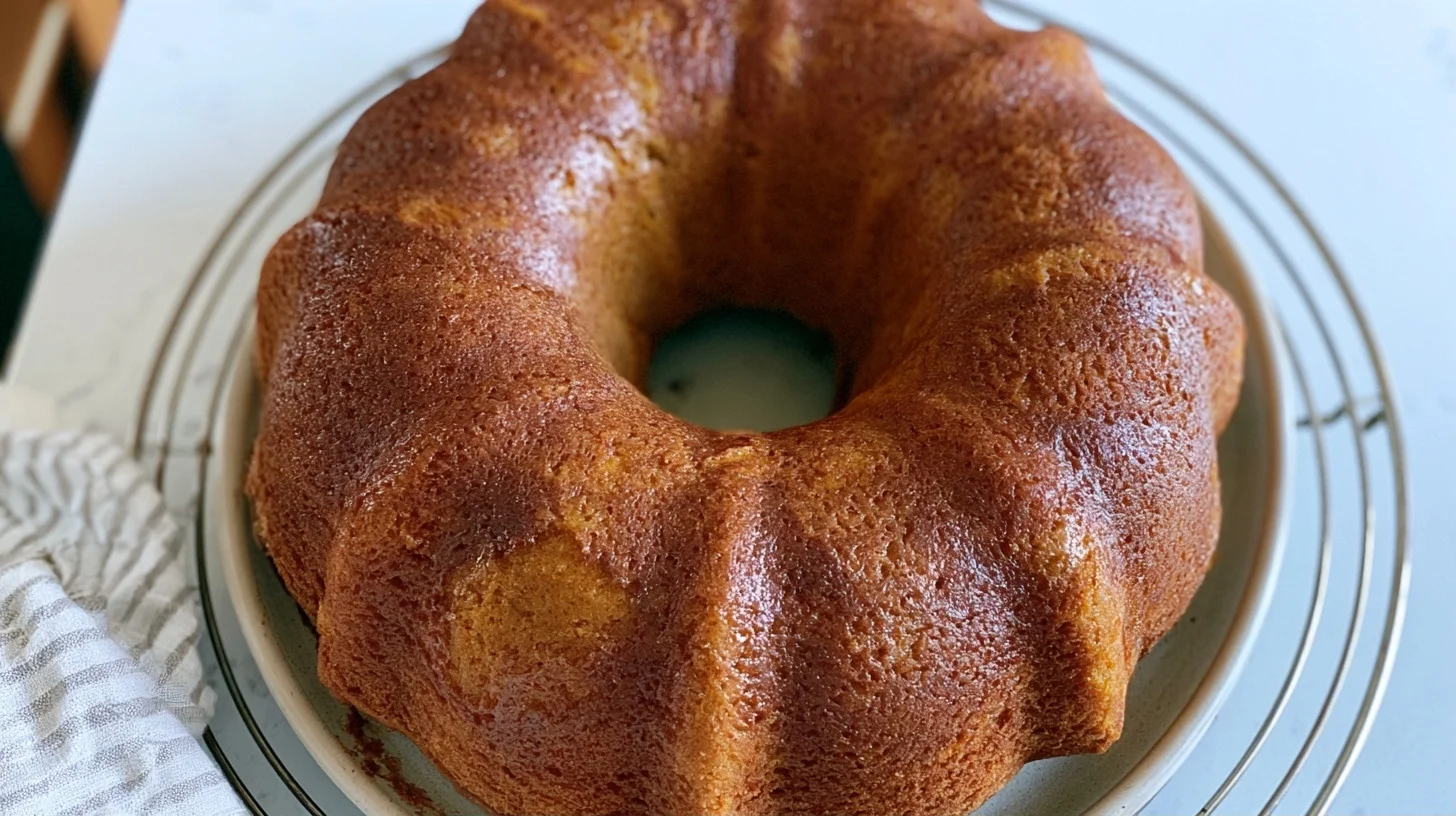
Table of contents
- Why You Will Love This Pumpkin Bundt Cake
- Essential Equipment for Baking This Bundt Cake
- How to Make Perfectly Moist Pumpkin Bundt Cake
- Expert Tips for the Best Pumpkin Bundt Cake
- Common Mistakes When Making Pumpkin Bundt Cake
- Delicious Variations for Pumpkin Bundt Cake
- Nutrition Information for Pumpkin Bundt Cake
- Best Ways to Serve Pumpkin Bundt Cake
- How to Store Pumpkin Bundt Cake
- Frequently Asked Questions
Why You Will Love This Pumpkin Bundt Cake
- The cake stays moist for up to five days when stored properly, making it perfect for advance baking.
- One bowl mixing means minimal cleanup and straightforward preparation even for beginner bakers.
- The bundt pan shape creates an elegant presentation without requiring decorating skills or frosting experience.
- Warm spices and real pumpkin puree deliver authentic fall flavor that tastes homemade, not artificial.
Essential Equipment for Baking This Bundt Cake
The right tools make the difference between a cake that releases cleanly and one that sticks stubbornly to the pan. A 10 or 12 cup bundt pan with intricate grooves requires thorough greasing, while a wire cooling rack allows air circulation that prevents a soggy bottom as the cake cools.
- 10 or 12 cup bundt pan: The classic fluted shape creates visual appeal and ensures even heat distribution. Non-stick coating helps, but proper greasing remains essential regardless of pan type.
- Large mixing bowl: A bowl with at least 4 quart capacity gives you room to fold ingredients without spilling and makes mixing more efficient.
- Wire whisk and rubber spatula: The whisk incorporates dry ingredients smoothly, while the spatula scrapes down bowl sides and folds batter without deflating it.
- Wire cooling rack: Elevating the pan allows steam to escape from the bottom, preventing condensation that can make the cake soggy or cause it to stick.
- Toothpick or cake tester: A simple wooden toothpick inserted near the center tests doneness more reliably than guessing by time alone.
How to Make Perfectly Moist Pumpkin Bundt Cake
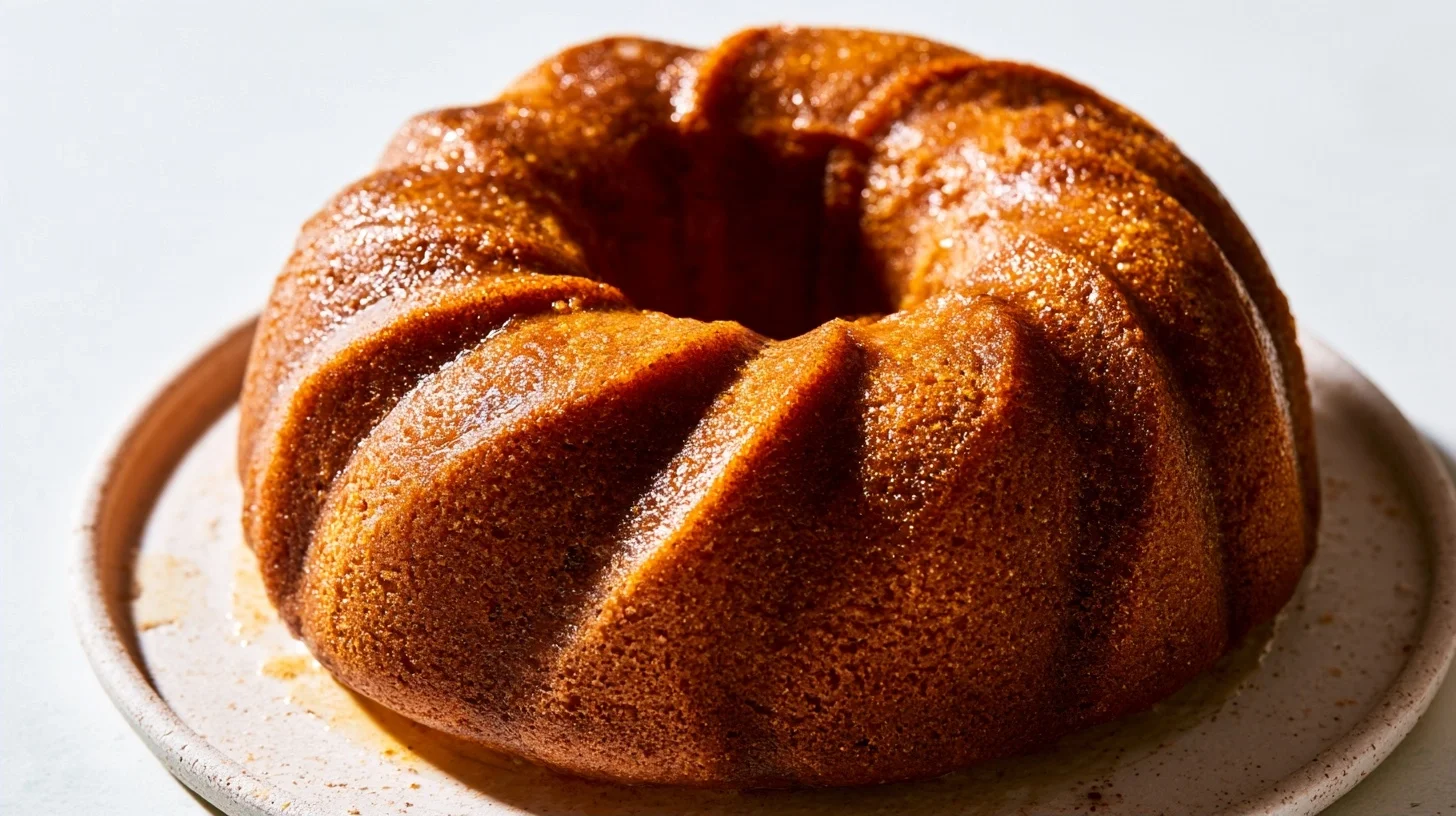
Pumpkin Bundt Cake
12
servings15
minutes55
minutes320
kcalThis pumpkin bundt cake combines warm fall spices with tender, moist crumb and rich pumpkin flavor. The one-bowl method makes preparation straightforward, while sour cream ensures the cake stays soft for days. Perfect for holiday gatherings or cozy autumn afternoons.
Keep the screen of your device on
Ingredients
2.5 cups all-purpose flour
2 cups granulated sugar
1 teaspoon baking soda
1 teaspoon baking powder
1 teaspoon salt
2 teaspoons ground cinnamon
0.5 teaspoon ground nutmeg
0.5 teaspoon ground ginger
0.25 teaspoon ground cloves
1 cup vegetable oil
4 large eggs
1 can pumpkin puree
Directions
- Preheat the oven to 350°F and thoroughly grease a 10 or 12 cup bundt pan with butter or baking spray that contains flour, making sure to coat every groove and crevice. This step is critical for clean release after baking.
- Whisk together the flour, sugar, baking soda, baking powder, salt, cinnamon, nutmeg, ginger, and cloves in a large mixing bowl until the spices are evenly distributed throughout the dry ingredients. This ensures consistent flavor in every bite.
- Add the oil, eggs, pumpkin puree, sour cream, vanilla extract, and water to the dry ingredients and stir with a rubber spatula or mix on low speed until just combined. The batter should be thick and smooth, with no dry flour pockets remaining. Avoid overmixing, which can make the cake tough.
- Pour the batter into the prepared bundt pan and smooth the top gently with the spatula. Tap the pan on the counter a few times to release any large air bubbles trapped in the batter.
- Bake for 50 to 60 minutes, or until a toothpick inserted into the thickest part of the cake comes out with a few moist crumbs. The edges should pull away slightly from the pan, and the top should spring back when lightly pressed. If the top browns too quickly, tent loosely with aluminum foil.
- Cool the cake in the pan on a wire rack for 15 to 20 minutes, allowing the structure to set before unmolding. This resting period prevents the cake from breaking apart when inverted.
Notes
- Using softened butter or baking spray with flour ensures the cake releases cleanly from even the most detailed bundt pan designs.
- Room temperature eggs and sour cream blend more easily into the batter, creating a homogeneous mixture that bakes evenly without lumps.
- Store the cooled cake wrapped tightly in plastic wrap at room temperature for up to two days, or refrigerate for up to five days. The cake can also be frozen for up to three months.
Nutrition Facts
- Serving Size: 1 g
- Total number of serves: 12
- Calories: 320kcal
- Fat: 14g
- Carbohydrates: 45g
- Fiber: 2g
- Protein: 4g
Did you make this recipe?
Tag @therecipemasterblog on Instagram and hashtag it with #therecipemaster
Like this recipe?
Follow @therecipemasterblog on Pinterest
Follow us on Facebook!
Follow The Recipe Master on Facebook
Expert Tips for the Best Pumpkin Bundt Cake
Achieving a tender crumb and clean release requires attention to a few key details that separate an average cake from an exceptional one. These techniques address the most common challenges home bakers face when working with bundt pans and pumpkin-based batters.
Grease the Pan Thoroughly and Correctly
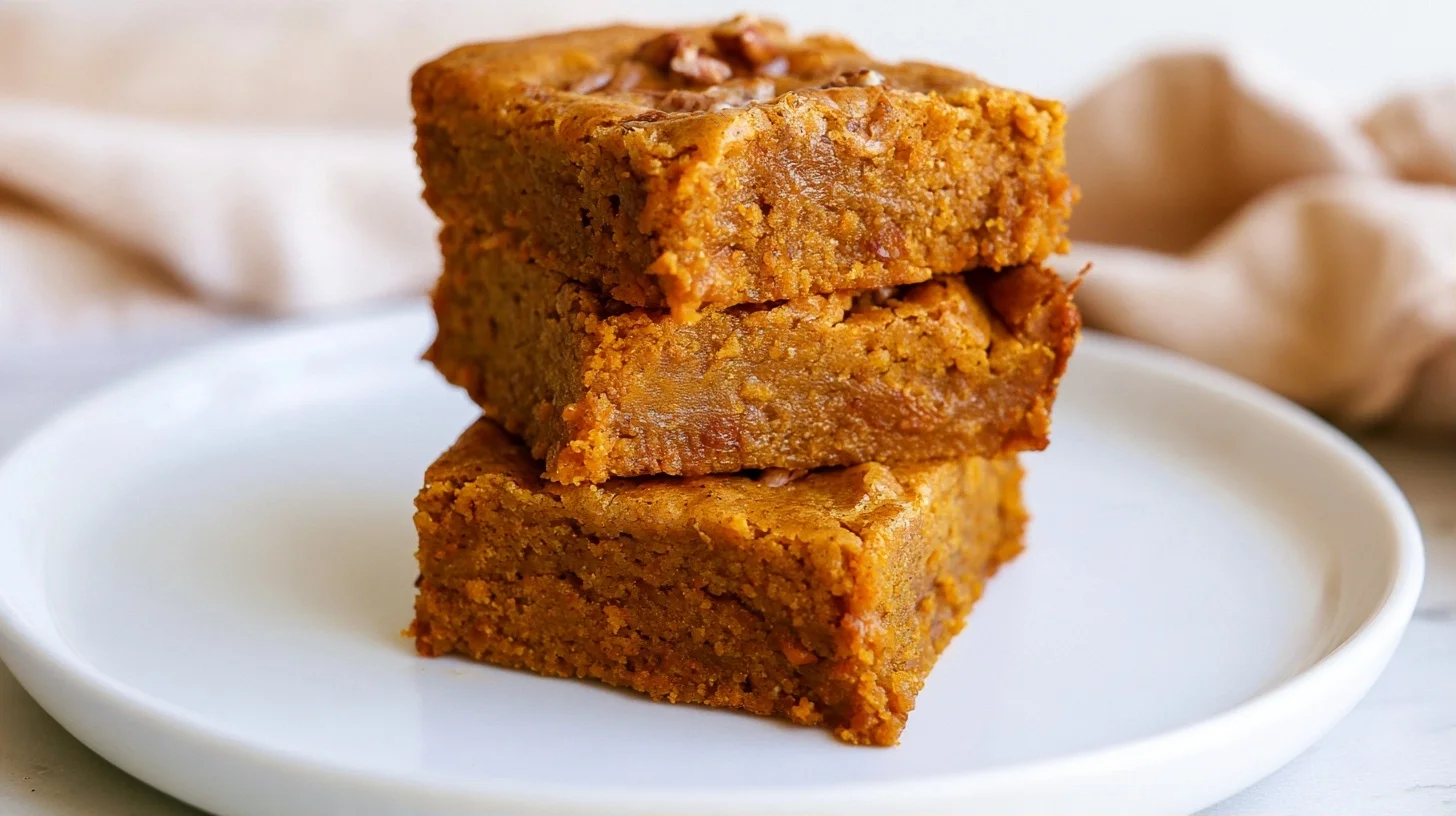
Bundt pans have intricate grooves and angles that trap batter, making proper greasing critical. Using softened butter or baking spray with flour ensures the cake releases cleanly from even the most detailed pan designs. Brush every crevice with a pastry brush, or use your fingers to reach tight corners. If using cooking spray, choose one that contains flour, or dust the greased pan with a light coating of cocoa powder for chocolate cakes or all-purpose flour for this pumpkin version. Skipping this step or rushing through it is the number one cause of cakes that stick and break apart during unmolding. For more fall baking inspiration, try these pumpkin snickerdoodle brownies that offer a different take on seasonal spice.
Use Room Temperature Ingredients
Cold eggs and sour cream do not incorporate smoothly into the batter, leading to lumps and uneven texture. Room temperature ingredients blend more easily, creating a homogeneous batter that bakes evenly. Take eggs and dairy out of the refrigerator 30 to 60 minutes before mixing, or place eggs in a bowl of warm water for five minutes if you are short on time. This simple step improves emulsification and helps the cake rise uniformly.
Do Not Overmix the Batter
Once flour is added, mix only until the dry streaks disappear. Overmixing develops gluten, which makes the cake tough and chewy instead of tender. Fold the flour mixture into the wet ingredients using a rubber spatula or mix on low speed for no more than 30 seconds after the flour is incorporated. The batter should look thick and slightly lumpy, not smooth and glossy. If you see a few small flour pockets, that is preferable to overmixing.
Cool the Cake Before Unmolding
Removing the cake from the pan while it is still hot causes it to break apart because the structure has not set. Let the cake cool in the pan on a wire rack for 15 to 20 minutes. During this time, the cake firms up and begins to pull away from the pan sides naturally. After the resting period, place a serving plate over the pan, invert both together, and lift the pan straight up. If the cake resists, let it sit another five minutes before trying again. According to bundt cake baking traditions, this cooling period is essential for maintaining the cake’s shape and texture.
Common Mistakes When Making Pumpkin Bundt Cake
Even experienced bakers encounter problems with bundt cakes. Understanding what goes wrong and why helps you avoid frustration and wasted ingredients.
Using Too Much Pumpkin Puree
Adding extra pumpkin to boost flavor actually creates a dense, gummy texture because pumpkin contains a lot of moisture. The recipe’s flour-to-pumpkin ratio is calibrated to produce a tender crumb without excess wetness. If you want stronger pumpkin flavor, increase the spices slightly rather than adding more puree. Too much liquid prevents the cake from setting properly, leading to a collapsed center or undercooked interior even when the edges are done. Measure pumpkin carefully and use pure pumpkin puree, not pumpkin pie filling, which contains added sugar and spices that throw off the recipe balance.
Not Testing for Doneness Properly
Relying solely on baking time causes problems because oven temperatures vary and pan sizes differ. A toothpick inserted into the thickest part of the cake should come out with a few moist crumbs, not wet batter. If the toothpick is completely clean, the cake may be overbaked and dry. Test in two or three spots, avoiding the edges, which cook faster than the center. If the top is browning too quickly but the center is still raw, tent the pan loosely with aluminum foil and continue baking.
Opening the Oven Door Too Early
Checking the cake before it has set causes the center to collapse because the structure has not stabilized. Avoid opening the oven door for at least the first 40 minutes of baking. The sudden temperature drop interrupts the rise and can cause the cake to sink in the middle. If you must check progress, do so quickly and gently close the door to minimize heat loss. Trust the process and rely on visual and aroma cues—when the cake smells fragrant and the edges pull away from the pan, it is likely close to done.
Skipping the Cooling Period
Attempting to unmold the cake immediately after removing it from the oven results in a broken, messy cake. The structure needs time to firm up as it cools. Let the cake rest in the pan for 15 to 20 minutes, then invert it onto a wire rack. If you wait too long, condensation can make the cake stick, so timing matters. The cooling period allows the cake to contract slightly, making it easier to release cleanly.
Delicious Variations for Pumpkin Bundt Cake
This recipe adapts easily to different flavor profiles and dietary needs. Small adjustments let you customize the cake without compromising texture or structure.
Cream Cheese Swirl
For a tangy contrast, swirl sweetened cream cheese through the batter before baking. Beat 8 ounces of softened cream cheese with 1/4 cup sugar and 1 egg until smooth. Pour half the pumpkin batter into the prepared pan, spoon the cream cheese mixture over it, then top with the remaining batter. Use a knife to swirl gently, creating marbled layers. The cream cheese adds richness and a slight tang that balances the sweetness.
Chocolate Chip Addition
Fold 1 cup of semi-sweet or dark chocolate chips into the batter just before pouring it into the pan. The chocolate melts slightly during baking, creating pockets of rich flavor that complement the pumpkin and spices. Mini chocolate chips distribute more evenly than regular-sized chips, but both work well. If you enjoy combining fruit and cake, consider this apple dapple cake recipe for another moist, spiced dessert option.
Maple Glaze
Replace a traditional glaze with a maple version by whisking together 1 cup powdered sugar, 2 tablespoons pure maple syrup, and 1 to 2 tablespoons milk until smooth. Drizzle over the cooled cake, letting it cascade down the sides. The maple flavor enhances the fall theme and adds sweetness without being cloying.
Gluten-Free Adaptation
Substitute a 1-to-1 gluten-free baking flour blend for the all-purpose flour. Look for blends that contain xanthan gum, which helps bind the batter and mimic gluten’s structure. The texture will be slightly more delicate, but the cake will still hold its shape and taste nearly identical to the original. Avoid using single-ingredient flours like almond or coconut flour, as they require different ratios and additional adjustments.
Dairy-Free Option
Replace the sour cream with an equal amount of dairy-free yogurt or coconut cream, and use a plant-based butter substitute. The cake will be slightly less tangy but still moist and flavorful. Make sure the dairy-free yogurt is thick and not watery, as excess liquid can make the batter too thin.
Nutrition Information for Pumpkin Bundt Cake
Each slice of this pumpkin bundt cake contains approximately 320 calories, making it a reasonable dessert choice when enjoyed in moderation. The cake provides 4 grams of protein and 45 grams of carbohydrates per serving, with 14 grams of fat coming primarily from the butter, eggs, and sour cream. Fiber content sits at 2 grams per slice, while sugar totals around 28 grams, which includes both the natural sugars in pumpkin and the added granulated sugar.
The pumpkin puree contributes vitamin A, which supports eye health and immune function, while the spices offer trace amounts of antioxidants. If you want to reduce sugar, you can decrease the granulated sugar by up to 1/4 cup without significantly affecting texture, though the cake will be less sweet. Replacing some of the all-purpose flour with whole wheat flour increases fiber but makes the crumb denser, so start with a small substitution of no more than 1/2 cup if you want to experiment.
Best Ways to Serve Pumpkin Bundt Cake
This cake shines when served simply, allowing the pumpkin and spice flavors to take center stage. Dust the cooled cake with powdered sugar for an elegant finish, or drizzle it with cream cheese glaze made by whisking together 4 ounces of softened cream cheese, 1 cup powdered sugar, 2 tablespoons milk, and 1/2 teaspoon vanilla extract until smooth. The glaze adds richness and a slight tang that complements the warm spices.
For a more decadent presentation, serve slices with a dollop of whipped cream or a scoop of vanilla ice cream. The cold, creamy contrast enhances the cake’s warm flavors and makes it feel more like a special occasion dessert. A drizzle of caramel sauce or a sprinkle of toasted pecans adds texture and visual appeal. This cake pairs well with hot coffee, spiced chai, or apple cider, making it ideal for fall gatherings, Thanksgiving dessert tables, or cozy weekend afternoons.
How to Store Pumpkin Bundt Cake
Proper storage keeps this cake moist and flavorful for up to five days. Once the cake has cooled completely, wrap it tightly in plastic wrap or aluminum foil, or place it in an airtight container. Store at room temperature for up to two days, or refrigerate for up to five days. The cake actually improves after a day, as the flavors meld and the crumb becomes more tender.
For longer storage, freeze the cake for up to three months. Wrap individual slices or the whole cake tightly in plastic wrap, then in aluminum foil, and place in a freezer-safe bag. Thaw overnight in the refrigerator or at room temperature for a few hours before serving. If the cake has been glazed, freeze it unwrapped on a baking sheet until solid, then wrap it to prevent the glaze from sticking. Freezing does not significantly affect texture or flavor, making this an excellent make-ahead dessert option.
Frequently Asked Questions
Yes, you can use fresh pumpkin puree, but make sure it is thick and not watery. Roast pumpkin pieces until tender, puree until smooth, then strain through cheesecloth to remove excess moisture. Fresh pumpkin can be more watery than canned, which may require reducing the liquid slightly or adding a tablespoon of extra flour to maintain the proper batter consistency.
The cake stuck because the pan was not greased thoroughly enough. Bundt pans have intricate grooves that trap batter, so every crevice must be coated with butter or baking spray. Use a pastry brush to reach tight corners, or spray the pan generously with baking spray that contains flour. Letting the cake cool for 15 to 20 minutes before unmolding also helps it release cleanly.
Yes, this cake actually improves after a day as the flavors meld and the crumb becomes more tender. Bake the cake up to two days in advance, wrap it tightly in plastic wrap, and store at room temperature. You can also freeze the cake for up to three months. Thaw overnight in the refrigerator before serving.
The cake is done when a toothpick inserted into the thickest part comes out with a few moist crumbs, not wet batter. The edges should pull away slightly from the pan, and the top should spring back when lightly pressed. Baking time typically ranges from 50 to 60 minutes at 350°F, but oven temperatures vary, so always test for doneness rather than relying solely on time.





Leave a Reply