

- Crisp ground beef by letting it sit undisturbed in a hot pan to form caramelized, crispy edges before breaking it up.
- Toast and sauté aromatics, season broth at every step, and simmer until flavorful instead of relying on store-bought shortcuts.
- Layer bowls: rice first, crispy beef next, vegetables on top, then ladle hot broth to preserve textures and temperature.
- Store components separately for best texture; reheat broth until steaming, warm beef in a skillet, and fluff rice before assembling.
- Customize freely with other proteins, grains, flavor boosters, and toppings to adjust nutrition, spice, and texture.
A broth bowl is one of those beautifully simple meals that delivers maximum comfort with minimal effort. Built on a base of warm, savory broth and layered with protein, grains, and vegetables, broth bowls have become a go-to for busy weeknights and meal prep alike. What makes them especially appealing is their flexibility—you can adapt them to whatever ingredients you have on hand while still ending up with a nourishing, flavorful dish.
This version uses crispy ground beef, fluffy rice, and a rich broth that ties everything together. The key to getting the best results is crisping the beef properly and building layers of flavor in the broth itself, rather than relying on store-bought shortcuts.
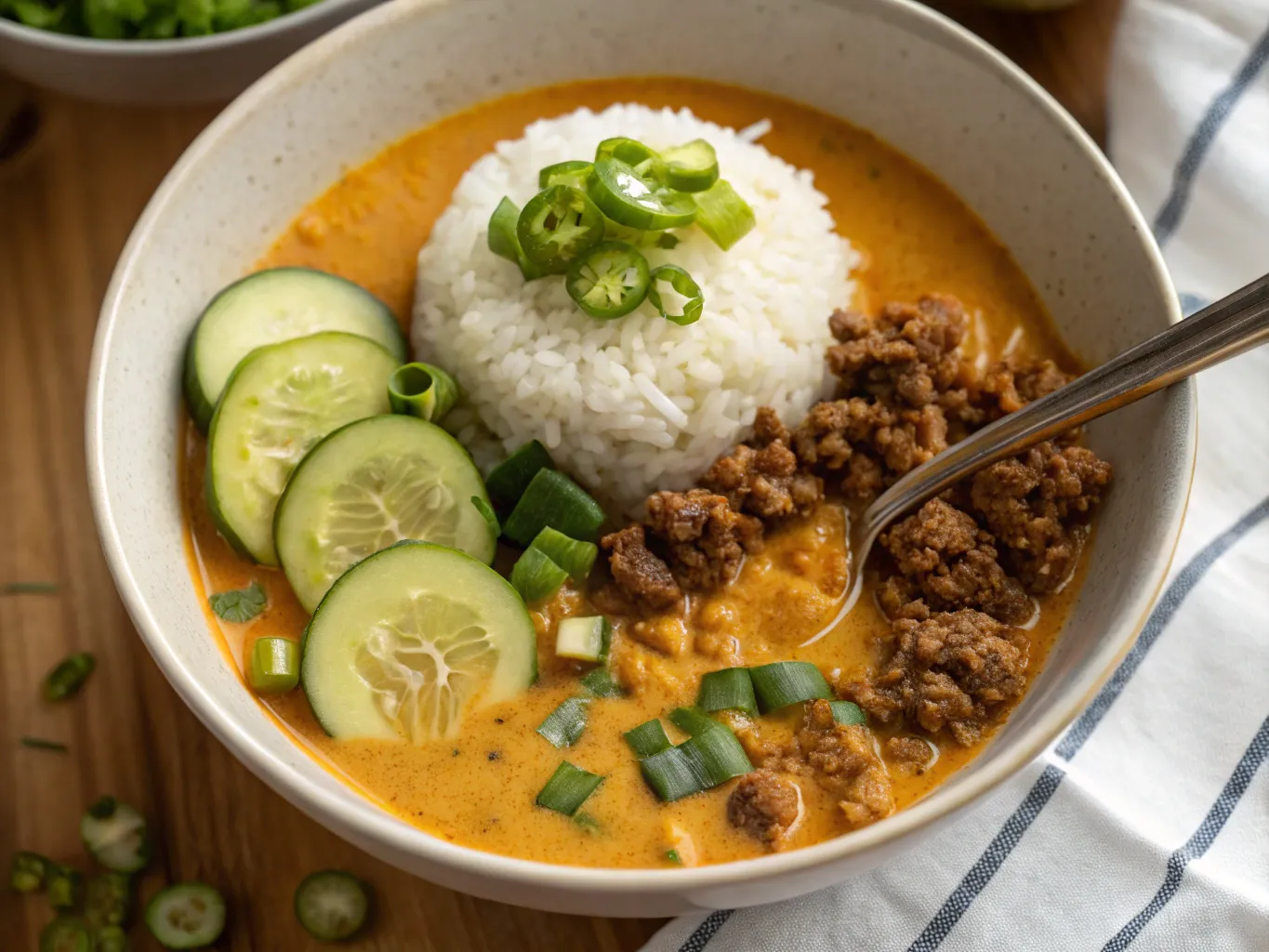
Table of contents
- Why You Will Love This Broth Bowl
- What You Need to Make Broth Bowls
- How to Make the Best Broth Bowls at Home
- Tips for Perfect Broth Bowls Every Time
- Common Mistakes When Making Broth Bowls
- Ways to Customize Your Broth Bowl
- What to Know About Broth Bowl Nutrition
- How to Serve Broth Bowls
- How to Store and Reheat Broth Bowls
- Frequently Asked Questions about Broth Bowls Recipe
Why You Will Love This Broth Bowl
- The ground beef gets deeply caramelized for rich, savory flavor in every bite.
- You can prep the components ahead and assemble bowls in under five minutes.
- The broth is seasoned from scratch, so you control the sodium and flavor intensity.
- It works beautifully for meal prep and reheats without losing texture or taste.
What You Need to Make Broth Bowls
This recipe uses straightforward kitchen tools that most home cooks already own. The right equipment helps you build flavor efficiently and assemble the bowls quickly.
- Large skillet or sauté pan: Essential for browning the ground beef evenly and developing those crispy, caramelized edges that add depth to the dish.
- Medium saucepan: Used to simmer the broth and infuse it with aromatics without reducing it too quickly.
- Rice cooker or pot with lid: Ensures the rice cooks evenly and stays fluffy without becoming gummy or sticky.
- Wooden spoon or spatula: Helps break up the beef as it cooks and prevents sticking without scratching your pan.
- Ladle: Makes it easy to portion the hot broth into each bowl without spilling.
- Sharp knife and cutting board: Needed for prepping vegetables and aromatics cleanly and safely.
How to Make the Best Broth Bowls at Home
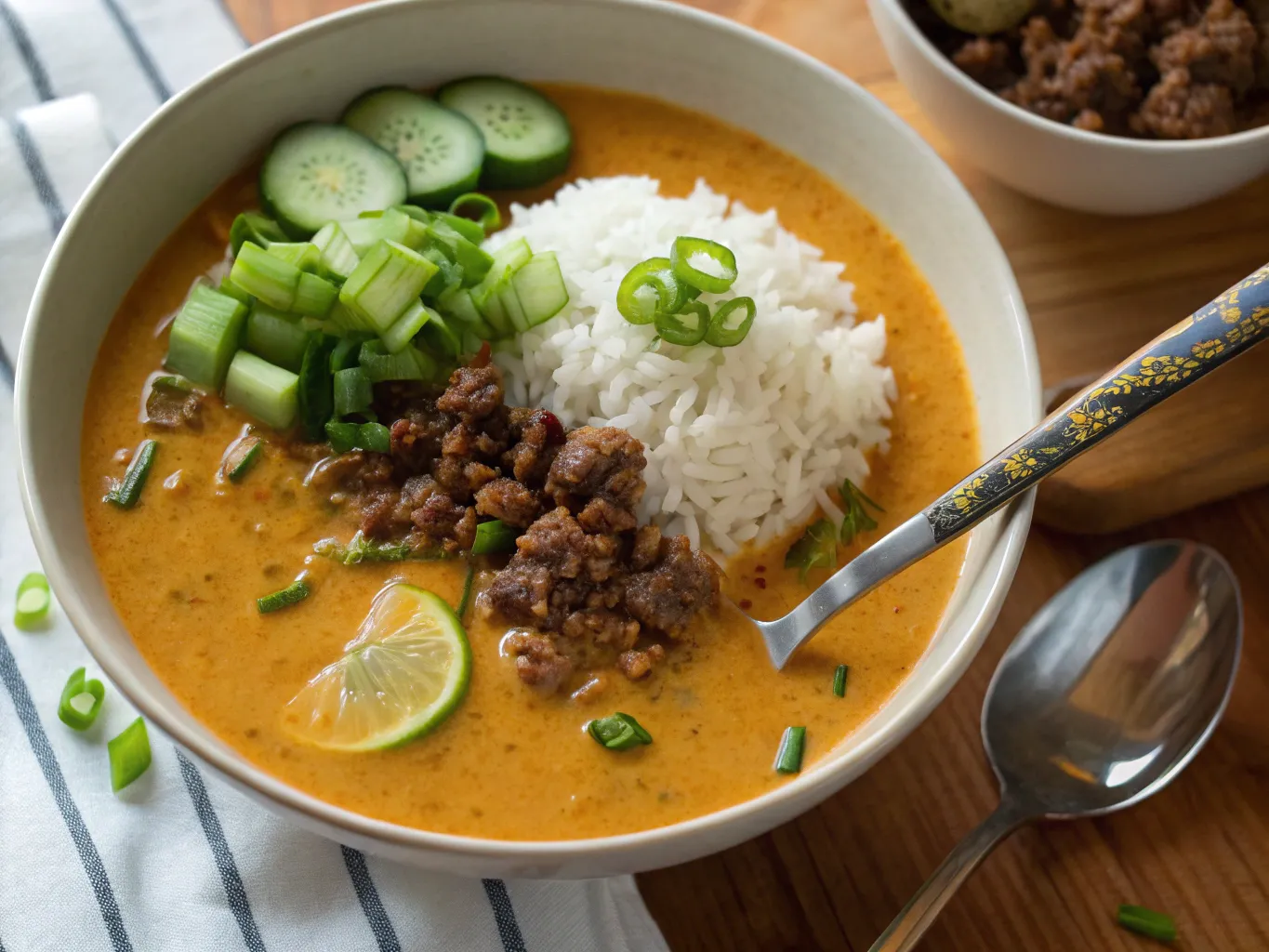
Broth Bowls with Crispy Beef and Rice
4
servings30
minutes40
minutes300
kcalThese broth bowls combine crispy ground beef, fluffy rice, and a savory broth infused with garlic and ginger. The key is browning the beef properly to develop deep flavor and assembling the bowl just before serving so everything stays hot and textured.
Keep the screen of your device on
Ingredients
1 lb ground beef
1 cup white rice
4 cups beef or chicken broth
3 cloves garlic
1 tablespoon fresh ginger
2 tablespoons soy sauce
2 cups baby spinach
1 cup shredded carrots
2 tablespoons vegetable oil
2 green onions
1 teaspoon sesame oil
0.5 teaspoon black pepper
Directions
- Cook the rice according to package directions, using 2 cups of water for 1 cup of rice. Fluff with a fork once done and set aside.
- Heat 1 tablespoon of vegetable oil in a large skillet over medium-high heat. Add the ground beef in an even layer and let it sit undisturbed for 2 minutes to develop a golden crust.
- Break up the beef with a wooden spoon and continue cooking until most pieces are browned and crispy, about 5 to 7 minutes. Season with black pepper and transfer to a plate.
- In the same skillet, add the remaining oil and sauté the garlic and ginger for 30 seconds until fragrant but not browned.
- Pour in the broth and soy sauce, then bring to a simmer. Let it cook for 5 minutes to allow the flavors to meld. Taste and adjust seasoning if needed.
- Assemble each bowl by placing a scoop of rice at the bottom, then adding a portion of crispy beef, spinach, and shredded carrots.
Notes
- Letting the ground beef sit undisturbed in the hot pan for at least two minutes before stirring allows the surface to caramelize and develop a deep, savory crust.
- Store the rice, beef, and broth separately in airtight containers in the refrigerator for up to four days. Reheat the broth until steaming before assembling.
- If you prefer a richer broth, use bone broth instead of regular broth. It adds more body and nutritional value.
Nutrition Facts
- Serving Size: 1g
- Total number of serves: 4
- Calories: 420kcal
- Fat: 16g
- Carbohydrates: 38g
- Fiber: 2g
- Protein: 28g
Did you make this recipe?
Tag @therecipemasterblog on Instagram and hashtag it with #therecipemaster
Like this recipe?
Follow @therecipemasterblog on Pinterest
Follow us on Facebook!
Follow The Recipe Master on Facebook
Tips for Perfect Broth Bowls Every Time
The difference between a good broth bowl and a great one comes down to how you handle the beef and broth. These tips will help you get the most flavor and texture out of every component.
Crisp the Beef Properly
Let the ground beef sit undisturbed in the hot pan for at least two minutes before stirring. This allows the surface to caramelize and develop a deep, savory crust. Breaking it up too early releases moisture and causes the meat to steam instead of brown. Once you see golden edges forming, then break it into smaller pieces and continue cooking until most of the beef has crispy bits.
Build Flavor in the Broth
Instead of relying solely on store-bought broth, toast your aromatics first. Sautéing garlic, ginger, and green onions in a little oil before adding the liquid creates a fragrant base that infuses the entire bowl. If you’re using bone broth for added nutrition, this step becomes even more important because it layers complexity on top of the broth’s natural richness.
Cook the Rice Until Just Tender
Overcooked rice turns mushy when it sits in hot broth. Aim for grains that are fully cooked but still separate easily with a fork. Rinsing the rice before cooking removes excess starch, which helps prevent clumping. If you’re meal prepping, store the rice separately and add it to the bowl just before serving so it doesn’t absorb too much liquid.
Layer the Bowl Strategically
Start with rice at the bottom, add the crispy beef, then pile on your vegetables. Pour the hot broth over everything just before serving. This order keeps the beef from losing its texture and ensures the vegetables stay crisp where you want them to. If you’re adding soft-cooked eggs or avocado, place them on top so they don’t get buried.
Common Mistakes When Making Broth Bowls
Overcrowding the Pan When Browning Beef
If you add too much ground beef to the pan at once, it releases moisture faster than it can evaporate. This causes the meat to steam instead of brown, leaving you with gray, rubbery pieces instead of crispy, caramelized bits. To fix this, cook the beef in batches if needed, or use a larger skillet so the meat has space to breathe. A properly browned batch should have visible golden-brown edges and a rich, savory aroma.
Using Cold Broth
Pouring cold or even room-temperature broth over your assembled bowl cools down the rice and beef, making the dish feel lukewarm and unappetizing. The broth should be simmering hot when you ladle it into the bowl. If you’ve made the broth ahead, reheat it gently on the stove until it’s steaming before serving. This keeps every component at the right temperature and ensures the flavors meld together properly.
Adding Vegetables Too Early
If you cook delicate vegetables like spinach, bok choy, or thinly sliced carrots directly in the broth for too long, they become limp and lose their color. Instead, blanch them separately for 30 seconds to one minute, or add them raw to the bowl and let the hot broth wilt them gently. This preserves their texture and makes the bowl look more vibrant.
Skipping the Seasoning at Each Step
Seasoning only at the end leaves you with flat, one-dimensional flavor. Salt the beef while it cooks, season the broth as it simmers, and taste everything before assembling. Each component should taste good on its own. If the broth tastes bland before you pour it, it will still taste bland in the bowl. Adjust the salt, soy sauce, or aromatics as you go, and the final dish will be much more satisfying.
Ways to Customize Your Broth Bowl
Broth bowls are endlessly adaptable. Once you understand the basic structure, you can swap ingredients based on what you have or what you’re craving.
Protein Broth Bowl Variations
Ground turkey or chicken work just as well as beef. Cook them the same way, but keep in mind they release less fat, so you may need to add a little oil to the pan. Shredded rotisserie chicken is another fast option—just warm it in the broth before serving. For a vegetarian version, try crispy tofu or tempeh. Press the tofu first to remove excess moisture, then pan-fry it until golden on all sides.
Grain Swaps
If you want to skip rice, try quinoa, farro, or even ramen noodles. Noodles should be cooked separately and drained well before adding to the bowl. Cauliflower rice works for a low-carb version, but it doesn’t absorb broth the same way, so use less liquid or expect a soupier result.
Flavor Boosters
Add a spoonful of miso paste to the broth for umami depth. A drizzle of sesame oil or chili oil just before serving adds richness and heat. Fresh herbs like cilantro, Thai basil, or green onions brighten the bowl. A soft-boiled egg with a jammy yolk makes the dish feel more indulgent. For crunch, top with fried shallots, toasted sesame seeds, or crushed peanuts.
What to Know About Broth Bowl Nutrition
Broth bowls are naturally balanced, offering protein, carbohydrates, and vegetables in one dish. The nutrition profile depends on your choice of protein and how much broth you use. Ground beef provides iron and B vitamins, while the rice offers energy through complex carbohydrates. If you’re watching sodium, use low-sodium broth and season with fresh aromatics instead of soy sauce. Adding leafy greens like spinach or bok choy increases fiber and vitamins without adding many calories.
You can make the dish lighter by using leaner ground beef or swapping the rice for cauliflower rice. For a higher-protein version, add an extra egg or double the meat. The broth itself is low in calories but high in flavor, which makes this dish feel satisfying without being heavy.
How to Serve Broth Bowls
Broth bowls are best served immediately after assembly while the broth is hot and the beef is still crispy. Set out small bowls of toppings like sliced green onions, sesame seeds, chili flakes, and lime wedges so everyone can customize their bowl. If you’re serving a crowd, keep the broth warm in a slow cooker or on the stove and let guests build their own bowls buffet-style.
Try other hearty bowl-style meals for a casual dinner spread. They also work well as a light lunch or post-workout meal. For a complete meal, serve with a side of steamed edamame or a small cucumber salad dressed with rice vinegar.
How to Store and Reheat Broth Bowls
Store each component separately for the best results. Keep the cooked rice, browned beef, and broth in separate airtight containers in the refrigerator for up to four days. Store raw or blanched vegetables in a separate container as well. When you’re ready to eat, reheat the broth on the stove until it’s steaming hot, warm the beef in a skillet or microwave, and fluff the rice with a fork before assembling.
You can freeze the cooked beef and broth for up to three months. Thaw them overnight in the refrigerator, then reheat gently. Cooked rice freezes well too, but it may need a splash of water when reheating to restore its texture. Avoid freezing assembled bowls, as the rice will absorb too much liquid and become mushy.
Frequently Asked Questions about Broth Bowls Recipe
Yes, ground turkey works well in broth bowls. Cook it the same way you would beef, but add a little oil to the pan since turkey is leaner and releases less fat. The flavor will be milder, so consider adding extra aromatics like garlic or ginger to the broth.
Add the beef to the bowl just before serving and pour the hot broth around it rather than over it. This keeps the crispy edges from getting soggy. If you’re meal prepping, store the beef separately and reheat it in a skillet before assembling the bowl.
Yes, broth bowls are excellent for meal prep. Store the rice, beef, broth, and vegetables separately in the refrigerator for up to four days. When you’re ready to eat, reheat the broth until steaming, warm the beef, and assemble the bowl fresh.
Leafy greens like spinach, bok choy, or kale work well because they wilt quickly in hot broth. Thinly sliced carrots, mushrooms, and snap peas add crunch and color. Avoid starchy vegetables like potatoes unless you want a heartier, thicker broth.





Leave a Reply