

- Roll the cake while still warm and pliable to train it to hold a spiral and prevent cracking.
- Dust a clean kitchen towel with powdered sugar so the cake will not stick when rolled and unrolled for filling.
- Avoid overbaking; cake is done when it springs back lightly and edges begin to pull away to stay moist and flexible.
- Chill the filled roll seam-side down for at least two hours so the filling sets and slices cleanly.
A pumpkin roll recipe is one of those desserts that looks impressive but comes together more easily than you’d think. This spiced pumpkin cake gets rolled around a sweet cream cheese filling to create beautiful swirls and a soft, tender texture that balances richness with just the right amount of spice. The cake itself stays moist without being heavy, and the filling adds a tangy sweetness that complements the pumpkin beautifully. What makes this version especially reliable is the technique used to prevent cracking—a common issue that frustrates many bakers attempting this classic dessert for the first time.
The key to success here is rolling the cake while it’s still warm and pliable, then letting it cool completely in that rolled shape before filling. This trains the cake to hold its spiral without splitting. With a few straightforward steps and attention to a couple of critical moments, you’ll have a bakery-quality pumpkin roll that slices cleanly and tastes even better than it looks.
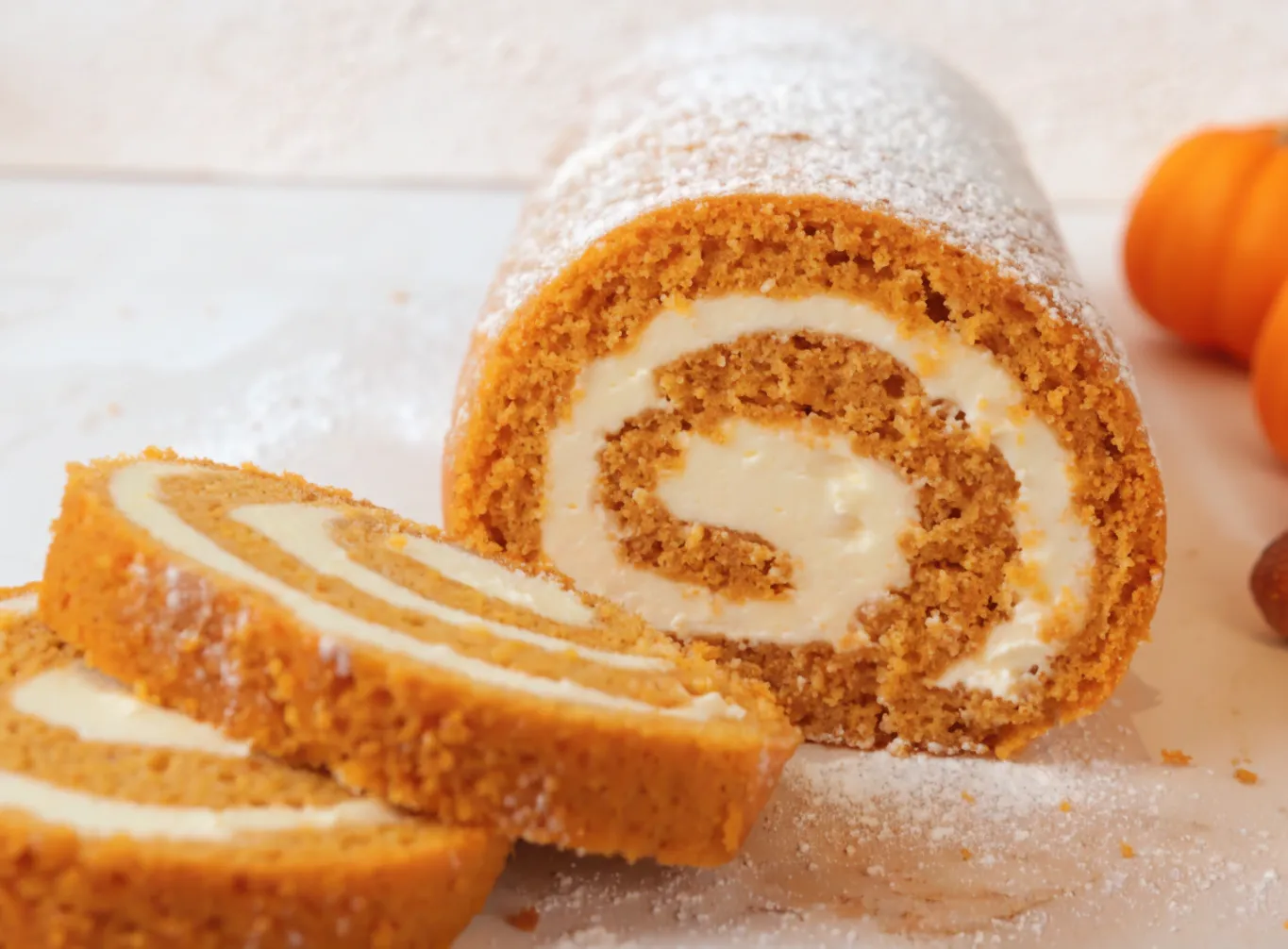
Table of contents
- Why You Will Love This Pumpkin Roll Recipe
- Essential Equipment for Making Pumpkin Roll
- How to Make a Pumpkin Roll That Doesn’t Crack
- Expert Tips for Perfect Pumpkin Roll Every Time
- Common Mistakes When Making Pumpkin Roll Recipe
- Pumpkin Roll Variations to Try
- Nutrition Information for Pumpkin Roll
- Serving Suggestions for Pumpkin Roll Recipe
- How to Store Pumpkin Roll
- Frequently Asked Questions about Pumpkin Roll Recipe
Why You Will Love This Pumpkin Roll Recipe
- The cake stays soft and flexible thanks to the proper flour-to-liquid ratio, which prevents dryness and cracking.
- The cream cheese filling is sweetened just enough to balance the warm spices without becoming cloying.
- This recipe includes a foolproof rolling technique that eliminates the most common failure point.
- The finished roll can be made a day ahead and refrigerated, making it ideal for holiday gatherings.
Essential Equipment for Making Pumpkin Roll
Having the right tools makes the rolling process significantly easier and helps you avoid tearing the delicate cake.
- 15×10-inch jelly roll pan: This shallow rimmed baking sheet allows the cake to bake evenly in a thin layer, which is essential for rolling without breaking.
- Parchment paper: Lining the pan with parchment prevents sticking and makes it easy to lift the cake out cleanly after baking.
- Clean kitchen towel: A lint-free towel dusted with powdered sugar provides the surface for rolling the warm cake, and the sugar prevents sticking.
- Electric mixer: Beating the eggs and sugar to the right volume creates the structure that keeps the cake tender yet sturdy enough to roll.
- Offset spatula: This tool helps spread the cream cheese filling evenly across the unrolled cake without tearing the surface.
How to Make a Pumpkin Roll That Doesn’t Crack
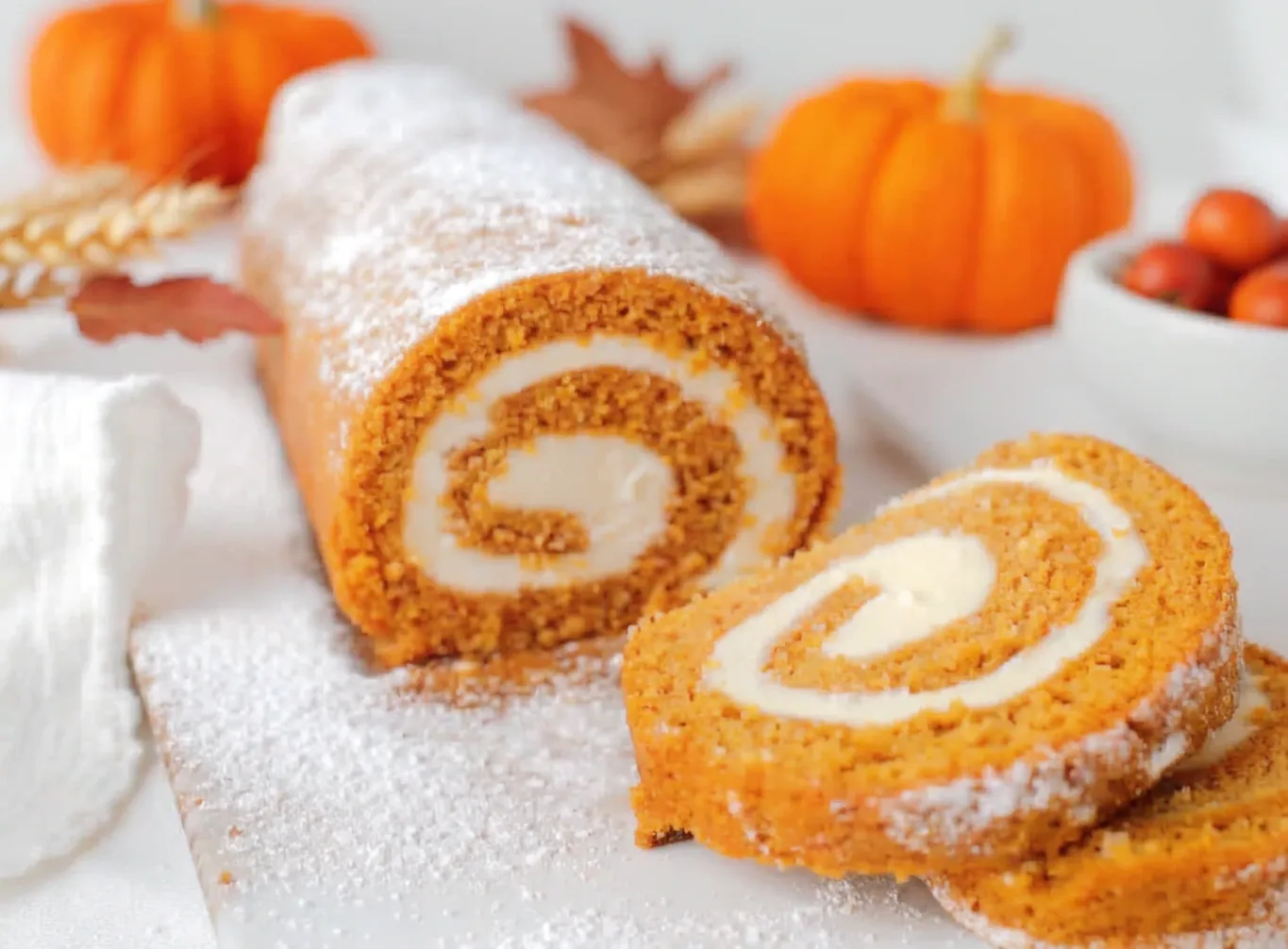
Pumpkin Roll with Cream Cheese Filling
4
servings30
minutes40
minutes300
kcalThis pumpkin roll features a tender spiced cake rolled around a sweet cream cheese filling. The key to success is rolling the cake while it’s still warm, which prevents cracking and creates beautiful spiral slices. Perfect for Thanksgiving or any fall gathering.
Keep the screen of your device on
Ingredients
3 large eggs
1 cup granulated sugar
0.66 cup pumpkin puree
0.75 cup all-purpose flour
1 teaspoon baking powder
2 teaspoons ground cinnamon
0.5 teaspoon ground ginger
0.25 teaspoon ground nutmeg
0.5 teaspoon salt
8 ounces cream cheese
4 tablespoons unsalted butter
1 cup powdered sugar
Directions
- Preheat the oven to 375°F and line a 15×10-inch jelly roll pan with parchment paper, leaving a slight overhang on the sides for easy removal. This overhang acts as handles when you need to lift the cake out of the pan.
- Beat the eggs and granulated sugar in a large bowl with an electric mixer on high speed for about 3 minutes, until the mixture is thick, pale, and falls in ribbons when you lift the beaters. This aeration is what gives the cake its light texture.
- Stir in the pumpkin puree until fully combined, then fold in the flour, baking powder, cinnamon, ginger, nutmeg, and salt just until no streaks of flour remain. Overmixing deflates the batter and results in a denser cake.
- Spread the batter evenly into the prepared pan using an offset spatula, making sure it reaches all the corners and is level across the surface. An uneven layer will cause the cake to roll unevenly.
- Bake for 12 to 15 minutes, until the cake springs back lightly when touched and the edges just begin to pull away from the pan. The surface should look set but not browned or dry.
- Dust a clean kitchen towel generously with powdered sugar while the cake bakes. Use at least a quarter cup to prevent sticking.
Notes
- Rolling the cake while it’s still warm is the most reliable way to prevent cracking, as the structure remains flexible and can be shaped without breaking.
- If the cake cracks slightly during rolling, the powdered sugar dusting and cream cheese filling will cover most minor imperfections.
- The pumpkin roll can be made up to two days ahead and stored tightly wrapped in the refrigerator, or frozen for up to two months.
Nutrition Facts
- Serving Size: 1 g
- Total number of serves: 10
- Calories: 280kcal
- Fat: 15g
- Carbohydrates: 34g
- Fiber: 1g
- Protein: 4g
Did you make this recipe?
Tag @therecipemasterblog on Instagram and hashtag it with #therecipemaster
Like this recipe?
Follow @therecipemasterblog on Pinterest
Follow us on Facebook!
Follow The Recipe Master on Facebook
Expert Tips for Perfect Pumpkin Roll Every Time
The most reliable way to prevent cracking is to roll the cake while it’s still warm, immediately after removing it from the oven. At this stage, the cake is flexible and the structure hasn’t fully set, so it can be shaped without breaking.
Use Room Temperature Ingredients for the Filling
Softened cream cheese and butter blend smoothly without lumps, creating a filling that spreads easily and evenly across the cake. Cold cream cheese will tear the delicate surface as you try to spread it, and it won’t incorporate well with the powdered sugar, leaving you with a grainy texture instead of a silky filling.
Don’t Overbake the Cake
The cake is done when it springs back lightly to the touch and the edges just begin to pull away from the sides of the pan. Overbaking dries out the cake and makes it brittle, which leads to cracking when you try to roll it. Check the cake at 12 minutes and pull it as soon as it passes the touch test.
Roll Tightly But Gently
When rolling the warm cake in the towel, apply steady even pressure without squeezing too hard. A tight roll trains the cake to hold its shape, but excessive force can compress the structure and cause it to crack later. Start from the short end and use the towel to guide the roll forward, keeping the motion smooth and continuous.
Chill the Filled Roll Seam-Side Down
Placing the filled roll seam-side down in the refrigerator helps the filling set and keeps the roll from unraveling. Chilling for at least two hours also makes slicing much cleaner. The filling firms up and the cake holds its shape better under the knife. For more fall-inspired desserts, try this pumpkin spice latte cake that brings similar warm spices to a different format.
Common Mistakes When Making Pumpkin Roll Recipe
Letting the Cake Cool Before Rolling
If the cake cools completely before you roll it, the structure becomes rigid and will crack as soon as you try to bend it. The cake must be rolled while still warm so it can take the shape without breaking. If you miss this window, you can try warming the cake briefly in a low oven, but results are inconsistent. The best approach is to roll immediately after inverting the cake onto the towel.
Using Too Much Flour
Adding extra flour makes the cake dense and dry, which increases the likelihood of cracking. Measure flour by spooning it into the measuring cup and leveling it off. Rather than scooping directly from the bag, which packs the flour and gives you more than the recipe intends. The batter should be smooth and slightly thick but still pourable.
Not Dusting the Towel with Powdered Sugar
Without powdered sugar, the warm cake will stick to the towel, and when you unroll it to add the filling, the surface will tear. A generous dusting of powdered sugar creates a barrier that prevents sticking and makes unrolling smooth and easy. Use at least a quarter cup and spread it evenly across the entire towel surface.
Spreading the Filling While the Cake Is Warm
If you try to fill the cake before it cools completely, the heat will melt the cream cheese filling. Causing it to become runny and slide out the sides when you roll it. Always let the rolled cake cool completely in the towel, then unroll it gently, spread the filling, and roll it again. This two-step rolling process is what keeps the filling intact and the roll intact.
Pumpkin Roll Variations to Try
Maple Cream Cheese Filling
Replace two tablespoons of the powdered sugar in the filling with pure maple syrup. It gives a deeper and more complex sweetness that complements the pumpkin spice. The maple adds a subtle caramel note without overwhelming the other flavors. And the filling will still hold its shape as long as you don’t add more than two tablespoons of liquid.
Gluten-Free Pumpkin Roll Recipe
Substitute a 1:1 gluten-free baking flour blend for the all-purpose flour. The cake will be slightly more delicate, so handle it gently when rolling. Make sure your gluten-free blend contains xanthan gum or another binder, as this helps the cake hold together during the rolling process.
Reduced Sugar Version
You can reduce the sugar in the cake by up to one-third without significantly affecting the texture, though the cake will be less sweet and the crust will be lighter in color. The filling is harder to adjust because powdered sugar provides structure, but you can replace half of it with a powdered erythritol blend if you’re looking to lower the sugar content further.
Spiced Whipped Cream Filling
For a lighter filling, whip heavy cream with powdered sugar and a pinch of cinnamon until stiff peaks form, then fold in softened cream cheese. This version is airier and less dense than the traditional filling, and it pairs especially well with a strong cup of coffee.
Nutrition Information for Pumpkin Roll
Each slice of pumpkin roll contains approximately 280 calories, with 15 grams of fat, 34 grams of carbohydrates, and 4 grams of protein. The dessert is relatively high in sugar due to the sweetened filling. but it also provides a small amount of fiber and vitamin A from the pumpkin. If you’re looking to reduce calories, you can make the filling with reduced-fat cream cheese, though the texture will be slightly less creamy.
The pumpkin itself contributes beneficial nutrients including beta-carotene and potassium, though these are present in modest amounts given the serving size. This is a dessert meant for occasional enjoyment rather than everyday eating, but it’s no more indulgent than most holiday cakes and pies.
Serving Suggestions for Pumpkin Roll Recipe
Serve pumpkin roll chilled, sliced into rounds about three-quarters of an inch thick so the spiral is clearly visible. A light dusting of powdered sugar over the top adds a finished look without adding much sweetness. The roll pairs beautifully with hot coffee, spiced chai, or a glass of cold milk.
For a more elaborate presentation, serve each slice with a dollop of lightly sweetened whipped cream and a sprinkle of cinnamon or a few toasted pecans. The roll also works well as part of a dessert spread alongside pies and cookies during Thanksgiving or Christmas gatherings.
How to Store Pumpkin Roll
Wrap the pumpkin roll tightly in plastic wrap and store it in the refrigerator for up to four days. The cream cheese filling must be kept cold to stay food-safe, and refrigeration also helps the roll hold its shape when slicing. Bring the roll to room temperature for about 15 minutes before serving if you prefer a softer texture, though many people enjoy it straight from the fridge.
You can freeze the pumpkin roll for up to two months by wrapping it tightly in plastic wrap and then in aluminum foil. Thaw it in the refrigerator overnight before serving. The texture remains remarkably good after freezing, making this an excellent make-ahead dessert for holiday meals.
Frequently Asked Questions about Pumpkin Roll Recipe
Yes, pumpkin roll actually benefits from being made a day ahead. Wrap it tightly in plastic wrap and refrigerate it overnight, which gives the filling time to set and makes slicing cleaner. Bring it to room temperature for 15 minutes before serving if you prefer a softer texture.
The most common cause is letting the cake cool before rolling it. The cake must be rolled while still warm so the structure remains flexible. Other causes include overbaking, which dries out the cake, or using too much flour, which makes it dense and brittle.
Yes, but you’ll need to roast, puree, and drain the pumpkin thoroughly to remove excess moisture. Canned pumpkin puree is more consistent in texture and moisture content, which makes it more reliable for this recipe. If using fresh, make sure the puree is thick and not watery.
The cake is done when it springs back lightly to the touch and the edges just begin to pull away from the sides of the pan. This usually takes 12 to 15 minutes at 375°F. Avoid overbaking, as a dry cake is more likely to crack when rolled.





Leave a Reply