

- Rest batter 5 to 10 minutes or refrigerate overnight so flour hydrates and leavening activates for a tender, well-structured waffle.
- Avoid overmixing; stir until flour disappears, leaving a few small lumps to keep waffles light and tender instead of tough.
- Preheat your waffle iron fully and avoid opening it early; medium-high heat gives crispy exteriors and even browning.
- Use melted butter in the batter and a light oil spray on the iron for richer flavor, even browning, and to prevent sticking.
A great waffle batter recipe is the foundation of crispy-on-the-outside, fluffy-on-the-inside waffles that turn an ordinary breakfast into something special. This recipe uses simple pantry ingredients and a straightforward mixing method that creates perfectly balanced waffles every time. The key difference here is the slightly rested batter, which allows the flour to hydrate fully and the leavening agents to activate, resulting in waffles with better structure and a more tender crumb.
Whether you’re making weekend brunch for the family or meal prepping breakfast for busy mornings, this batter comes together in about 10 minutes and delivers consistently excellent results. The recipe also scales easily, so you can double or triple the batch when feeding a crowd.
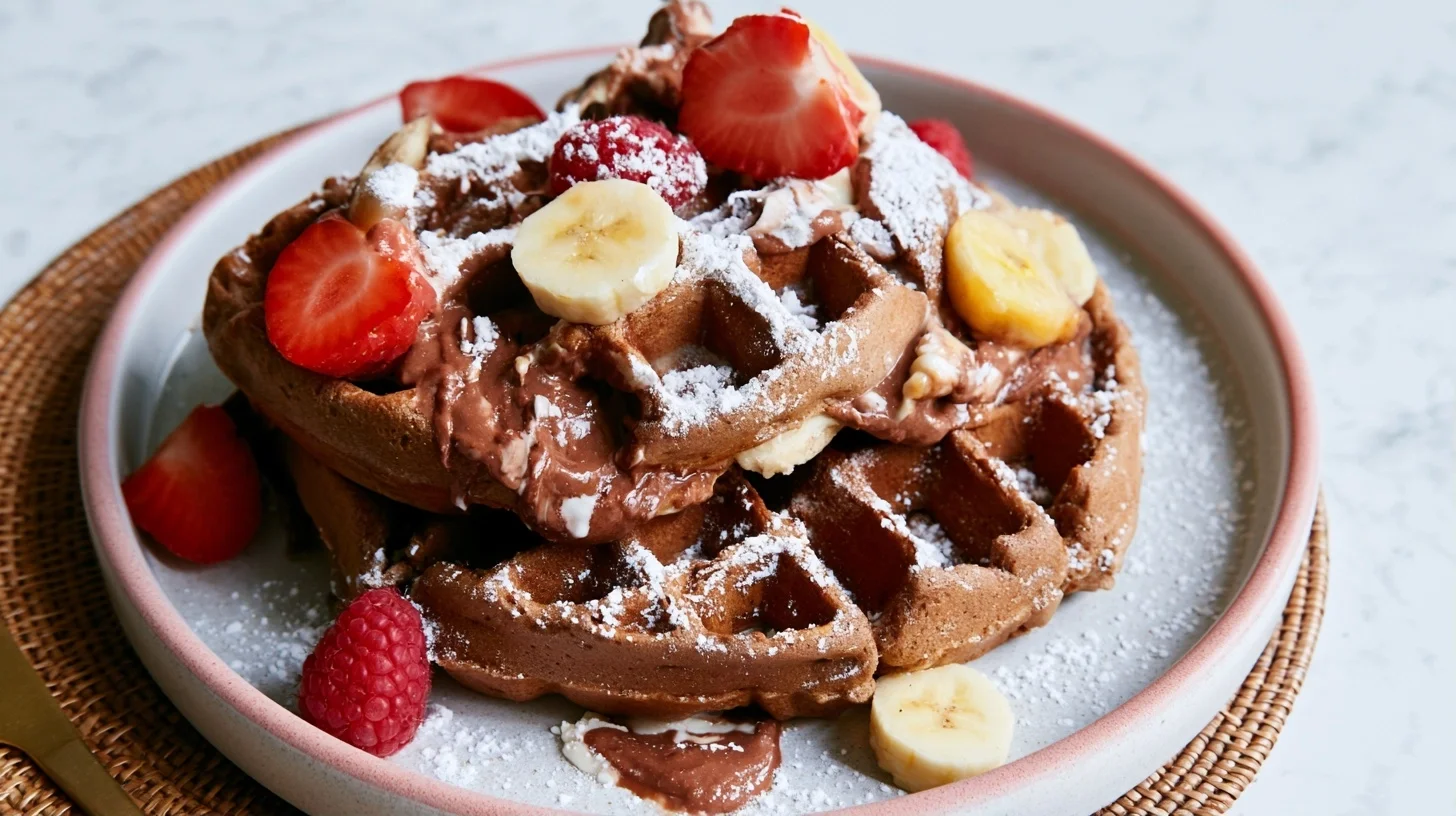
Table of contents
- Why You Will Love This Waffle Batter Recipe
- Essential Equipment for Perfect Waffles
- How to Make the Best Waffle Batter Recipe
- Expert Tips for Crispy, Fluffy Waffles
- Common Waffle Batter Mistakes to Avoid
- Delicious Waffle Batter Recipe Variations
- Understanding Waffle Batter Recipe Nutrition
- Best Ways to Serve Your Waffles
- How to Store and Reheat Waffle Batter
- Frequently Asked Questions about Waffle Batter Recipe
Why You Will Love This Waffle Batter Recipe
- Creates waffles with crispy edges and a light, fluffy interior without any complicated techniques.
- Uses everyday ingredients you likely already have in your kitchen.
- The batter can be made ahead and refrigerated overnight for even easier mornings.
- Adapts easily to dietary needs with simple ingredient swaps.
Essential Equipment for Perfect Waffles
Having the right tools makes the waffle-making process smoother and helps you achieve better results. Here’s what you’ll need:
- Waffle iron: A nonstick waffle iron with adjustable temperature control gives you the most control over browning and crispness.
- Large mixing bowl: You’ll need enough room to whisk the dry ingredients and fold in the wet ingredients without making a mess.
- Medium mixing bowl: For combining the wet ingredients separately before adding them to the dry mixture.
- Whisk: Essential for incorporating air into the batter and breaking up any lumps in the flour.
- Measuring cups and spoons: Accurate measurements are important for the right batter consistency.
- Ladle or measuring cup: A 1/2 cup measure works well for portioning batter evenly into the waffle iron.
How to Make the Best Waffle Batter Recipe

Classic Waffle Batter
6
servings10
minutes20
minutes280
kcalThis classic waffle batter creates light, fluffy waffles with crispy edges using simple pantry ingredients. The key is allowing the batter to rest briefly before cooking, which helps the flour hydrate fully and creates better texture. Perfect for weekend brunch or freezing for quick weekday breakfasts.
Keep the screen of your device on
Ingredients
2 cups all-purpose flour
2 tablespoons granulated sugar
1 tablespoon baking powder
0.5 teaspoon salt
2 large eggs
1.75 cups whole milk
0.5 cup unsalted butter
1 teaspoon vanilla extract
1 tablespoon vegetable oil
Directions
- Preheat your waffle iron according to the manufacturer’s instructions, usually to medium-high heat. This typically takes about 5 minutes and ensures the first waffle cooks properly without sticking.
- Whisk together the dry ingredients in a large mixing bowl: the flour, sugar, baking powder, and salt. Make sure there are no lumps in the baking powder, as this helps the waffles rise evenly.
- Combine the wet ingredients in a separate medium bowl by whisking together the eggs, milk, melted butter, and vanilla extract until well blended. The butter should be cool enough that it doesn’t cook the eggs when mixed.
- Pour the wet ingredients into the dry ingredients and stir gently with a whisk or wooden spoon just until combined. A few small lumps are fine—overmixing creates tough, chewy waffles instead of tender ones.
- Let the batter rest for 5 to 10 minutes at room temperature. During this time, the flour hydrates fully and the baking powder activates, which improves the texture and creates better rise.
- Lightly grease the waffle iron with cooking spray or brush it with a small amount of vegetable oil. Even nonstick surfaces benefit from this step, which prevents sticking and helps create crispy edges.
Notes
- Allowing the batter to rest for 5 to 10 minutes before cooking gives the flour time to fully hydrate and the baking powder time to activate, resulting in waffles with better structure and a more tender crumb.
- If the batter thickens too much while sitting, stir in an extra tablespoon or two of milk to return it to a thick but pourable consistency.
- Store cooked waffles in the refrigerator for up to 3 days or freeze them for up to 3 months. Reheat frozen waffles in a toaster or toaster oven at medium heat for the crispiest results.
Nutrition Facts
- Serving Size: 1g
- Total number of serves: 6
- Calories: 280kcal
- Fat: 12g
- Carbohydrates: 36g
- Fiber: 1g
- Protein: 7g
Did you make this recipe?
Tag @therecipemasterblog on Instagram and hashtag it with #therecipemaster
Like this recipe?
Follow @therecipemasterblog on Pinterest
Follow us on Facebook!
Follow The Recipe Master on Facebook
Expert Tips for Crispy, Fluffy Waffles
The secret to exceptional waffles lies in a few key techniques that make a noticeable difference in texture and flavor.
Don’t Overmix the Batter
Overmixing develops the gluten in the flour, which creates tough, chewy waffles instead of light, tender ones. When you combine the wet and dry ingredients, stir just until the flour disappears—a few small lumps are completely fine and will disappear during cooking. The batter should look slightly thick and pourable, similar to pancake batter but a bit heavier.
Let the Batter Rest
Allowing the batter to rest for 5 to 10 minutes before cooking gives the flour time to fully hydrate and the baking powder time to activate. This short rest period results in waffles with better structure and a more tender crumb. If you’re making the batter the night before, the extended rest time in the refrigerator actually improves the texture even more.
Preheat Your Waffle Iron Properly
A properly preheated waffle iron is essential for crispy exteriors. Most waffle irons need at least 5 minutes to reach the right temperature. If your iron has a temperature setting, medium-high works well for most batters. The first waffle often acts as a test—if it sticks or comes out pale, the iron wasn’t hot enough.
Use Melted Butter for Better Texture
Melted butter distributes more evenly throughout the batter than softened butter, creating a more uniform texture. It also adds richness and helps the waffles brown beautifully. Let the melted butter cool slightly before adding it to the wet ingredients so it doesn’t cook the eggs. For more waffle inspiration, try this Krusteaz waffle variation for a convenient alternative.
Keep Finished Waffles Warm and Crispy
Place cooked waffles directly on a wire rack set on a baking sheet in a 200°F oven. This keeps them warm without trapping steam underneath, which would make them soggy. Stacking waffles on a plate causes them to steam and lose their crispness.
Common Waffle Batter Mistakes to Avoid
Opening the Waffle Iron Too Early
Opening the waffle iron before the waffle is set causes it to tear and stick. Most waffle irons stop steaming heavily when the waffle is done—that’s your visual cue. If your iron doesn’t have an indicator light, wait until the steam subsides significantly before checking. This usually takes 4 to 5 minutes depending on your iron’s temperature.
Using Too Much or Too Little Batter
Too much batter causes overflow and messy cleanup, while too little creates thin, crispy waffles without the fluffy interior. Start with about 1/2 cup of batter for a standard round waffle iron and adjust based on your iron’s size. The batter should spread to about 1 inch from the edges when you close the lid.
Skipping the Oil or Cooking Spray
Even nonstick waffle irons benefit from a light coating of cooking spray or brushed oil before the first waffle and occasionally between batches. This prevents sticking and helps create those crispy, golden edges. Use a neutral oil or cooking spray rather than butter, which can burn at waffle iron temperatures.
Not Adjusting for Altitude or Humidity
At high altitudes, you may need to reduce the baking powder slightly and increase the liquid by a tablespoon or two. In very humid weather, the batter may be thinner than expected—add an extra tablespoon of flour if needed. The batter should be thick enough to slowly spread when poured but not so thick that it doesn’t spread at all.
Delicious Waffle Batter Recipe Variations
This basic waffle batter adapts easily to different flavors and dietary needs.
Buttermilk Waffles
Replace the regular milk with buttermilk and add 1/4 teaspoon of baking soda to the dry ingredients. The buttermilk creates a tangier flavor and even more tender texture. The acid in buttermilk also reacts with the baking soda to create extra lift.
Whole Wheat Waffles
Substitute half of the all-purpose flour with whole wheat flour for added fiber and a slightly nutty flavor. You may need to add an extra tablespoon of milk since whole wheat flour absorbs more liquid. The waffles will be slightly denser but still delicious.
Gluten-Free Waffles
Use a 1-to-1 gluten-free flour blend in place of all-purpose flour. Look for blends that contain xanthan gum, which helps replicate the structure that gluten provides. The texture will be slightly different but still satisfying.
Dairy-Free Waffles
Replace the milk with almond milk, oat milk, or soy milk, and use melted coconut oil instead of butter. The waffles will have a slightly different flavor depending on which milk alternative you choose, but the texture remains light and crispy.
Add-In Ideas
Fold chocolate chips, blueberries, or chopped nuts into the batter just before cooking. Add-ins should be small and evenly distributed—about 1/2 cup total for the full recipe. Avoid adding too many mix-ins, which can prevent the waffle from cooking through properly.
Understanding Waffle Batter Recipe Nutrition
Each waffle made from this recipe contains approximately 280 calories, making it a reasonable breakfast option when paired with fresh fruit or a small amount of syrup. The batter provides about 7 grams of protein per serving from the eggs and milk, which helps keep you satisfied through the morning. With 36 grams of carbohydrates, waffles provide quick energy, though you can reduce this by using whole wheat flour or serving smaller portions.
The recipe contains about 12 grams of fat per waffle, primarily from the eggs and butter, which contribute to the rich flavor and tender texture. To reduce fat, you can use low-fat milk and reduce the butter to 3 tablespoons, though this will affect the texture slightly. The sugar content is relatively low at 6 grams per waffle, since most of the sweetness comes from toppings rather than the batter itself.
Best Ways to Serve Your Waffles
Classic toppings like pure maple syrup and butter are always popular, but waffles are incredibly versatile. Fresh berries and whipped cream create a lighter, more elegant presentation perfect for brunch gatherings. For a more indulgent breakfast, try topping waffles with fried chicken for a sweet-and-savory combination, or spread them with peanut butter and sliced bananas for added protein.
Waffles also work well as a base for savory dishes. Top them with scrambled eggs, cheese, and avocado for a breakfast sandwich alternative, or use them in place of bread for a unique take on eggs Benedict. For more background on this beloved breakfast staple, learn about the history of waffles and how they’ve evolved over time.
How to Store and Reheat Waffle Batter
Uncooked waffle batter stores well in an airtight container in the refrigerator for up to 24 hours. The batter may thicken slightly as it sits, so stir it gently and add a tablespoon or two of milk if needed to return it to the proper consistency. The extended rest time actually improves the texture, making refrigerated batter an excellent option for easier mornings.
Cooked waffles freeze beautifully for up to 3 months. Let them cool completely on a wire rack, then place them in a single layer on a baking sheet and freeze until solid. Transfer the frozen waffles to a freezer bag, separating layers with parchment paper. Reheat frozen waffles directly in a toaster or toaster oven at medium heat until crispy and warmed through, about 3 to 4 minutes. This method restores the crispy exterior much better than microwaving, which makes waffles soggy.
Frequently Asked Questions about Waffle Batter Recipe
Yes, you can make waffle batter up to 24 hours ahead and store it in an airtight container in the refrigerator. The batter may thicken slightly, so stir gently and add a tablespoon or two of milk if needed before cooking. The extended rest time actually improves the texture.
Waffles lose crispness when they’re stacked on a plate, which traps steam underneath. Keep finished waffles on a wire rack in a 200°F oven instead. Also make sure your waffle iron is fully preheated—this usually takes at least 5 minutes—and avoid opening the iron too early.
It’s better to freeze cooked waffles rather than the batter. Freezing batter can affect the leavening power of the baking powder. Cooked waffles freeze beautifully for up to 3 months and reheat perfectly in a toaster, making them ideal for meal prep.
Waffle batter typically contains more fat (butter or oil) and sometimes an extra egg compared to pancake batter. This creates a crispier exterior and richer flavor. Waffle batter is also slightly thicker, which helps create the structured grid pattern and prevents overflow in the waffle iron.








Leave a Reply