

If you’ve ever wanted to capture the warm, sweet essence of almonds in a bottle, learning how to make almond extract at home is surprisingly simple and incredibly rewarding. This homemade version delivers a richer, more nuanced flavor than many store-bought options, and you control exactly what goes into it. With just two ingredients and a bit of patience, you’ll have a pantry staple that elevates everything from cookies and cakes to morning oatmeal.
The secret to great homemade almond extract lies in the slow infusion process, where raw almonds release their natural oils into high-proof alcohol over several weeks. The result is a fragrant, deeply flavored extract that’s free from artificial additives and tastes remarkably fresh. Once you try it, you’ll understand why so many bakers prefer the homemade version.
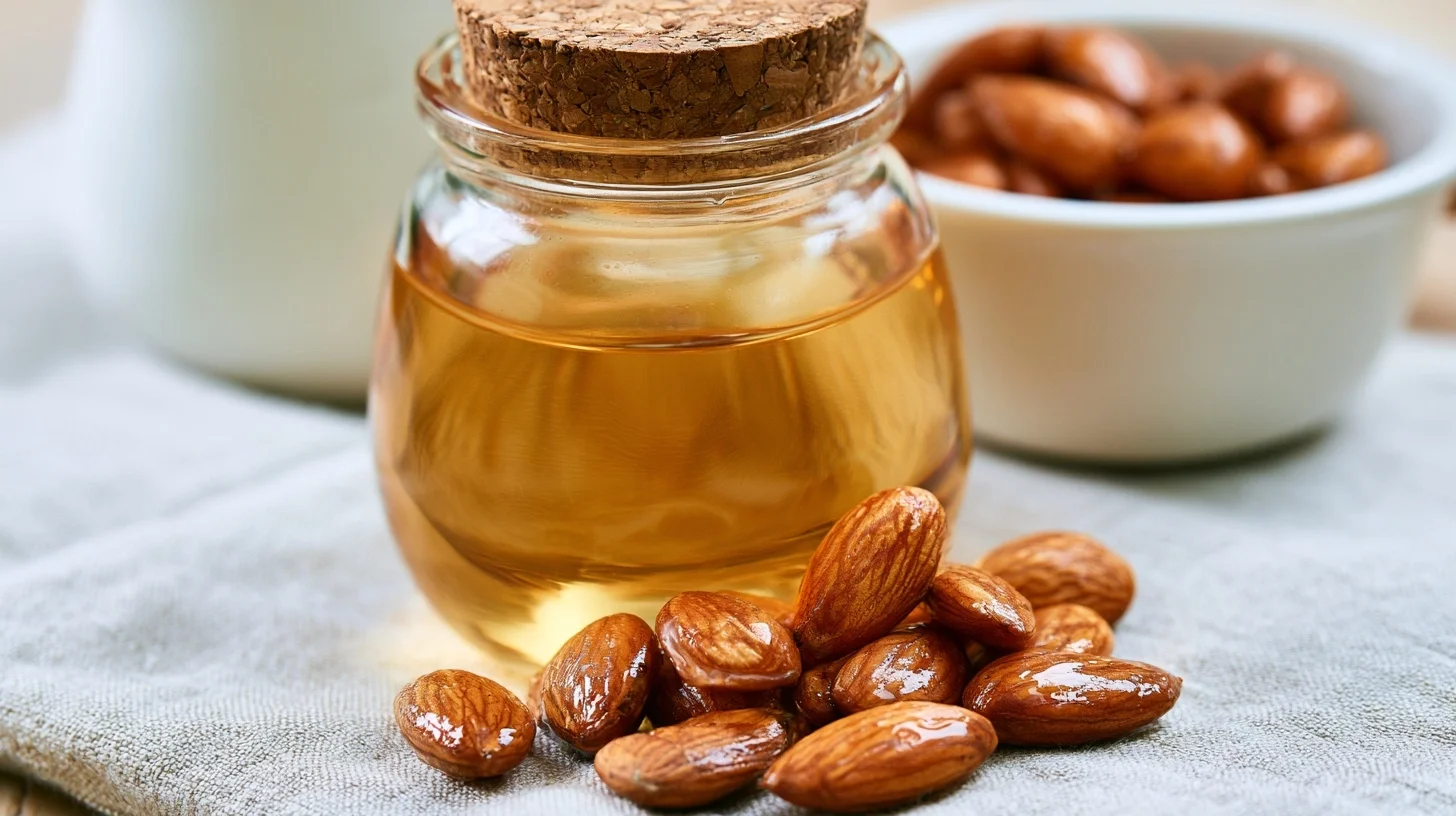
Table of contents
- Why You Will Love This Almond Extract
- What You Need to Make Homemade Almond Extract
- How to Make Pure Almond Extract at Home
- How to Get the Richest Almond Extract Flavor
- Common Mistakes When Making T his Extract
- Almond Extract Variations to Try
- Nutritional Benefits of Homemade Almond Extract
- How to Use Homemade Almond Extract in Baking
- How to Store Your Extract Properly
- Frequently Asked Questions
Why You Will Love This Almond Extract
- Uses only two natural ingredients with no artificial flavors or preservatives.
- Develops a deeper, more complex almond flavor than most commercial extracts.
- Costs a fraction of premium pure almond extract once the infusion is complete.
- Makes a thoughtful homemade gift for bakers and food lovers.
What You Need to Make Homemade Almond Extract
Making almond extract requires minimal equipment, but choosing the right tools ensures a clean infusion and proper storage.
- Glass jar with tight-fitting lid: An 8-ounce mason jar works perfectly for steeping the almonds without any metallic or plastic flavors leaching into the extract.
- Fine mesh strainer or cheesecloth: Essential for filtering out almond solids once the infusion is complete, leaving you with clear, smooth extract.
- Dark glass bottles: Amber or cobalt bottles protect the finished extract from light degradation and help preserve its flavor for months.
- Small funnel: Makes transferring the strained extract into storage bottles mess-free and efficient.
How to Make Pure Almond Extract at Home
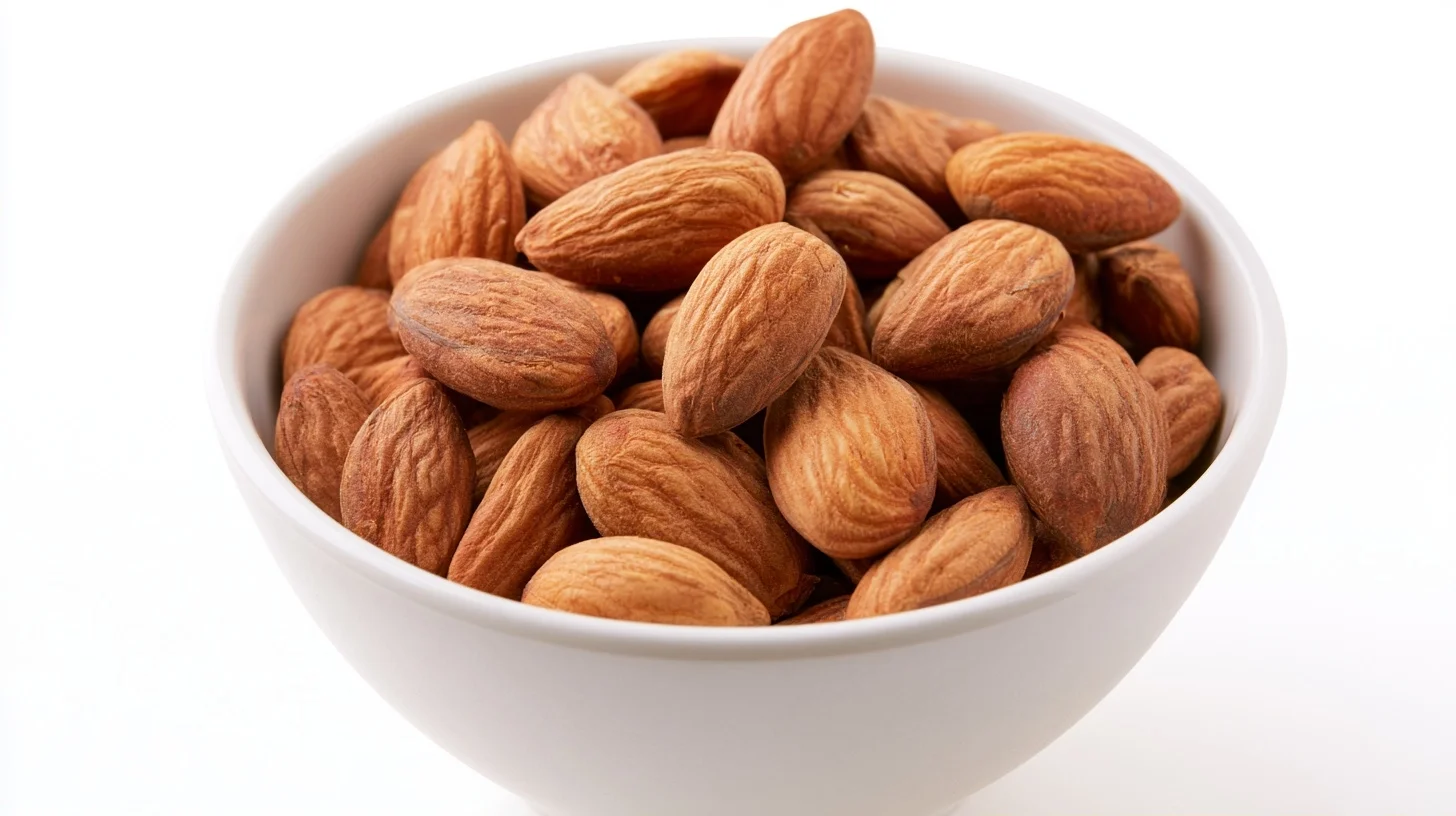
Homemade Almond Extract
32
servings10
minutes0
minutes10
kcalThis simple two-ingredient almond extract delivers pure, rich almond flavor without any artificial additives. The slow infusion process allows raw almonds to release their natural oils into high-proof alcohol, creating a pantry staple that elevates all your baking.
Keep the screen of your device on
Ingredients
1 cup raw almonds
1 cup vodka
1 whole vanilla bean
0.25 cup brandy
1 tablespoon whole cloves
1 strip orange peel
2 tablespoons honey
0.5 teaspoon almond oil
Directions
- Place the roughly chopped almonds into a clean 8-ounce glass jar with a tight-fitting lid. Chopping the almonds increases the surface area exposed to the alcohol, which speeds up the extraction of flavor oils significantly.
- Pour the vodka over the almonds until they are completely submerged, leaving about half an inch of space at the top of the jar. The alcohol should cover all the almond pieces to ensure even infusion.
- Seal the jar tightly and give it a gentle shake to distribute the almonds evenly throughout the liquid. This initial shake helps start the infusion process.
- Store the jar in a cool, dark place such as a pantry or cupboard away from direct sunlight and heat sources. Room temperature between 60°F and 70°F is ideal for steady flavor extraction.
- Shake the jar gently once or twice a week for the next 6 to 8 weeks. This redistributes the almonds and ensures all pieces release their flavor oils evenly into the alcohol.
- Taste the extract after 6 weeks to check the flavor strength. It should have a deep amber color and a pronounced almond aroma. If it still tastes too alcohol-forward, let it infuse another week or two.
Notes
- Almonds with skins on produce a richer extract because the skins contain concentrated flavor oils that blanched almonds lack.
- If the extract tastes too strong after infusing, dilute it with a small amount of additional vodka until it reaches your preferred intensity.
- The strained almond solids can be dried and ground into almond meal for baking, though they will have a milder flavor than fresh almonds.
Nutrition Facts
- Serving Size: 1g
- Total number of serves: 32
- Calories: 10kcal
- Fat: 0g
- Carbohydrates: 0g
- Fiber: 0g
- Protein: 0g
Did you make this recipe?
Tag @therecipemasterblog on Instagram and hashtag it with #therecipemaster
Like this recipe?
Follow @therecipemasterblog on Pinterest
Follow us on Facebook!
Follow The Recipe Master on Facebook
How to Get the Richest Almond Extract Flavor
The key to deeply flavored almond extract is using raw almonds with their skins on and allowing enough time for the infusion to develop. Blanched almonds produce a milder extract because the skins contain concentrated oils and flavor compounds.
Chop the Almonds Before Infusing
Roughly chopping the almonds increases the surface area exposed to the alcohol, which speeds up the extraction of flavor oils. Whole almonds take significantly longer to release their essence, often requiring an extra month or more of steeping time.
Use High-Proof Alcohol for Best Results
Vodka with at least 80 proof (40% alcohol) is the most reliable choice because it efficiently extracts flavor compounds without adding its own taste. Some bakers use brandy or bourbon for a more complex flavor profile, but be aware these spirits will contribute their own notes to the finished extract.
Shake the Jar Weekly
Gently shaking the jar once or twice a week redistributes the almonds and helps the alcohol reach all surfaces evenly. This simple step prevents some almonds from sitting untouched at the bottom while others over-infuse at the top.
Store in a Cool, Dark Place During Infusion
Light and heat degrade the delicate flavor oils in almonds, so keep your infusing jar in a pantry or cupboard away from the stove. Room temperature between 60°F and 70°F is ideal for a steady, controlled extraction.
Common Mistakes When Making This Extract
Using Roasted or Salted Almonds
Roasted almonds produce a toasted, sometimes bitter extract that doesn’t taste like traditional almond extract. Salted almonds introduce unwanted sodium into the infusion. Always use raw, unsalted almonds with skins on for the cleanest, truest almond flavor.
Not Infusing Long Enough
Tasting the extract after only two or three weeks often reveals a harsh, alcohol-forward flavor with little almond character. The infusion needs at least six to eight weeks to mellow and develop its full depth. Patience is the most important ingredient in this recipe.
Skipping the Straining Step
Leaving almond pieces in the extract indefinitely can eventually cause off flavors or cloudiness as the nuts begin to break down. Once the infusion reaches your desired strength, strain out all solids through a fine mesh strainer or several layers of cheesecloth to preserve clarity and flavor.
Storing in Clear Glass Bottles
Light exposure gradually weakens the extract’s flavor and aroma over time. Transferring the finished extract to dark amber or cobalt glass bottles protects it from UV degradation and keeps it potent for up to two years.
Almond Extract Variations to Try
Vanilla Almond Extract
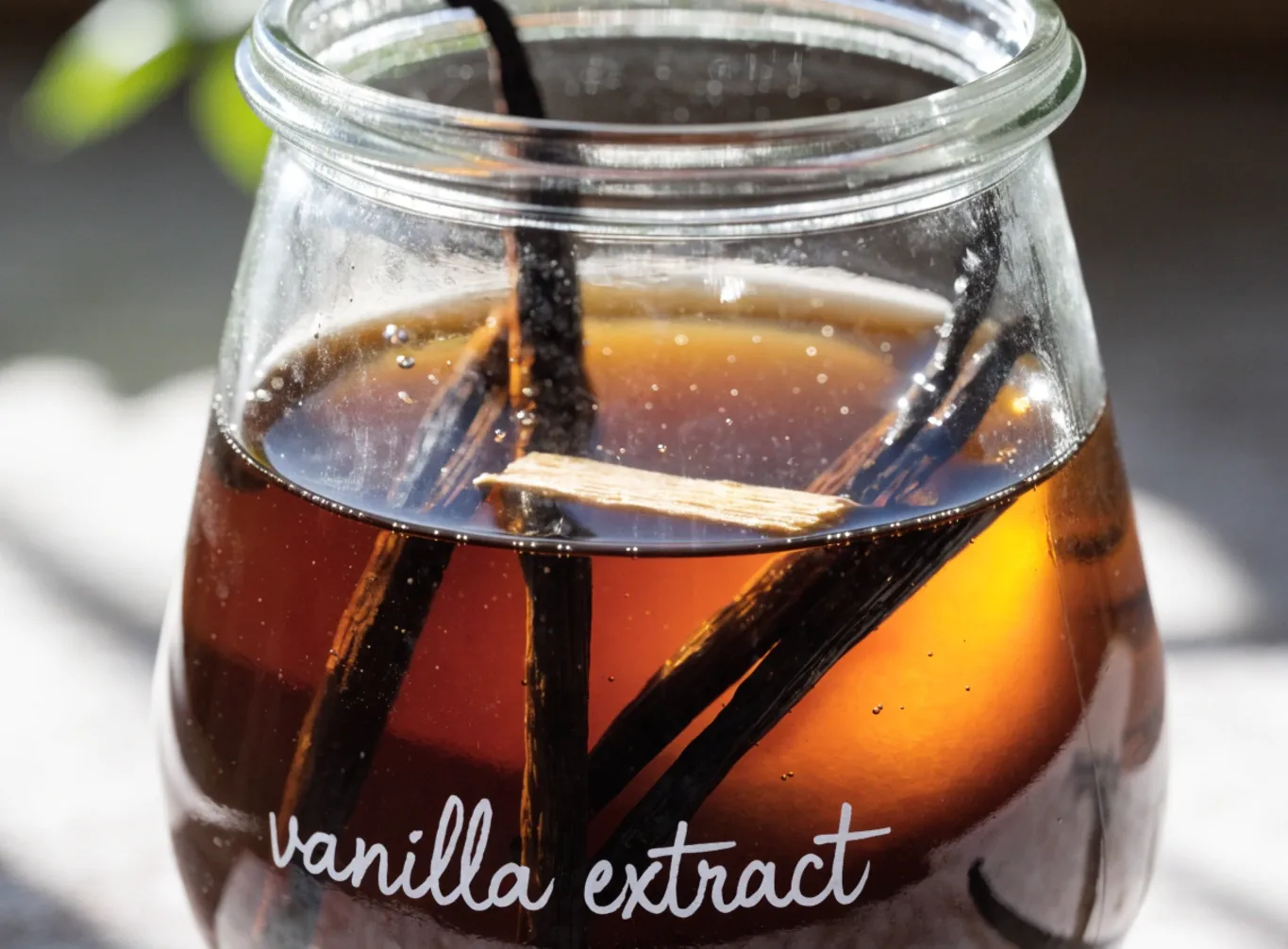
Add one whole vanilla bean, split lengthwise, to the jar along with the almonds. The vanilla and almond flavors blend beautifully and create a more complex extract that works especially well in sugar cookies and buttery almond croissants.
Amaretto-Style Extract
Replace half the vodka with brandy to create a richer, slightly sweet extract reminiscent of amaretto liqueur. This version adds warmth and depth to chocolate desserts and coffee-flavored baked goods.
Toasted Almond Extract
For a nuttier, more caramelized flavor, lightly toast the chopped almonds in a dry skillet for three to four minutes before adding them to the alcohol. This creates an extract with deeper, roasted notes that pair well with autumn spices.
Nutritional Benefits of Homemade Almond Extract
While almond extract is used in small quantities, it does carry trace amounts of beneficial compounds from the almonds themselves. Almonds are naturally rich in vitamin E, healthy monounsaturated fats, and antioxidants, though most of these remain in the strained solids rather than the liquid extract. The primary nutritional consideration is the alcohol content, which remains present in the finished extract. Each teaspoon contains approximately 10 calories, almost entirely from alcohol. For those avoiding alcohol, almond paste or ground almonds can provide almond flavor in baking without the alcohol base.
How to Use Homemade Almond Extract in Baking
Homemade almond extract works beautifully in any recipe calling for almond flavoring. Use it in classic almond cookies, cherry pie filling, buttercream frosting, or morning smoothies. The flavor is especially lovely in combination with stone fruits like peaches, cherries, and apricots. Start with the same amount your recipe calls for, then taste and adjust if needed since homemade extract can be slightly stronger or milder depending on infusion time. It also makes a wonderful addition to savory Asian sauces where a subtle nutty sweetness complements soy and ginger.
How to Store Your Extract Properly
Store finished almond extract in dark glass bottles with tight-fitting lids in a cool, dark pantry or cupboard. Properly stored, homemade almond extract maintains its full flavor for up to two years. The high alcohol content acts as a natural preservative, preventing spoilage and bacterial growth. Avoid storing the extract near heat sources like the stove or in direct sunlight, as both will cause the delicate almond oils to break down more quickly. If the extract develops an off smell or the color darkens significantly beyond the initial amber hue, it’s time to make a fresh batch.
Frequently Asked Questions
Yes, but the extract will be milder. Almond skins contain concentrated flavor oils, so using almonds with skins on produces a richer, more robust extract. Blanched almonds work if you prefer a lighter almond flavor.
The extract is ready when it develops a deep amber color and a strong almond aroma, usually after 6 to 8 weeks. Taste a small amount; it should have a pronounced almond flavor without harsh alcohol notes. If it still tastes mostly like alcohol, let it infuse another week or two.
No, the almonds have already released most of their flavor oils into the first batch. Reusing them will produce a very weak extract that lacks the depth and richness of the original infusion. Start with fresh almonds for each new batch.
Any neutral, high-proof alcohol works well. Grain alcohol like Everclear produces a very strong extract, while brandy or rum adds their own subtle flavor notes. Avoid low-proof liquors under 80 proof, as they don’t extract flavor as efficiently and may spoil over time.


Leave a Reply