

If you’re craving something fresh, bright, and full of bold citrus flavor, this ceviche recipe delivers exactly that. Made with tender pieces of fresh fish or shrimp marinated in lime juice, tossed with crisp vegetables, and finished with a hint of heat, ceviche is a coastal dish that feels light yet satisfying. The acid in the citrus juice gently “cooks” the seafood, transforming its texture without any heat, while the aromatics and chiles add layers of flavor that make every bite vibrant and clean.
What sets this version apart is the balance between acidity and seasoning. Too much lime juice can make the seafood rubbery, while too little leaves it underdone. This recipe uses just the right amount of citrus and resting time to achieve a tender, flavorful result. You’ll also learn how to choose the freshest seafood, how long to marinate it, and what vegetables bring the best texture and color to the bowl.
Whether you’re serving it as an appetizer with crispy tortilla chips or enjoying it as a light main course on a warm afternoon, this ceviche is versatile, refreshing, and surprisingly simple to prepare once you understand the technique.
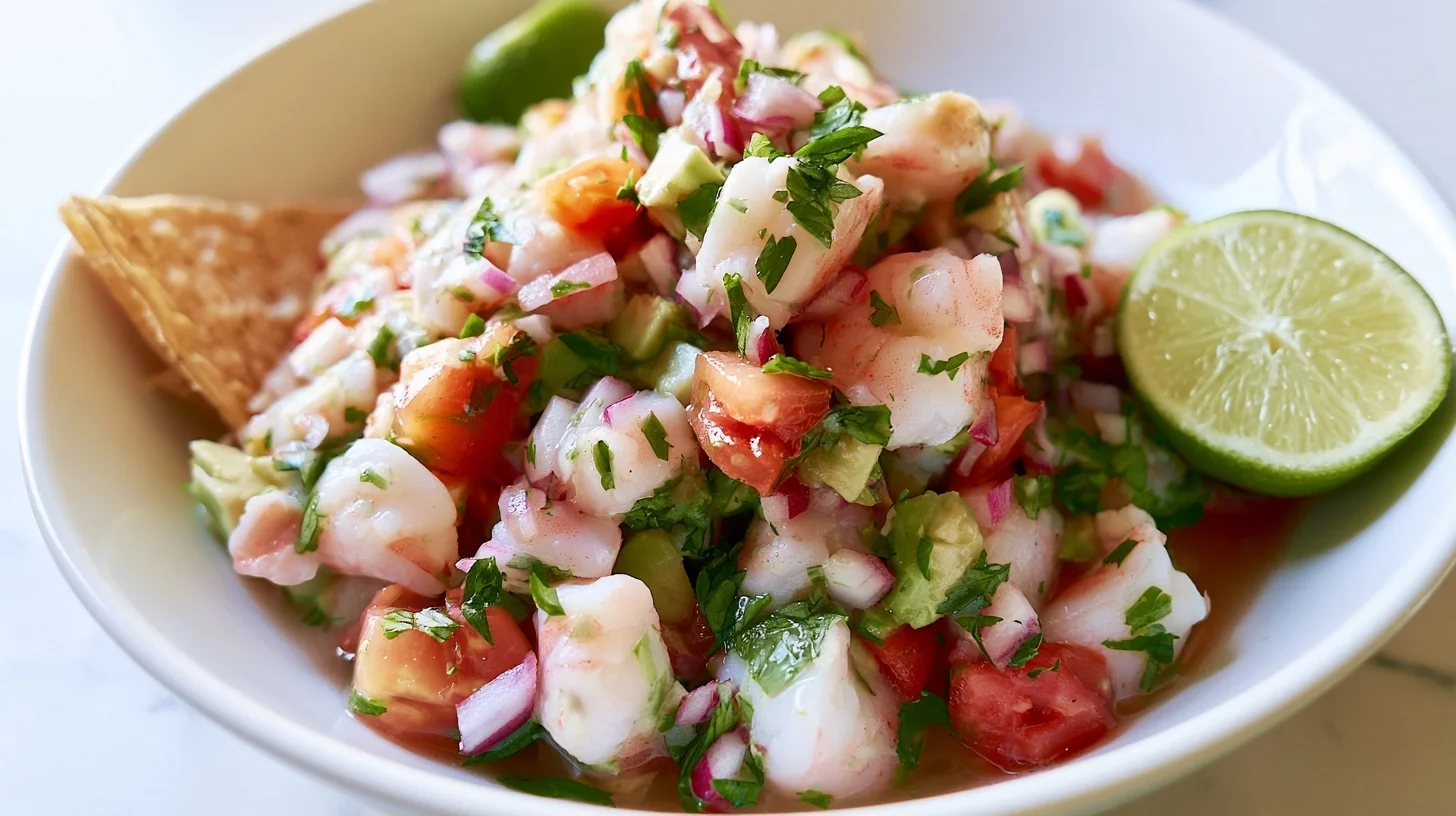
Table of contents
- Why You Will Love This Ceviche Recipe
- What You’ll Need to Make This Ceviche
- How to Make Fresh, Flavorful Ceviche Recipe
- How to Get Perfectly Tender Ceviche Every Time
- Common Mistakes to Avoid When Making Ceviche
- Easy Ways to Customize Your Ceviche Recipe
- What Makes Ceviche a Healthy Choice
- How to Serve Ceviche for Maximum Flavor
- How to Store Leftover Ceviche Properly
- Frequently Asked Questions about Ceviche Recipe
Why You Will Love This Ceviche Recipe
- The citrus marinade gently firms the seafood without heat, creating a tender, clean texture.
- Fresh vegetables like red onion, jalapeño, and cilantro add crunch and aromatic depth.
- It comes together in under 30 minutes with minimal prep and no cooking required.
- The bright, tangy flavor profile makes it a perfect appetizer or light meal for warm weather.
What You’ll Need to Make This Ceviche
This recipe requires very little specialized equipment, but the quality of your knife and bowl matters more than you might expect. A sharp knife ensures clean cuts through the fish, which helps it marinate evenly. A non-reactive bowl, such as glass or ceramic, prevents any metallic taste from interacting with the acidic lime juice.
- Sharp chef’s knife: Essential for cutting the fish into uniform cubes so each piece marinates at the same rate.
- Glass or ceramic mixing bowl: Non-reactive materials prevent off-flavors from developing during the marinating process.
- Citrus juicer: Makes it easier to extract fresh lime juice quickly, which is the backbone of the marinade.
- Fine mesh strainer: Useful if you want to drain excess marinade before serving, which prevents the ceviche from becoming too watery.
How to Make Fresh, Flavorful Ceviche Recipe
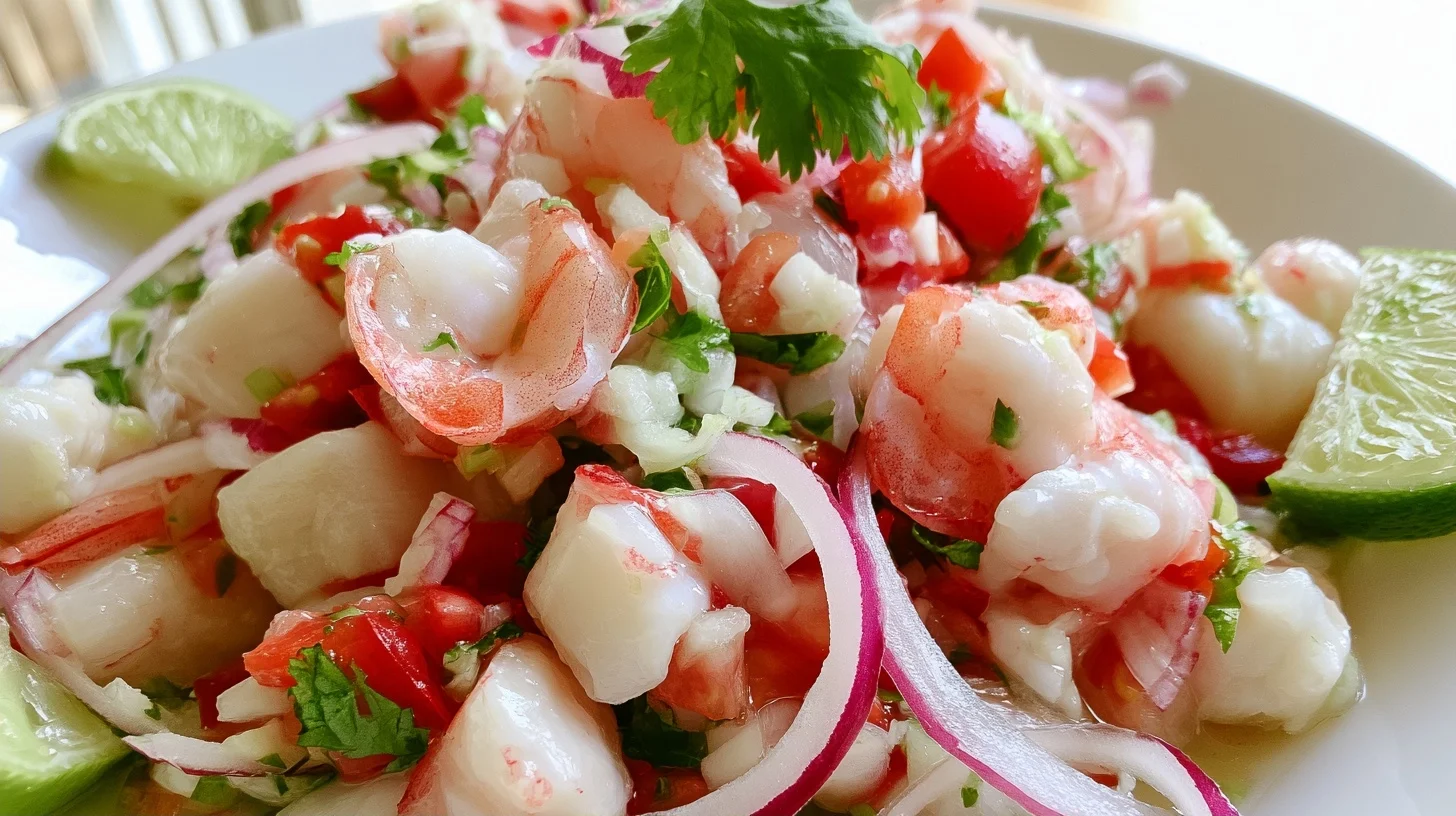
Fresh and Flavorful Ceviche
4
servings15
minutes0
minutes180
kcalThis ceviche features tender pieces of fresh white fish marinated in lime juice with crisp red onion, jalapeño, cilantro, and tomato. The citrus gently firms the seafood without heat, creating a bright, refreshing dish that’s perfect as an appetizer or light meal.
Keep the screen of your device on
Ingredients
1 pound sushi-grade white fish
0.75 cup fresh lime juice
0.5 cup red onion
1 medium jalapeño
1 medium tomato
0.25 cup fresh cilantro
1 teaspoon salt
1 medium avocado
1 tablespoon olive oil
Directions
- Cut the fish into uniform cubes about half an inch in size and place them in a non-reactive glass or ceramic bowl. Using evenly sized pieces ensures that every piece marinates at the same rate.
- Pour the fresh lime juice over the fish until all pieces are fully submerged. Cover the bowl and refrigerate for 15 to 20 minutes, stirring gently halfway through. The fish is ready when it turns opaque and feels firm to the touch.
- While the fish marinates, prepare the vegetables. Finely dice the red onion, jalapeño, and tomato. If you prefer a milder onion flavor, rinse the diced onion under cold water and pat it dry.
- Once the fish is opaque and firm, drain most of the lime juice from the bowl, leaving just a few tablespoons to keep the ceviche moist. This prevents the mixture from becoming too watery.
- Add the diced red onion, jalapeño, tomato, and cilantro to the bowl with the fish. Toss gently to combine, then season with salt to taste. The vegetables should remain crisp and vibrant.
- If using, fold in the diced avocado and drizzle with olive oil just before serving. The avocado adds creaminess and richness that balances the acidity of the lime juice.
Notes
- Marinating the fish for 15 to 20 minutes in the refrigerator achieves a tender, opaque texture without making the seafood rubbery.
- Always use sushi-grade fish from a reputable source to ensure freshness and food safety.
- Store leftover ceviche in an airtight container in the refrigerator for up to 24 hours, though it’s best enjoyed fresh.
Nutrition Facts
- Serving Size: 1 g
- Total number of serves: 4
- Calories: 180kcal
- Fat: 5g
- Carbohydrates: 12g
- Fiber: 3g
- Protein: 22g
Did you make this recipe?
Tag @therecipemasterblog on Instagram and hashtag it with #therecipemaster
Like this recipe?
Follow @therecipemasterblog on Pinterest
Follow us on Facebook!
Follow The Recipe Master on Facebook
How to Get Perfectly Tender Ceviche Every Time
The key to great ceviche is controlling the marinating time and using the freshest seafood possible. The acid in the lime juice denatures the proteins in the fish, changing its texture and appearance without heat. Marinating for 15 to 20 minutes is ideal for most white fish, while shrimp may need slightly less time to avoid becoming rubbery.
Choose Sushi-Grade or Freshly Caught Seafood
Since the fish isn’t cooked with heat, freshness is critical. Look for sushi-grade fish at a reputable seafood counter, or use shrimp that has been properly handled and stored. The fish should smell clean and ocean-like, never fishy or sour. If you’re using frozen seafood, thaw it in the refrigerator overnight and pat it completely dry before cutting.
Cut the Fish Into Uniform Cubes
Cutting the fish into evenly sized pieces, about half an inch, ensures that every piece marinates at the same rate. Larger chunks may remain translucent in the center, while smaller pieces can become overly firm. A sharp knife makes this process easier and safer, and it prevents the fish from tearing or becoming mushy.
Use Fresh Lime Juice, Not Bottled
Bottled lime juice lacks the bright, aromatic quality of freshly squeezed juice and often contains preservatives that can affect the flavor. Fresh lime juice provides the acidity needed to firm the seafood while adding a clean, citrusy flavor that defines the dish. Plan on using about 6 to 8 limes for a standard batch.
Don’t Over-Marinate
Marinating the fish for 15 to 20 minutes in the refrigerator is usually enough to achieve a tender, opaque texture. If you marinate it for too long, the fish can become rubbery and dry, and the flavor becomes overly acidic. The fish is ready when it turns from translucent to opaque and feels firm to the touch.
Add Vegetables Just Before Serving
Adding diced tomato, red onion, jalapeño, and cilantro just before serving keeps the vegetables crisp and prevents them from releasing too much moisture into the marinade. If you add them too early, the onion can become overly pungent and the tomato can make the mixture watery. For a milder onion flavor, rinse the diced onion under cold water before adding it.
If you’re looking for another fresh, flavorful dish with a kick, try this hatch chili salsa recipe that pairs beautifully with ceviche or tortilla chips.
Common Mistakes to Avoid When Making Ceviche
Using Fish That Isn’t Fresh Enough
Since ceviche relies on raw seafood, using fish that’s past its prime can result in off-flavors and potential food safety issues. Always buy from a trusted source and check for clear eyes, firm flesh, and a clean smell. If you’re unsure about freshness, ask the fishmonger when the fish was delivered.
Marinating in a Metal Bowl
Metal bowls can react with the acid in the lime juice, creating a metallic taste that affects the overall flavor. Use glass, ceramic, or plastic bowls instead. This is especially important if you’re marinating for more than a few minutes.
Adding Too Much Salt Too Early
Salt draws moisture out of the fish and vegetables, which can make the ceviche watery if added too early. Season lightly during marinating, then taste and adjust just before serving. This gives you better control over the final texture and flavor.
Skipping the Chill Time
Marinating the fish in the refrigerator, not at room temperature, is essential for both food safety and texture. The cold temperature slows bacterial growth and helps the fish firm up gradually without becoming rubbery. Never leave ceviche sitting out for more than a few minutes before serving.
Easy Ways to Customize Your Ceviche Recipe
Shrimp Ceviche
Replace the white fish with cooked or raw shrimp. If using raw shrimp, peel and devein them, then cut into bite-sized pieces. Marinate for 10 to 15 minutes until the shrimp turn pink and opaque. If using pre-cooked shrimp, reduce the marinating time to 5 to 10 minutes to avoid over-firming.
Mixed Seafood Ceviche Recipe
Combine white fish, shrimp, and scallops for a more complex texture and flavor. Cut all the seafood into similar-sized pieces and marinate together. The scallops will firm up quickly, so check them after 12 to 15 minutes.
Tropical Ceviche
Add diced mango, pineapple, or avocado for a sweeter, creamier variation. The fruit adds natural sweetness that balances the acidity of the lime juice. Add the avocado just before serving to prevent it from browning.
Spicy Ceviche Recipe
Increase the heat by adding more jalapeño, or use serrano or habanero peppers for a stronger kick. You can also add a few dashes of hot sauce or a pinch of cayenne pepper. Taste as you go to avoid overwhelming the delicate seafood flavor.
What Makes Ceviche a Healthy Choice
Ceviche is naturally low in calories and high in protein, making it a nutritious option for a light meal or appetizer. The seafood provides lean protein and omega-3 fatty acids, while the vegetables add fiber, vitamins, and antioxidants. The citrus marinade is virtually calorie-free and adds a burst of vitamin C.
Because ceviche is prepared without added fats or heavy sauces, it’s a clean, refreshing dish that fits well into a variety of eating plans. If you’re watching sodium intake, use less salt and let the lime juice and fresh herbs carry the flavor. For more background on the cultural significance of this dish, you can explore the surprising history behind Peru’s raw fish dish.
How to Serve Ceviche for Maximum Flavor
Ceviche is best served cold, straight from the refrigerator, in a shallow bowl or on a chilled plate. Garnish with extra cilantro, a lime wedge, and a sprinkle of flaky sea salt. Serve it with crispy tortilla chips, tostadas, or saltine crackers for scooping. You can also serve it over a bed of lettuce or alongside sliced avocado for a more substantial presentation.
For a more elegant appetizer, serve the ceviche in individual glasses or small bowls, topped with a thin slice of radish or a sprig of cilantro. This presentation works well for parties or gatherings where guests can enjoy it as a light, refreshing starter.
How to Store Leftover Ceviche Properly
Ceviche is best enjoyed fresh, within a few hours of preparation. If you have leftovers, store them in an airtight container in the refrigerator for up to 24 hours. The texture and flavor will continue to change as the seafood sits in the marinade, so the sooner you eat it, the better.
Do not freeze ceviche, as the seafood will become mushy and lose its texture when thawed. If you want to prepare components ahead of time, you can cut the fish and vegetables in advance and store them separately, then combine them with the lime juice just before serving.
Frequently Asked Questions about Ceviche Recipe
Yes, you can use frozen fish as long as it’s sushi-grade and properly thawed in the refrigerator overnight. Pat it completely dry before cutting to ensure even marinating.
Marinate the fish for 15 to 20 minutes in the refrigerator until it turns opaque and feels firm. Over-marinating can make the seafood rubbery and overly acidic.
White fish such as sea bass, halibut, snapper, or tilapia work best because they have a firm texture and mild flavor that absorbs the citrus marinade well. Always use sushi-grade fish for safety.
Ceviche is best enjoyed fresh, but you can prep the fish and vegetables separately and combine them with the lime juice 20 minutes before serving. This prevents over-marinating and keeps the texture ideal.









Leave a Reply