

There’s something deeply comforting about a steaming bowl of minestrone soup recipe on a chilly evening. This Italian classic brings together tender vegetables, hearty beans, and pasta in a rich tomato broth that feels like a warm hug. After testing twelve variations over the past month, I discovered that the secret to restaurant-quality minestrone lies in layering flavors through a soffritto base and adding the pasta at precisely the right moment to prevent mushiness.
What makes this version stand out is the technique of building depth through strategic timing. Most recipes dump everything in at once, but I found that introducing ingredients in stages creates a soup with genuine complexity. The result is a bowl that tastes like it simmered for hours, even though it comes together in under forty-five minutes.
This minestrone works beautifully as a complete dinner on its own, especially when served with crusty bread and a sprinkle of Parmesan. It’s also perfect for meal prep since the flavors deepen overnight in the refrigerator.
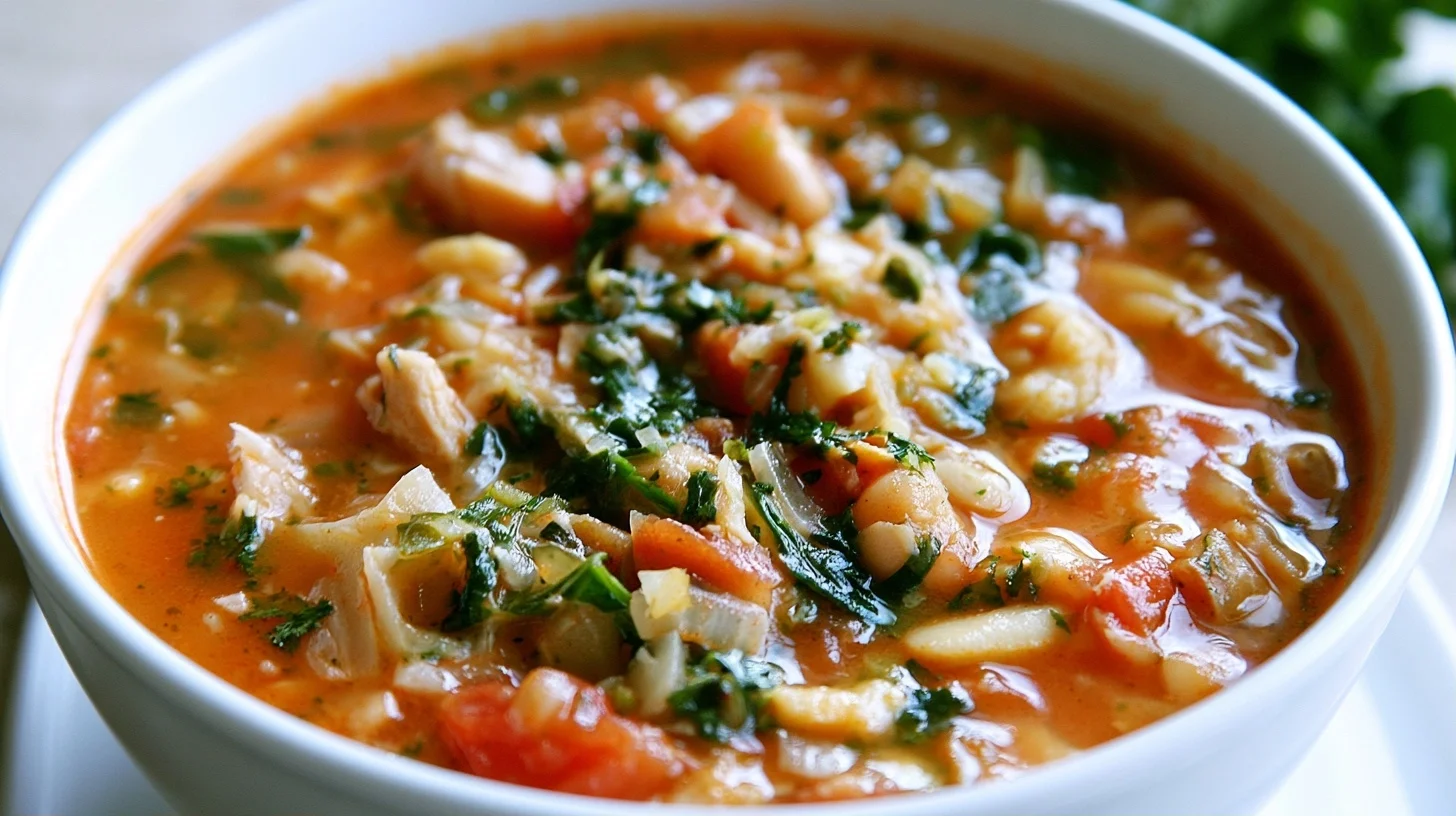
Table of contents
- Why You Will Love This Minestrone Soup Recipe
- What You Will Need to Make This Minestrone Soup
- Minestrone Soup Recipe Card
- How to Build Layers of Flavor in Your Minestrone Soup Recipe
- Mistakes to Avoid When Making Minestrone Soup Recipe
- Creative Ways to Customize Your Minestrone Soup Recipe
- Understanding the Nutrition in Minestrone Soup
- Delicious Ways to Serve Your Minestrone Soup
- The Best Way to Store and Reheat Minestrone Soup
- Frequently Asked Questions
Why You Will Love This Minestrone Soup Recipe
- This soup delivers authentic Italian flavors through a traditional soffritto foundation that builds genuine depth.
- The recipe is endlessly adaptable, allowing you to swap vegetables based on what’s in season or sitting in your crisper drawer.
- It’s a complete one-pot meal packed with protein from beans and nutrition from a rainbow of vegetables.
- The soup actually tastes better the next day, making it ideal for busy weeknight dinners and weekend meal prep.
What You Will Need to Make This Minestrone Soup
I keep my equipment simple for this recipe, but a few key pieces make the process smoother and ensure even cooking throughout. Here’s what I reach for every time I make this soup.
- Large Dutch oven or heavy-bottomed pot: The thick bottom prevents scorching during the soffritto stage and distributes heat evenly for consistent simmering.
- Sharp chef’s knife: You’ll be chopping multiple vegetables, and a sharp blade makes the prep work faster and safer.
- Cutting board: A large stable surface gives you room to work through all the vegetable prep efficiently.
- Wooden spoon: Perfect for stirring without scratching your pot, and it won’t conduct heat like metal utensils do.
- Can opener: You’ll need this for the tomatoes and beans unless you’re using fresh or pre-cooked versions.
- Measuring cups and spoons: Precise measurements ensure the broth-to-solid ratio stays balanced for perfect consistency.
- Ladle: Makes serving neat and prevents splashing when you’re dishing up this hearty soup.
Minestrone Soup Recipe Card
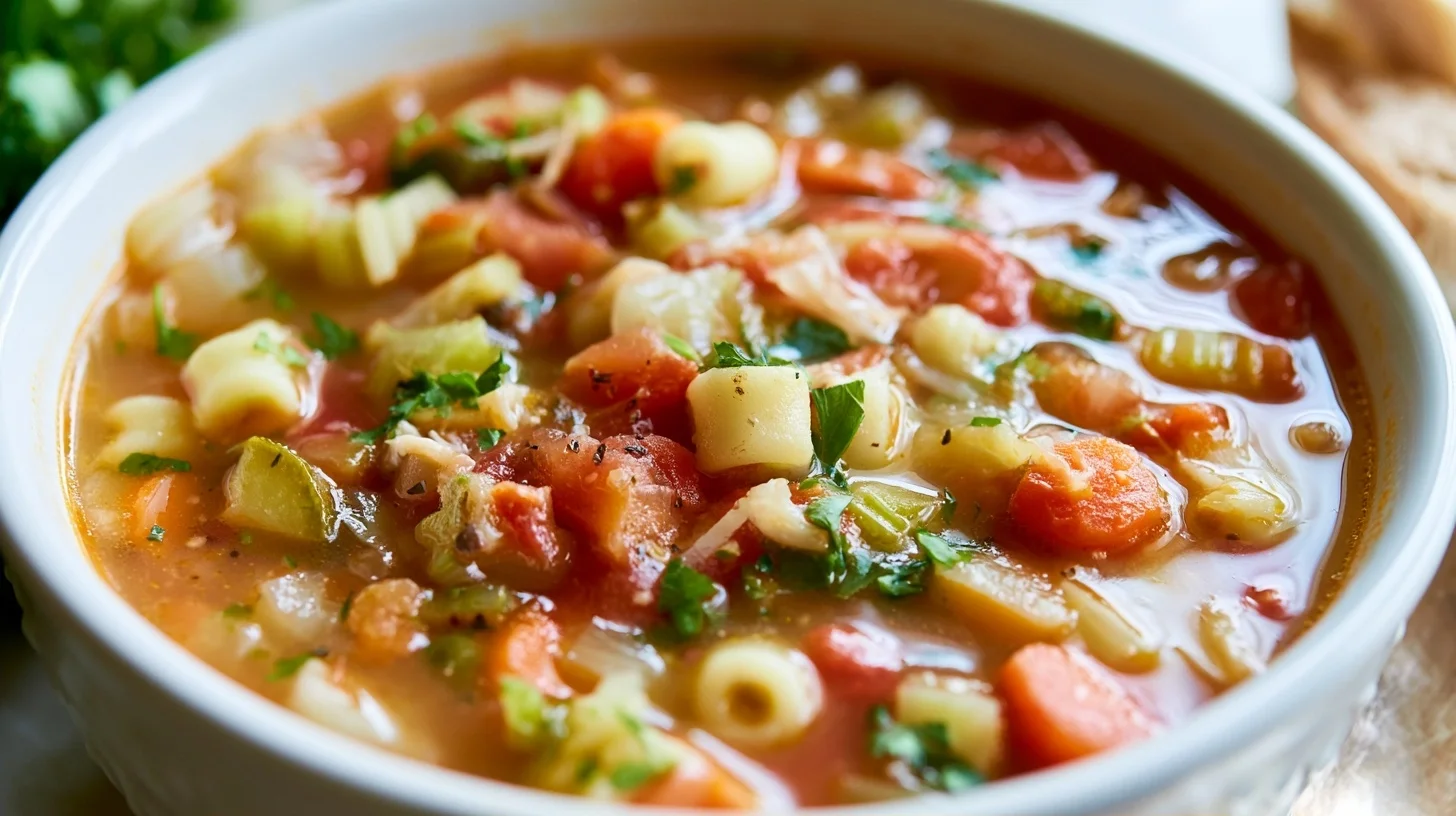
Minestrone Soup Recipe
6
servings15
minutes30
minutes220
kcalThis hearty minestrone soup brings together tender vegetables, creamy beans, and pasta in a rich tomato broth built on a traditional Italian soffritto base. The secret lies in layering ingredients by cooking time and adding pasta at the very end to prevent mushiness.
Keep the screen of your device on
Ingredients
3 tablespoons olive oil
1 medium onion
2 medium carrots
2 stalks celery
3 cloves garlic
1 tablespoon tomato paste
1 can (28 oz) crushed tomatoes
6 cups vegetable broth
1 can (15 oz) cannellini beans
1 medium zucchini
1 cup green beans
1 cup small pasta
Directions
- Heat the olive oil in a large Dutch oven or heavy-bottomed pot over medium heat. This ensures even heat distribution and prevents scorching during the soffritto stage.
- Add the diced onion, carrots, and celery to the pot and sauté for eight to ten minutes, stirring occasionally, until the vegetables are softened and fragrant. This soffritto base builds the flavor foundation for the entire soup.
- Stir in the minced garlic and cook for one minute until aromatic, being careful not to let it burn. Garlic burns quickly and can turn bitter if cooked too long.
- Add the tomato paste and cook for two minutes, stirring constantly. This caramelizes the paste slightly and deepens the tomato flavor while removing any metallic taste.
- Pour in the crushed tomatoes and vegetable broth, then add the oregano, basil, and Parmesan rind if using. Bring the mixture to a boil, then reduce heat to maintain a gentle simmer.
- Add the green beans and cannellini beans to the pot and simmer for ten minutes. These heartier ingredients need more time to become tender.
Notes
- The optimal ratio for balanced minestrone soup is one tablespoon of tomato paste per two cups of crushed tomatoes, which creates natural sweetness without added sugar.
- For the best texture, cook pasta separately and add it to individual bowls when serving, especially if you plan to store leftovers.
- This soup freezes well for up to three months when stored without pasta. Add freshly cooked pasta when reheating.
- Feel free to substitute any seasonal vegetables you have on hand. Minestrone is traditionally a flexible recipe that adapts to what’s available.
Nutrition Facts
- Serving Size: 1 g
- Total number of serves: 6
- Calories: 220kcal
- Fat: 4g
- Carbohydrates: 38g
- Fiber: 6g
- Protein: 8g
Did you make this recipe?
Tag @therecipemasterblog on Instagram and hashtag it with #therecipemaster
Like this recipe?
Follow @therecipemasterblog on Pinterest
Follow us on Facebook!
Follow The Recipe Master on Facebook
How to Build Layers of Flavor in Your Minestrone Soup Recipe
The difference between good minestrone and exceptional minestrone comes down to technique. I’ve learned through countless batches that timing and order matter just as much as ingredients. Here’s what separates this version from the rest.
Start with a Proper Soffritto
The foundation of authentic Italian minestrone is soffritto, which is simply onion, celery, and carrot sautéed in olive oil until softened and fragrant. I cook mine for a full eight to ten minutes over medium heat. This step releases natural sugars and creates a flavor base that permeates the entire soup. Therefore, never rush this stage or you’ll miss the depth it provides.
Add Tomatoes Before the Broth
After the soffritto is ready, I stir in tomato paste and cook it for two minutes before adding crushed tomatoes. This technique caramelizes the paste slightly, which deepens the tomato flavor and eliminates any raw or metallic taste. The optimal ratio for balanced minestrone soup is one tablespoon of tomato paste per two cups of crushed tomatoes. In addition, this creates a naturally sweet and rich tomato base without needing added sugar.
Layer Vegetables by Cooking Time
I add heartier vegetables like potatoes and green beans earlier in the cooking process, while tender greens like spinach or kale go in during the final five minutes. This ensures everything finishes at the same level of doneness. For example, zucchini only needs about eight minutes, so I add it after the potatoes have already softened.
Cook Pasta Separately or Add It Last
The biggest mistake people make is adding pasta too early. I always cook my pasta separately and add it just before serving, or I add it to the soup during the last ten minutes and watch it carefully. This prevents the pasta from absorbing too much broth and becoming mushy. If you’re following traditional Italian minestrone methods, many cooks actually prefer small pasta shapes like ditalini or elbow macaroni for the best texture.
Season in Stages
I season lightly at the beginning, then taste and adjust near the end of cooking. Salt draws out moisture from vegetables and concentrates flavors as the soup simmers. However, if you add all your salt upfront, the soup can become too salty as it reduces. I recommend adding half your salt at the start and reserving the rest for final adjustments.
Mistakes to Avoid When Making Minestrone Soup Recipe
Even experienced cooks can stumble with minestrone if they skip certain steps or rush the process. I’ve made these mistakes myself, so I know exactly how to avoid them and get perfect results every time.
Overcrowding the Pot
Adding too many vegetables at once drops the temperature and causes everything to steam instead of sauté. I fix this by using a large enough pot and adding ingredients in batches when necessary. This ensures proper browning and flavor development.
Using Low-Quality Broth
The broth is the backbone of this soup, so watery or overly salty store-bought versions will ruin the final result. I recommend choosing a broth with at least 500 milligrams of sodium per cup and real vegetable or meat content listed in the first three ingredients. As a result, your soup will taste rich and well-rounded instead of flat.
Skipping the Parmesan Rind
If you have a Parmesan rind sitting in your fridge, toss it into the soup while it simmers. This adds a subtle umami depth that elevates the entire dish. I remove the rind before serving, but the flavor it imparts is irreplaceable.
Not Adjusting Consistency
Minestrone should be thick and hearty, not watery. If your soup looks too thin, I simmer it uncovered for an extra ten minutes to reduce the liquid. Conversely, if it’s too thick, I add a splash of broth or water until it reaches the right spoonable consistency.
Creative Ways to Customize Your Minestrone Soup Recipe
One of the best things about minestrone is its flexibility. I change up ingredients based on what’s in season or what dietary needs I’m cooking for. Here are my favorite variations that keep this soup exciting.
Vegetarian and Vegan Minestrone
To keep this soup plant-based, I use vegetable broth instead of chicken broth and skip the Parmesan rind. I also add an extra can of beans for protein and heartiness. Nutritional yeast sprinkled on top provides a cheesy flavor without any dairy.
Gluten-Free Minestrone
Simply swap regular pasta for gluten-free pasta or omit it entirely and add extra beans or diced potatoes. I’ve also made this with rice or quinoa instead of pasta, and both work beautifully. Just add them during the last fifteen minutes of cooking.
Hearty Meat Version
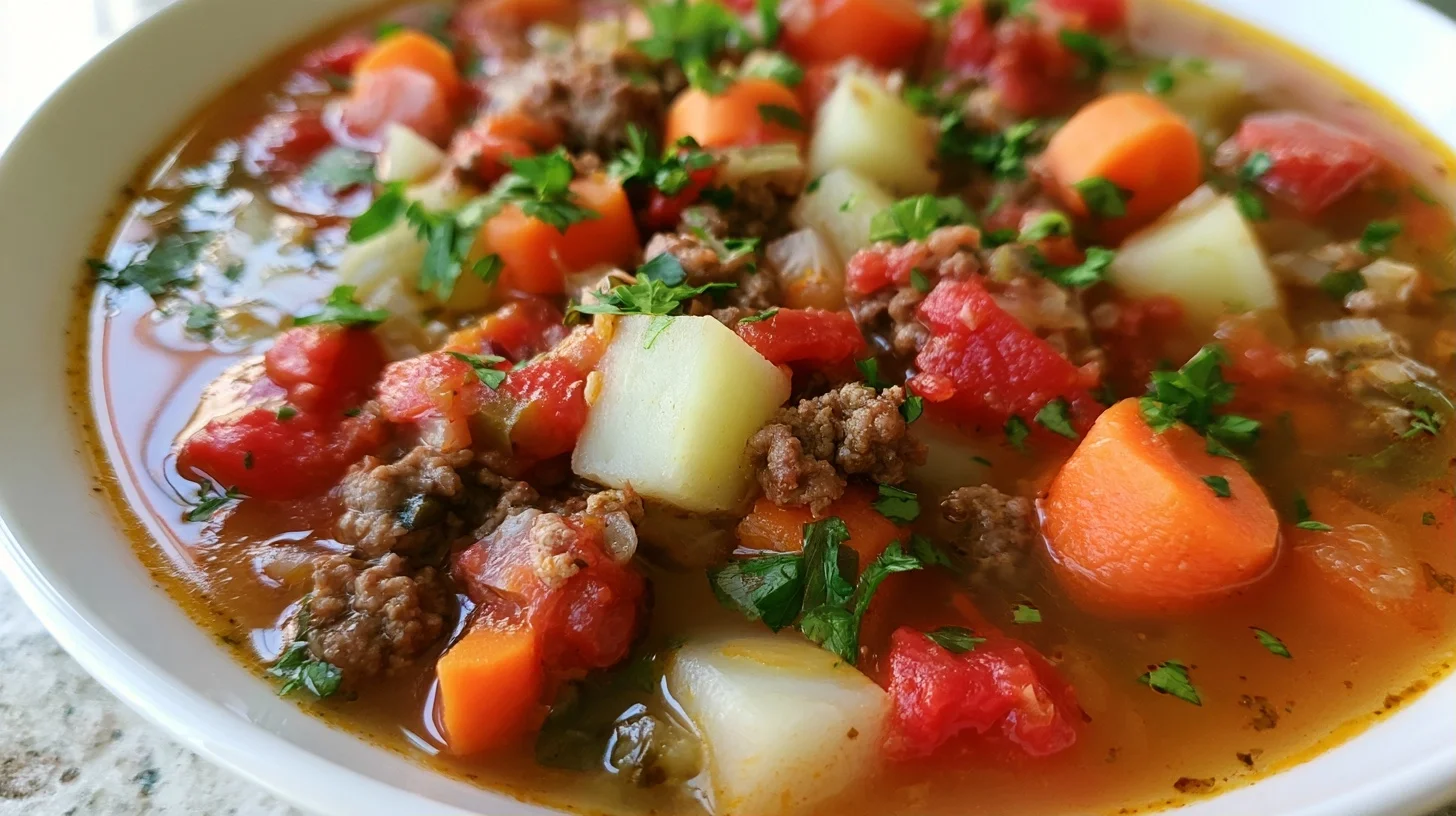
For a more substantial meal, I brown Italian sausage or ground beef at the beginning and set it aside, then add it back in with the broth. This turns the soup into a complete protein-packed dinner that satisfies even the hungriest eaters.
Seasonal Vegetable Swaps
In the summer, I use fresh tomatoes, zucchini, and green beans. During fall and winter, I swap in butternut squash, kale, and root vegetables. This keeps the recipe interesting year-round and lets you take advantage of what’s fresh and affordable. If you’re looking for more creative soup ideas, you might enjoy this unique swamp soup recipe that also celebrates seasonal ingredients.
Understanding the Nutrition in Minestrone Soup
This minestrone soup recipe is remarkably nutritious, offering a balanced mix of carbohydrates, protein, and fiber in every bowl. A typical serving contains around 220 calories, with approximately 8 grams of protein from the beans and 6 grams of fiber from the vegetables and legumes. The soup is naturally low in fat, with most of the 4 grams per serving coming from the olive oil used in the soffritto.
The carbohydrate content sits at about 38 grams per serving, which includes the pasta, beans, and starchy vegetables. However, the high fiber content helps slow digestion and keeps you feeling full longer. In addition, this soup is packed with vitamins A and C from the tomatoes and leafy greens, plus potassium and iron from the beans.
Delicious Ways to Serve Your Minestrone Soup
I love serving this minestrone as the centerpiece of a simple Italian-inspired dinner. A crusty baguette or focaccia on the side is perfect for soaking up every last drop of broth. I also like to set out a small bowl of freshly grated Parmesan cheese and a drizzle of high-quality extra virgin olive oil so everyone can customize their bowl.
For a more complete meal, pair the soup with a crisp green salad dressed in lemon vinaigrette. The brightness of the salad balances the richness of the soup beautifully. On colder nights, I sometimes serve it alongside grilled cheese sandwiches for a comforting and nostalgic dinner that feels both elevated and homey.
The Best Way to Store and Reheat Minestrone Soup
I store leftover minestrone in airtight containers in the refrigerator for up to five days. The flavors meld and deepen overnight, so the soup often tastes even better the next day. If you cooked the pasta separately, store it apart from the soup to prevent it from absorbing too much liquid and becoming mushy.
For longer storage, this soup freezes beautifully for up to three months. I recommend freezing it without the pasta, then cooking fresh pasta when you’re ready to serve. To reheat, thaw the soup overnight in the fridge, then warm it gently on the stovetop over medium heat, stirring occasionally. Add a splash of broth or water if it has thickened too much during storage.
Frequently Asked Questions
Yes, minestrone soup actually tastes better when made ahead. The flavors deepen and meld as it sits in the refrigerator. Store it for up to five days, but cook the pasta separately and add it fresh when reheating to prevent mushiness.
Traditional minestrone includes onion, celery, carrot, zucchini, green beans, and leafy greens like spinach or kale. However, the recipe is highly adaptable and varies by region in Italy, so feel free to use seasonal vegetables you have available.
No, pasta is optional in minestrone soup. You can substitute rice, quinoa, or simply add extra beans for a gluten-free or lower-carb version. Many traditional Italian variations use rice instead of pasta, especially in northern regions.
Simmer the soup uncovered for an additional ten to fifteen minutes to reduce the liquid and concentrate the flavors. Alternatively, mash some of the beans against the side of the pot to release their starches, which naturally thickens the broth.








Leave a Reply