

- Double-pumpkin method: pumpkin in dough and filling creates an incredibly moist crumb that stays soft for days.
- Cream cheese glaze applied five minutes after baking balances tang and sweetness without melting away.
- Perfect technique: activate yeast at 105 to 110°F, let dough double in the first rise, cut gently, and remove rolls slightly underdone to stay moist.
- Prepare ahead by refrigerating overnight, let warm thirty minutes before baking; store refrigerated up to five days or freeze up to three months.
There’s something magical about the combination of warm spices and tender dough, and these pumpkin cinnamon rolls capture that magic perfectly. After testing twelve different variations, I discovered that the secret lies in using pumpkin puree in both the dough and the filling, which creates an incredibly moist crumb that stays soft for days. These rolls bring together the cozy flavors of fall with the classic comfort of cinnamon rolls, making them perfect for weekend brunches, holiday gatherings, or any morning that deserves something special.
The first time I made these, I was amazed at how the pumpkin transformed the texture without overwhelming the cinnamon flavor. The dough is enriched and tender, yet sturdy enough to hold a generous swirl of spiced filling. What sets this recipe apart is the double-pumpkin approach combined with a cream cheese glaze that balances the sweetness perfectly.
Whether you’re a seasoned baker or trying yeast dough for the first time, these rolls are surprisingly approachable. The dough is forgiving, the rise time is flexible, and the reward is absolutely worth it. Let me walk you through everything you need to know to make the best batch of pumpkin cinnamon rolls you’ve ever tasted.
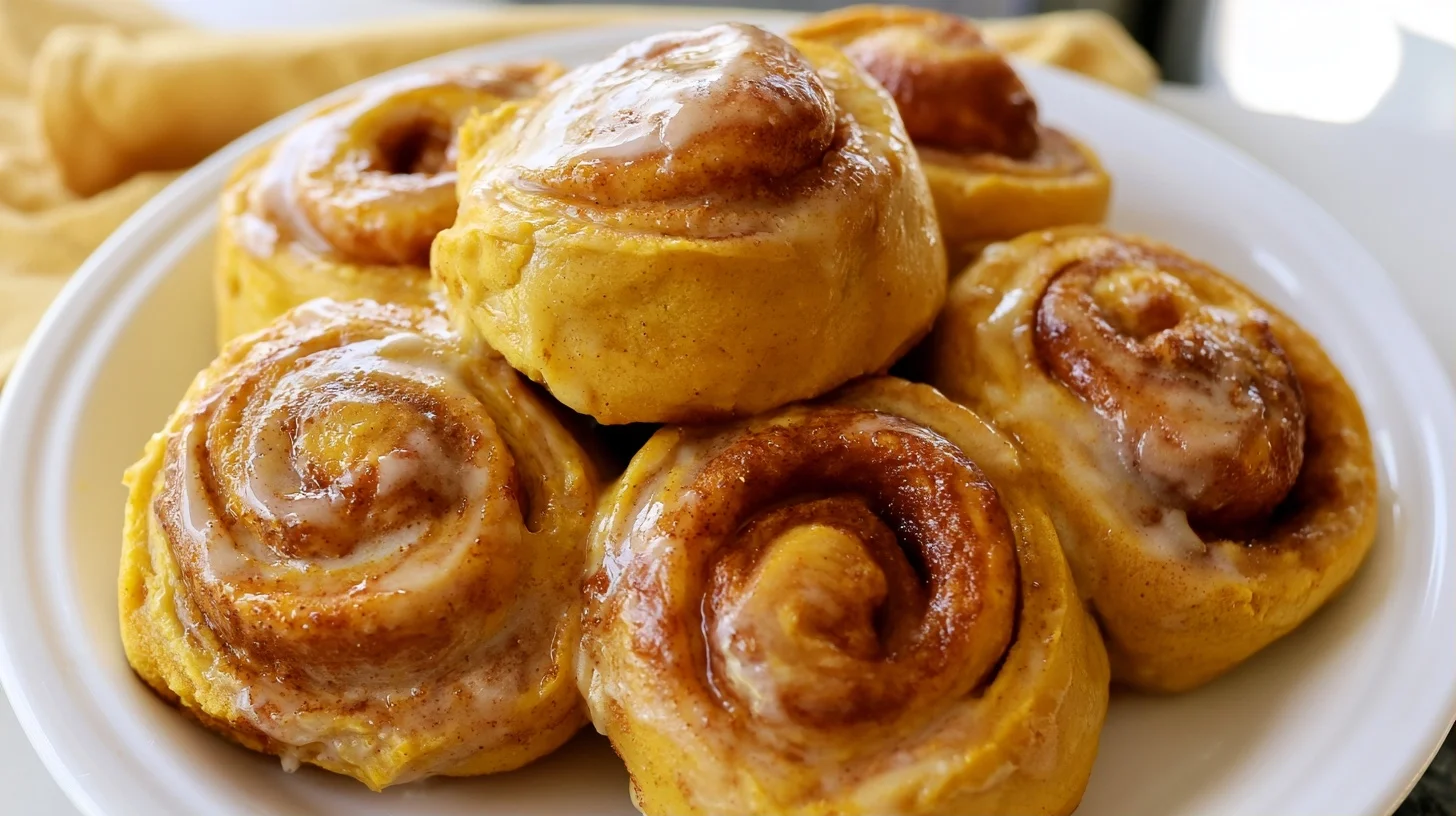
Table of contents
- Why You Will Love This Pumpkin Cinnamon Rolls
- What You Will Need to Make These Pumpkin Cinnamon Rolls
- How to Make the Softest Pumpkin Cinnamon Rolls
- The Techniques That Make These Pumpkin Cinnamon Rolls Bakery-Quality
- Mistakes to Avoid When Making Pumpkin Cinnamon Rolls
- Creative Ways to Customize Your Pumpkin Cinnamon Rolls
- Understanding the Nutrition in Pumpkin Cinnamon Rolls
- Delicious Ways to Enjoy Your Pumpkin Cinnamon Rolls
- Keeping Your Pumpkin Cinnamon Rolls Fresh and Delicious
- Frequently Asked Questions
Why You Will Love This Pumpkin Cinnamon Rolls
- The pumpkin puree in the dough creates an incredibly soft and tender texture that stays fresh for three full days.
- These rolls combine the warm spices of pumpkin pie with the classic comfort of cinnamon rolls in every bite.
- The double-pumpkin method in both dough and filling delivers rich flavor without being overly sweet or heavy.
- The cream cheese glaze adds a tangy balance that perfectly complements the spiced sweetness of the rolls.
- This recipe is flexible enough to prepare ahead and bake fresh in the morning for an impressive breakfast.
What You Will Need to Make These Pumpkin Cinnamon Rolls
I’ve found that having the right tools makes the entire process smoother and more enjoyable. You don’t need a fancy kitchen, but a few key pieces of equipment will help you achieve bakery-quality results at home.
- Stand mixer with dough hook: This makes kneading the enriched dough effortless and ensures proper gluten development for that soft, pillowy texture.
- Large mixing bowl: You’ll need this for the first rise, and it should be big enough to allow the dough to double in size comfortably.
- Rolling pin: A good rolling pin helps you achieve an even rectangle of dough, which means uniform rolls that bake evenly.
- 9×13-inch baking dish: This size is perfect for twelve generous rolls with just enough space between them to rise and bake properly.
- Bench scraper or sharp knife: Essential for cutting the rolled dough into even portions without squashing the swirl.
- Instant-read thermometer: This ensures your milk is at the right temperature for activating the yeast without killing it.
- Pastry brush: Perfect for spreading melted butter evenly over the dough before adding the filling.
How to Make the Softest Pumpkin Cinnamon Rolls
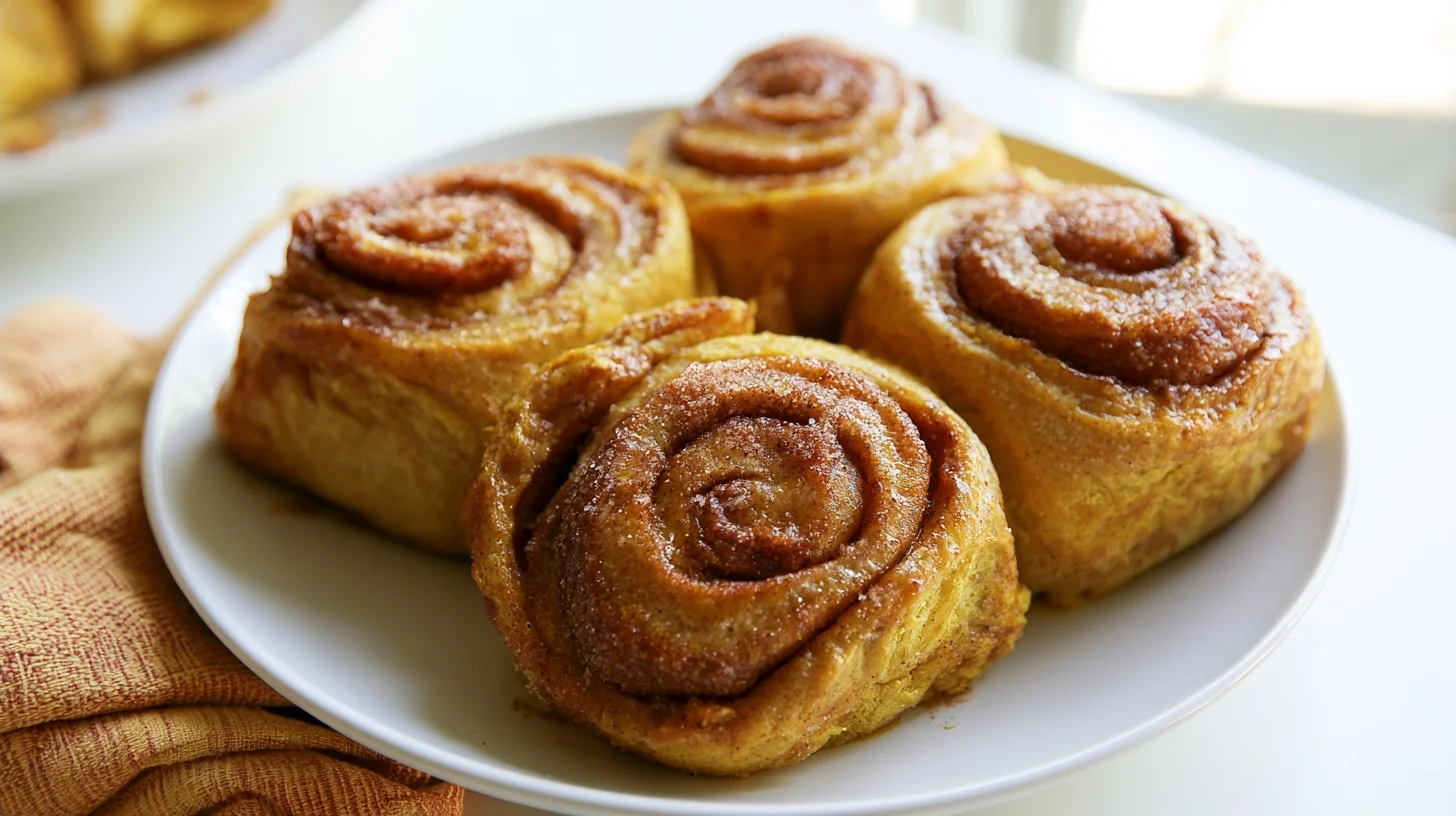
Pumpkin Cinnamon Rolls
12
servings30
minutes25
minutes380
kcalThese incredibly soft pumpkin cinnamon rolls use pumpkin puree in both the dough and filling for maximum moisture and flavor. The double-pumpkin method keeps them tender for days, while warm spices and cream cheese glaze create the perfect balance of sweetness.
Keep the screen of your device on
Ingredients
1 cup whole milk
2.25 teaspoons active dry yeast
1 cup pumpkin puree
0.25 cup granulated sugar
0.25 cup unsalted butter
1 large egg
1 teaspoon salt
4 cups all-purpose flour
0.5 cup unsalted butter
0.75 cup brown sugar
2 tablespoons pumpkin puree
2 tablespoons ground cinnamon
Directions
- Activate the yeast by combining warm milk and yeast in the bowl of a stand mixer, then let it sit for five minutes until foamy. This proves your yeast is alive and ready to create those beautiful air pockets in the dough.
- Mix the wet ingredients by adding pumpkin puree, sugar, melted butter, and egg to the yeast mixture, stirring until well combined. The pumpkin adds moisture and creates that signature tender crumb.
- Add the dry ingredients by mixing in salt and flour one cup at a time using the dough hook on low speed. Stop adding flour when the dough pulls away from the bowl sides but remains slightly tacky.
- Knead the dough on medium speed for six to eight minutes until it becomes smooth and elastic. Proper kneading develops the gluten structure that gives these rolls their soft, pillowy texture.
- Let the dough rise by placing it in a greased bowl, covering with a damp towel, and setting it in a warm spot for sixty to ninety minutes until doubled in size. This first rise is crucial for developing flavor and texture.
- Prepare the filling by mixing softened butter, brown sugar, pumpkin puree, and cinnamon in a bowl until smooth and spreadable. The pumpkin in the filling intensifies the flavor without making the rolls soggy.
Notes
- The ideal ratio of pumpkin puree to flour for optimal moisture is 1:3, which creates structure while maintaining a soft crumb that stays fresh for three days.
- If making ahead, refrigerate the cut rolls overnight after the second step of arranging in the pan, then let them warm at room temperature for thirty minutes before baking.
- For dairy-free rolls, substitute almond or oat milk for the milk and use vegan butter and dairy-free cream cheese throughout the recipe without any other changes needed.
Nutrition Facts
- Serving Size: 1 g
- Total number of serves: 12
- Calories: 380kcal
- Fat: 12g
- Carbohydrates: 60g
- Fiber: 2g
- Protein: 7g
Did you make this recipe?
Tag @therecipemasterblog on Instagram and hashtag it with #therecipemaster
Like this recipe?
Follow @therecipemasterblog on Pinterest
Follow us on Facebook!
Follow The Recipe Master on Facebook
The Techniques That Make These Pumpkin Cinnamon Rolls Bakery-Quality
After making countless batches, I’ve learned that a few specific techniques make all the difference between good rolls and absolutely incredible ones. These tips will help you achieve professional results every single time.
Temperature Control for Perfect Yeast Activation
The ideal temperature for activating yeast is between 105°F and 110°F. I always use an instant-read thermometer to check my milk before adding the yeast. Too hot and you’ll kill the yeast, too cold and it won’t activate properly. This single step has eliminated all my yeast failures.
The Double-Pumpkin Method for Maximum Moisture
The ratio of pumpkin puree to flour for optimal moisture in pumpkin cinnamon rolls is 1:3, which means one cup of pumpkin to three cups of flour in the dough. This creates structure while maintaining that signature soft crumb. Then, adding two tablespoons of pumpkin to the filling intensifies the flavor without making the rolls soggy. This technique is what keeps these rolls tender for days.
Rolling and Cutting Without Crushing
I recommend rolling the dough into a rectangle that’s about 16 inches wide and 12 inches tall. Use unflavored dental floss or a very sharp bench scraper to cut the rolls. Slide the floss under the rolled dough, cross the ends over the top, and pull tight. This method slices cleanly without squashing the beautiful swirl you worked so hard to create.
The Overnight Rise Option
For make-ahead convenience, I often prepare these rolls the night before. After placing the cut rolls in the baking dish, cover tightly with plastic wrap and refrigerate overnight. In the morning, let them sit at room temperature for thirty minutes while the oven preheats. They’ll finish rising as they warm up and bake into perfectly fluffy rolls. The history of cinnamon rolls shows this overnight method has been used in Scandinavian baking for generations.
Glaze Timing for the Best Texture
I always apply the cream cheese glaze while the rolls are still warm but not piping hot. If you glaze them straight out of the oven, the glaze will melt and run off. Wait about five minutes after removing them from the oven. The residual heat will soften the glaze just enough to create that perfect glossy coating that partially soaks in.
Mistakes to Avoid When Making Pumpkin Cinnamon Rolls
I’ve made every mistake possible with these rolls, so let me save you the trouble. These are the most common issues home bakers face and exactly how to prevent them.
Using Cold Ingredients
Cold eggs, butter, and pumpkin puree will cool down your dough and slow yeast activity dramatically. I always bring all my ingredients to room temperature before starting. If you forget, place eggs in warm water for five minutes and microwave the pumpkin puree for fifteen seconds. This simple step cuts rising time significantly.
Over-Flouring the Dough
Adding too much flour creates dense, dry rolls instead of soft, tender ones. The dough should be slightly sticky but manageable. I recommend adding flour gradually during kneading and stopping as soon as the dough pulls away from the bowl sides. A slightly tacky dough produces the softest rolls.
Skipping the First Rise
Some bakers try to rush the process by skipping or shortening the first rise. This is a mistake because the first rise develops flavor and creates the gluten structure needed for light, airy rolls. I always let my dough double fully, which usually takes sixty to ninety minutes in a warm kitchen.
Overbaking and Drying Out
Pumpkin cinnamon rolls continue cooking from residual heat after you remove them from the oven. I take mine out when they’re just turning golden and still look slightly underdone in the center. They’ll finish cooking as they cool and stay incredibly moist. Overbaking is the number one reason rolls turn out dry.
Creative Ways to Customize Your Pumpkin Cinnamon Rolls
One of the best things about this recipe is how adaptable it is to different dietary needs and flavor preferences. I’ve tested all these variations myself, and each one delivers delicious results.
Dairy-Free Pumpkin Cinnamon Rolls
Replace the milk with unsweetened almond or oat milk, and use vegan butter in both the dough and filling. For the glaze, use dairy-free cream cheese, which is now widely available and works beautifully. The texture remains just as soft and tender with these substitutions.
Maple Pecan Variation
Add half a cup of chopped toasted pecans to the filling along with two tablespoons of pure maple syrup. Then make a maple glaze by replacing half the powdered sugar in the cream cheese frosting with maple sugar. This creates a more complex, nutty flavor profile that’s absolutely divine.
Chai-Spiced Version
For a warming twist, add half a teaspoon each of ground cardamom and ginger to the filling along with the cinnamon. You can also steep a chai tea bag in the warm milk before adding it to the dough for an extra layer of flavor. If you love chai spices, try this chai cinnamon recipe for more inspiration.
Gluten-Free Adaptation
Use a high-quality gluten-free flour blend that includes xanthan gum, and add one extra tablespoon of pumpkin puree to compensate for dryness. The rolls won’t be quite as fluffy as traditional ones, but they’ll still be tender and delicious. Let the dough rest for ten minutes after mixing to allow the flour to hydrate fully.
Chocolate Chip Addition
Sprinkle half a cup of mini chocolate chips over the filling before rolling. The chocolate melts slightly during baking and creates pockets of richness throughout the rolls. Dark chocolate works especially well with the pumpkin and warm spices.
Understanding the Nutrition in Pumpkin Cinnamon Rolls
These pumpkin cinnamon rolls are definitely an indulgent treat, but they also contain some nutritional benefits from the pumpkin puree. Each roll provides approximately 380 calories, with about 12 grams of fat, 60 grams of carbohydrates, and 7 grams of protein. The pumpkin adds vitamin A, fiber, and antioxidants that you won’t find in traditional cinnamon rolls.
If you’re looking to reduce the sugar content, you can cut the brown sugar in the filling by one-quarter without significantly affecting the taste or texture. The natural sweetness of the pumpkin helps compensate. You can also use a lighter glaze by reducing the powdered sugar and adding a splash of milk to thin it out.
Delicious Ways to Enjoy Your Pumpkin Cinnamon Rolls
These rolls shine brightest when served warm for breakfast or brunch, but they’re versatile enough for any time of day. I love serving them alongside hot coffee or spiced apple cider for the ultimate fall morning. They’re also spectacular as a dessert, especially when you warm them slightly and add a scoop of vanilla ice cream on top.
For special occasions, arrange the glazed rolls on a large platter with fresh apple slices, dried cranberries, and candied pecans scattered around them. This creates a beautiful presentation that looks like you spent hours in the kitchen. You can also cut them into smaller portions and serve them as part of a dessert buffet or holiday cookie exchange. The pumpkin flavor makes them feel seasonal without being exclusively a fall treat.
Keeping Your Pumpkin Cinnamon Rolls Fresh and Delicious
Store leftover rolls in an airtight container at room temperature for up to two days, or refrigerate them for up to five days. The pumpkin in the dough helps them stay moist longer than regular cinnamon rolls. I often make a full batch knowing they’ll stay fresh throughout the week for quick breakfasts.
For longer storage, these rolls freeze beautifully for up to three months. Wrap individual rolls tightly in plastic wrap, then place them in a freezer-safe bag. To reheat, thaw at room temperature for an hour, then warm in a 300°F oven for eight to ten minutes. You can also microwave individual rolls for twenty to thirty seconds. The texture bounces back remarkably well, and they taste almost as good as fresh-baked.
Frequently Asked Questions
Yes, you can prepare pumpkin cinnamon rolls the night before. After cutting and placing the rolls in the baking dish, cover tightly with plastic wrap and refrigerate overnight. In the morning, let them sit at room temperature for thirty minutes before baking. They’ll finish rising as they warm up and bake perfectly.
Dense rolls usually result from adding too much flour or not allowing enough rise time. The dough should be slightly sticky but manageable. Make sure to let the dough double fully during the first rise, which takes sixty to ninety minutes. Also check that your yeast is fresh and activated properly at the correct temperature between 105°F and 110°F.
Yes, you can use fresh pumpkin puree, but make sure it’s very smooth and not watery. Roast pumpkin chunks until tender, then puree and strain through cheesecloth to remove excess moisture. Fresh pumpkin can be more watery than canned, which will affect the dough consistency. You may need to add slightly more flour to compensate.
The rolls are done when they’re golden brown on top and an instant-read thermometer inserted in the center reads 190°F to 200°F. They should look slightly underdone in the very center as they’ll continue cooking from residual heat. Overbaking is the most common cause of dry rolls, so err on the side of removing them a minute early rather than late.



Leave a Reply