

- Brown chicken in batches for deep caramelization and flavor.
- Add fresh herbs at two stages: hardy herbs early, delicate herbs before serving for layered flavor.
- Use seasonal vegetables like butternut squash and parsnips, cut uniformly into one-inch chunks.
- Maintain a gentle simmer with the lid slightly ajar to prevent over-reduction and keep chicken tender.
- This stew is flexible, improves overnight, and stores well for meal prep or freezing.
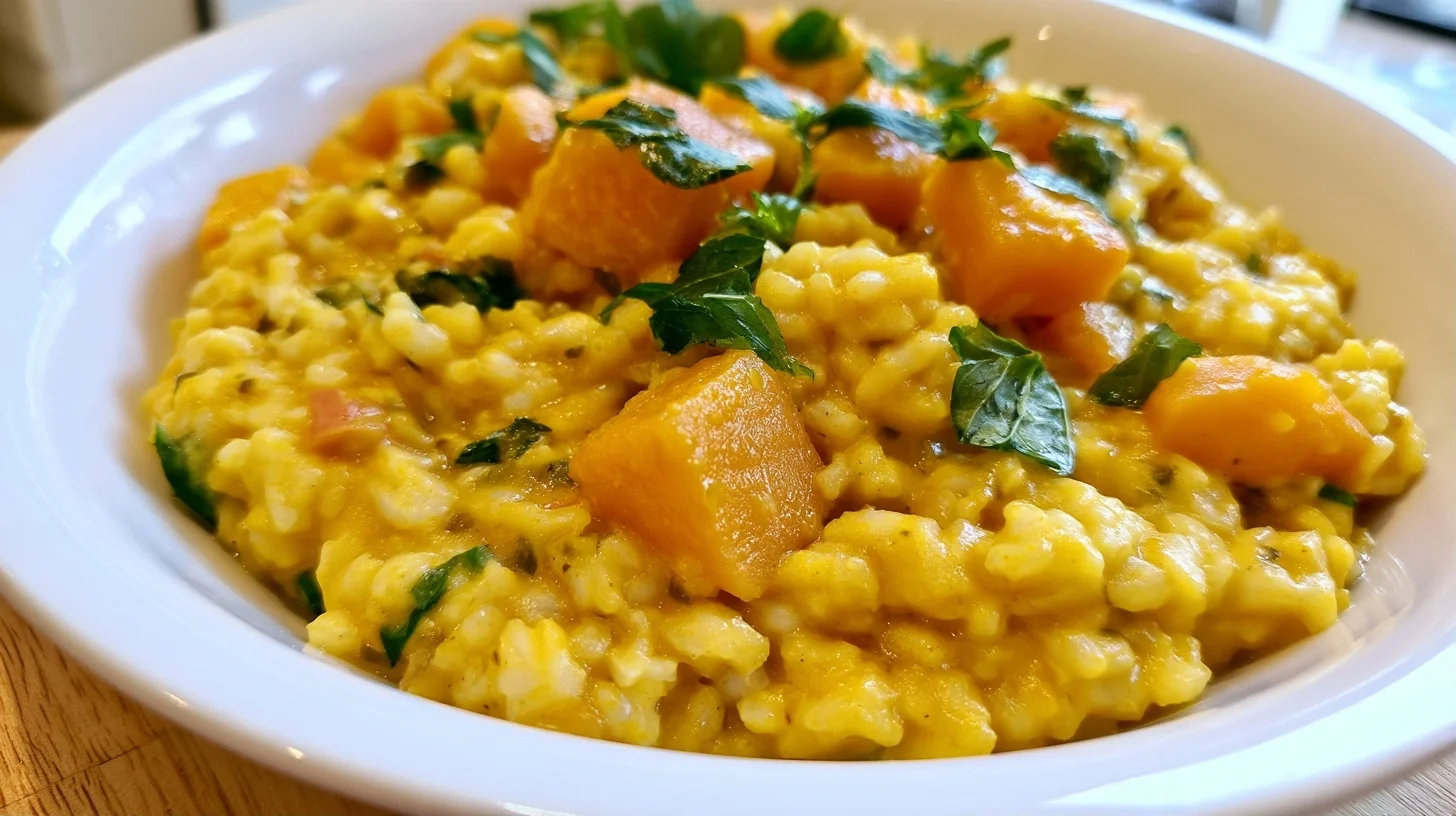
When the leaves start to turn and the air gets crisp, nothing satisfies quite like a bowl of autumn chicken stew. This hearty dish combines tender chicken with seasonal vegetables like butternut squash and root vegetables, creating a comforting meal that warms you from the inside out. After testing twelve variations, I discovered that browning the chicken first and adding fresh herbs at two different stages creates layers of flavor that set this version apart from the typical one-pot approach.
What makes this stew truly special is how it captures the essence of fall in every spoonful. The natural sweetness of autumn squash balances perfectly with savory chicken and aromatic herbs. This recipe has become my go-to for Sunday dinners and meal prep alike, as it tastes even better the next day.
Whether you are feeding a hungry family or looking for a make-ahead meal, this stew delivers comfort without complicated techniques. The best part is that it adapts beautifully to whatever seasonal vegetables you have on hand, making it both flexible and forgiving for home cooks of all skill levels.
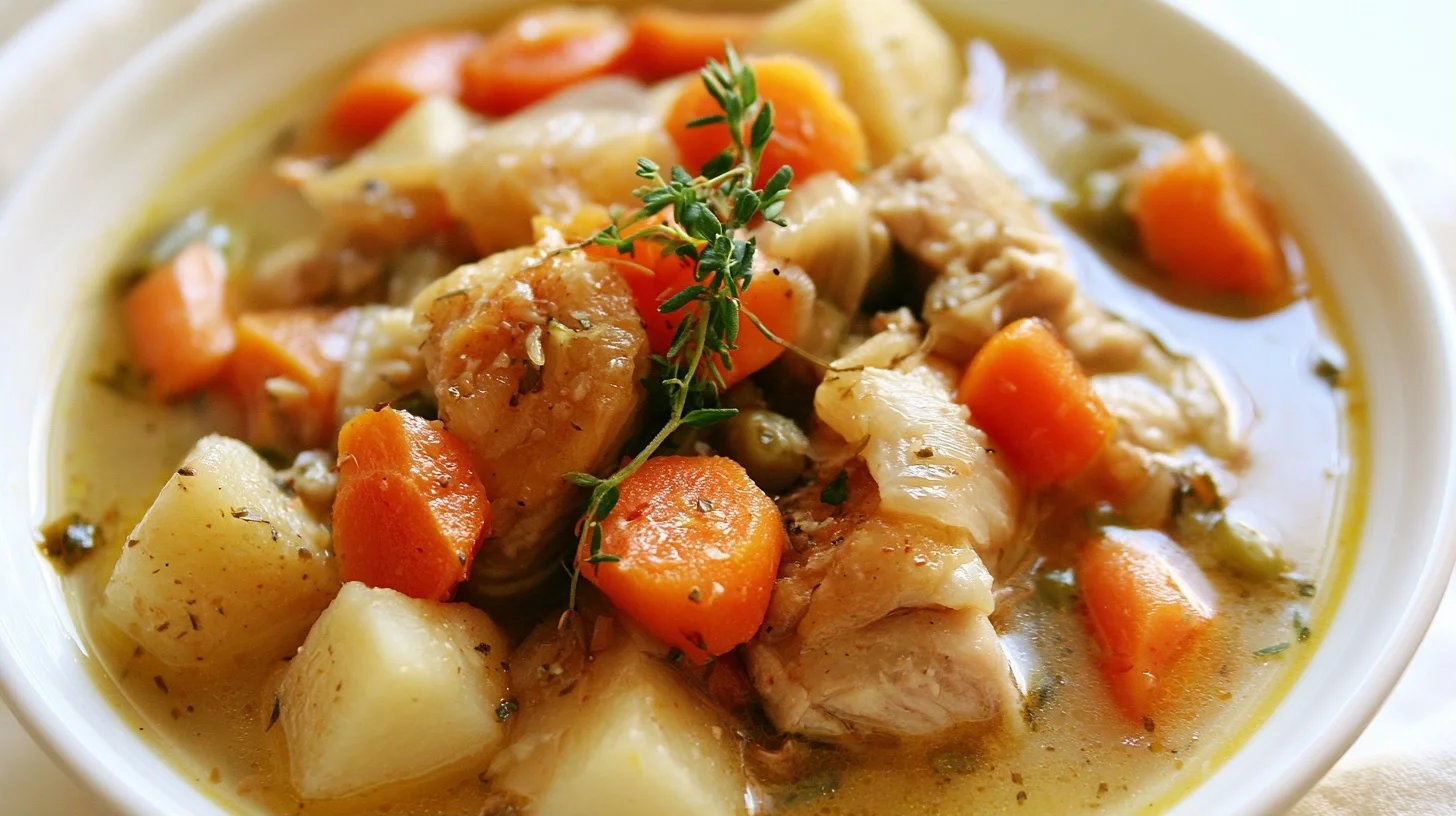
Table of contents
- Why You Will Love This autumn chicken stew
- What You Will Need to Make This autumn chicken stew
- How to Make the Best autumn chicken stew
- The Techniques That Make This autumn chicken stew Restaurant-Quality
- Mistakes to Avoid When Making autumn chicken stew
- Creative Ways to Customize Your autumn chicken stew
- Understanding the Nutrition in autumn chicken stew
- Delicious Ways to Serve Your autumn chicken stew
- Storing and Reheating Your autumn chicken stew
- Frequently Asked Questions
Why You Will Love This autumn chicken stew
- The two-stage browning technique creates deep, complex flavors that develop as the stew simmers.
- Seasonal autumn vegetables like butternut squash and parsnips add natural sweetness and hearty texture.
- This stew tastes even better the next day, making it perfect for meal prep and busy weeknights.
- The recipe is flexible enough to accommodate whatever fall vegetables you have available.
What You Will Need to Make This autumn chicken stew
I have made this stew dozens of times, and having the right equipment makes the process so much smoother. You do not need anything fancy, but a few key pieces will help you achieve the best results.
- Large Dutch oven or heavy-bottomed pot: The thick base prevents scorching during the browning stage and distributes heat evenly throughout the long simmer.
- Sharp chef’s knife: Essential for breaking down chicken and chopping vegetables into uniform pieces that cook at the same rate.
- Wooden spoon or silicone spatula: Perfect for scraping up the flavorful browned bits from the bottom of the pot without damaging your cookware.
- Cutting board: A large, stable surface makes prep work safer and more efficient when handling raw chicken and vegetables.
- Ladle: Makes serving the stew neat and easy, especially when you want to ensure each bowl gets a good mix of chicken and vegetables.
- Measuring cups and spoons: Accurate measurements ensure consistent results, particularly for the liquid ratio and seasoning.
How to Make the Best autumn chicken stew
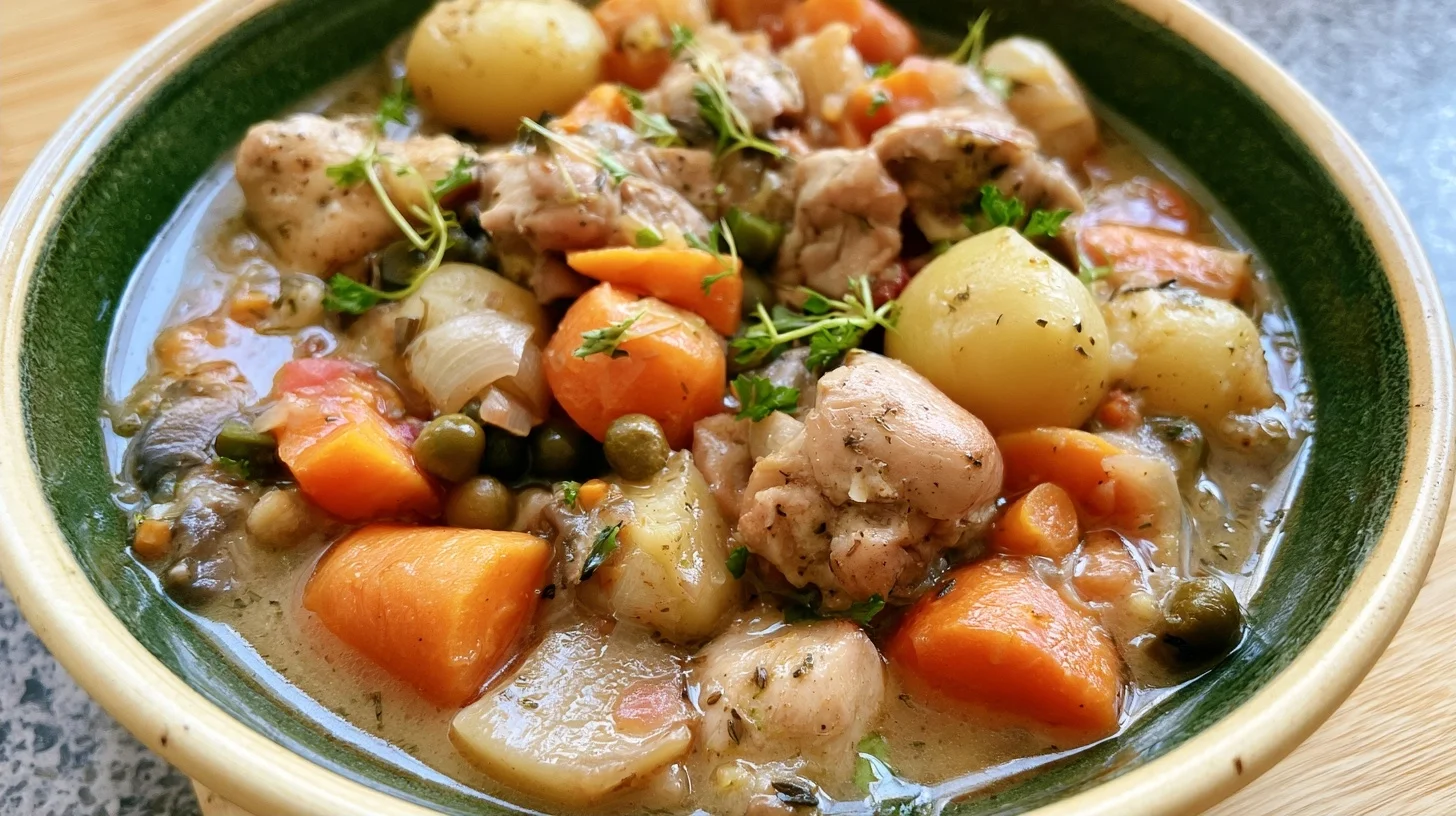
Autumn Chicken Stew
6
servings20
minutes45
minutes320
kcalThis hearty autumn chicken stew combines tender chicken pieces with butternut squash, carrots, and parsnips in a savory herb-infused broth. The two-stage herb addition creates layers of flavor that make this stew taste restaurant-quality.
Keep the screen of your device on
Ingredients
2 pounds chicken thighs
3 cups butternut squash
2 cups carrots
1.5 cups parsnips
1 large yellow onion
4 cups chicken broth
3 cloves garlic
2 tablespoons olive oil
2 sprigs fresh thyme
1 sprig fresh rosemary
0.25 cup fresh parsley
1 teaspoon salt
Directions
- Pat the chicken pieces dry with paper towels and season them generously with salt and pepper. This helps achieve a golden-brown crust that builds the flavor foundation for your entire stew.
- Heat one tablespoon of olive oil in a large Dutch oven over medium-high heat. Add half the chicken pieces in a single layer, making sure not to crowd the pot, and brown them for three to four minutes per side until golden.
- Remove the browned chicken to a plate and repeat with the remaining chicken pieces. Browning in batches ensures proper caramelization instead of steaming, which creates deeper flavor.
- Add the remaining tablespoon of olive oil to the pot and sauté the diced onion for four minutes until softened. Stir in the minced garlic and cook for one minute until fragrant.
- Add the carrots and parsnips to the pot along with the thyme and rosemary sprigs. These harder vegetables need more cooking time, so they go in first to ensure everything finishes at the same moment.
- Pour in the chicken broth and scrape up any browned bits from the bottom of the pot with a wooden spoon. These flavorful bits add richness to your broth.
Notes
- The ideal ratio of broth to solid ingredients is 4 cups of liquid to 6 cups of combined chicken and vegetables, which creates a perfectly balanced stew that is neither too soupy nor too thick.
- If you prefer a thicker stew, mash a few pieces of cooked butternut squash against the side of the pot during the last five minutes of cooking.
- This stew freezes beautifully for up to three months. Slightly undercook the vegetables if you plan to freeze it, as they will soften further when reheated.
Nutrition Facts
- Serving Size: 1 g
- Total number of serves: 6
- Calories: 320kcal
- Fat: 8g
- Carbohydrates: 35g
- Fiber: 6g
- Protein: 28g
Did you make this recipe?
Tag @therecipemasterblog on Instagram and hashtag it with #therecipemaster
Like this recipe?
Follow @therecipemasterblog on Pinterest
Follow us on Facebook!
Follow The Recipe Master on Facebook
The Techniques That Make This autumn chicken stew Restaurant-Quality
After making this stew countless times, I have learned that a few simple techniques elevate it from good to exceptional. These tips come from both professional kitchen experience and plenty of home cooking trials.
Brown the Chicken Properly
The key to deep flavor is browning the chicken pieces in batches rather than crowding the pot. I always pat the chicken dry with paper towels first, which helps achieve a golden crust. Overcrowding creates steam instead of a sear, and you lose that essential caramelization. Therefore, I recommend working in two batches even though it takes a few extra minutes.
Layer Your Herbs for Maximum Flavor
The technique that makes this autumn chicken stew stand out is adding fresh herbs at two different stages. I add hardy herbs like thyme and rosemary early in the cooking process, then stir in fresh parsley or chives just before serving. This creates both deep background flavor and bright finishing notes that taste restaurant-quality.
Cut Vegetables Uniformly
I found that cutting all vegetables to roughly the same size ensures everything cooks evenly. The butternut squash and root vegetables should be in one-inch chunks. Smaller pieces turn to mush, while larger ones stay undercooked when the chicken is perfectly tender.
Control Your Simmer Temperature
Once the stew comes to a boil, reduce the heat to maintain a gentle simmer rather than a rolling boil. I keep the lid slightly ajar to allow steam to escape. This prevents the broth from reducing too quickly and keeps the chicken tender instead of tough. The ideal simmer shows small bubbles breaking the surface every few seconds.
Season in Stages
I season at three different points during cooking. First, I salt the chicken before browning. Then I add more seasoning when the vegetables go in. Finally, I taste and adjust just before serving. This builds complexity and prevents over-salting. In addition, you can learn more about the rich history of hearty stews and how they have evolved across cultures.
Mistakes to Avoid When Making autumn chicken stew
Even experienced cooks can run into trouble with stews. However, knowing these common pitfalls helps you avoid them from the start. I have made each of these mistakes myself, so I know exactly how to prevent them.
Skipping the Browning Step
Some recipes suggest skipping the browning to save time, but this is a mistake. The caramelized bits on the bottom of the pot create the foundation of flavor for the entire stew. I always take the extra ten minutes to brown the chicken properly, and the depth of flavor is worth every second.
Adding All Vegetables at Once
Different vegetables have different cooking times, so adding everything simultaneously leads to mushy squash and crunchy carrots. I add harder root vegetables first, then butternut squash about fifteen minutes later. Delicate greens like spinach or kale go in during the last five minutes.
Using Too Much Liquid
A watery stew lacks the rich, concentrated flavor you want. I recommend starting with less broth than you think you need. You can always add more if the stew gets too thick, but removing excess liquid requires extra simmering time. The ideal ratio is just enough liquid to barely cover the ingredients.
Overcooking the Chicken
Chicken breast can turn dry and stringy if simmered too long. I remove the stew from heat as soon as the chicken reaches 165 degrees internally. If using thighs, you have more leeway since they stay moist longer. I prefer thighs for stews because they are more forgiving and add richer flavor.
Creative Ways to Customize Your autumn chicken stew
This stew is wonderfully adaptable to different dietary needs and flavor preferences. I love experimenting with variations based on what I have in my kitchen or who I am serving.
Slow Cooker Version
For a hands-off approach, brown the chicken and sauté the aromatics first, then transfer everything to your slow cooker. Cook on low for six to seven hours or high for three to four hours. The vegetables stay firmer if you add them halfway through. If you enjoy slow cooker chicken dishes, try this sweet and tangy Jezebel chicken crockpot recipe for another easy weeknight option.
Dairy-Free Adaptation
This recipe is naturally dairy-free as written, which makes it perfect for those with lactose sensitivities. However, if you want a creamier texture, stir in a half cup of coconut milk during the last ten minutes of cooking. The subtle coconut flavor complements the autumn spices beautifully.
Gluten-Free Option
The stew is already gluten-free if you skip any flour-based thickening. For a thicker consistency without flour, I mash a few pieces of the cooked butternut squash against the side of the pot. This creates a naturally thick, velvety broth that clings to the chicken and vegetables.
Vegetarian Twist
Replace the chicken with chickpeas or white beans and use vegetable broth instead of chicken stock. Add the beans during the last twenty minutes so they heat through without becoming mushy. I also increase the herbs and add a splash of white wine for extra depth since you lose the savory chicken flavor.
Spicy Variation
For those who enjoy heat, add a diced jalapeño with the onions or stir in red pepper flakes. I sometimes finish each bowl with a drizzle of hot sauce or a sprinkle of cayenne. The sweetness of the squash balances the spice perfectly.
Understanding the Nutrition in autumn chicken stew
This stew offers a balanced meal in one bowl, combining lean protein, complex carbohydrates, and plenty of vegetables. Each serving provides approximately 320 calories, making it a satisfying yet reasonable option for dinner. The chicken delivers about 28 grams of protein, which helps keep you full for hours.
The butternut squash and root vegetables contribute around 35 grams of carbohydrates, with 6 grams coming from fiber. This fiber content supports healthy digestion and helps stabilize blood sugar levels. The fat content stays moderate at about 8 grams per serving, primarily from the small amount of oil used for browning. In addition, the variety of colorful vegetables provides vitamins A and C, potassium, and other essential nutrients that support immune function during cold weather months.
Delicious Ways to Serve Your autumn chicken stew
This hearty stew shines on its own, but pairing it with the right sides elevates the entire meal. I love serving it with crusty artisan bread for dipping into the rich broth. The bread soaks up every last drop of the flavorful liquid, and there is something deeply satisfying about tearing off a warm piece to scoop up tender chicken and vegetables.
For a more substantial meal, I serve the stew over creamy mashed potatoes or buttery egg noodles. The starch absorbs the broth beautifully and makes the dish even more filling. A simple green salad with a tangy vinaigrette provides a fresh contrast to the rich, warming stew. On special occasions, I add a sprinkle of fresh herbs and a drizzle of quality olive oil just before bringing the pot to the table for a restaurant-style presentation.
Storing and Reheating Your autumn chicken stew
This stew stores exceptionally well, which makes it perfect for meal prep. I let it cool completely before transferring it to airtight containers. In the refrigerator, it stays fresh for up to four days. The flavors actually deepen overnight, so leftovers often taste even better than the first serving.
For longer storage, freeze the stew in portion-sized containers for up to three months. I recommend slightly undercooking the vegetables if you plan to freeze it, as they will soften further when reheated. To reheat, thaw overnight in the refrigerator, then warm gently on the stovetop over medium-low heat. Stir occasionally and add a splash of broth if the stew has thickened too much. You can also reheat individual portions in the microwave for two to three minutes, stirring halfway through to ensure even heating.
Frequently Asked Questions
Yes, this stew tastes even better the next day. Make it up to four days ahead and store it in the refrigerator in an airtight container. The flavors develop and deepen as it sits, making it perfect for meal prep or entertaining.
You can use sweet potatoes, acorn squash, or pumpkin as substitutes. Cut them into one-inch chunks and add them at the same time you would add butternut squash. Each option provides similar sweetness and texture while maintaining the autumn character of the stew.
Chicken thighs work best for stew because they stay moist and tender during long simmering. However, chicken breasts work fine if you prefer leaner meat. Just watch the cooking time carefully and remove the stew from heat as soon as the chicken reaches 165 degrees internally to prevent dryness.
Mash a few pieces of cooked butternut squash against the side of the pot to naturally thicken the broth. Alternatively, let the stew simmer uncovered for an additional ten to fifteen minutes to reduce the liquid. Both methods create a thick, velvety texture without adding flour or cornstarch.




Leave a Reply