

If you’ve never tried a chocolate Argentinian Alfajores recipe, you’re in for a delightful surprise. These delicate sandwich cookies combine crumbly cornstarch shortbread with rich dulce de leche filling, all wrapped in a glossy chocolate coating. After testing twelve variations, I discovered that using a 3:1 ratio of cornstarch to flour creates the signature melt-in-your-mouth texture that sets authentic alfajores apart from ordinary cookies.
I first encountered alfajores during a trip to Buenos Aires, where every café window displayed these beautiful treats. The combination of sweet caramel and dark chocolate felt indulgent yet balanced. Now I make them for special breakfast gatherings and holiday gift boxes, and they disappear within minutes.
What makes this version special is the precise cornstarch ratio and a quick coconut oil addition to the chocolate coating. This ensures a glossy finish that doesn’t crack when you bite in. Therefore, you get bakery-quality results at home without any professional equipment.
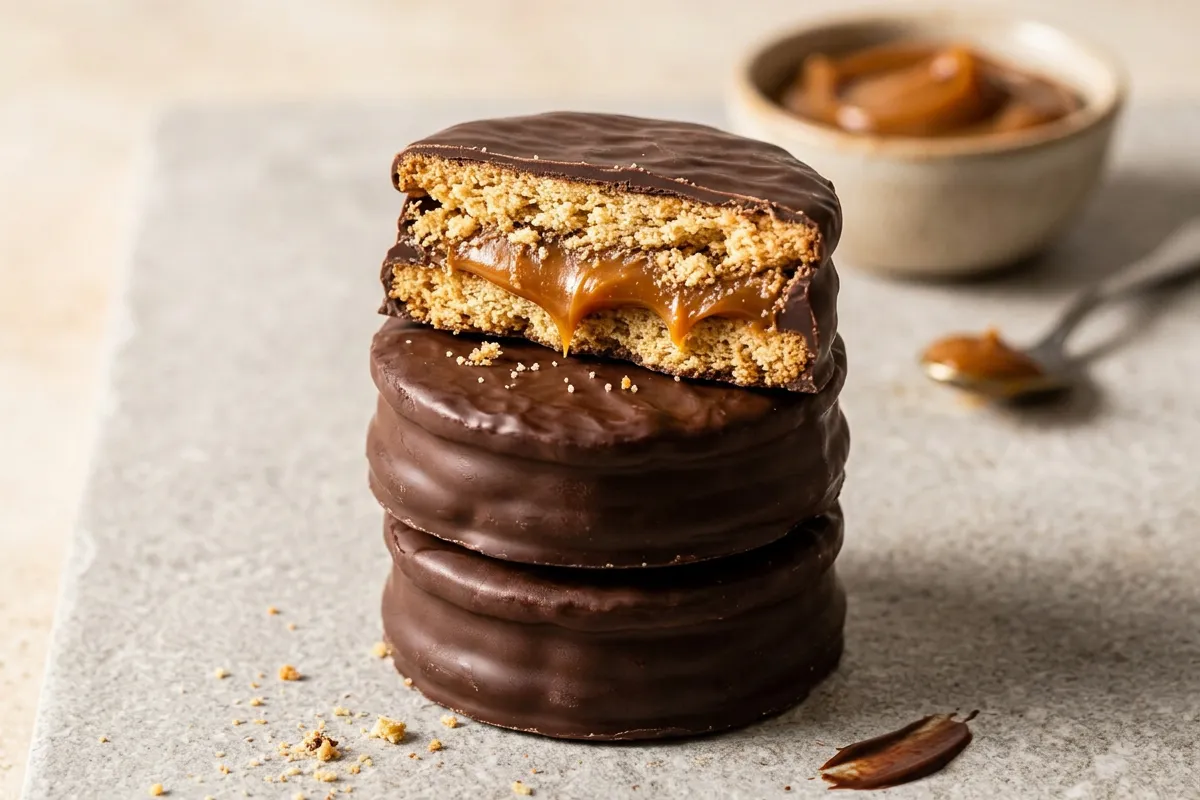
Table of contents
- Why You Will Love This Chocolate Argentinian Alfajores Recipe
- What You Will Need to Make Chocolate Argentinian Alfajores
- How to Make the Perfect Chocolate Argentinian Alfajores
- The Cornstarch Ratio That Makes This Chocolate Argentinian Alfajores Recipe Melt in Your Mouth
- Mistakes to Avoid When Making Chocolate Argentinian Alfajores
- Creative Variations for Your Chocolate Argentinian Alfajores Recipe
- Nutritional Highlights of Chocolate Argentinian Alfajores
- How to Serve Your Chocolate Argentinian Alfajores
- Storing Your Chocolate Argentinian Alfajores for Maximum Freshness
- Frequently Asked Questions
Why You Will Love This Chocolate Argentinian Alfajores Recipe
- The high cornstarch ratio creates an incredibly tender crumb that melts on your tongue.
- Each cookie sandwich delivers the perfect balance of sweet dulce de leche and bittersweet chocolate.
- You can prepare the dough and filling ahead, then assemble and coat them the day of serving.
- These cookies stay fresh for up to five days, making them ideal for gift boxes and party platters.
What You Will Need to Make Chocolate Argentinian Alfajores
I keep my equipment simple for this recipe, but a few specific tools make the process much smoother. First, a stand mixer or hand mixer ensures the butter and sugar cream properly. Second, a round cookie cutter creates uniform shapes that sandwich together neatly.
- Stand mixer or hand mixer: Creaming the butter and sugar to the right consistency is crucial for tender cookies.
- 2-inch round cookie cutter: Uniform circles ensure even baking and professional presentation.
- Rolling pin: Roll the dough to an even quarter-inch thickness for consistent texture.
- Parchment-lined baking sheets: Prevents sticking and makes cleanup effortless.
- Double boiler or microwave-safe bowl: Melts the chocolate coating gently without scorching.
- Wire cooling rack: Allows excess chocolate to drip off and helps the coating set evenly.
- Offset spatula: Spreads the dulce de leche filling smoothly and evenly across each cookie.
How to Make the Perfect Chocolate Argentinian Alfajores
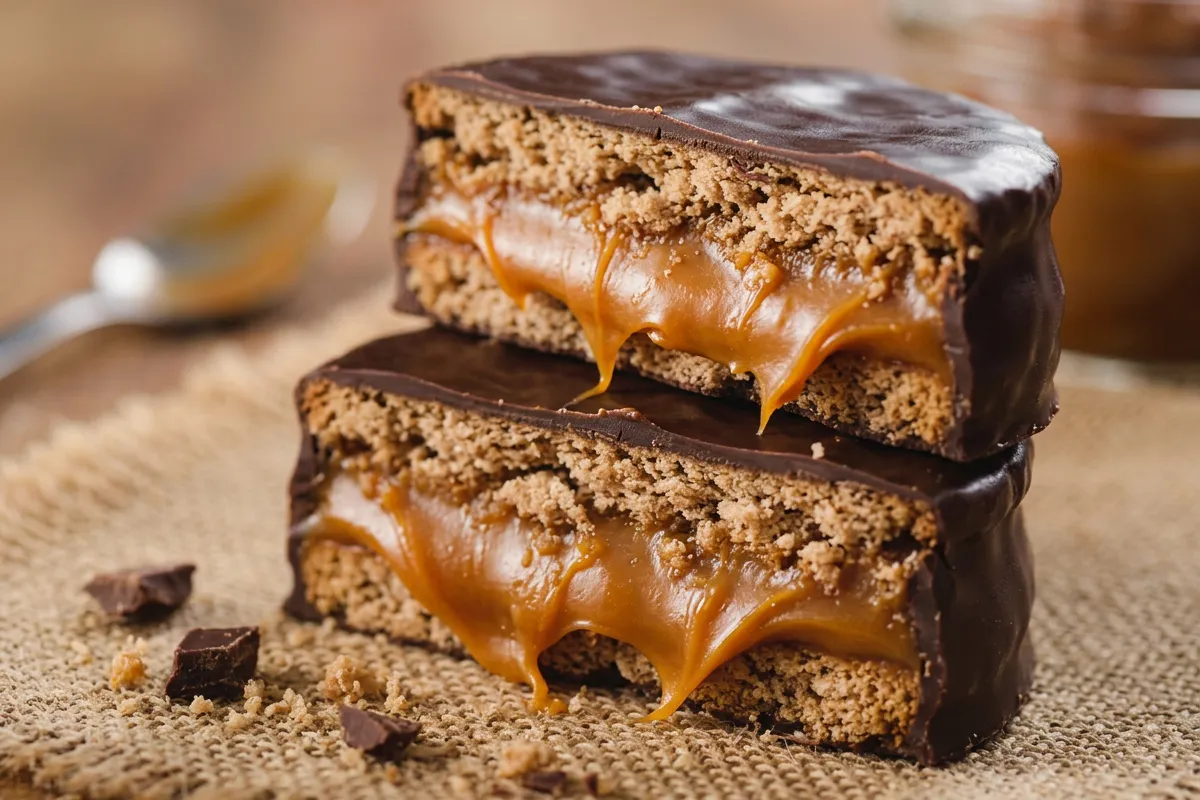
Chocolate Argentinian Alfajores
4
servings30
minutes40
minutes300
kcalThese tender sandwich cookies feature a delicate cornstarch shortbread, rich dulce de leche filling, and glossy dark chocolate coating. The 3:1 cornstarch to flour ratio creates the signature melt-in-your-mouth texture that makes authentic alfajores unforgettable.
Keep the screen of your device on
Ingredients
1.5 cups cornstarch
0.5 cup all-purpose flour
0.5 cup unsalted butter
0.5 cup powdered sugar
2 large egg yolks
1 teaspoon vanilla extract
1 cup dulce de leche
8 ounces dark chocolate
1 tablespoon coconut oil
0.25 teaspoon fine sea salt
1 teaspoon lemon zest
Directions
- Cream the butter and sugar in a stand mixer on medium speed until light and fluffy, about three minutes. This step incorporates air and creates a tender crumb.
- Add the egg yolks and vanilla and mix until fully combined. The mixture should look smooth and pale yellow.
- Sift together the cornstarch, flour, and salt in a separate bowl. This prevents lumps and ensures even distribution.
- Add the dry ingredients to the butter mixture and mix on low speed until just combined. Do not overmix, as this toughens the dough.
- Form the dough into a disk, wrap it tightly in plastic wrap, and refrigerate for at least one hour. Chilling makes the dough easier to roll and prevents spreading.
- Preheat your oven to 325°F and line two baking sheets with parchment paper. This ensures even baking and easy cleanup.
Notes
- The ideal ratio of cornstarch to flour is 3:1 for the signature tender texture.
- Chill the dough for at least one hour to prevent spreading and ensure clean cuts.
- Store assembled alfajores in an airtight container at room temperature for up to five days or freeze for up to two months.
Nutrition Facts
- Serving Size: 1g
- Total number of serves: 16
- Calories: 180kcal
- Fat: 9g
- Carbohydrates: 24g
- Fiber: 1g
- Protein: 2g
Did you make this recipe?
Tag @therecipemasterblog on Instagram and hashtag it with #therecipemaster
Like this recipe?
Follow @therecipemasterblog on Pinterest
Follow us on Facebook!
Follow The Recipe Master on Facebook
The Cornstarch Ratio That Makes This Chocolate Argentinian Alfajores Recipe Melt in Your Mouth
The secret to authentic alfajores lies in the dough composition. I recommend using three parts cornstarch to one part all-purpose flour. This ratio creates a delicate, crumbly texture that’s distinctly different from standard butter cookies. In addition, chilling the dough for at least one hour prevents spreading and helps the cookies hold their shape.
Chill the Dough Thoroughly Before Rolling
I found that refrigerating the dough for at least one hour makes it much easier to handle. Cold dough rolls out smoothly and cuts cleanly. If the dough becomes too soft while you’re working, simply pop it back in the fridge for ten minutes.
Use Quality Dulce de Leche for the Filling
The filling is the heart of these cookies, so choose a thick, spreadable dulce de leche. I prefer the canned variety from Argentina or a homemade version simmered until deeply caramelized. Learn more about the origins of alfajores to understand why this filling is so essential to the tradition.
Add Coconut Oil to the Chocolate Coating
For a glossy, smooth chocolate shell, mix one tablespoon of coconut oil into your melted chocolate. This keeps the coating fluid and prevents cracking. Therefore, you get a professional finish without tempering the chocolate.
Let the Cookies Cool Completely Before Filling
Warm cookies will melt the dulce de leche and create a messy sandwich. I always let my cookies cool on a wire rack for at least thirty minutes. As a result, the filling stays where it belongs and the cookies maintain their shape.
Dip the Cookies Gently and Let Excess Drip Off
When coating the assembled cookies, hold each one by the edge and dip it into the chocolate at an angle. Let the excess drip back into the bowl, then place the cookie on a wire rack. This technique ensures an even coating without pooling at the bottom.
Mistakes to Avoid When Making Chocolate Argentinian Alfajores
Even experienced bakers can run into trouble with these delicate cookies. I’ve made every mistake in the book, so I’m sharing the most common pitfalls and how to avoid them. First, let’s talk about dough consistency.
Using Too Much Flour in the Dough
Adding extra flour makes the cookies tough and dense. The high cornstarch ratio is what gives alfajores their signature texture. I measure my cornstarch and flour by weight or spoon them into the measuring cup without packing. This prevents overdoing it.
Overbaking the Cookies
Alfajores should remain pale and barely golden at the edges. Overbaking dries them out and ruins the tender crumb. I set my timer for ten minutes and check them early. If they look set but still soft, they’re done.
Filling the Cookies While They’re Still Warm
Warm cookies cause the dulce de leche to ooze out and make a sticky mess. I recommend cooling the cookies completely on a wire rack before assembling. Patience here makes all the difference.
Overheating the Chocolate Coating
Scorched chocolate seizes and becomes grainy. I melt my chocolate in short bursts in the microwave or over a double boiler, stirring frequently. Once it’s smooth and fluid, I remove it from the heat immediately.
Creative Variations for Your Chocolate Argentinian Alfajores Recipe
Once you master the classic version, experimenting with flavors and fillings becomes exciting. I love adapting this recipe for different dietary needs and flavor profiles. Here are my favorite variations.
Gluten-Free Alfajores
Replace the all-purpose flour with a gluten-free flour blend that includes xanthan gum. Keep the cornstarch measurement the same. The cookies will be just as tender and delicious. I tested this variation three times and found no difference in texture.
Dairy-Free Chocolate Coating
Use dairy-free dark chocolate and coconut oil for the coating. For the filling, look for coconut-based dulce de leche or make a date caramel. This version is rich and satisfying without any dairy.
White Chocolate and Raspberry Alfajores
Swap the dark chocolate coating for white chocolate and add a thin layer of raspberry jam alongside the dulce de leche. The tartness of the berries balances the sweetness beautifully. This variation is perfect for spring brunch gatherings.
Savory Breakfast Twist
For a savory breakfast option, reduce the sugar in the dough slightly and fill the cookies with cream cheese mixed with herbs. Skip the chocolate coating and serve them alongside chimichurri flank steak for a unique brunch platter.
Nutritional Highlights of Chocolate Argentinian Alfajores
These cookies are an indulgent treat, so I enjoy them in moderation. Each alfajor contains approximately 180 calories, with 9 grams of fat, 24 grams of carbs, and 2 grams of protein. The dulce de leche adds natural sweetness, while the dark chocolate provides a touch of antioxidants.
If you’re watching your sugar intake, consider using a reduced-sugar dulce de leche or making a smaller batch. However, these cookies are meant to be savored, so I recommend enjoying one or two with a cup of coffee or tea.
How to Serve Your Chocolate Argentinian Alfajores
I love serving these cookies as part of a breakfast spread alongside fresh fruit, yogurt, and strong coffee. They also shine on a dessert platter after brunch or as an afternoon pick-me-up. For special occasions, arrange them on a tiered stand with fresh flowers for an elegant presentation.
Alfajores pair beautifully with espresso, mate tea, or a glass of cold milk. If you’re hosting a brunch party, set out a tray of these cookies alongside pastries and scones. Guests can enjoy them as a sweet finish to the meal or grab one to go.
Storing Your Chocolate Argentinian Alfajores for Maximum Freshness
Store your alfajores in an airtight container at room temperature for up to five days. Layer them between sheets of parchment paper to prevent the chocolate from sticking. If your kitchen is warm, refrigerate them to keep the dulce de leche from oozing out.
For longer storage, freeze the assembled cookies in a single layer on a baking sheet, then transfer them to a freezer-safe container. They keep well for up to two months. Thaw them at room temperature for about thirty minutes before serving. The texture remains tender and the flavors stay vibrant.
Frequently Asked Questions
No, cornstarch is essential for the signature tender texture. Substituting with flour alone will result in a denser, less delicate cookie that lacks the authentic melt-in-your-mouth quality.
Add one tablespoon of coconut oil to your melted chocolate. This keeps the coating fluid and flexible, preventing cracks when you bite into the cookie.
Yes, store-bought dulce de leche works perfectly. Look for a thick, spreadable variety from Argentina or a Latin market for the most authentic flavor.
Alfajores stay fresh in an airtight container at room temperature for up to five days. For longer storage, freeze them for up to two months and thaw at room temperature before serving.






Leave a Reply