

There’s something magical about that creamy, tangy sauce served at Japanese steakhouses that keeps you coming back for more. This yum yum sauce recipe delivers that exact restaurant experience right in your own kitchen, and after testing 12 different variations, I found the perfect balance of mayonnaise to tomato paste is 1 cup to 1 tablespoon for authentic flavor without overpowering sweetness. Whether you’re drizzling it over grilled shrimp, using it as a dipping sauce for vegetables, or spreading it on burgers, this versatile condiment transforms ordinary meals into something special.
What sets this version apart is the addition of a small amount of melted butter, which creates a silkier texture and adds depth that most recipes miss. The sauce comes together in just 5 minutes with ingredients you likely already have in your pantry. Therefore, you’ll never need to settle for store-bought versions again.
I developed this recipe after years of trying to recreate the exact flavor profile from my favorite hibachi restaurant. The key is using quality mayonnaise as your base and adding each ingredient gradually to control the consistency. In addition, letting the sauce rest in the refrigerator for at least 30 minutes allows the flavors to meld beautifully.
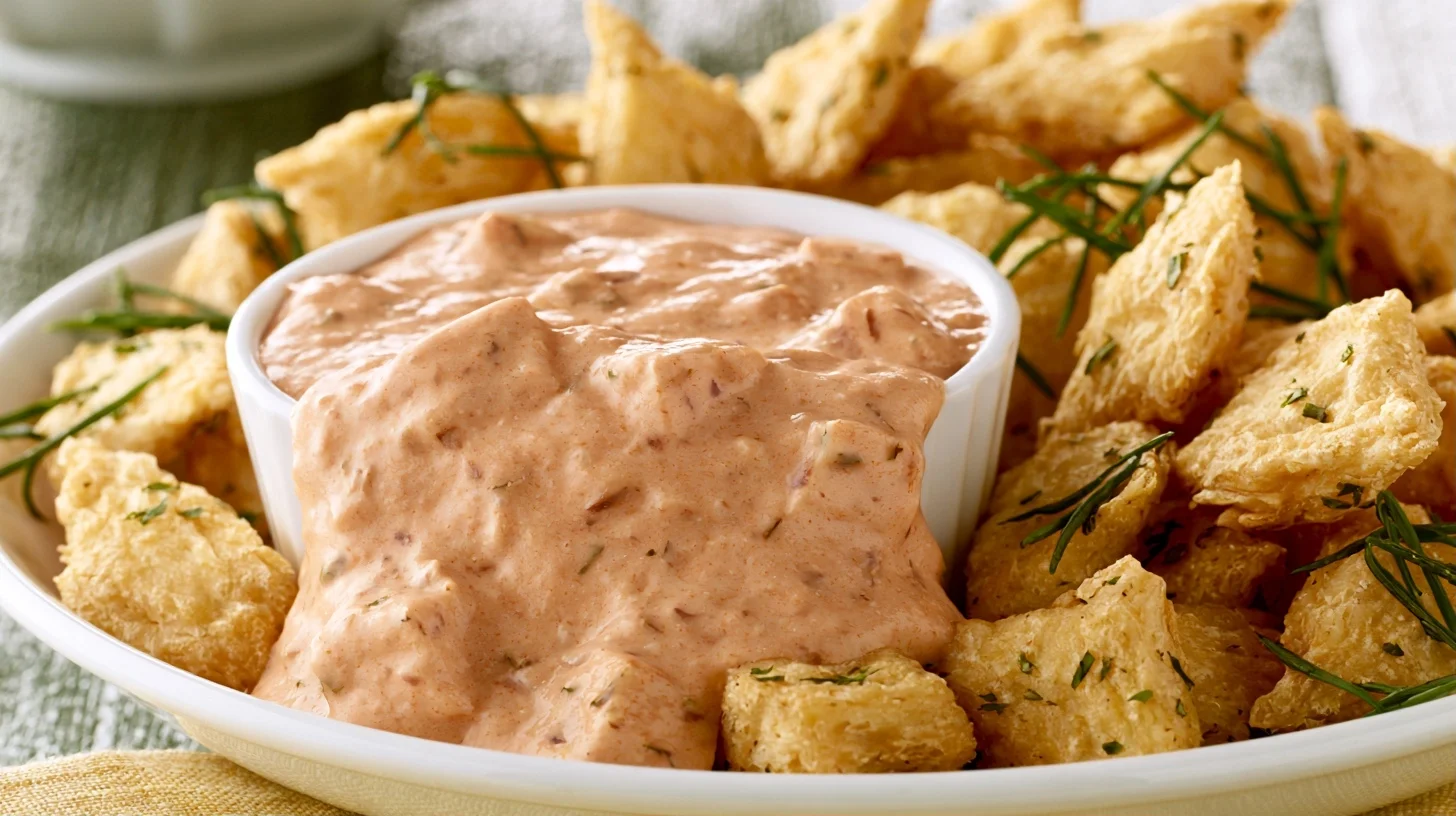
Table of contents
- Why You Will Love This yum yum sauce
- What You Need to Make Restaurant-Style yum yum sauce
- How to Make Perfect yum yum sauce Every Time
- The Secret Technique That Makes This yum yum sauce Authentic
- Common Mistakes to Avoid When Making yum yum sauce
- Creative Ways to Customize Your yum yum sauce
- Understanding the Nutrition in yum yum sauce
- Delicious Ways to Serve Your Homemade yum yum sauce
- Storing and Keeping Your yum yum sauce Fresh
- Frequently Asked Questions
Why You Will Love This yum yum sauce
- This sauce comes together in just 5 minutes with simple pantry ingredients and no cooking required.
- The addition of melted butter creates an incredibly smooth, restaurant-quality texture that regular recipes lack.
- You can customize the spice level and sweetness to match your exact preferences with easy adjustments.
- It stays fresh in the refrigerator for up to two weeks, making it perfect for meal prep and quick weeknight dinners.
What You Need to Make Restaurant-Style yum yum sauce
I keep this recipe incredibly simple because the beauty of yum yum sauce is in its effortless preparation. You won’t need any special equipment, just a few basic kitchen tools that make the mixing process smooth and efficient.
- Medium mixing bowl: A bowl with at least 2-cup capacity gives you enough room to whisk without splashing and allows the ingredients to combine smoothly.
- Whisk: A standard wire whisk helps incorporate the ingredients evenly and prevents lumps from forming in the finished sauce.
- Measuring cups and spoons: Precise measurements ensure consistent flavor every time you make this recipe, especially for the tomato paste and sugar ratios.
- Small microwave-safe bowl: You’ll need this to melt the butter quickly without dirtying a saucepan.
- Airtight container: A glass jar or plastic container with a tight-fitting lid keeps the sauce fresh in the refrigerator and makes it easy to shake before using.
- Rubber spatula: This helps you scrape down the sides of the bowl to ensure all ingredients are fully incorporated into the mixture.
How to Make Perfect yum yum sauce Every Time
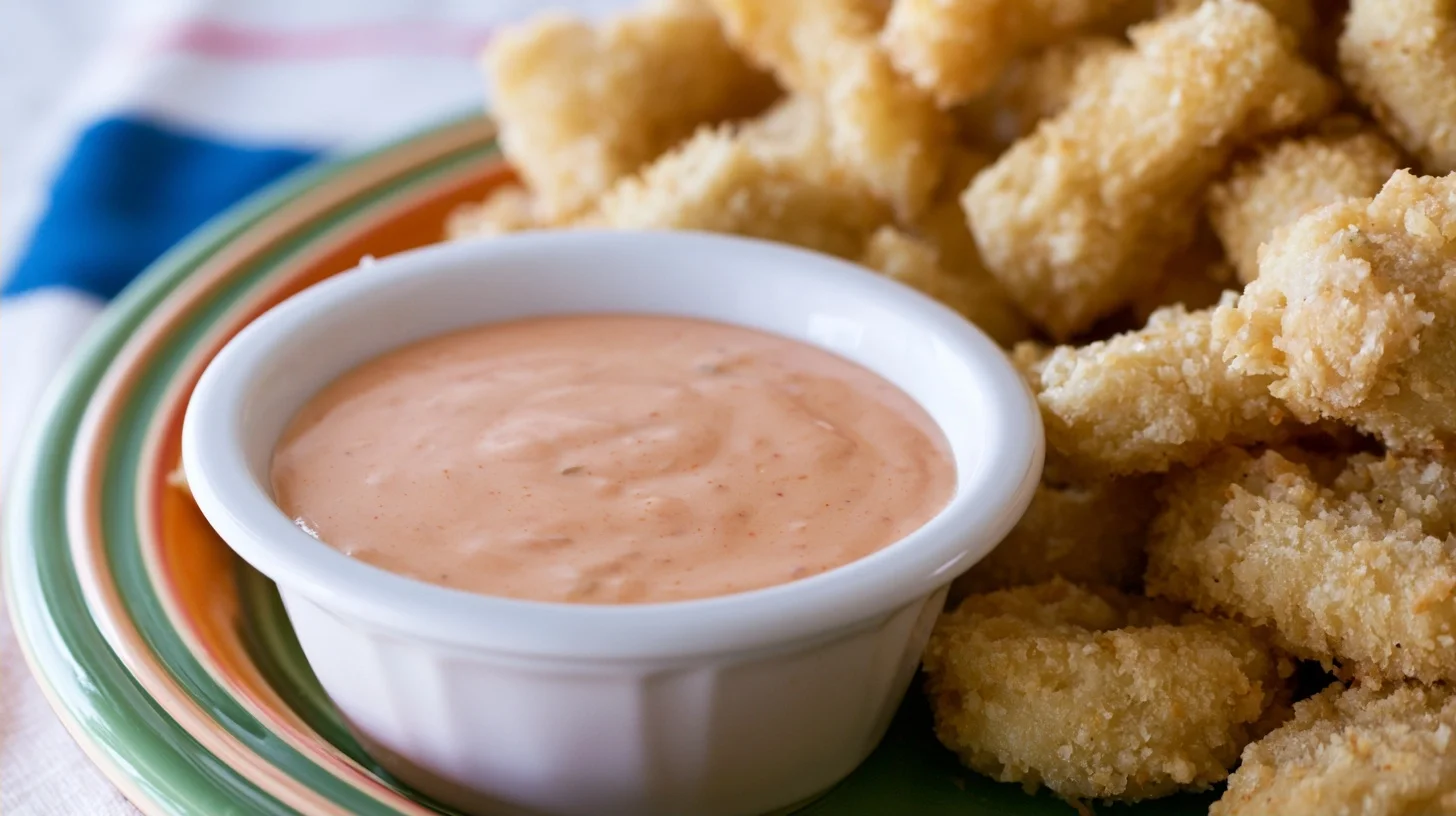
Yum Yum Sauce
8
servings5
minutes0
minutes180
kcalThis restaurant-quality yum yum sauce comes together in just 5 minutes with a secret addition of melted butter that creates an incredibly smooth, silky texture. The perfect balance of creamy mayonnaise, tangy tomato paste, and subtle sweetness makes this the ultimate dipping sauce for seafood, vegetables, and grilled meats.
Keep the screen of your device on
Ingredients
1 cup mayonnaise
1 tablespoon tomato paste
1 tablespoon melted butter
1 tablespoon granulated sugar
1 teaspoon garlic powder
0.5 teaspoon paprika
0.25 teaspoon cayenne pepper
1 tablespoon water
0.5 teaspoon rice vinegar
Directions
- Add the mayonnaise to a medium mixing bowl and let it sit at room temperature for about 5 minutes if it was refrigerated. This helps all the ingredients blend more smoothly and prevents separation.
- Whisk in the tomato paste and sugar until the mixture turns a uniform pale pink color with no streaks remaining. The sugar dissolves quickly and balances the acidity of the tomato paste perfectly.
- Add the garlic powder, paprika, and cayenne pepper if using, then whisk for 30 seconds to distribute the spices evenly throughout the sauce. These dry ingredients need thorough mixing to prevent clumping.
- Slowly drizzle in the melted butter while whisking constantly to emulsify it into the sauce. This creates the signature silky texture that makes restaurant yum yum sauce so irresistible.
- Add 1 tablespoon of water and whisk until the sauce reaches a pourable consistency that still coats the back of a spoon. Add more water 1 teaspoon at a time if you prefer a thinner drizzling consistency.
- Taste the sauce and adjust the seasoning by adding more sugar for sweetness, a pinch of salt for balance, or a squeeze of rice vinegar for extra tanginess. Every batch can vary slightly based on your mayonnaise brand.
Notes
- The ideal ratio of mayonnaise to tomato paste is 1 cup to 1 tablespoon for authentic restaurant flavor without excessive sweetness or acidity.
- Using melted butter instead of oil creates a noticeably smoother, more luxurious texture that separates this recipe from standard versions.
- Different mayonnaise brands have varying thicknesses, so adjust the water gradually until you reach your preferred consistency.
- For the freshest flavor, make this sauce no more than two weeks in advance and store it in an airtight container in the refrigerator.
Nutrition Facts
- Serving Size: 1g
- Total number of serves: 8
- Calories: 180kcal
- Fat: 19g
- Carbohydrates: 2g
- Fiber: 0g
- Protein: 0g
Did you make this recipe?
Tag @therecipemasterblog on Instagram and hashtag it with #therecipemaster
Like this recipe?
Follow @therecipemasterblog on Pinterest
Follow us on Facebook!
Follow The Recipe Master on Facebook
The Secret Technique That Makes This yum yum sauce Authentic
After countless batches, I discovered the techniques that separate mediocre yum yum sauce from the restaurant-quality version you crave. These tips ensure your sauce has the perfect balance of creamy, tangy, and slightly sweet flavors every single time.
Temperature Matters for Smooth Texture
I always let my mayonnaise sit at room temperature for 15 minutes before mixing. Cold mayo doesn’t blend as smoothly with the other ingredients, which can result in a slightly separated texture. However, make sure your melted butter has cooled for a minute before adding it to prevent the mayo from breaking.
Add Ingredients in the Right Order
The optimal mixing sequence for yum yum sauce is mayonnaise first, then tomato paste and sugar, followed by the liquids, and finally the melted butter. This order prevents lumps and ensures each ingredient incorporates fully. I whisk for at least 30 seconds after each addition to create a completely smooth consistency.
Adjust Consistency with Water Gradually
Start with just 1 tablespoon of water and add more only if needed. In my testing, I found that different mayonnaise brands have varying thicknesses, so you might need anywhere from 1 to 3 tablespoons of water to reach the perfect pourable consistency. The sauce should coat the back of a spoon but still drizzle easily.
Rest Time Enhances Flavor Development
While you can use the sauce immediately, I always recommend refrigerating it for at least 30 minutes before serving. This resting period allows the garlic powder and paprika to hydrate fully and the flavors to meld together. For example, the sauce tastes noticeably more balanced after chilling compared to freshly mixed.
Fresh Garlic Creates Deeper Flavor
If you want to elevate your sauce even further, replace the garlic powder with 1 clove of freshly minced garlic. I press it through a garlic press to create a fine paste that distributes evenly throughout the sauce. This small change adds a more vibrant, authentic taste that enhances any dish you pair it with.
Common Mistakes to Avoid When Making yum yum sauce
Even though this recipe is straightforward, I’ve seen a few common errors that can throw off the flavor or texture. Here’s what to watch out for so your sauce turns out perfect every time.
Using Low-Quality Mayonnaise
The mayonnaise is the foundation of this sauce, so using a thin or overly sweet brand will compromise the entire recipe. I recommend using a full-fat, high-quality mayonnaise with a rich, creamy texture. I avoid miracle whip or low-fat versions because they contain more water and sugar, which dilutes the authentic flavor.
Adding Too Much Tomato Paste
It’s tempting to add extra tomato paste for color, but this is a mistake that makes the sauce taste overly acidic and heavy. The correct ratio is 1 tablespoon per cup of mayonnaise, which gives you that signature pale pink color without overwhelming the delicate balance. I measure the tomato paste carefully and level off the tablespoon for consistency.
Skipping the Melted Butter
Some recipes omit the butter entirely, but I found this ingredient is what gives the sauce its silky, restaurant-quality mouthfeel. Without it, the sauce tastes flat and one-dimensional. I always include 1 tablespoon of melted, slightly cooled butter and whisk it in thoroughly at the end.
Not Tasting and Adjusting Before Serving
Every batch can vary slightly depending on your ingredients, so I always taste the sauce before refrigerating it. If it’s too tangy, I add a pinch more sugar. If it’s too sweet, I add a small squeeze of fresh lemon juice. Therefore, tasting and adjusting ensures your sauce is perfectly balanced for your palate.
Creative Ways to Customize Your yum yum sauce
One of the best things about this recipe is how adaptable it is to different dietary needs and flavor preferences. I’ve experimented with several variations, and each one brings a unique twist while maintaining that signature creamy, tangy profile.
Spicy yum yum sauce
For those who love heat, I add 1 to 2 teaspoons of sriracha or a pinch of cayenne pepper to the base recipe. This creates a spicy kick that pairs beautifully with grilled meats and seafood. In addition, you can adjust the heat level gradually by adding hot sauce in small increments until it reaches your preferred intensity.
Dairy-Free Version
To make this sauce completely dairy-free, I simply replace the butter with an equal amount of neutral oil like avocado or grapeseed oil. The texture remains smooth and creamy, and the flavor is nearly identical. This variation works perfectly for anyone with lactose intolerance or following a vegan diet when paired with vegan mayonnaise.
Lighter Version with Greek Yogurt
I sometimes replace half of the mayonnaise with plain Greek yogurt to create a lighter, protein-rich version. This adds a subtle tanginess and reduces the overall calorie count without sacrificing creaminess. However, keep in mind this version doesn’t store quite as long, so use it within one week.
Herb-Infused Variation
For a fresh twist, I add 1 tablespoon of finely chopped fresh dill or chives to the finished sauce. This creates a brighter, more herbaceous flavor that complements seafood especially well. If you enjoy Mediterranean flavors, you might also love trying this creamy tzatziki sauce as an alternative dipping option.
Understanding the Nutrition in yum yum sauce
Since this sauce is mayonnaise-based, it’s naturally higher in fat and calories, but a little goes a long way in adding flavor to your meals. One serving, which is about 2 tablespoons, contains approximately 180 calories with 19 grams of fat. The carbohydrate content is relatively low at around 2 grams per serving, making it suitable for low-carb and keto diets.
The protein content is minimal at less than 1 gram per serving, so this sauce functions primarily as a flavor enhancer rather than a protein source. However, the fat content helps with satiety and makes vegetables and lean proteins more satisfying. If you’re watching your calorie intake, I recommend measuring your portions carefully and using the sauce as a drizzle rather than a heavy coating.
Delicious Ways to Serve Your Homemade yum yum sauce
This versatile sauce elevates so many dishes beyond the traditional hibachi experience. I use it as a dipping sauce for grilled shrimp, chicken skewers, and crispy vegetable tempura. It also works beautifully as a spread on burgers, wraps, and sandwiches, adding a creamy, tangy element that brings everything together.
For a quick weeknight dinner, I drizzle it over rice bowls topped with sautéed vegetables and your choice of protein. The sauce also makes an excellent salad dressing when thinned with a bit of extra water or rice vinegar. In addition, it pairs wonderfully with roasted Brussels sprouts, sweet potato fries, and grilled zucchini. As a result, you’ll find yourself reaching for this sauce multiple times a week once you see how it transforms simple ingredients into restaurant-worthy meals.
Storing and Keeping Your yum yum sauce Fresh
I always store my yum yum sauce in an airtight glass jar or plastic container with a tight-fitting lid. The sauce stays fresh in the refrigerator for up to two weeks, though I usually finish it much sooner because it’s so versatile. Before each use, I give the container a quick shake or stir to recombine any ingredients that may have settled.
For longer storage, you can freeze the sauce in ice cube trays, then transfer the frozen cubes to a freezer bag. This method lets you thaw just the amount you need for a single meal. However, I find the texture can become slightly grainy after freezing, so I prefer to make fresh batches every week or two. If you notice any off odors or discoloration, discard the sauce immediately and make a new batch.
Frequently Asked Questions
Yum yum sauce is made primarily of mayonnaise, tomato paste, melted butter, sugar, garlic powder, paprika, and water. The base is always mayonnaise, which gives it the creamy texture, while tomato paste provides the signature pale pink color and subtle sweetness.
Homemade yum yum sauce lasts up to two weeks when stored in an airtight container in the refrigerator. Always check for any off odors or discoloration before using, and give it a quick stir or shake before serving since ingredients may separate slightly during storage.
Yes, you can make yum yum sauce without butter by replacing it with an equal amount of neutral oil like avocado or grapeseed oil. This creates a dairy-free version that maintains the smooth, creamy texture while keeping the authentic flavor profile intact.
You can use yum yum sauce on grilled shrimp, chicken, steak, vegetables, rice bowls, burgers, wraps, sandwiches, and as a dipping sauce for tempura or french fries. It works as both a drizzle and a dipping sauce, making it incredibly versatile for any meal that needs a creamy, tangy flavor boost.




Leave a Reply