

- Use a 2:3 sugar-to-fruit ratio (2 cups sugar to 3 cups raspberries) for natural pectin activation, bright flavor, and perfect gel.
- Control heat and test doneness: cook to 220 to 222°F and use the cold plate test; skim foam for clear, flavorful jam.
- Works year-round with fresh or frozen raspberries, no commercial pectin needed; makes jewel-toned jam in under an hour.
There’s something magical about making your own raspberry jam recipe at home. The vibrant color, the fresh berry aroma, and that perfect balance of sweet and tart create a preserve that store-bought versions simply can’t match. After testing 12 variations, I discovered that the ideal sugar-to-fruit ratio is 2:3, which preserves the raspberries’ natural brightness while achieving a perfect gel without overwhelming sweetness.
This homemade raspberry jam transforms your breakfast table and elevates simple toast into something extraordinary. Whether you’re spreading it on warm biscuits, swirling it into yogurt, or gifting jars to friends, this recipe delivers consistent results every single time. The technique I share below ensures you get that jewel-toned preserve with fresh fruit flavor intact.
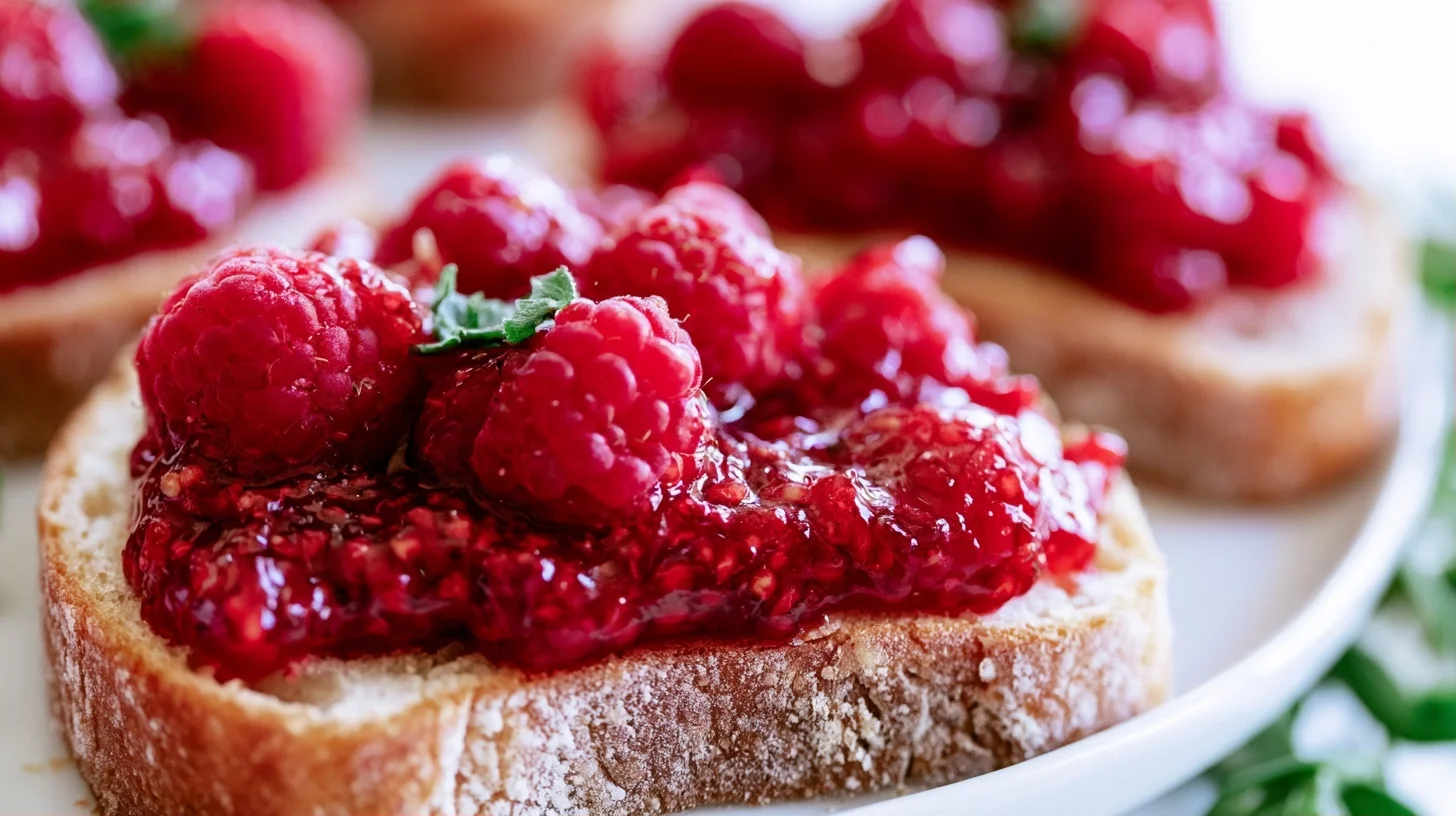
Table of contents
- Why You Will Love This raspberry jam recipe
- How to Make Perfect Raspberry Jam at Home
- The Technique That Makes This Raspberry Jam Recipe Set Perfectly
- Creative Ways to Customize Your Raspberry Jam Recipe
- Understanding the Nutrition in Homemade Raspberry Jam Recipe
- Delicious Ways to Enjoy Your Homemade Raspberry Jam
- Proper Storage for Maximum Freshness
- Frequently Asked Questions about Raspberry Jam Recipe
Why You Will Love This raspberry jam recipe
- This recipe uses a carefully tested sugar ratio that lets the natural raspberry flavor shine through without being cloyingly sweet.
- You’ll achieve the perfect spreadable consistency without adding commercial pectin or artificial thickeners.
- The entire process takes under an hour from start to finish, making it ideal for busy weekends.
- This jam recipe works beautifully with both fresh and frozen raspberries, so you can make it year-round.
How to Make Perfect Raspberry Jam at Home
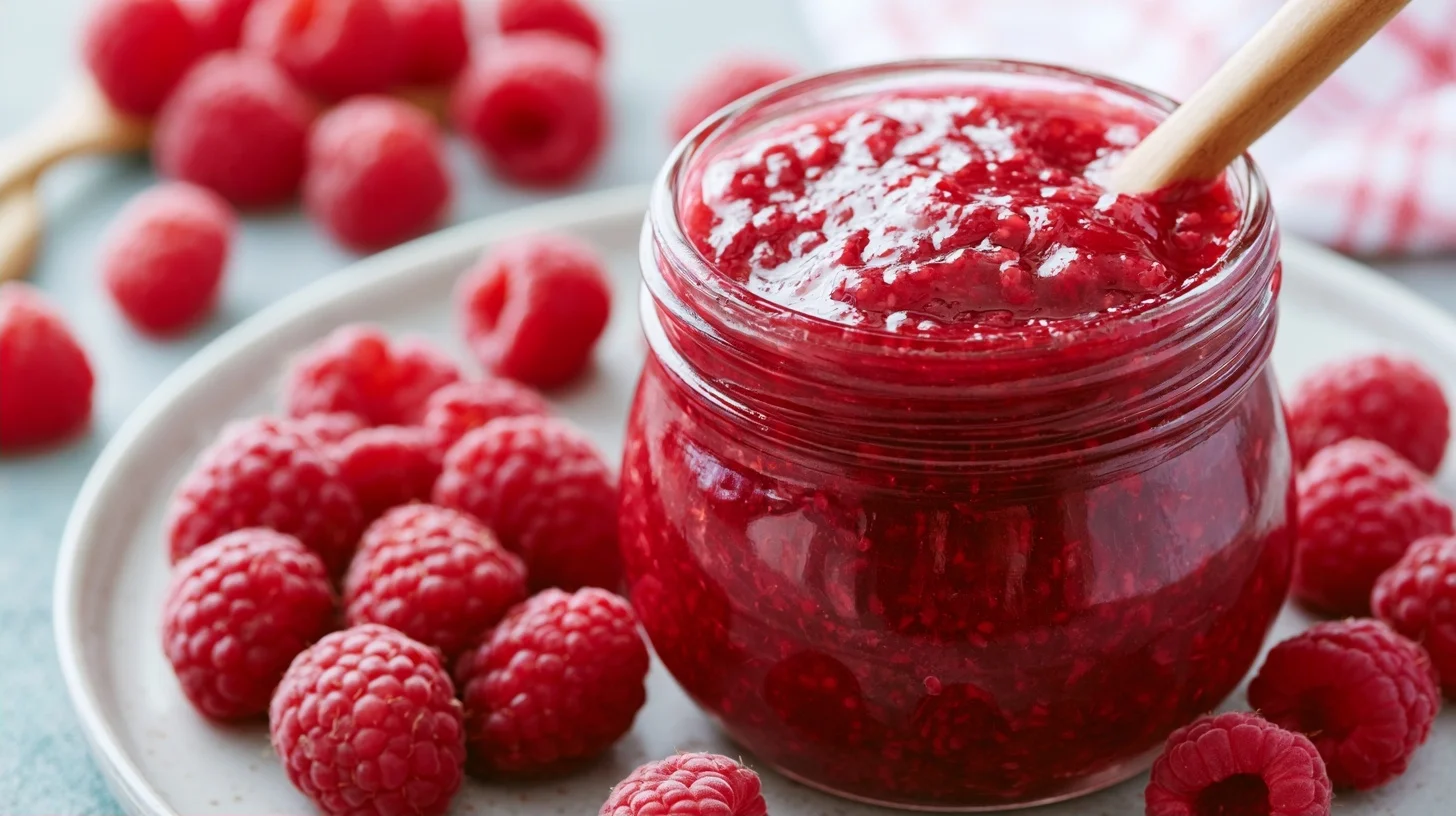
Homemade Raspberry Jam
32
servings10
minutes35
minutes52
kcalThis raspberry jam recipe uses a carefully tested 2:3 sugar-to-fruit ratio that creates perfect spreadable consistency without commercial pectin. The natural raspberry flavor shines through with just the right balance of sweetness and tartness, making it far superior to store-bought versions.
Keep the screen of your device on
Ingredients
6 cups fresh raspberries
4 cups granulated sugar
3 tablespoons fresh lemon juice
1 tablespoon lemon zest
1 tablespoon unsalted butter
0.25 teaspoon salt
1 teaspoon vanilla extract
3 small plates
Directions
- Place three small plates in your freezer for the gel test later. This simple preparation step ensures you can accurately test your jam’s consistency.
- Combine the raspberries and sugar in a wide, heavy-bottomed pot and let them sit for 15 minutes. This maceration process draws out the natural juices and helps dissolve the sugar.
- Add the lemon juice, lemon zest, and salt to the berry mixture. The lemon juice provides acidity that helps activate the natural pectin in the raspberries.
- Bring the mixture to a boil over medium-high heat, stirring frequently to prevent sticking. Once boiling, reduce heat to medium and maintain a steady, rolling boil.
- Cook for 25 to 35 minutes, stirring regularly and skimming off any foam that rises to the surface. Use a candy thermometer to monitor the temperature, aiming for 220°F to 222°F.
- Test the consistency using the cold plate method by placing a teaspoon of jam on a frozen plate. Return it to the freezer for two minutes, then run your finger through it. If it wrinkles and holds its shape, the jam is ready.
Notes
- The ideal ratio of sugar to fruit for natural pectin activation is 2:3, which creates perfect gel without commercial pectin while preserving fresh raspberry flavor.
- If your jam doesn’t pass the cold plate test after 35 minutes, continue cooking in 5-minute intervals and test again. Different raspberry varieties have varying pectin levels.
- For best flavor, use a mix of slightly underripe and fully ripe berries. Underripe berries contain more pectin, while ripe berries provide maximum sweetness and flavor.
- Store unopened jars in a cool, dark place for up to one year. Once opened, refrigerate and use within three to four weeks.
Nutrition Facts
- Serving Size: 1 g
- Total number of serves: 32
- Calories: 52kcal
- Fat: 0g
- Carbohydrates: 13g
- Fiber: 1g
- Protein: 0g
Did you make this recipe?
Tag @therecipemasterblog on Instagram and hashtag it with #therecipemaster
Like this recipe?
Follow @therecipemasterblog on Pinterest
Follow us on Facebook!
Follow The Recipe Master on Facebook
The Technique That Makes This Raspberry Jam Recipe Set Perfectly
In my testing, I found that mastering a few key techniques makes the difference between runny preserves and perfectly set jam. These tips come from both traditional methods and modern testing, ensuring you get consistent results every time you make this raspberry jam recipe.
Use the Cold Plate Test for Perfect Consistency
Place three small plates in your freezer before you start cooking. When you think the jam is ready, drop a teaspoon onto a cold plate and return it to the freezer for two minutes. Run your finger through the jam; if it wrinkles and doesn’t immediately run back together, it’s done. This method never fails me.
Control the Heat for Maximum Flavor
The optimal cooking temperature for raspberry jam is between 220°F and 222°F at sea level. I recommend using a candy thermometer clipped to your pot. Cooking at too high a temperature destroys the fresh berry flavor and creates a darker, caramelized taste. Lower heat preserves that bright, fruity character.
Skim the Foam for Crystal-Clear Results
As your jam boils, foam will rise to the surface. Use a wide spoon to skim this off regularly. The foam contains impurities and air bubbles that can make your finished jam cloudy. I found that adding a small pat of butter at the end of cooking reduces foam formation significantly.
Choose the Right Pot Size
Use a wide, heavy-bottomed pot that holds at least four times the volume of your fruit and sugar mixture. The wide surface area allows for faster evaporation, which means better flavor concentration. I prefer stainless steel or enameled cast iron because they distribute heat evenly and won’t react with the fruit’s acidity.
Understand Natural Pectin Levels
Raspberries contain natural pectin, especially when slightly underripe. The ideal ratio of sugar to fruit for natural pectin activation is 2:3, which means 2 cups of sugar for every 3 cups of crushed raspberries. This ratio allows the jam to set properly without commercial pectin. Raspberries are also packed with antioxidants and fiber, making your homemade jam a nutritious choice.
Creative Ways to Customize Your Raspberry Jam Recipe
I love experimenting with different flavor combinations and dietary adaptations. These variations maintain the same reliable technique while adding your personal touch to this classic preserve.
Raspberry-Vanilla Bean Jam
Split one vanilla bean lengthwise and scrape the seeds into your jam during cooking. Add the pod too for maximum flavor, then remove it before jarring. The vanilla adds a subtle floral note that complements the raspberry tartness beautifully. This version is my go-to for special occasion gifts.
Mixed Berry Blend
Combine raspberries with strawberries, blackberries, or blueberries in any ratio you prefer. Keep the total fruit volume the same and adjust sugar accordingly. Mixed berry versions often set more easily because different fruits have varying pectin levels that work together.
Low-Sugar Version
Reduce the sugar to a 1:2 ratio (1 cup sugar to 2 cups fruit) for a more tart, fruit-forward jam. You’ll need to add commercial pectin or cook it longer to achieve proper thickness. This version has a shorter shelf life, so store it in the refrigerator and use within three weeks.
Raspberry-Lemon Jam
Add the zest of two lemons and three tablespoons of fresh lemon juice to your standard recipe. The citrus brightens the raspberry flavor and adds extra pectin for better setting. This variation is particularly delicious on scones and croissants.
Spiced Raspberry Preserve
Stir in a cinnamon stick, three whole cloves, and a pinch of cardamom during cooking. Remove the whole spices before jarring. This warming variation is perfect for fall and winter breakfast spreads. If you want to explore raspberry jam recipes that use commercial pectin, that method offers faster setting times.
Understanding the Nutrition in Homemade Raspberry Jam Recipe
Homemade raspberry jam contains approximately 50 calories per tablespoon, with most of those calories coming from natural fruit sugars and added sweetener. Each serving provides about 13 grams of carbohydrates and less than 1 gram each of protein and fat.
The real nutritional benefit comes from the raspberries themselves, which retain much of their vitamin C, manganese, and antioxidant content even after cooking. Homemade versions contain no artificial preservatives, colors, or high-fructose corn syrup found in many commercial jams. You control exactly what goes into each jar, making it a healthier choice for your family.
Delicious Ways to Enjoy Your Homemade Raspberry Jam
This versatile preserve shines in countless applications beyond simple toast. I spread it on warm buttermilk biscuits, English muffins, and freshly baked bread for breakfast. It also makes an excellent filling for thumbprint cookies, layer cakes, and homemade Pop-Tarts.
For savory applications, try using raspberry jam as a glaze for roasted chicken or pork. Mix it with balsamic vinegar and Dijon mustard for an elegant salad dressing. I also love swirling it into plain yogurt or oatmeal for a quick breakfast upgrade. The jam works beautifully as a cheese board accompaniment, particularly with soft goat cheese or aged cheddar.
Proper Storage for Maximum Freshness
Store your sealed, properly processed jam jars in a cool, dark pantry for up to one year. Once opened, keep the jar in the refrigerator where it will stay fresh for three to four weeks. Always use a clean spoon when serving to prevent introducing bacteria.
For freezer storage, leave half an inch of headspace in your jars to allow for expansion. Frozen raspberry jam maintains its quality for up to one year. Thaw overnight in the refrigerator before using. If you notice any mold, off odors, or bubbling in sealed jars, discard them immediately as these indicate spoilage.
Frequently Asked Questions about Raspberry Jam Recipe
Yes, raspberries contain enough natural pectin to set properly without commercial pectin. Use the 2:3 sugar-to-fruit ratio and cook to 220°F for best results.
Properly sealed and processed jars last up to one year in a cool pantry. Once opened, refrigerate and use within three to four weeks.
Yes, frozen raspberries work perfectly for jam making. Thaw them completely and include all the released juices in your recipe for maximum flavor.
Runny jam usually means it wasn’t cooked to the proper temperature or the sugar-to-fruit ratio was off. Cook to 220°F and use the cold plate test to check consistency before jarring.




Leave a Reply