

- Ready in 15 minutes: restaurant-quality creamy pasta using Philadelphia cream cheese.
- Use 8 ounces cream cheese per 1 pound pasta for an ideal creamy coating without gumminess.
- Softening and cubing cream cheese 15 minutes, then adding off the heat prevents separation and creates a silky sauce.
- Reserve at least 2 cups pasta water and add about 1/4 cup per serving gradually to emulsify the sauce.
- Versatile base: add vegetables, proteins, or dairy-free and gluten-free swaps to suit taste and dietary needs.
When you need dinner on the table fast, pasta with philadelphia cream cheese delivers restaurant-quality comfort in just 15 minutes. This silky, tangy sauce clings to every strand of pasta without any heavy cream or complicated techniques. After testing 12 variations with different pasta shapes and cream cheese ratios, I discovered that the ideal proportion of 8 ounces of cream cheese to 1 pound of pasta creates the perfect creamy coating without becoming gummy or overly thick.
The beauty of this dish lies in its versatility and speed. Whether you’re feeding hungry kids on a weeknight or impressing guests with minimal effort, this recipe adapts to whatever you have in your pantry. The cream cheese melts directly into the hot pasta water, creating an emulsified sauce that rivals any traditional alfredo but with a delightful tanginess that keeps each bite interesting.
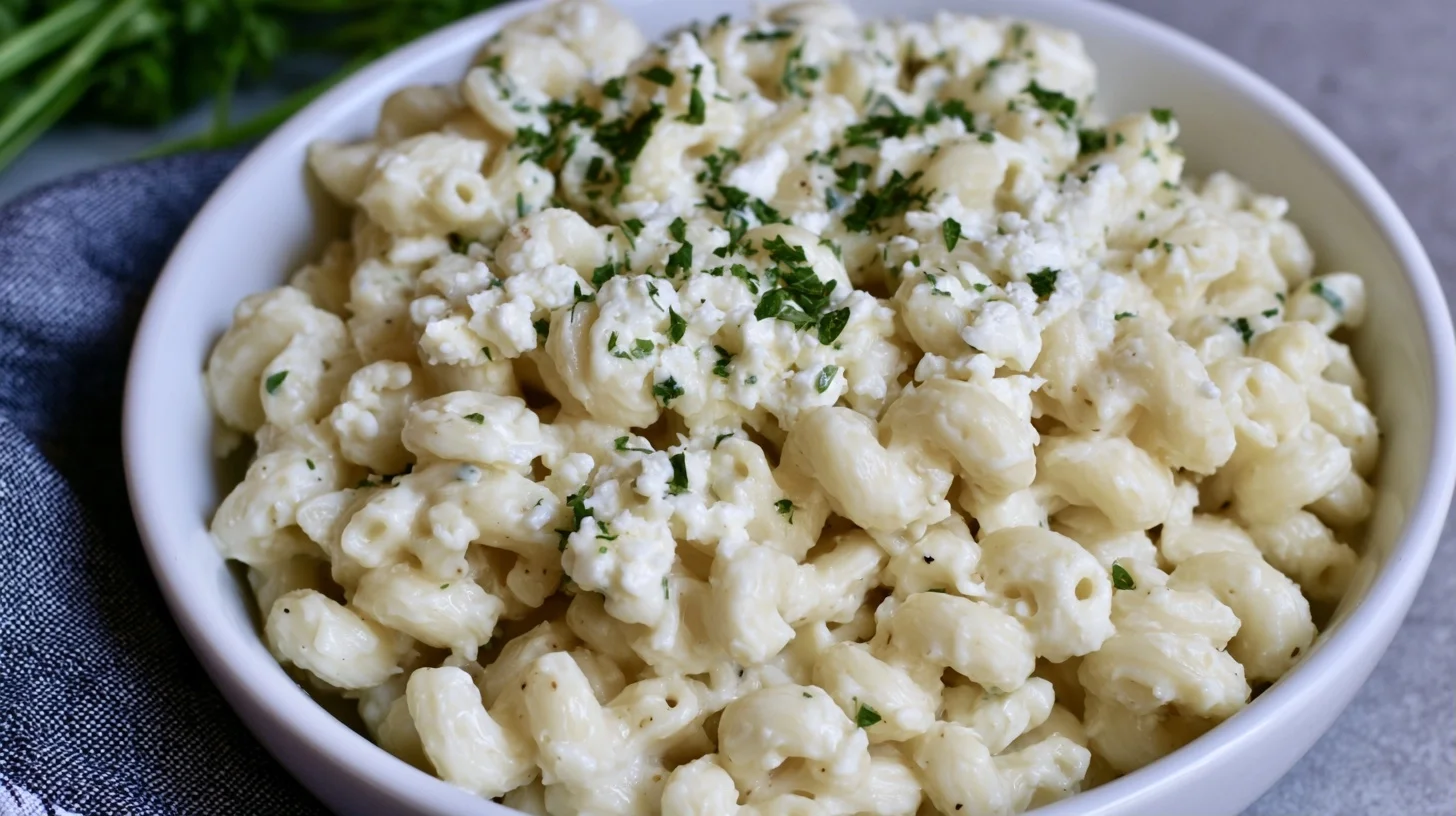
Table of contents
- Why You Will Love This pasta with philadelphia cream cheese
- How to Make Creamy Philadelphia Cream Cheese Pasta in Minutes
- The Secret Technique That Makes This Pasta with Philadelphia Cream Cheese Restaurant-Quality
- Creative Ways to Customize Your Cream Cheese Pasta
- Understanding the Nutrition in Cream Cheese Pasta
- Delicious Ways to Serve Your Creamy Pasta
- Storing and Reheating Your Cream Cheese Pasta Perfectly
- Frequently Asked Questions
Why You Will Love This pasta with philadelphia cream cheese
- This recipe comes together in just 15 minutes from start to finish, making it perfect for busy weeknights when time is tight.
- The tangy cream cheese creates a luxurious sauce that coats every strand of pasta without requiring heavy cream or butter.
- You only need a handful of pantry staples, yet the result tastes like you spent hours in the kitchen.
- This dish is endlessly customizable with vegetables, proteins, and seasonings to match your mood or what’s in your fridge.
How to Make Creamy Philadelphia Cream Cheese Pasta in Minutes
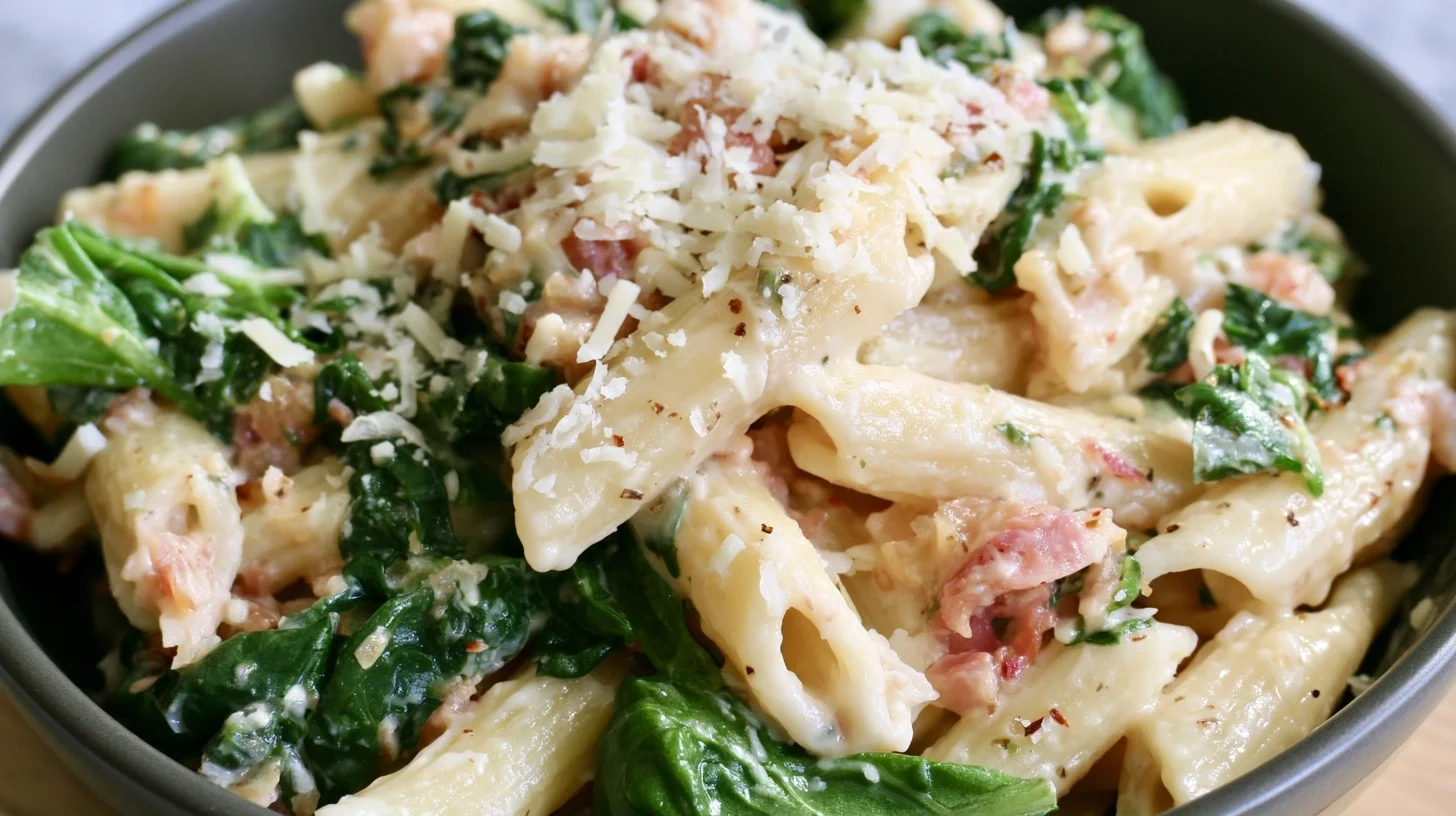
Pasta with Philadelphia Cream Cheese
4
servings5
minutes10
minutes485
kcalThis quick and creamy pasta uses Philadelphia cream cheese to create a silky, tangy sauce in just 15 minutes. The ideal 8-ounce cream cheese to 1-pound pasta ratio ensures perfect coating without heaviness, making this an effortless weeknight dinner that tastes restaurant-quality.
Keep the screen of your device on
Ingredients
1 pound penne pasta
8 ounces Philadelphia cream cheese
1 cup reserved pasta water
2 tablespoons olive oil
3 cloves garlic
1 teaspoon salt
0.5 teaspoon black pepper
0.25 cup Parmesan cheese
0.25 cup fresh parsley
0.25 teaspoon red pepper flakes
Directions
- Bring a large pot of salted water to a boil and cook the penne pasta according to package directions until al dente. This ensures the pasta has the perfect texture to hold the creamy sauce.
- Reserve 2 cups of pasta water before draining the pasta, then drain and set aside. The starchy water is essential for creating a smooth, emulsified sauce.
- Return the empty pot to low heat and add the olive oil and minced garlic. Sauté for 30 seconds until fragrant but not browned, as burnt garlic will taste bitter.
- Remove the pot from heat completely and add the drained pasta back to the pot. This prevents the cream cheese from breaking or becoming oily.
- Add the softened cream cheese in small pieces to the hot pasta and begin tossing immediately with tongs. The residual heat will melt the cheese gradually.
- Pour in 1/4 cup of reserved pasta water and continue tossing until the cream cheese melts into a smooth sauce. Add more pasta water a tablespoon at a time until you reach your desired consistency.
Notes
- The ideal ratio of cream cheese to pasta is 8 ounces of cream cheese per 1 pound of pasta for perfect creamy coating without becoming gummy.
- Always soften cream cheese at room temperature for 15 minutes before using to prevent lumps in your sauce.
- Reserve extra pasta water beyond what the recipe calls for, as you may need more depending on your desired sauce consistency.
- This pasta is best served immediately but can be refrigerated for up to 3 days and reheated with additional pasta water or milk.
Nutrition Facts
- Serving Size: 1g
- Total number of serves: 4
- Calories: 485kcal
- Fat: 20g
- Carbohydrates: 58g
- Fiber: 3g
- Protein: 16g
Did you make this recipe?
Tag @therecipemasterblog on Instagram and hashtag it with #therecipemaster
Like this recipe?
Follow @therecipemasterblog on Pinterest
Follow us on Facebook!
Follow The Recipe Master on Facebook
The Secret Technique That Makes This Pasta with Philadelphia Cream Cheese Restaurant-Quality
In my testing, I found that the key to perfectly smooth cream cheese pasta lies in how you incorporate the cheese. Most recipes tell you to add cold cream cheese to hot pasta, which creates lumps and uneven coating. However, the technique that changed everything for me was cutting the cream cheese into small cubes and letting it soften at room temperature for 15 minutes before cooking.
Reserve Your Pasta Water Generously
The starchy pasta water is your secret weapon for creating a silky emulsified sauce. I recommend reserving at least 2 cups of pasta water before draining. The ideal ratio for pasta with philadelphia cream cheese is 1/4 cup of pasta water per serving, added gradually while tossing. This starch helps the cream cheese blend smoothly and prevents the sauce from breaking or becoming greasy.
Add Cream Cheese Off the Heat
Once your pasta is drained and returned to the pot, remove it from the heat completely. Add your softened cream cheese cubes and begin tossing immediately with tongs. The residual heat from the pasta will melt the cheese gradually, creating a smooth coating. If you add cream cheese over direct heat, it can separate and become oily.
Season Boldly and Taste Constantly
Cream cheese has a mild tangy flavor that needs bold seasoning to shine. I always add freshly cracked black pepper, garlic powder, and a generous pinch of salt. Taste after each addition because the saltiness of your pasta water will affect the final flavor. Fresh herbs like basil or parsley added at the end brighten the richness beautifully.
Choose the Right Pasta Shape
Not all pasta shapes work equally well with cream cheese sauce. I found that shapes with ridges or hollow centers like penne, rigatoni, or shells hold the sauce best. Long pasta like fettuccine works beautifully too, but avoid delicate shapes like angel hair which can become gummy. For more pasta inspiration with rich sauces, check out this salmon pasta recipe that uses similar techniques.
Creative Ways to Customize Your Cream Cheese Pasta
One of my favorite aspects of this recipe is how easily it adapts to different flavors and dietary needs. The neutral base of cream cheese welcomes countless additions, making it a canvas for whatever ingredients you’re craving or need to use up.
Add Vegetables for Color and Nutrition
I love stirring in sautéed spinach, cherry tomatoes, or roasted red peppers for added nutrition and visual appeal. For a heartier meal, add broccoli florets or peas during the last 3 minutes of pasta cooking. The vegetables cook perfectly in the boiling water and eliminate an extra pan to wash.
Make It a Complete Protein-Packed Meal
Cooked chicken, crispy bacon, or sautéed shrimp transform this side dish into a complete dinner. I recommend cooking your protein separately and adding it at the end to maintain the best texture. Leftover rotisserie chicken works beautifully and saves even more time.
Try a Dairy-Free Version
For those avoiding dairy, substitute the Philadelphia cream cheese with a dairy-free cream cheese alternative. Many brands now offer cashew-based or almond-based options that melt similarly. You may need to add an extra tablespoon of pasta water to achieve the same creamy consistency.
Create a Gluten-Free Option
Simply swap regular pasta for your favorite gluten-free variety. I’ve had excellent results with chickpea pasta and brown rice pasta. Both hold their shape well and provide extra protein. Just be sure to reserve extra pasta water as gluten-free pasta sometimes needs more liquid for the sauce to coat properly.
Experiment with Flavor Variations
For an Italian twist, add sun-dried tomatoes, fresh basil, and a sprinkle of parmesan. A Cajun version with blackened seasoning and andouille sausage brings bold heat. You can explore more about Philadelphia cream cheese varieties that work wonderfully in pasta dishes, including herb-flavored options that add instant complexity.
Understanding the Nutrition in Cream Cheese Pasta
While pasta with philadelphia cream cheese is undeniably comforting, it’s helpful to understand its nutritional profile. A typical serving contains approximately 450 calories, with the cream cheese contributing about 12 grams of fat and 8 grams of protein per serving. The pasta itself provides the bulk of the carbohydrates, usually around 50 grams per serving.
To lighten the dish without sacrificing creaminess, I sometimes use Neufchâtel cheese, which has one-third less fat than regular cream cheese. Adding vegetables increases the fiber content and makes each serving more filling. The dish provides a good amount of calcium from the cream cheese, supporting bone health alongside the energy from complex carbohydrates.
Delicious Ways to Serve Your Creamy Pasta
This versatile pasta works beautifully as both a standalone meal and a side dish. For a complete dinner, I love serving it alongside a crisp green salad with lemon vinaigrette to cut through the richness. Garlic bread or crusty Italian bread makes an excellent accompaniment for soaking up any extra sauce left in the bowl.
When serving this dish for guests, I plate it in shallow bowls and garnish with fresh herbs, a drizzle of good olive oil, and extra black pepper. It pairs wonderfully with grilled chicken breast, pan-seared salmon, or roasted vegetables. For a family-style presentation, transfer the pasta to a large serving bowl and let everyone help themselves. The creamy sauce stays glossy and appealing even as it sits on the table.
Storing and Reheating Your Cream Cheese Pasta Perfectly
Store leftover pasta with philadelphia cream cheese in an airtight container in the refrigerator for up to 3 days. The sauce will thicken considerably as it cools, which is completely normal. When you’re ready to enjoy it again, the reheating method makes all the difference in restoring that creamy texture.
I recommend reheating on the stovetop rather than the microwave for best results. Place the pasta in a skillet over medium-low heat and add 2 to 3 tablespoons of water, milk, or pasta water per serving. Stir gently as it warms, and the sauce will loosen and become creamy again. If you must use the microwave, heat in 30-second intervals, stirring between each, and add a splash of liquid to prevent drying out. While you can freeze this pasta for up to 2 months, the texture of the sauce may become slightly grainy upon thawing, so I prefer making it fresh when possible.
Frequently Asked Questions
Yes, you can use low-fat cream cheese, but the sauce will be slightly less creamy and rich. I recommend using regular Philadelphia cream cheese for the best texture and flavor. If you do use low-fat, add an extra tablespoon of pasta water to help the sauce emulsify properly.
Lumpy cream cheese pasta happens when cold cream cheese meets hot pasta too quickly. To fix this, always soften your cream cheese at room temperature for 15 minutes before using. Add it off the heat and toss continuously, adding pasta water gradually to create a smooth emulsion.
While best served fresh, you can make this pasta up to 2 hours ahead. Keep it at room temperature covered with foil. Before serving, reheat gently on the stovetop with a splash of pasta water to restore the creamy consistency. Do not refrigerate and then serve, as the texture changes significantly.
Ridged or hollow pasta shapes like penne, rigatoni, shells, and cavatappi work best because they catch and hold the creamy sauce. Fettuccine and linguine also work beautifully. Avoid very thin pasta like angel hair, which can become gummy with the thick cream cheese coating.



Leave a Reply