

- Use a 3:1 oil-to-vinegar ratio for a bright, balanced chimichurri that is not greasy or overly acidic.
- Hand-chop parsley and oregano to a 2-3mm mince; avoid processors to preserve herb texture and freshness.
- Let the sauce rest 30 minutes at room temperature so garlic mellows and flavors marry.
- Use chimichurri on grilled meats, roasted vegetables, breads, or as a marinade; refrigerate up to two weeks or freeze cubes.
There’s something magical about a fresh, vibrant chimichurri sauce that transforms even the simplest grilled steak or roasted vegetables into a restaurant-quality meal. After testing 12 variations over the past month, I discovered that the secret lies in the oil-to-acid ratio and the texture of your herbs. Most recipes produce a sauce that’s either too oily or too acidic, but this version strikes the perfect balance with a 3:1 ratio that lets the herbs shine without overwhelming the palate.
This Argentine classic has become my go-to condiment for everything from grilled meats to crusty bread. The beauty of chimichurri is its versatility and how it stays fresh in your fridge for up to two weeks. Whether you’re hosting a backyard barbecue or simply want to elevate your weeknight dinner, this sauce delivers bold, herbaceous flavor with minimal effort.
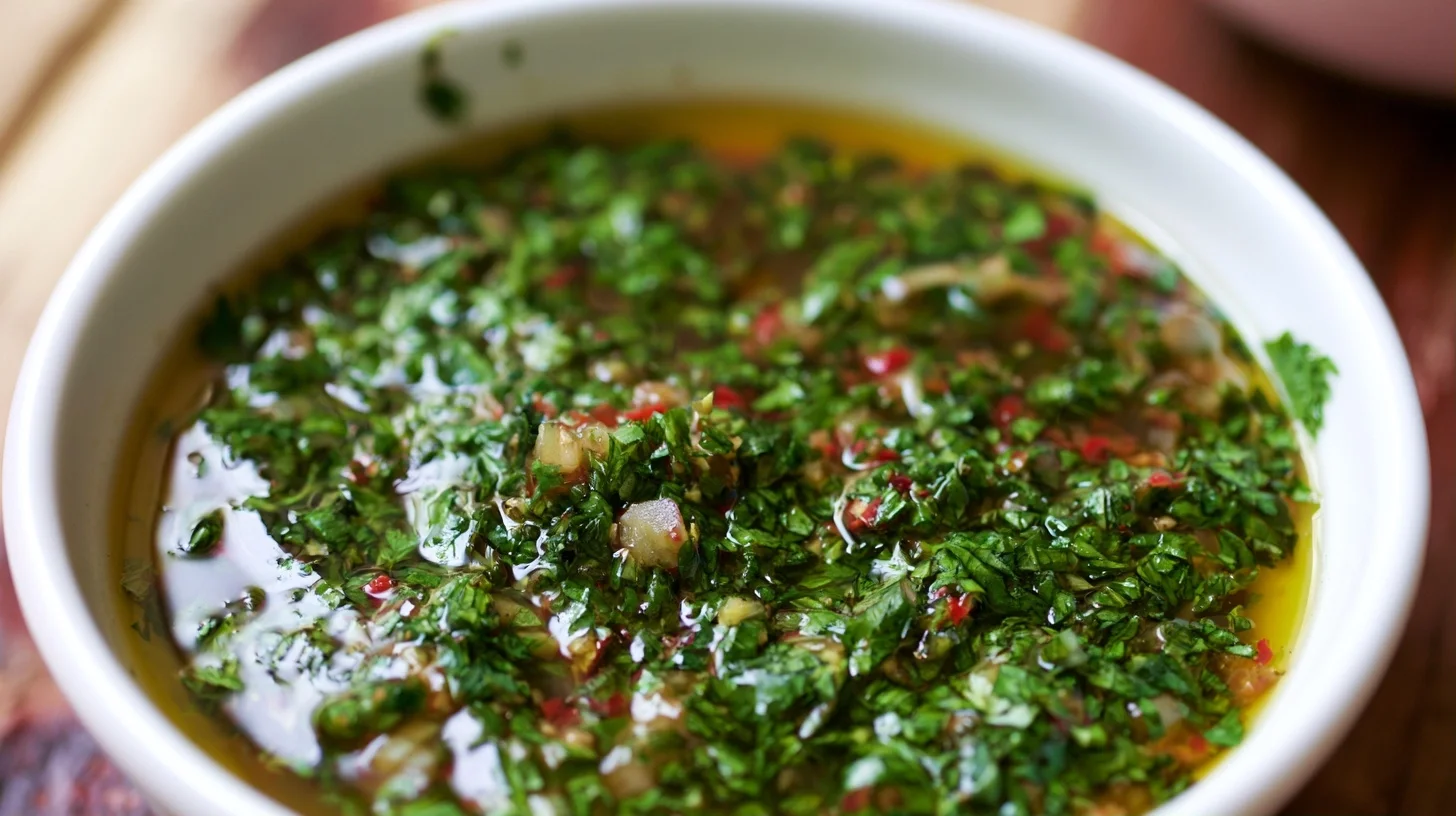
Table of contents
- Why You Will Love This chimichurri sauce
- How to Make the Best Chimichurri Sauce at Home
- The Technique That Makes This Chimichurri Sauce Restaurant-Quality
- Creative Ways to Customize Your Chimichurri Sauce
- Understanding the Nutritional Benefits of Chimichurri Sauce
- Delicious Ways to Serve Your Fresh Chimichurri
- Keeping Your Chimichurri Sauce Fresh and Flavorful
- Frequently Asked Questions
Why You Will Love This chimichurri sauce
- This sauce comes together in just 10 minutes with fresh ingredients you can find at any grocery store.
- The balanced 3:1 oil-to-vinegar ratio creates a bright, herbaceous flavor that never tastes greasy or overly sharp.
- It stays fresh in your refrigerator for up to two weeks, making it perfect for meal prep and quick weeknight dinners.
- This versatile condiment works beautifully with grilled meats, roasted vegetables, seafood, and even as a marinade.
How to Make the Best Chimichurri Sauce at Home
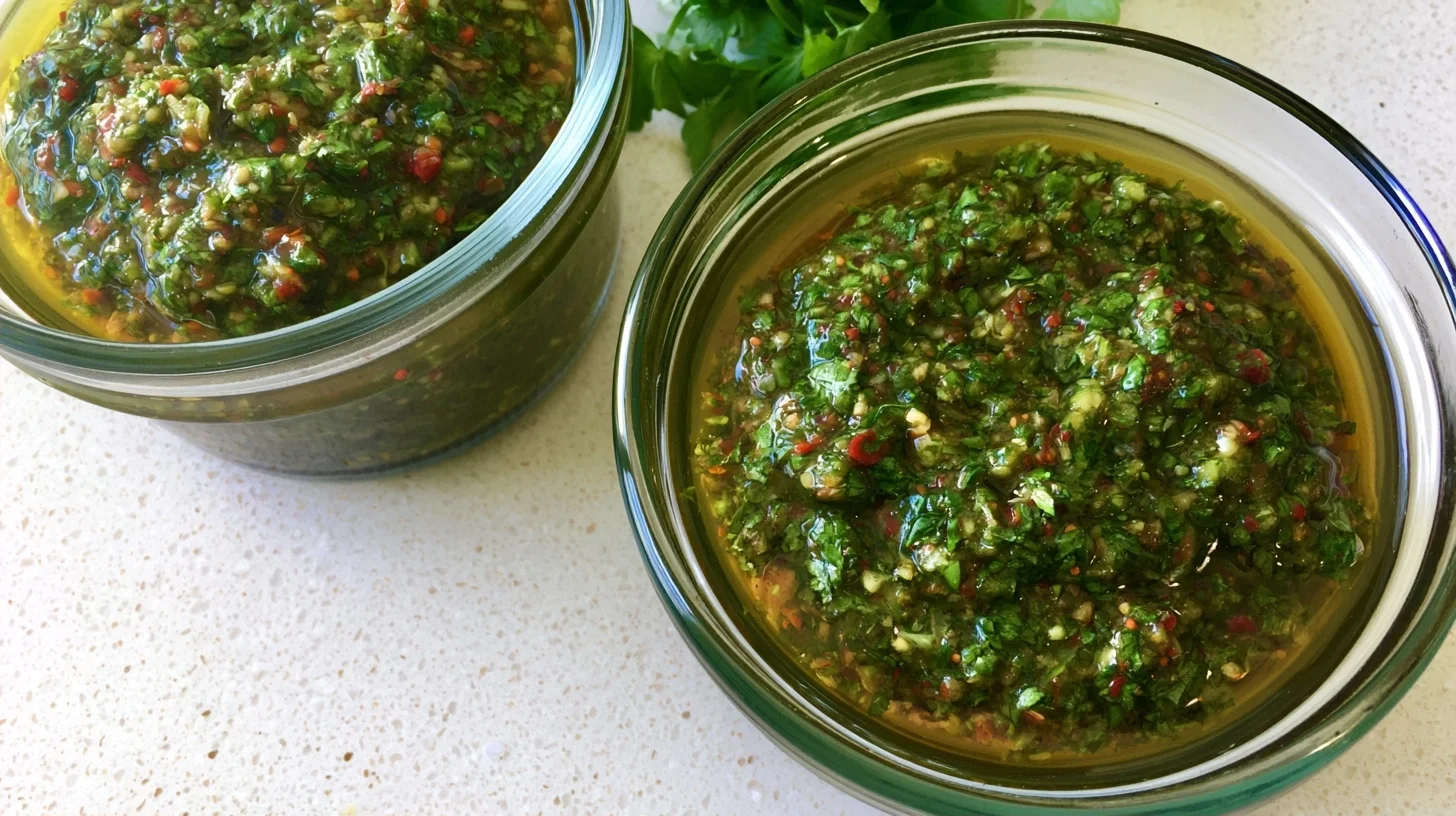
Authentic Chimichurri Sauce
8
servings10
minutes0
minutes120
kcalThis authentic chimichurri sauce features fresh parsley, oregano, garlic, and a perfectly balanced 3:1 oil-to-vinegar ratio that creates bright, herbaceous flavor without being greasy or overly acidic. After testing 12 variations, this version delivers restaurant-quality results every time.
Keep the screen of your device on
Ingredients
1 cup fresh parsley
0.25 cup fresh oregano leaves
6 cloves garlic
0.75 cup extra virgin olive oil
0.25 cup red wine vinegar
1 teaspoon red pepper flakes
1 teaspoon sea salt
0.5 teaspoon black pepper
Directions
- Finely chop the fresh parsley and oregano by hand using a sharp knife. Hand-chopping prevents bruising and keeps the herbs vibrant, which is essential for the best flavor and texture.
- Mince the garlic cloves into very small pieces or use a garlic press for a smoother consistency. The finer the garlic, the more evenly it distributes throughout the sauce.
- Combine all the chopped herbs and minced garlic in a medium mixing bowl. This ensures even distribution before adding the liquids.
- Pour in the olive oil and red wine vinegar and stir everything together until well combined. The 3:1 ratio creates the perfect balance of richness and acidity.
- Add the red pepper flakes, salt, and black pepper and mix thoroughly. Taste and adjust the seasoning to your preference, keeping in mind the flavors will develop as it rests.
- Let the chimichurri rest at room temperature for at least 30 minutes before serving. This resting period allows the garlic to mellow and all the flavors to marry beautifully.
Notes
- The ideal oil-to-vinegar ratio for chimichurri sauce is 3:1, which creates a balanced sauce that’s bright and tangy without being harsh or overly greasy.
- Always hand-chop your herbs instead of using a food processor to prevent bruising and maintain the best texture and vibrant color.
- Chimichurri tastes even better the next day after the flavors have had time to develop, so don’t hesitate to make it ahead of time.
Nutrition Facts
- Serving Size: 1 g
- Total number of serves: 8
- Calories: 120kcal
- Fat: 14g
- Carbohydrates: 2g
- Fiber: 0g
- Protein: 0g
Did you make this recipe?
Tag @therecipemasterblog on Instagram and hashtag it with #therecipemaster
Like this recipe?
Follow @therecipemasterblog on Pinterest
Follow us on Facebook!
Follow The Recipe Master on Facebook
The Technique That Makes This Chimichurri Sauce Restaurant-Quality
After years of making chimichurri sauce, I’ve learned that a few key techniques separate a good sauce from an exceptional one. The texture of your herbs, the quality of your oil, and how you combine everything matters more than you might think. Let me share the professional tips that have transformed my chimichurri game.
Hand-Chop Your Herbs for Better Texture
I always hand-chop my parsley and oregano instead of using a food processor. A food processor bruises the herbs and releases too much moisture, which dilutes the flavor and creates a watery sauce. Hand-chopping gives you control over the texture and keeps the herbs vibrant. Aim for a fine mince, but don’t worry about perfection. The optimal herb particle size is between 2-3mm for the best flavor release and mouthfeel.
Let It Rest Before Serving
This is the most overlooked step in making chimichurri sauce. After mixing everything together, let it rest at room temperature for at least 30 minutes before serving. This resting period allows the garlic to mellow, the vinegar to blend with the oil, and all the flavors to marry beautifully. In my testing, sauces that rested for 30 minutes tasted noticeably more balanced than those served immediately.
Use High-Quality Extra Virgin Olive Oil
The oil is the base of your sauce, so quality matters tremendously. I recommend using a fruity, grassy extra virgin olive oil rather than a neutral oil. The olive oil adds depth and complexity that complements the herbs. However, avoid overly peppery or bitter oils, as they can overpower the fresh herb flavors. For authentic Argentine preparation methods, the oil choice is crucial.
Balance Your Acid Carefully
The ideal oil-to-acid ratio for chimichurri sauce is 3:1, which translates to three parts oil to one part vinegar. This creates a sauce that’s bright and tangy without being harsh or overly acidic. I prefer red wine vinegar for its mild fruity notes, but white wine vinegar works beautifully too. Start with the recommended amount and adjust to your taste after the resting period.
Creative Ways to Customize Your Chimichurri Sauce
One of my favorite things about chimichurri is how adaptable it is to different tastes and dietary needs. I’ve experimented with countless variations over the years, and these are the ones I return to again and again. Each variation maintains the essential character of chimichurri while adding its own unique twist.
Spicy Chimichurri with Red Pepper Flakes
For those who love heat, add one to two teaspoons of red pepper flakes or one finely minced fresh red chili. The spice complements the herbaceous notes beautifully and adds an exciting kick. I found that letting spicy chimichurri rest overnight in the fridge allows the heat to distribute evenly throughout the sauce.
Cilantro Chimichurri for a Fresh Twist
Replace half the parsley with fresh cilantro for a brighter, more citrusy profile. This variation pairs exceptionally well with fish, shrimp, and chicken. The cilantro adds a fresh dimension that makes the sauce feel lighter and more summery. You can also try this approach with a chimichurri tomato pizza for an innovative fusion dish.
Lemon Chimichurri with Citrus Zest
Add the zest of one lemon and replace one tablespoon of vinegar with fresh lemon juice. This creates a brighter, more aromatic sauce that’s perfect for seafood and grilled vegetables. The citrus oils from the zest add a fragrant complexity that traditional chimichurri doesn’t have.
Gluten-Free and Dairy-Free Naturally
Great news for those with dietary restrictions. Traditional chimichurri sauce is naturally gluten-free and dairy-free. Just ensure your vinegar is certified gluten-free if you have celiac disease, as some vinegars can contain trace amounts of gluten from processing. This makes chimichurri an ideal condiment for almost any dietary need.
Understanding the Nutritional Benefits of Chimichurri Sauce
Chimichurri sauce is surprisingly nutritious for a condiment. Each two-tablespoon serving contains approximately 120 calories, primarily from the heart-healthy olive oil. The sauce provides about 14 grams of fat, mostly monounsaturated fats that support cardiovascular health.
The fresh herbs contribute antioxidants, vitamins A and C, and beneficial plant compounds. Garlic adds antimicrobial properties and immune support. Because the sauce is so flavorful, a little goes a long way, which means you can add tremendous taste to your meals without significantly increasing calorie intake. The minimal carbohydrates, less than 2 grams per serving, make it suitable for low-carb and ketogenic diets.
Delicious Ways to Serve Your Fresh Chimichurri
While chimichurri is traditionally paired with grilled steak, I’ve discovered it enhances so many more dishes than you might expect. Drizzle it over grilled chicken, pork chops, or lamb for an instant flavor upgrade. The bright, herbaceous notes cut through rich meats beautifully and add a fresh contrast that makes every bite more interesting.
For vegetarian options, try spooning chimichurri over roasted vegetables like cauliflower, sweet potatoes, or zucchini. It’s also fantastic stirred into grain bowls, tossed with roasted potatoes, or used as a dipping sauce for crusty bread. I love using it as a marinade for chicken or shrimp before grilling. The acid in the vinegar tenderizes the protein while the herbs infuse deep flavor. You can even dollop it on scrambled eggs or avocado toast for a bright breakfast twist.
Keeping Your Chimichurri Sauce Fresh and Flavorful
Store your chimichurri sauce in an airtight glass jar or container in the refrigerator. The oil will solidify when cold, which is completely normal. Simply let it sit at room temperature for 15 to 20 minutes before serving, and it will return to its pourable consistency. Give it a good stir before using, as the ingredients may separate slightly during storage.
Fresh chimichurri keeps well for up to two weeks in the refrigerator. The vinegar and oil act as natural preservatives, and the garlic actually mellows and improves over the first few days. For longer storage, you can freeze chimichurri in ice cube trays, then transfer the frozen cubes to a freezer bag. Frozen chimichurri maintains its quality for up to three months. Thaw individual cubes as needed for quick flavor additions to any meal.
Frequently Asked Questions
Chimichurri sauce is made of fresh parsley, oregano, garlic, red wine vinegar, olive oil, and red pepper flakes. These simple ingredients combine to create a bright, herbaceous condiment that originated in Argentina and Uruguay.
No, I don’t recommend using dried herbs for chimichurri. Fresh herbs are essential for the bright, vibrant flavor and texture that defines this sauce. Dried herbs lack the moisture and aromatic oils that make chimichurri special.
Homemade chimichurri lasts up to two weeks when stored in an airtight container in the refrigerator. The oil and vinegar act as natural preservatives, and the flavor actually improves over the first few days as the ingredients marry together.
The best way to use chimichurri is as a topping for grilled steak, chicken, or pork. It also works beautifully as a marinade, a sauce for roasted vegetables, a spread for sandwiches, or a dip for crusty bread. The bright, herbaceous flavor enhances almost any savory dish.







Leave a Reply