

- Toast bread cubes separately at 375°F about 8 minutes to prevent sogginess and create a crispy top that holds up against sauce.
- Use a 3:1 volume ratio of toasted bread to sauce and layer: half bread, meatballs and sauce, half bread, then cheese for even distribution.
- Choose smaller meatballs, about 1 to 1.5 inches, or halve larger ones so they distribute evenly and soak up more sauce.
- Assemble up to 24 hours ahead or freeze before baking for up to 3 months; thaw overnight and add baking time as needed.
- Let casserole rest 5 to 10 minutes after baking so cheese sets and portions slice cleanly; serve with a crisp salad or roasted vegetables.
There’s something magical about transforming the beloved flavors of a meatball sub casserole into a family-friendly bake that everyone can dig into at once. After testing 12 variations, I discovered that the key to preventing soggy bread is toasting the bread cubes separately before layering, which creates a golden, crispy texture that holds up beautifully against the sauce. This approach delivers all the gooey cheese, savory meatballs, and Italian seasonings you crave, but in a format that’s easier to serve and perfect for feeding a crowd.
Whether you’re planning a weeknight dinner or bringing a dish to a potluck, this casserole combines convenience with homemade taste. The layers of tender meatballs, melted mozzarella, and toasted bread create a satisfying meal that’s both comforting and impressive. Plus, it comes together in under an hour from start to finish.
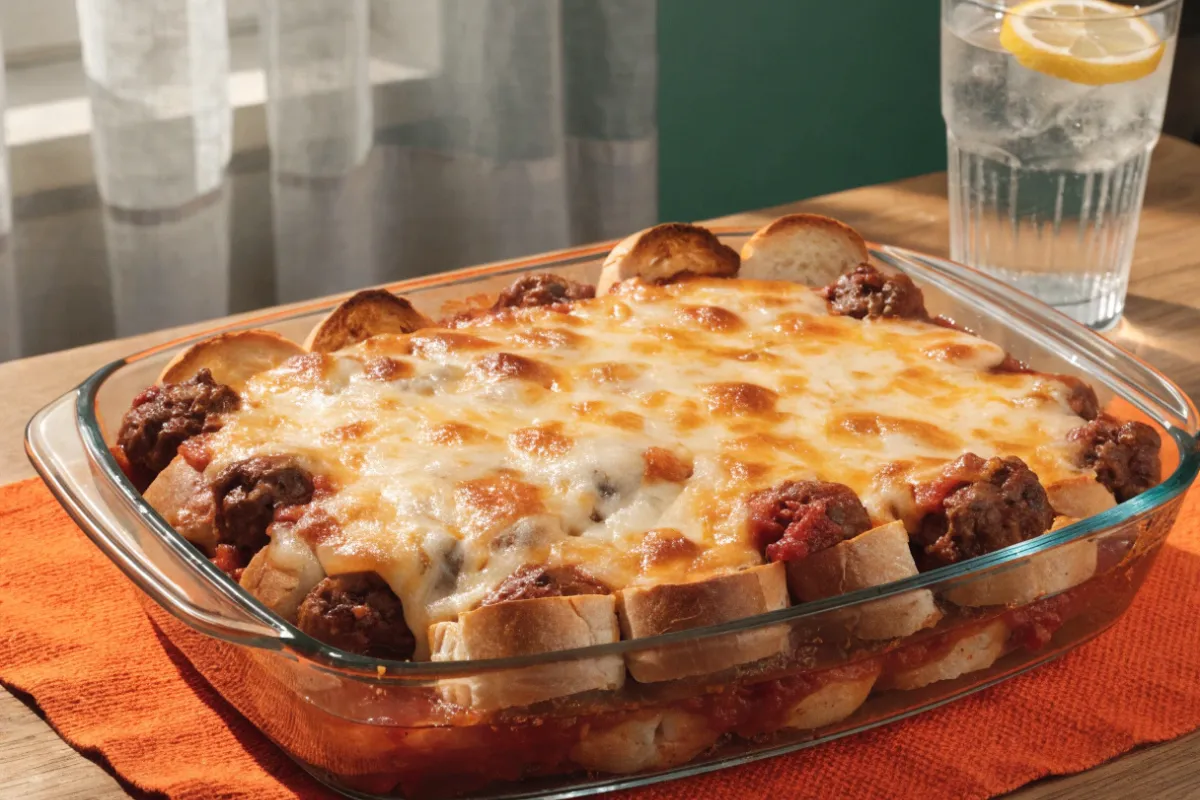
Table of contents
- Why You Will Love This meatball sub casserole
- How to Make the Best Meatball Sub Casserole
- The Technique That Makes This Meatball Sub Casserole Restaurant-Quality
- Creative Ways to Customize Your Meatball Sub Casserole
- Understanding the Nutrition in Meatball Sub Casserole
- Perfect Pairings for Your Meatball Sub Casserole
- Keeping Your Casserole Fresh and Delicious
- Frequently Asked Questions
Why You Will Love This meatball sub casserole
- This recipe transforms classic Italian sub flavors into an easy-to-serve casserole that feeds a crowd without the mess of individual sandwiches.
- The pre-toasted bread cubes stay perfectly crispy on top while absorbing just enough sauce on the bottom for incredible texture contrast.
- You can prep the entire casserole up to 24 hours ahead and bake it when you’re ready to eat.
- The combination of melted mozzarella, provolone, and Parmesan creates an irresistible cheese pull that rivals any pizzeria.
How to Make the Best Meatball Sub Casserole
Meatball Sub Casserole
4
servings30
minutes40
minutes300
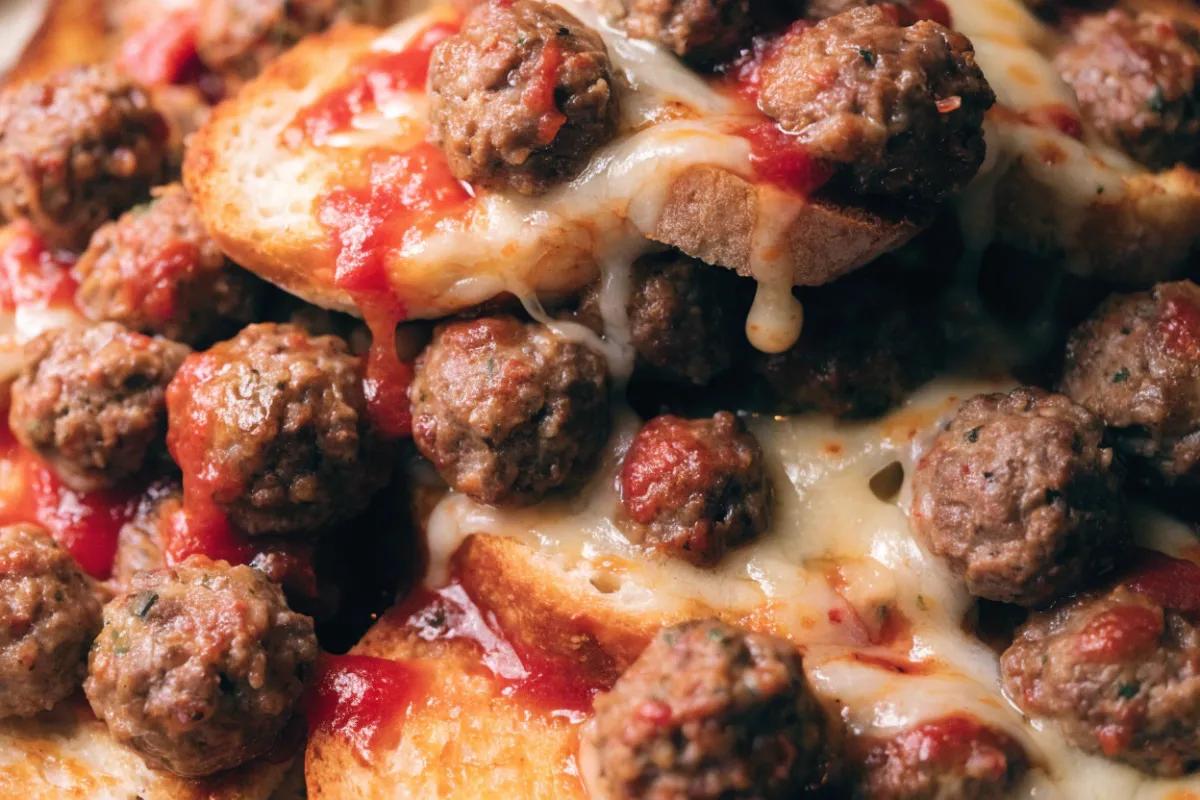
kcalThis meatball sub casserole transforms the classic Italian sandwich into a shareable bake with crispy toasted bread, savory meatballs, and gooey melted cheese. The secret is toasting the bread separately to prevent sogginess while maintaining incredible flavor.
Keep the screen of your device on
Ingredients
1 pound Italian or French bread
2 tablespoons olive oil
24 frozen meatballs
3 cups marinara sauce
2 cups shredded mozzarella cheese
1 cup shredded provolone cheese
0.5 cup grated Parmesan cheese
1 teaspoon Italian seasoning
0.5 teaspoon garlic powder
0.25 teaspoon red pepper flakes
2 tablespoons fresh basil
1 tablespoon fresh parsley
Directions
- Preheat your oven to 375°F and lightly grease a 9×13-inch baking dish with cooking spray or butter. This prevents sticking and makes cleanup easier later.
- Toss the bread cubes with olive oil and spread them on a large baking sheet in a single layer. Toast in the preheated oven for 8 to 10 minutes until golden and crispy. This step is crucial for preventing soggy bread.
- Mix the marinara sauce with Italian seasoning, garlic powder, and red pepper flakes in a large bowl. Add the frozen meatballs and toss to coat them evenly. The seasoning boosts the overall flavor profile significantly.
- Layer half of the toasted bread cubes in the bottom of your prepared baking dish, creating an even base layer that will absorb just enough sauce.
- Pour the meatball and sauce mixture over the bread layer, spreading the meatballs evenly across the dish. Then sprinkle half of the mozzarella, provolone, and Parmesan cheeses over the top.
- Add the remaining toasted bread cubes as the next layer, followed by the rest of the cheese. This creates a beautiful golden crust when baked.
Notes
- The ideal ratio of toasted bread to sauce is 3:1 by volume, which prevents sogginess while maintaining perfect flavor absorption throughout the casserole.
- You can substitute turkey or chicken meatballs for a leaner version, or use plant-based meatballs for a vegetarian adaptation.
- If using homemade meatballs, make sure they’re fully cooked before adding them to the casserole to ensure food safety.
- For extra flavor, add sautéed bell peppers, onions, or mushrooms between the layers along with the meatballs.
Nutrition Facts
- Serving Size: 1g
- Total number of serves: 8
- Calories: 480kcal
- Fat: 23g
- Carbohydrates: 38g
- Fiber: 3g
- Protein: 28g
Did you make this recipe?
Tag @therecipemasterblog on Instagram and hashtag it with #therecipemaster
Like this recipe?
Follow @therecipemasterblog on Pinterest
Follow us on Facebook!
Follow The Recipe Master on Facebook
The Technique That Makes This Meatball Sub Casserole Restaurant-Quality
After countless tests in my kitchen, I’ve learned that a few key techniques separate an average meatball sub casserole from one that tastes like it came from your favorite Italian restaurant. These tips ensure every bite has the perfect balance of crispy bread, savory meatballs, and melted cheese.
Toast Your Bread Separately First
The ideal ratio of toasted bread to sauce for meatball sub casserole is 3:1 by volume, which prevents sogginess while maintaining flavor absorption. I spread the bread cubes on a baking sheet and toast them at 375°F for about 8 minutes until golden. This creates a protective barrier that keeps the top layer crunchy even after baking. Therefore, your casserole will have that satisfying textural contrast between crispy and saucy layers.
Layer Strategically for Even Distribution
First, spread half the toasted bread in your baking dish. Then, add all the meatballs and sauce, followed by half the cheese. Next, top with the remaining bread and finish with the rest of the cheese. This layering technique ensures every serving gets an equal amount of all components. In addition, the cheese on top creates a beautiful golden crust.
Choose the Right Meatball Size
I recommend using smaller meatballs, about 1 to 1.5 inches in diameter, for this casserole. They distribute more evenly throughout the dish and are easier to serve. However, if you only have larger meatballs, simply cut them in half before layering. This also creates more surface area for the sauce to cling to, which enhances flavor in every bite.
Don’t Skip the Resting Time
Let your casserole rest for 5 to 10 minutes after removing it from the oven. This allows the cheese to set slightly and makes serving much cleaner. As a result, you’ll get neat portions instead of a saucy mess. The protein-rich meatballs also firm up during this time, making them easier to cut through.
Creative Ways to Customize Your Meatball Sub Casserole
One of my favorite things about this recipe is how adaptable it is to different tastes and dietary needs. I’ve experimented with numerous variations, and each one brings something special to the table. Here are the modifications I turn to most often.
Italian Sausage Upgrade
For a bolder flavor profile, I replace half the meatballs with cooked Italian sausage, either sweet or spicy depending on your preference. Simply remove the casings, brown the sausage in a skillet, and break it into chunks. This adds a deeper, more complex flavor that pairs beautifully with the marinara sauce and herbs.
Vegetarian Version
Swap the meatballs for plant-based alternatives or use a combination of roasted vegetables like bell peppers, zucchini, and mushrooms. I dice them into bite-sized pieces and sauté them with garlic and Italian seasoning before layering. The vegetables absorb the sauce wonderfully and create a lighter version that’s just as satisfying. For more breakfast casserole inspiration with creative ingredient swaps, check out this cottage cheese breakfast casserole.
Gluten-Free Adaptation
Use gluten-free bread or rolls cut into cubes, and ensure your meatballs are certified gluten-free. The rest of the recipe works perfectly without any other modifications. I’ve found that gluten-free ciabatta or sourdough toasts beautifully and holds up well against the sauce.
Extra Veggie Boost
I often add sautéed onions, bell peppers, or spinach between the layers for added nutrition and flavor. This makes the casserole more substantial and adds pops of color throughout. Simply cook the vegetables until tender before layering them with the meatballs and sauce.
Understanding the Nutrition in Meatball Sub Casserole
This hearty casserole provides a balanced mix of protein, carbohydrates, and fats that make it a satisfying complete meal. Each serving delivers approximately 480 calories, with 28 grams of protein from the meatballs and cheese, which helps keep you full for hours. The carbohydrates from the bread provide energy, while the moderate fat content from cheese and meat adds richness and flavor.
If you’re watching your calorie intake, you can reduce the cheese by about one-third without sacrificing too much flavor. Additionally, using turkey or chicken meatballs instead of beef lowers the fat content significantly. The dish also provides calcium from the cheese and various vitamins from the tomato sauce, making it more nutritious than it might initially seem.
Perfect Pairings for Your Meatball Sub Casserole
This casserole is substantial enough to serve as a complete meal, but pairing it with the right sides elevates the entire dining experience. I always serve it with a crisp green salad dressed with a simple vinaigrette to cut through the richness. The acidity and freshness balance the hearty, cheesy casserole perfectly.
For a more Italian-inspired spread, add garlic bread on the side for those who want extra bread to soak up any remaining sauce. Roasted vegetables like broccoli, green beans, or asparagus also complement the dish beautifully. If you’re serving this for a party, consider setting up a simple antipasto platter with olives, pepperoncini, and marinated artichokes as appetizers while the casserole bakes.
Keeping Your Casserole Fresh and Delicious
Proper storage ensures your meatball sub casserole stays delicious for days after baking. Once the casserole has cooled to room temperature, cover it tightly with aluminum foil or transfer individual portions to airtight containers. It will keep in the refrigerator for up to 4 days, making it perfect for meal prep or enjoying leftovers throughout the week.
For longer storage, this casserole freezes exceptionally well for up to 3 months. I recommend freezing it before baking for best results. Simply assemble the entire casserole, wrap it tightly in plastic wrap followed by aluminum foil, and freeze. When you’re ready to bake, thaw it overnight in the refrigerator and bake as directed, adding an extra 10 minutes to the baking time. To reheat individual portions, microwave on medium power for 2 to 3 minutes, or reheat in a 350°F oven for 15 minutes until warmed through and the cheese is bubbly again.
Frequently Asked Questions
Yes, frozen meatballs work perfectly. You don’t need to thaw them first. Simply add them directly to the casserole with the sauce, and they’ll heat through completely during baking. This saves time and makes the recipe even more convenient for busy weeknights.
Italian bread, French bread, or sub rolls work best because they have a sturdy texture that holds up well against the sauce. Cut the bread into 1-inch cubes and toast them before layering to prevent sogginess. Avoid soft sandwich bread as it tends to become mushy.
Toast the bread cubes separately before assembling the casserole. This creates a protective barrier that prevents excessive moisture absorption. Additionally, don’t over-sauce the casserole. Use just enough marinara to coat the meatballs and lightly moisten the bread without drowning it.
Yes, you can assemble the entire casserole up to 24 hours in advance. Cover it tightly with plastic wrap or aluminum foil and refrigerate until you’re ready to bake. Add 5 to 10 extra minutes to the baking time if baking directly from the refrigerator to ensure it heats through completely.






Leave a Reply