

- Use fresh lemon juice for bright, authentic citrus flavor that bottled juice cannot match.
- Make a simple syrup with equal parts sugar and water so sugar dissolves and lemonade stays smooth.
- Roll lemons and choose heavy, room temperature fruit; six to eight medium lemons yield about one cup.
- Adjust sweetness gradually, taste as you go, and make the concentrate slightly stronger to account for ice dilution.
- Store in an airtight pitcher in the refrigerator for five to seven days or freeze for up to three months.
There’s nothing quite like a tall glass of Classic Homemade Lemonade on a warm afternoon. This refreshing drink combines fresh lemon juice, pure water, and just the right amount of sweetness to create the perfect balance of tart and sweet. Whether you’re hosting a backyard barbecue, planning a picnic, or simply craving something cool and citrusy, this timeless beverage delivers every time.
Making lemonade from scratch takes just minutes and tastes infinitely better than anything from a powder or concentrate. You control the sweetness, the tartness, and the quality of every ingredient. Plus, the aroma of fresh lemons filling your kitchen is an experience in itself. This recipe uses a simple syrup method to ensure the sugar dissolves completely, resulting in a smooth, perfectly sweetened drink that everyone will love.
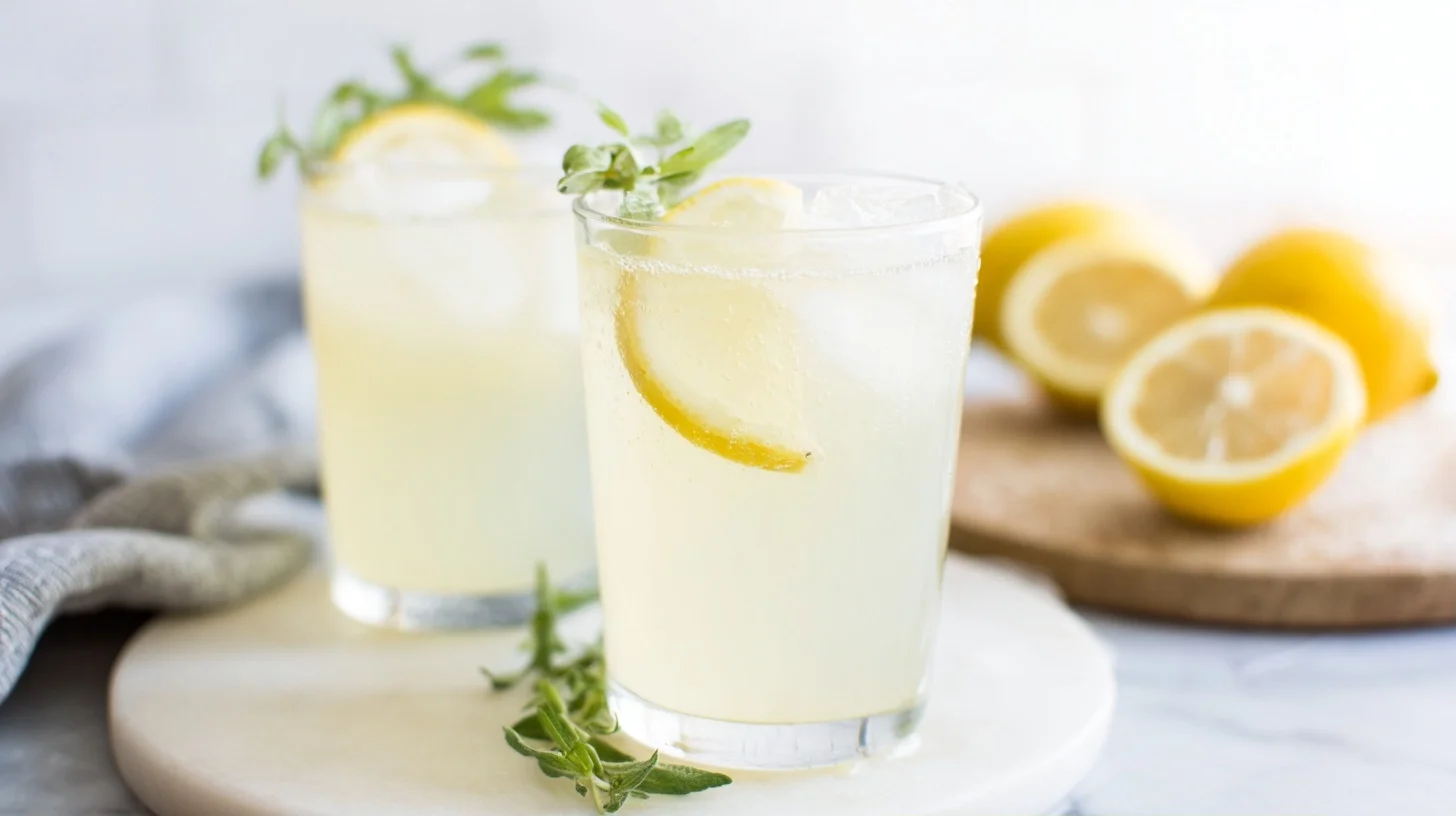
Table of contents
- Why You Will Love This Classic Homemade Lemonade
- How to Make the Perfect Pitcher of Lemonade
- Expert Tips for Classic Homemade Lemonade Success
- Delicious Variations to Try
- Nutritional Benefits of Fresh Lemonade
- Creative Ways to Enjoy Your Lemonade
- Keeping Your Lemonade Fresh
- Frequently Asked Questions about Classic Homemade Lemonade
Why You Will Love This Classic Homemade Lemonade
- This recipe uses fresh lemon juice for bright, authentic citrus flavor that bottled juice simply cannot match.
- The simple syrup method ensures perfectly smooth lemonade with no grainy sugar crystals at the bottom of your glass.
- You can easily adjust the sweetness and tartness to suit your personal taste preferences.
- This refreshing beverage comes together in less than fifteen minutes from start to finish.
- It’s naturally vegetarian, vegan, and gluten-free, making it perfect for guests with various dietary needs.
How to Make the Perfect Pitcher of Lemonade

Classic Homemade Lemonade
8
servings10
minutes5
minutes120
kcalThis Classic Homemade Lemonade combines fresh lemon juice with simple syrup and cold water for the perfect balance of sweet and tart. It’s refreshing, easy to make, and tastes far better than any store-bought version.
Keep the screen of your device on
Ingredients
1 cup granulated sugar
1 cup water
1 cup fresh lemon juice
6 cups cold water
2 cups ice cubes
1 whole lemon
6 sprigs fresh mint
0.25 teaspoon lemon zest
Directions
- Make the simple syrup by combining sugar and one cup of water in a small saucepan over medium heat, stirring until the sugar completely dissolves.
- Remove from heat and let the simple syrup cool to room temperature for about ten minutes.
- Juice the lemons by rolling them firmly on the counter first, then cutting and squeezing until you have one cup of fresh juice.
- Strain the lemon juice through a fine-mesh sieve to remove seeds and excess pulp.
- Combine the cooled simple syrup with the fresh lemon juice in a large pitcher.
- Add six cups of cold water and stir well to combine all ingredients thoroughly.
Notes
- For best results, use freshly squeezed lemon juice rather than bottled juice.
- The simple syrup can be made up to two weeks ahead and stored in the refrigerator.
- Adjust the sweetness to your preference by starting with less sugar and adding more to taste.
- For a less sweet version, reduce the sugar to three-quarters cup.
- Lemonade can be stored covered in the refrigerator for up to one week.
Nutrition Facts
- Serving Size: 1g
- Total number of serves: 8
- Calories: 120kcal
- Fat: 0g
- Carbohydrates: 31g
- Fiber: 0g
- Protein: 0g
Did you make this recipe?
Tag @therecipemasterblog on Instagram and hashtag it with #therecipemaster
Like this recipe?
Follow @therecipemasterblog on Pinterest
Follow us on Facebook!
Follow The Recipe Master on Facebook
Expert Tips for Classic Homemade Lemonade Success
Making exceptional lemonade requires attention to a few key details. First, always roll your lemons firmly on the counter before juicing. This simple technique breaks down the internal membranes and helps release significantly more juice from each fruit. Room temperature lemons yield more juice than cold ones, so consider leaving them out for thirty minutes before you begin.
Choosing and Preparing Your Lemons
Select lemons that feel heavy for their size, as these contain more juice. The skin should be bright yellow with a slight give when gently squeezed. Avoid lemons with brown spots or overly firm texture. You’ll need approximately six to eight medium lemons to yield one cup of fresh juice. Strain the juice after squeezing to remove seeds and pulp, though a small amount of pulp adds wonderful texture and nutritional benefits from natural lemon compounds.
Perfecting Your Simple Syrup
The simple syrup is crucial for smooth, evenly sweetened lemonade. Heat equal parts sugar and water until the sugar completely dissolves, then cool before adding to your lemon juice. This prevents the sugar from settling at the bottom and ensures consistent sweetness in every sip. You can make the syrup ahead and store it in the refrigerator for up to two weeks, making future batches even faster to prepare.
Balancing Sweetness and Tartness
Everyone’s taste preferences differ, so start with the recommended sugar amount and adjust from there. Add sweetener gradually, tasting as you go. Remember that ice will dilute the flavor slightly, so your concentrate should taste slightly stronger than your desired final result. For a less sweet version, reduce the sugar by one quarter. For sweeter lemonade, increase it by the same amount.
Delicious Variations to Try
Classic Homemade Lemonade serves as an excellent base for countless creative variations. Therefore, don’t hesitate to experiment with different flavors and ingredients. Each variation brings its own unique character while maintaining the refreshing essence that makes lemonade so beloved. These adaptations are perfect for themed parties, seasonal celebrations, or simply adding variety to your beverage rotation.
Strawberry Lemonade
Blend one cup of fresh or frozen strawberries with a small amount of water until smooth. Strain to remove seeds if desired, then stir the puree into your finished lemonade. This creates a beautiful pink color and adds natural sweetness. Fresh mint leaves make an excellent garnish for this fruity variation.
Herbal Infusions
Add fresh herbs to your simple syrup while it’s still hot for sophisticated flavor profiles. Basil, mint, lavender, and rosemary all pair beautifully with lemon. Let the herbs steep for ten minutes, then strain before mixing with lemon juice. This technique adds complexity without overwhelming the bright citrus notes.
Sparkling Lemonade
Replace half the water with sparkling water or club soda for a fizzy version. Add the sparkling water just before serving to maintain maximum carbonation. This variation feels more festive and works wonderfully for celebrations. For a tropical twist, try coconut water lemonade for a naturally sweet island-inspired drink.
Honey Lemonade
Substitute honey for half or all of the granulated sugar for a more complex sweetness. Honey adds floral notes and a silky texture. Warm the honey slightly to help it dissolve more easily into the cold liquid. This version offers a more natural sweetener option while maintaining delicious flavor.
Nutritional Benefits of Fresh Lemonade
Classic Homemade Lemonade provides more than just refreshment. Each serving contains approximately 120 calories, primarily from natural sugars. The fresh lemon juice delivers vitamin C, which supports immune function and acts as an antioxidant. Unlike commercial versions, homemade lemonade contains no artificial colors, flavors, or preservatives.
This beverage contains minimal fat and protein, with carbohydrates making up the majority of its nutritional profile at around 31 grams per serving. The natural citric acid in lemons may aid digestion and help with hydration. However, you can reduce the sugar content significantly if you’re watching your carbohydrate intake. Consider using a sugar substitute or simply adding less sweetener to create a more tart, lower-calorie version that still tastes fantastic.
Creative Ways to Enjoy Your Lemonade
Serve your Classic Homemade Lemonade in a clear glass pitcher to showcase its beautiful sunny color. Add lemon slices, fresh berries, or cucumber rounds for visual appeal and subtle flavor enhancement. Ice cubes made from lemonade itself prevent dilution as they melt. For an elegant presentation, rim glasses with sugar or freeze edible flowers into your ice cubes.
This versatile drink pairs wonderfully with grilled foods, sandwiches, and light summer salads. It also works beautifully as a mixer for adult beverages or as the base for frozen treats. Pour lemonade into popsicle molds for homemade ice pops that kids adore. For brunch gatherings, set up a lemonade bar with various mix-ins like fresh fruit purees, herbs, and flavored syrups so guests can customize their drinks.
Keeping Your Lemonade Fresh
Store your Classic Homemade Lemonade in an airtight pitcher or container in the refrigerator. Glass or BPA-free plastic containers work best for maintaining fresh flavor. The lemonade will stay fresh for five to seven days when properly refrigerated. Give it a good stir before serving, as some natural separation may occur.
For longer storage, freeze lemonade in ice cube trays or freezer-safe containers for up to three months. Frozen lemonade cubes are perfect for quickly chilling drinks without dilution. You can also freeze larger portions in freezer bags, leaving space for expansion. Thaw frozen lemonade in the refrigerator overnight, then stir well before serving. The texture and flavor remain excellent after freezing, making this a convenient option for batch preparation.
Frequently Asked Questions about Classic Homemade Lemonade
You typically need six to eight medium lemons to yield one cup of fresh lemon juice. The exact number depends on the size and juiciness of your lemons. Choose lemons that feel heavy for their size and roll them firmly on the counter before juicing to extract maximum juice.
While you can use bottled lemon juice in a pinch, fresh lemon juice creates significantly better flavor. Fresh juice has bright, vibrant citrus notes that bottled versions cannot replicate. The difference is especially noticeable in a simple recipe like lemonade where lemon is the star ingredient.
Bitterness in lemonade usually comes from over-extracting the lemon pith or leaving lemon slices in the pitcher too long. The white pith beneath the yellow peel contains bitter compounds. To avoid this, juice your lemons without pressing too hard and remove any lemon slices after a few hours.
Properly stored homemade lemonade stays fresh in the refrigerator for five to seven days. Keep it in an airtight container or covered pitcher. The flavor is best within the first three days, but it remains safe to drink for up to a week. Give it a good stir before serving as natural separation may occur.








Leave a Reply