

- Pumpkin puree keeps cookies soft and tender without making them cakey, replacing cream of tartar for structure and lasting softness for days.
- Use just enough pumpkin puree, spoon and level when measuring to avoid excess moisture that makes dough too wet or cookies flat.
- Roll dough balls generously in cinnamon sugar for signature crackled tops and sweetness, then bake until edges set and centers look slightly underdone.
- Store airtight at room temperature up to five days with a bread slice to maintain moisture, or freeze baked cookies or dough balls for months.
These pumpkin snickerdoodle cookies combine two classic fall favorites into one soft, chewy cookie that tastes like cinnamon sugar heaven with a hint of warm pumpkin spice. The pumpkin keeps them incredibly tender without making them cakey, while the cinnamon sugar coating adds that signature snickerdoodle crackle and sweetness. Unlike traditional snickerdoodles that rely on cream of tartar for tang, these get their structure from pumpkin puree, which also means they stay soft for days instead of hardening after the first day.
What makes this recipe different is the balance between pumpkin moisture and cookie structure, too much pumpkin and you get cake, too little and you lose the flavor. The secret is using just enough puree to add moisture and flavor while keeping the dough thick enough to roll into balls and coat generously with cinnamon sugar.
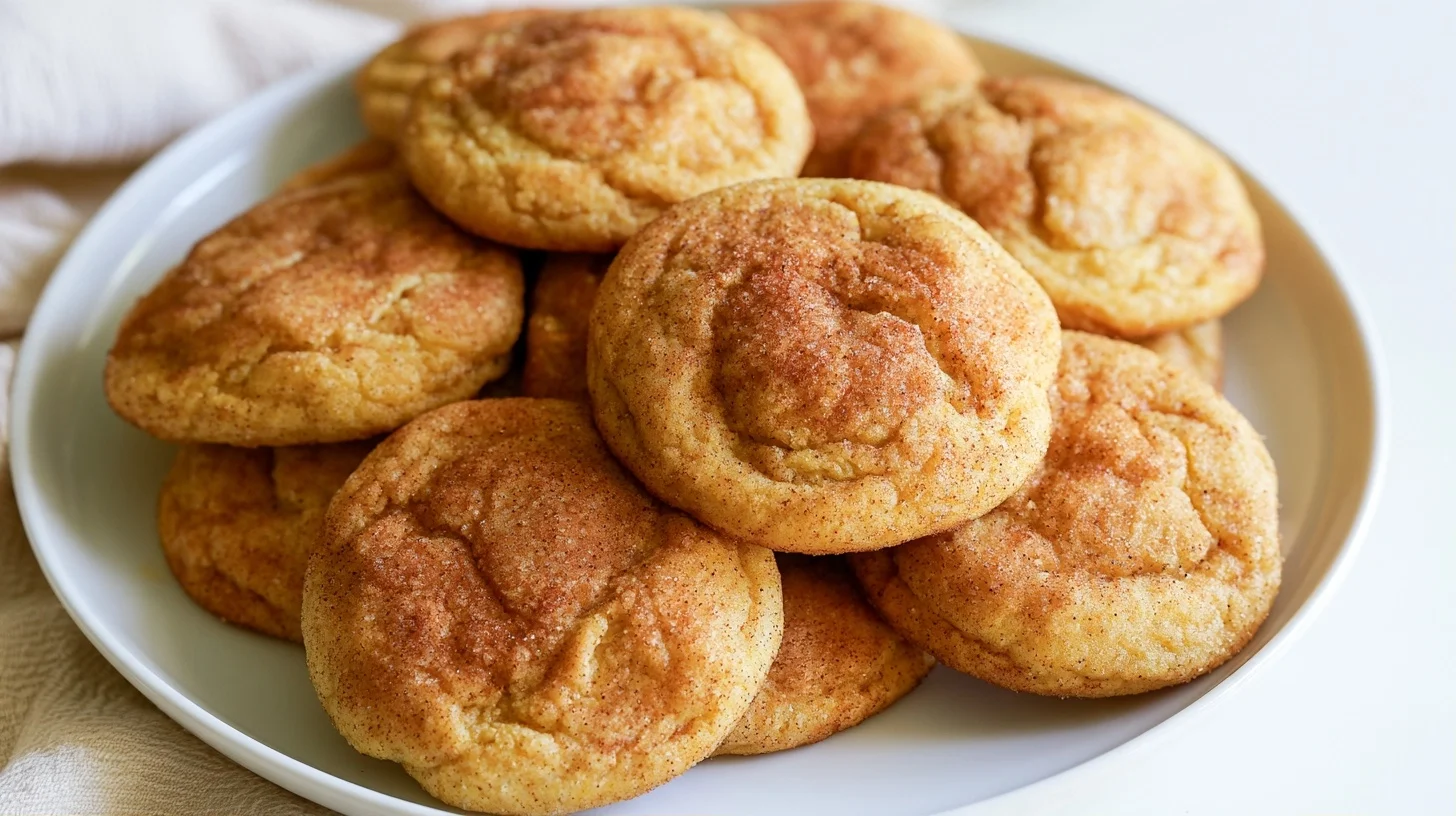
Table of contents
- Why You Will Love This Pumpkin Snickerdoodle Cookie Recipe
- What You Need to Make Pumpkin Snickerdoodles
- How to Make Pumpkin Snickerdoodle Cookies That Stay Soft
- Tips for the Best Pumpkin Snickerdoodle Cookies
- Common Mistakes When Making Pumpkin Snickerdoodles
- Ways to Customize Pumpkin Snickerdoodle Cookies
- Nutrition in Pumpkin Snickerdoodle Cookies
- Serving Ideas for Pumpkin Snickerdoodles
- How to Store Pumpkin Snickerdoodle Cookies
- Frequently Asked Questions about Pumpkin Snickerdoodle Cookies Recipe
Why You Will Love This Pumpkin Snickerdoodle Cookie Recipe
- The cookies stay soft and chewy for up to five days when stored properly.
- You get the classic snickerdoodle flavor with added pumpkin warmth and spice.
- The dough comes together in one bowl with no chilling required.
- The cinnamon sugar coating creates beautiful crackles as the cookies bake.
What You Need to Make Pumpkin Snickerdoodles
This recipe uses standard baking equipment you likely already have. The most important tool is a cookie scoop for uniform sizing, which ensures even baking and consistent texture across every cookie.
- Mixing bowls: One large bowl for the dough and one small bowl for the cinnamon sugar coating.
- Electric mixer: A hand mixer or stand mixer creams the butter and sugar quickly and incorporates air for a lighter texture.
- Cookie scoop: A 1.5-tablespoon scoop creates cookies that are the right size to bake evenly without spreading too thin.
- Baking sheets: Use light-colored sheets to prevent the bottoms from browning too quickly.
- Parchment paper: Prevents sticking and makes cleanup easier without affecting the cookie’s texture.
How to Make Pumpkin Snickerdoodle Cookies That Stay Soft
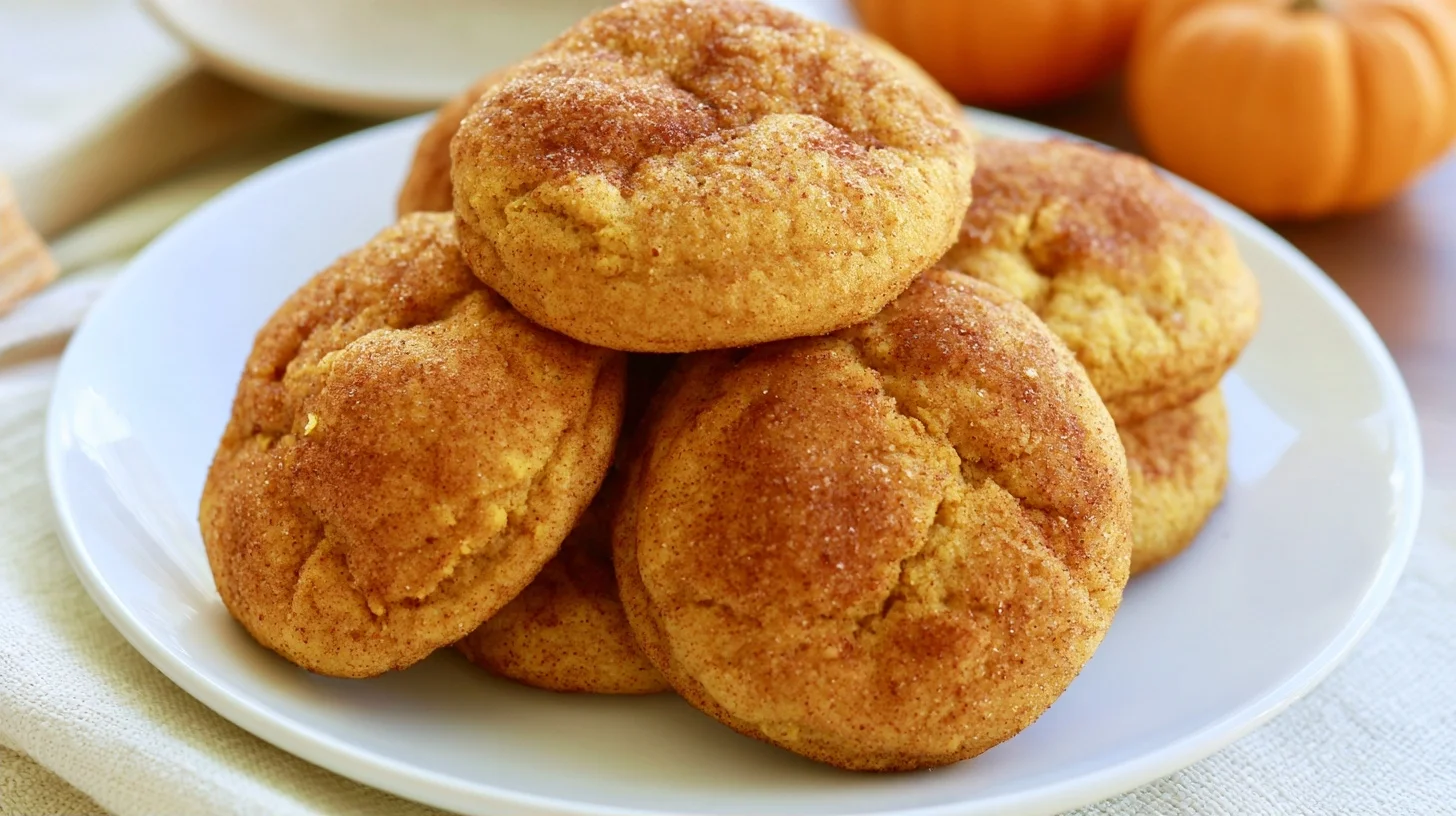
Pumpkin Snickerdoodle Cookies
24
servings15
minutes12
minutes120
kcalThese soft, chewy pumpkin snickerdoodle cookies combine the warm spice of cinnamon sugar with the moisture and flavor of pumpkin puree. The result is a cookie that stays tender for days and delivers classic snickerdoodle taste with a seasonal twist.
Keep the screen of your device on
Ingredients
2.5 cups all-purpose flour
1 teaspoon baking soda
1 teaspoon ground cinnamon
0.5 teaspoon salt
0.5 cup unsalted butter
1 cup granulated sugar
0.5 cup pumpkin puree
1 large egg
1 teaspoon vanilla extract
2 tablespoons ground cinnamon
Directions
- Preheat your oven to 350°F and line two baking sheets with parchment paper. This prevents the cookies from sticking and promotes even browning on the bottoms.
- Whisk together the flour, baking soda, 1 teaspoon cinnamon, and salt in a medium bowl until evenly combined. Set this aside while you prepare the wet ingredients.
- Beat the softened butter and 1 cup of sugar in a large bowl with an electric mixer on medium speed for about 2 minutes, until the mixture is light and fluffy. This incorporates air that helps create a softer texture.
- Add the pumpkin puree, egg, and vanilla extract to the butter mixture and beat on low speed until fully combined. The mixture may look slightly curdled, but it will come together when you add the flour.
- Add the dry ingredients to the wet ingredients and mix on low speed just until no flour streaks remain. Overmixing can make the cookies tough, so stop as soon as the dough comes together.
- Combine the remaining 1/3 cup sugar and 2 tablespoons cinnamon in a small bowl. This is your coating mixture.
Notes
- Measuring pumpkin puree by spooning it into the measuring cup and leveling it off prevents adding too much moisture, which would make the dough too soft to handle and cause flat cookies.
- If your dough feels too sticky to roll into balls, refrigerate it for 15 minutes to firm it up before shaping.
- Store the cookies in an airtight container at room temperature for up to 5 days. Adding a slice of bread to the container helps maintain softness.
Nutrition Facts
- Serving Size: 1 g
- Total number of serves: 24
- Calories: 120kcal
- Fat: 5g
- Carbohydrates: 18g
- Fiber: 1g
- Protein: 1g
Did you make this recipe?
Tag @therecipemasterblog on Instagram and hashtag it with #therecipemaster
Like this recipe?
Follow @therecipemasterblog on Pinterest
Follow us on Facebook!
Follow The Recipe Master on Facebook
Tips for the Best Pumpkin Snickerdoodle Cookies
Getting the texture right depends on managing the moisture from the pumpkin and creating enough structure to support the cinnamon sugar coating. These tips address the most common issues that affect softness, spread, and flavor.
Use Pumpkin Puree, Not Pumpkin Pie Filling
Pure pumpkin puree contains only cooked pumpkin with no added sugar or spices. Pumpkin pie filling includes sweeteners and spice blends that will throw off the recipe’s balance and make the cookies overly sweet. Always check the label to confirm you’re using 100% pumpkin.
Measure Pumpkin Puree by Spooning and Leveling
Pumpkin puree is dense and can pack down in the measuring cup. Spooning it in and leveling with a knife prevents adding too much moisture, which would make the dough too soft to roll and cause the cookies to spread flat during baking.
Don’t Skip the Cinnamon Sugar Roll
Rolling each dough ball generously in cinnamon sugar before baking creates the signature crackled top and adds sweetness to every bite. The sugar also helps form a slight crust that contrasts with the soft interior. For more pumpkin cookie variations, try adding chocolate chips or a cream cheese glaze.
Bake Until the Edges Are Set but Centers Look Slightly Underdone
Pumpkin snickerdoodles continue baking on the hot pan after you remove them from the oven. Taking them out when the centers still look soft prevents overbaking, which would make them dry and cakey instead of chewy.
Let Cookies Cool on the Pan for Five Minutes
This resting time allows the cookies to firm up enough to transfer without breaking. Moving them too soon can cause them to fall apart, while leaving them on the pan too long can make the bottoms too crisp.
Common Mistakes When Making Pumpkin Snickerdoodles
Adding Too Much Pumpkin Puree
Extra pumpkin makes the dough too wet to handle and causes the cookies to spread into flat, cake-like discs. This happens when the pumpkin is packed into the measuring cup instead of spooned in loosely. To fix dough that’s too soft, add flour one tablespoon at a time until it’s thick enough to roll into balls that hold their shape.
Overbaking the Cookies
Leaving the cookies in the oven until the centers are completely set results in dry, hard cookies. The residual heat from the baking sheet finishes the baking process, so removing them when they still look slightly soft ensures they stay chewy. Set a timer and check at the minimum baking time to avoid this.
Using Cold Butter
Cold butter won’t cream properly with the sugar, which means less air gets incorporated into the dough. This results in dense, flat cookies instead of soft, puffy ones. Let the butter sit at room temperature for about 30 minutes, or cut it into small pieces to speed up softening.
Skipping the Parchment Paper
Baking directly on the sheet can cause the bottoms to brown too quickly and stick. Parchment paper creates a barrier that promotes even browning and makes removing the cookies effortless. If you don’t have parchment, a silicone baking mat works just as well.
Ways to Customize Pumpkin Snickerdoodle Cookies
Add White Chocolate Chips
Folding in half a cup of white chocolate chips adds sweetness and richness that pairs beautifully with pumpkin and cinnamon. The chips melt slightly during baking, creating pockets of creamy sweetness throughout each cookie.
Make Them Gluten-Free
Replace the all-purpose flour with a 1:1 gluten-free baking flour blend that contains xanthan gum. The texture will be slightly more delicate, but the cookies will still be soft and flavorful. Avoid using single-ingredient flours like almond or coconut flour, as they don’t provide the same structure.
Try Brown Butter for Deeper Flavor
Browning the butter before mixing it into the dough adds a nutty, caramelized flavor that complements the pumpkin and spices. Let the browned butter cool to room temperature before using it, or it will cook the egg when you mix them together. For a full brown butter pumpkin cookie experience, this technique works beautifully.
Make Mini Cookies
Use a smaller cookie scoop to make bite-sized snickerdoodles that bake in about 8 minutes. These are perfect for parties or when you want more cookies from the same batch. Just watch them closely, as smaller cookies can overbake quickly.
Nutrition in Pumpkin Snickerdoodle Cookies
Each cookie contains approximately 120 calories, with 5 grams of fat, 18 grams of carbohydrates, and 1 gram of protein. The pumpkin adds a small amount of vitamin A and fiber, though these are primarily a treat rather than a health food. Using less sugar in the coating or reducing the butter slightly can lower the calorie count, but it may also affect the texture.
Serving Ideas for Pumpkin Snickerdoodles
These cookies pair perfectly with hot apple cider, chai tea, or a simple glass of cold milk. Serve them as part of a fall dessert spread alongside pumpkin pie or apple crisp. They’re also excellent for gifting—pack them in a tin with parchment paper between layers to keep them from sticking together.
For a more indulgent presentation, sandwich two cookies together with cream cheese frosting or dulce de leche. The soft texture holds up well to fillings without crumbling.
How to Store Pumpkin Snickerdoodle Cookies
Store the cookies in an airtight container at room temperature for up to five days. Placing a slice of bread in the container helps maintain moisture and keeps the cookies soft. If the bread gets stale, replace it with a fresh slice.
To freeze, arrange the baked cookies in a single layer on a baking sheet and freeze until solid, then transfer them to a freezer-safe bag or container. They’ll keep for up to three months. Thaw at room temperature for about 20 minutes before serving, or warm them in a 300°F oven for 5 minutes to refresh the texture.
You can also freeze the dough balls after rolling them in cinnamon sugar. Place them on a baking sheet, freeze until firm, then store in a freezer bag. Bake directly from frozen, adding 1 to 2 minutes to the baking time.
Frequently Asked Questions about Pumpkin Snickerdoodle Cookies Recipe
Yes, you can substitute pumpkin pie spice for the cinnamon in both the dough and the coating. This will add nutmeg, ginger, and clove notes that complement the pumpkin flavor. Use the same measurement as you would for cinnamon.
Flat cookies usually result from too much pumpkin puree or dough that’s too warm. Make sure you’re measuring the pumpkin by spooning it into the cup rather than packing it. If the dough feels too soft to roll into balls, refrigerate it for 15 minutes before shaping.
No, cream of tartar is not necessary for this recipe. Traditional snickerdoodles use cream of tartar to create a tangy flavor and chewy texture, but the pumpkin puree provides enough acidity and moisture to achieve a similar result without it.
The cookies are done when the edges are set and lightly golden, but the centers still look slightly soft and puffy. They will continue to bake on the hot pan after you remove them from the oven, so taking them out at this point prevents overbaking and keeps them chewy.





Leave a Reply