
- Use day-old, refrigerated rice to keep grains separate and avoid mushy texture.
- Reserve bean liquid and add gradually to color rice without making it soupy.
- Fry aromatics until soft and slightly caramelized for a deep flavor base.
- Finish on high heat briefly for a slight crisp and authentic Gallo Pinto texture.
I will never forget my first morning in the Nicoya Peninsula. The air was humid, the monkeys were howling, and the smell of sautéing onions and cilantro was hypnotic. That was the day I fell in love with this authentic gallo pinto recipe. It is more than just rice and beans; it is the heartbeat of Costa Rica. “Gallo Pinto” translates to “spotted rooster,” referring to the speckled appearance of the black beans mixed with the white rice.
While it is traditionally served as a breakfast staple alongside eggs and fried plantains, this dish fits perfectly into any meal plan. It is a quick weeknight meal if you have leftovers, and it is certainly a healthy comfort food option packed with fiber and protein. Whether you are fueling up for a hike or just want a savory start to your Tuesday, this gallo pinto recipe brings the warmth of the tropics to your table.
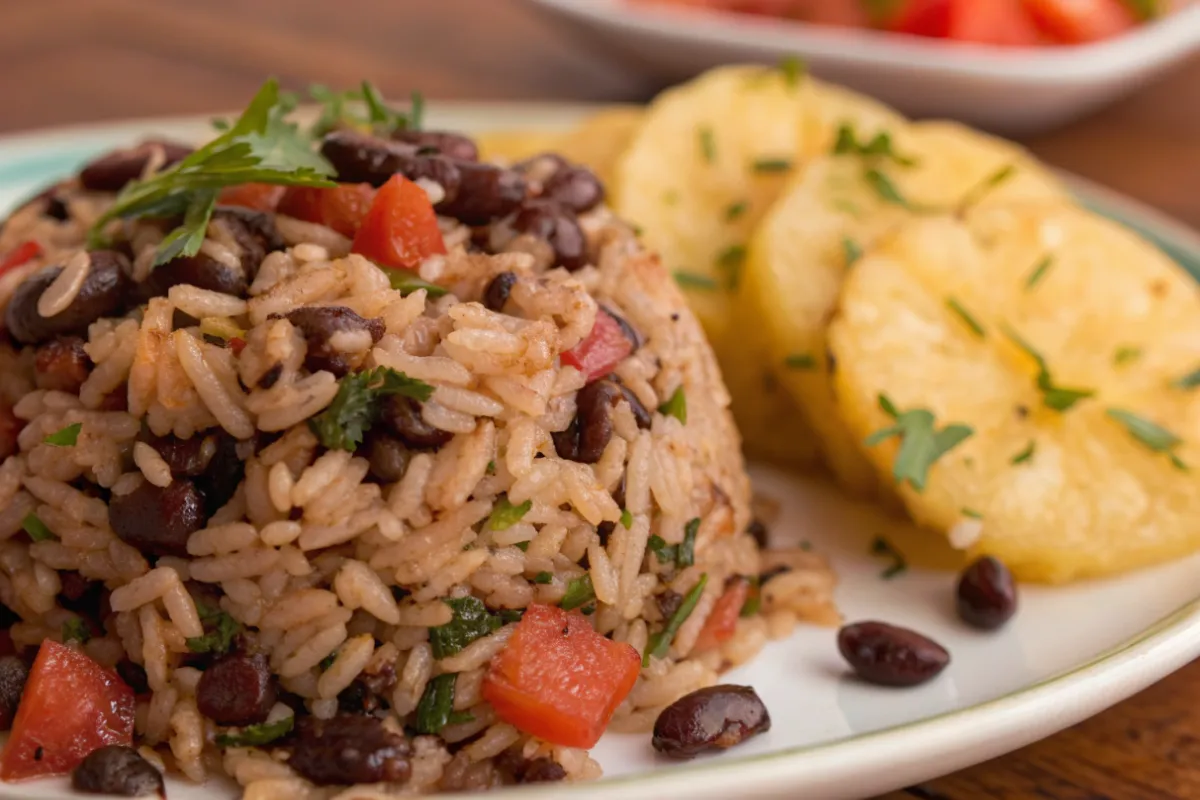
Table of contents
Gallo Pinto Recipe Card
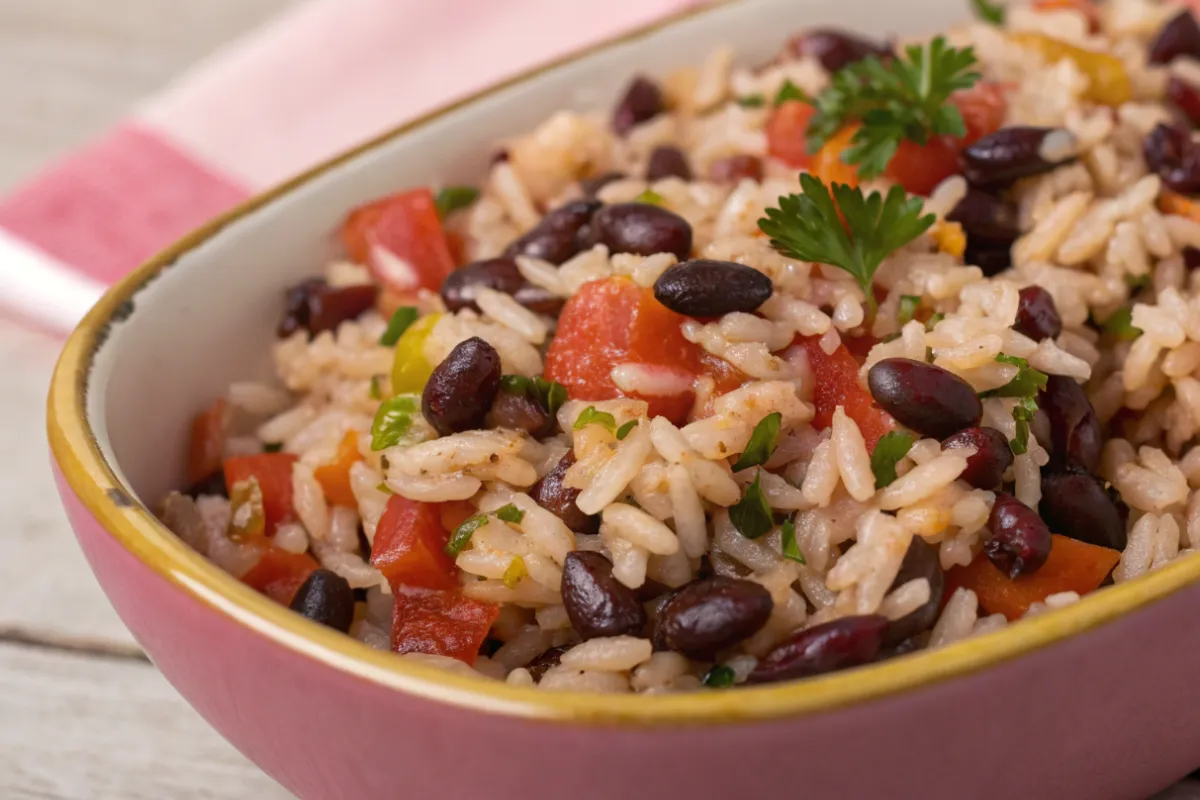
Gallo Pinto Recipe
4
servings10
minutes15
minutes320
kcalThis traditional Costa Rican gallo pinto recipe features stir-fried rice and black beans seasoned with aromatics and the famous Salsa Lizano. It is a savory, satisfying dish perfect for breakfast or a side
Keep the screen of your device on
Ingredients
2.0 tablespoons Vegetable Oil
1.0 small Yellow Onion, finely chopped
1.0 small Red Bell Pepper, finely chopped
2.0 cloves Garlic, minced
2.0 cups Black Beans, cooked (reserve 0.25 cup of the liquid)
3.0 cups Day-Old White Rice, cooked
3.0 tablespoons Salsa Lizano (or Worcestershire sauce)
0.5 cup Fresh Cilantro, chopped
1.0 pinch Salt and Black Pepper
Directions
- Start by heating the vegetable oil in a large skillet or wok over medium-high heat. Once the oil is shimmering, add the chopped onion and red bell pepper. Sauté them for about 5.0 minutes until the onions are translucent and the peppers are soft. Add the minced garlic and cook for another minute until fragrant.
- Next, add the cooked black beans and the reserved bean liquid (the “caldo”) to the skillet. Stir well to combine with the vegetables. Let this simmer for just a minute to heat the beans through.
- Now, add the day-old white rice to the pan. Pour the Salsa Lizano over the rice. Gently stir and toss everything together until the rice is evenly coated and takes on a spotted, dark color. Cook for about 3.0 to 5.0 minutes, stirring occasionally, until the liquid has evaporated and the rice is hot and slightly fried.
- Remove the pan from the heat. Stir in the fresh chopped cilantro and season with salt and pepper to taste. Serve hot, traditionally with scrambled eggs and sour cream.
Notes
- Rice Texture: Using warm, freshly cooked rice will result in a gummy texture. Always use cold rice.
- Salsa Lizano: If you cannot find it, mix Worcestershire sauce with a pinch of cumin and turmeric.
- Storage: This keeps excellently in the fridge for up to 5 days, making it great for meal prep.
Nutrition Facts
- Fat: 8g
- Sodium: 450mg
- Carbohydrates: 54g
- Protein: 10g
Did you make this recipe?
Tag @therecipemasterblog on Instagram and hashtag it with #therecipemaster
Like this recipe?
Follow @therecipemasterblog on Pinterest
Follow us on Facebook!
Follow The Recipe Master on Facebook
The Night Before Strategy
The golden rule of any fried rice dish applies here: moisture is the enemy of a good fry. To ensure your gallo pinto recipe turns out perfectly, prep is essential.
- Cook Rice Early: Make your white rice the day before. Spread it on a baking sheet to cool, then refrigerate. This dries out the grains.
- Save the Bean Broth: When cooking your beans (or opening a can), do not drain all the liquid. You need that dark, starchy “liquor” to color the rice.
- Chop Aromatics: Dice your onions, bell peppers, and cilantro in advance and store them in airtight containers.
- Sourcing: Buy a bottle of Salsa Lizano online or at a Latin market beforehand. Worcestershire sauce is a passable substitute, but not identical.
Why This Gallo Pinto Recipe Work
What makes this specific gallo pinto recipe superior to a standard bowl of rice and beans? It comes down to two crucial elements: texture and the secret sauce. Unlike Caribbean variations that cook the rice and beans together in coconut milk, this technique uses pre-cooked, day-old rice. This ensures that every grain remains distinct and “fried” rather than turning into a mushy porridge.
The second key is Salsa Lizano. This vegetable-based condiment is tangy, slightly sweet, and savory. Without it, you are just eating rice and beans; with it, you are eating Gallo Pinto. This recipe works because it balances the earthiness of the beans with the freshness of cilantro and the acidity of the sauce.
This dish is naturally gluten-free (check your sauce label) and vegan-friendly. It is a cornerstone of the diet in the Blue Zones, known for longevity. To understand why this combination is a nutritional powerhouse, read about the science of complete proteins.
Avoiding Mushy Pinto
I have cooked this dish hundreds of times, and here are my top tips to elevate your gallo pinto recipe:
- Don’t Over-Stir: When you add the rice, fold it in gently. Aggressive stirring will break the grains and release too much starch.
- The “Pot Liquor” Trick: Add the reserved bean liquid gradually. You want enough to stain the rice purple-black, but not enough to make it soupy.
- Fry the Aromatics: Sauté the onions and peppers until they are very soft and slightly caramelized before adding the beans. This builds the flavor base.
- High Heat: Finish the dish with a minute of high heat to get a slight crisp on the rice.
For more techniques on handling rice and grains, check out the Serious Eats guide to cooking rice.
Customizing Your Bowl
The Nicaraguan Style
There is a friendly rivalry between Costa Rica and Nicaragua over the origin of this dish. The primary difference lies in the bean. The Nicaraguan version typically uses small red silk beans instead of black beans. The preparation is similar, but the flavor profile is slightly earthier and less sweet.
The Caribbean Coconut Twist
On the Caribbean coast of Costa Rica (Limon province), they make “Rice and Beans” which is distinct from Gallo Pinto. They cook the rice and beans together in coconut milk with thyme and habanero peppers. You can adapt this gallo pinto recipe by using coconut oil for frying to get a hint of that tropical flavor.
Expert Answers
While the ingredients are similar, the technique differs. “Rice and Beans” usually refers to the Caribbean method where they are cooked together in coconut milk. This gallo pinto recipe cooks them separately and then fries them together with seasonings.
Traditionally, it is served with scrambled or fried eggs, slices of fried cheese (Queso Frito), corn tortillas, sour cream (Natilla), and sweet plantains.
This usually happens because the rice was too fresh or hot when added to the pan. Always use day-old, refrigerated rice. Alternatively, you may have added too much bean liquid.
Start Your Day the Pura Vida Way
I hope this gallo pinto recipe inspires you to try something new for breakfast. It is an honest, humble dish that delivers massive flavor and keeps you full for hours. The combination of textures and the savory tang of the sauce makes it addictive in the best way possible.
Give this recipe a try this weekend. It might just become your new Sunday morning tradition. If you enjoyed this guide, you might also like my Cheese Enchilada Recipe or my Grilled Street Corn Recipe. Happy cooking!








Leave a Reply