
- Sprout grains and legumes 2–3 days, rinsing twice daily, after an 8–12 hour initial soak.
- Dry sprouts completely before milling or mash wet sprouts for a dense manna-style loaf.
- Add a tablespoon of vital wheat gluten to help structure and improve rise with legume flours.
- Knead just until cohesive and elastic; avoid over-kneading to prevent a tough loaf.
- Use a touch of honey or molasses to feed yeast and balance earthy flavors; tap bottom to check doneness.
I still remember the first time I read the specific verse in Ezekiel 4:9. It listed wheat, barley, beans, lentils, millet, and spelt. I was fascinated by the idea that a recipe thousands of years old could still be relevant. This homemade Ezekiel bread recipe is my interpretation of that ancient wisdom, tailored for the modern home baker. It is dense, nutty, and incredibly satisfying.
This bread fits perfectly into a health-conscious lifestyle as a wholesome breakfast toast or a hearty sandwich base. Unlike the fluffy white loaves we are used to, this is a healthy comfort food option that fuels your body with complete proteins. It requires patience, but the smell of toasted grains filling your kitchen is worth every minute.

Table of contents
The Sprouting Schedule
Making this Ezekiel bread recipe is a multi-day process, mostly due to the sprouting. Here is how to prep ahead so you are not rushing later:
- Soak Early: You need to soak the wheat berries, spelt, barley, and lentils for at least 8 to 12 hours before sprouting.
- The Sprouting Phase: Allow 2 to 3 days for the tails to appear on your grains. Rinse them twice a day.
- Dehydrating or Milling: If you are grinding your own flour, the sprouts must be completely dry (dehydrated) before milling. Alternatively, you can mash wet sprouts into a dough for a denser “manna” style bread.
- Yeast Proofing: Check your active dry yeast expiration date before you start mixing the final dough.
Ezekiel Bread Recipe Card
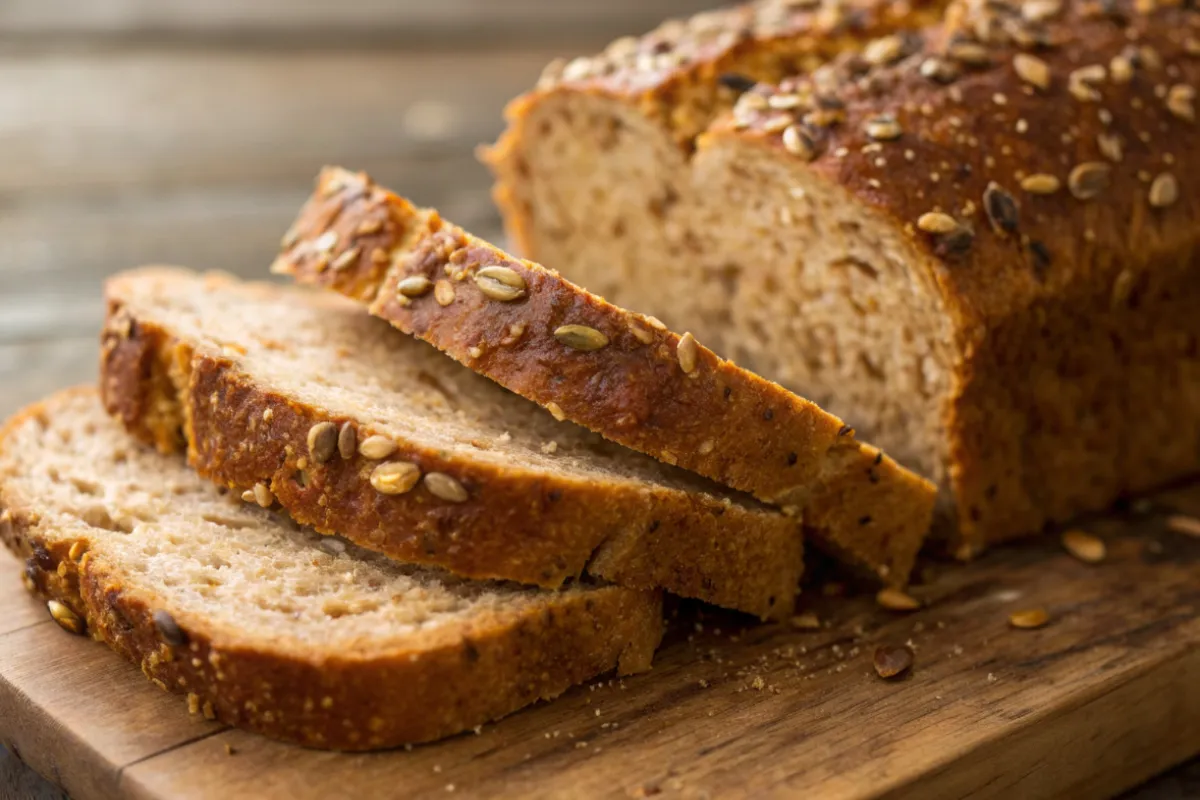
Ezekiel Bread Recipe
16
servings40
minutes50
minutes180
kcalThis homemade Ezekiel bread recipe uses a blend of sprouted wheat, barley, beans, lentils, millet, and spelt to create a nutrient-dense, complete protein loaf. It is nutty, earthy, and perfect for toasting.
Keep the screen of your device on
Ingredients
2.5 cups Sprouted Wheat Flour (or hard red wheat berries)
1.5 cups Sprouted Spelt Flour
0.5 cup Barley Flour
0.25 cup Millet Flour
0.25 cup Dry Green Lentils (ground into flour)
2.0 tablespoons Great Northern Beans (ground into flour)
1.0 cup Warm Water (110°F)
1.0 package (2.25 tsp) Active Dry Yeast
2.0 tablespoons Honey
2.0 tablespoons Olive Oil
1.0 teaspoon Sea Salt
Directions
- First, if you are making your own flour, grind your dried sprouted grains and beans into a fine powder. In a large bowl or stand mixer, combine the warm water, honey, and yeast. Let it sit for about 5.0 minutes until it becomes foamy.
- Add the olive oil and salt to the yeast mixture. Slowly begin to add the various flours—wheat, spelt, barley, millet, lentil, and bean. Stir continuously until a rough dough forms. If the dough is too dry, add water one tablespoon at a time. It should be tacky but not sloppy.
- Knead the dough on a lightly floured surface for about 10.0 minutes. You want to develop the gluten structure. Place the dough in a greased bowl, cover it with a damp cloth, and let it rise in a warm place for 60.0 minutes, or until it has doubled in size.
- Punch the dough down gently to release air bubbles. Shape it into a loaf and place it into a greased 9×5 inch loaf pan. Cover it again and let it rise for another 30.0 minutes.
- Preheat your oven to 350°F (175°C). Bake the loaf for 45.0 to 50.0 minutes. The top should be golden brown. Remove it from the pan and let it cool completely on a wire rack before slicing.
Nutrition Facts
- Fat: 2g
- Sodium: 150mg
- Carbohydrates: 34g
- Protein: 8g
Did you make this recipe?
Tag @therecipemasterblog on Instagram and hashtag it with #therecipemaster
Like this recipe?
Follow @therecipemasterblog on Pinterest
Follow us on Facebook!
Follow The Recipe Master on Facebook
Why This Sprouted Loaf Is Superior
The true magic of this Ezekiel bread recipe lies in the sprouting process. Most commercial breads use refined flour that spikes blood sugar. By sprouting the grains and legumes first, we unlock vital nutrients and lower the glycemic index. This process breaks down anti-nutrients like phytic acid, making the minerals easier to absorb.
This recipe stands out because it balances the density of legumes (lentils and beans) with the structure of wheat and spelt. It creates a loaf that is firm but not brick-like. Customization is easy here; if you are sensitive to gluten, you can experiment with gluten-free ancient grains, though the texture will change. To understand why sprouted grains are a nutritional powerhouse, read about the benefits of sprouted grains. This bread is a complete protein source, containing all nine essential amino acids, which is rare for plant-based foods.
Pro Tips for Success
Working with low-gluten flours and legumes can be tricky. Here are my tips to ensure your Ezekiel bread recipe rises beautifully:
- Vital Wheat Gluten: Because beans and lentils have no gluten, adding a tablespoon of vital wheat gluten helps the bread hold its structure and rise higher.
- Don’t Over-Knead: This dough is sticky. Over-working it can make the bread tough. Knead just until it is cohesive and elastic.
- Use Sweetener Wisely: A touch of honey or molasses not only feeds the yeast but balances the earthy flavor of the lentils.
- The Hollow Tap: To know when it is done, tap the bottom of the loaf. It should sound hollow. If it thuds, it needs more time.
For more technical advice on baking with non-traditional flours, check out King Arthur Baking’s guide to ancient grains.
Customizing Your Ezekiel Bread Recipe
The Cinnamon Raisin Breakfast Loaf
Add 2.0 teaspoons of cinnamon and 0.5 cup of raisins to the dough during the final mix. This version mimics the popular store-bought variety but is much fresher. The sweetness of the raisins complements the nutty spelt and barley perfectly. It makes for incredible French toast.
The Savory Herb and Garlic Twist
Incorporate 1.0 tablespoon of dried rosemary and 1.0 teaspoon of garlic powder into the dry flour mix. This savory variant is excellent for sandwiches or served alongside soups. You can even top it with sesame seeds or poppy seeds before baking for extra crunch and visual appeal.
This bread is the perfect vessel for my Homemade Cashew Butter, creating a protein-packed snack.
Troubleshooting Your Loaf
Yes, generally. The sprouting process increases nutrient availability and reduces antinutrients. It is also higher in protein and fiber compared to standard white or whole wheat breads.
No, it is not. It contains wheat, barley, and spelt, all of which contain gluten. It is not suitable for those with celiac disease, though some with mild sensitivity tolerate sprouted grains better.
Legume flours (lentil and bean) do not rise like wheat. If you add too much of these or do not knead enough to develop the wheat gluten, the loaf will be heavy.
Yes. Add the liquid ingredients first, then the dry ingredients, and finally the yeast. Use the “Whole Wheat” or “Basic” setting for the best results.
The Wholesome Loaf You Deserve
I hope this Ezekiel bread recipe finds a permanent spot in your baking rotation. It is a labor of love, but the nutritional payoff and the depth of flavor are unmatched. There is something deeply rewarding about baking a loaf that connects us to ancient traditions.








Leave a Reply