
- Whipped cottage cheese transforms curds into a silk-smooth, high-protein pudding that rivals mousse.
- Three ingredients: cottage cheese, liquid sweetener, and pure vanilla for a versatile, easy dessert.
- Use full-fat 4% cottage cheese for maximum creaminess; Good Culture and Daisy are top brand choices.
- Blend cold in a high-speed blender, drain excess whey if watery, and avoid adding fresh fruit inside.
- Stores refrigerated up to 4 days; do not freeze or use a food processor for true pudding texture.
I will be the first to admit it: I was a cottage cheese skeptic for the better part of a decade. To me, those lumpy curds represented a relic of 1970s diet culture, something to be tolerated, never enjoyed. But we are currently living through a culinary “cottage cheese renaissance”. This 3-ingredient Cottage Cheese Pudding recipe is the crown jewel of that movement.
By the time you finish this guide, you will understand how a simple tub of cheese can be transformed into a decadent, silk-smooth high protein dessert. Whether you need a healthy snack to curb late-night sugar cravings or a meal prep breakfast that keeps you full until noon, this whipped cottage cheese pudding is the structural foundation your diet has been missing.
Why You’ll Love This Blended Cottage Cheese Pudding
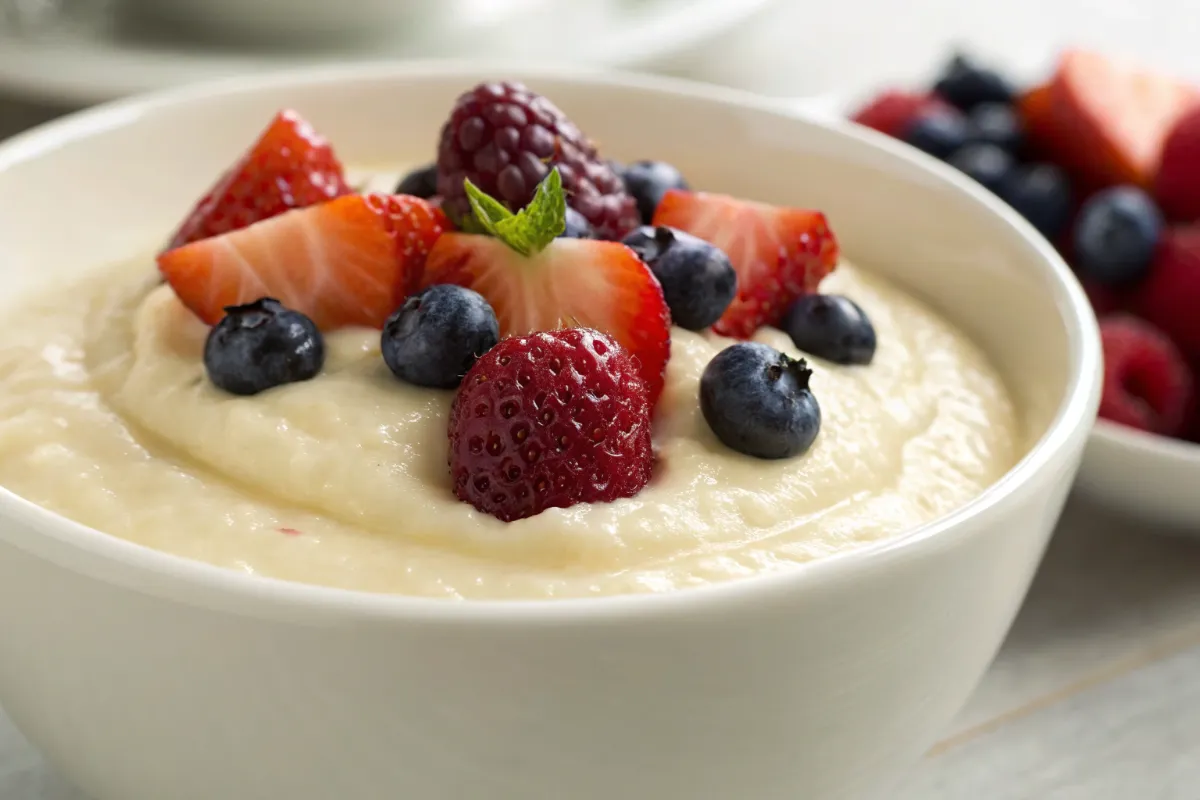
The magic of this pudding lies in its deception. When processed correctly, the distinct curds vanish, leaving behind a thick, creamy custard that rivals any store-bought mousse. This isn’t just a “diet version” of a treat; it is a standalone powerhouse of nutrition.
The flavor profile is incredibly versatile. Because cottage cheese has a naturally mild, slightly salty finish, it acts as a perfect canvas for sweeteners and aromatics. It provides a level of satiety that yogurt simply cannot match. If you have been looking for a keto-friendly dessert or a gluten-free protein snack that actually tastes like a reward, this is your solution. It is fast, affordable, and requires zero cooking skills.
The Protein Powerhouse Your Routine Needs
From a clinical nutrition perspective, this recipe is a goldmine. A single serving can easily provide 25 grams of protein, primarily in the form of casein. Casein is a slow-digesting protein, meaning it provides a steady release of amino acids into your bloodstream.
This makes cottage cheese pudding the ultimate pre-bedtime snack for muscle recovery or an excellent high-satiety lunch addition. Unlike high-sugar puddings that lead to a glucose spike and subsequent crash, this stabilized protein source keeps your energy levels consistent throughout the day.
Choosing Your Base: The Best Cottage Cheese Brands
Not all cottage cheese is created equal. The brand you choose will dictate the final texture and taste of your blended cottage cheese.
- Good Culture Cottage Cheese: This is my top professional recommendation. It is thick, significantly less “soupy” than competitors, and boasts a tangy, probiotic-rich profile. It creates a very sturdy pudding.
- Daisy Cottage Cheese: If you are sensitive to the “tang” of fermented foods, Daisy is your best bet. It has a clean, creamy sweetness and a very mild flavor that masks the “cheese” element perfectly.
- Organic Valley: For those watching their caloric intake, their 2% low-fat option is excellent. While I generally advocate for the 4% full-fat versions to achieve maximum creaminess, Organic Valley’s lower-fat curd still blends remarkably well without becoming thin.
Chef’s Note: Always aim for the 4% “Whole Milk” varieties for a true dessert experience. The fat content helps emulsify the mixture into a velvet-like consistency.
Ingredients You’ll Need
To keep this a true 3-ingredient recipe, we focus on high-impact components that work synergistically.
- 2.0 cups Cottage Cheese: Use a high-quality brand like Good Culture or Daisy.
- 2.0 tablespoons Liquid Sweetener: Maple syrup or honey works best. For a sugar-free, keto-friendly dessert, use a liquid monk fruit or allulose blend.
- 1.0 teaspoon Pure Vanilla Extract: This is non-negotiable for masking the natural sodium in the cheese.
Optional Chocolate Version: Substitute the vanilla for 0.25 cup of high-quality unsweetened cocoa powder. Similar to Cottage cheese Chocolate Mousse.
Expert Tips for the Perfect Texture
Aromatics over Solids: If you want to add flavor, use extracts or powders. Adding fresh fruit into the blender can introduce too much water, thinning out the consistency. Save the fresh berries for the topping.
The Moisture Factor: If your cottage cheese looks particularly watery in the tub, drain off the excess liquid before measuring. This ensures your pudding is thick enough to hold a spoon upright.
Temperature Matters: Blend the cheese while it is cold from the fridge. Friction from a high-speed blender generates heat; starting cold prevents the pudding from becoming “soupy” during the process.
Flavor Variations of Cottage Cheese Pudding to Keep it Fresh
- Peanut Butter Blast: Add 2.0 tablespoons of powdered peanut butter (PB2) for a massive flavor boost without the heavy fat of traditional nut butters.
- Lemon Cheesecake: Add 1.0 tablespoon of fresh lemon zest and 1.0 teaspoon of lemon juice. This heightens the tang of the Good Culture cottage cheese.
- Espresso Silk: Add 1.0 teaspoon of instant espresso powder to the chocolate version for a sophisticated, mocha-flavored high protein dessert.
Meal Prep and Storage Guide
This recipe is built for the busy professional. It stores beautifully in the refrigerator for up to 4 days. I recommend portioning the whipped cottage cheese into small glass jars immediately after blending.
Do not freeze this pudding. The freezing and thawing process breaks the emulsion, causing the water to separate from the fats, resulting in a grainy, unappealing texture. If you are using this as a meal prep breakfast, top it with granola or nuts only at the moment of consumption to maintain the crunch.
Cottage Cheese Pudding Recipe Card
Cottage Cheese Pudding Recipe
2
servings5
minutes0
minutes210
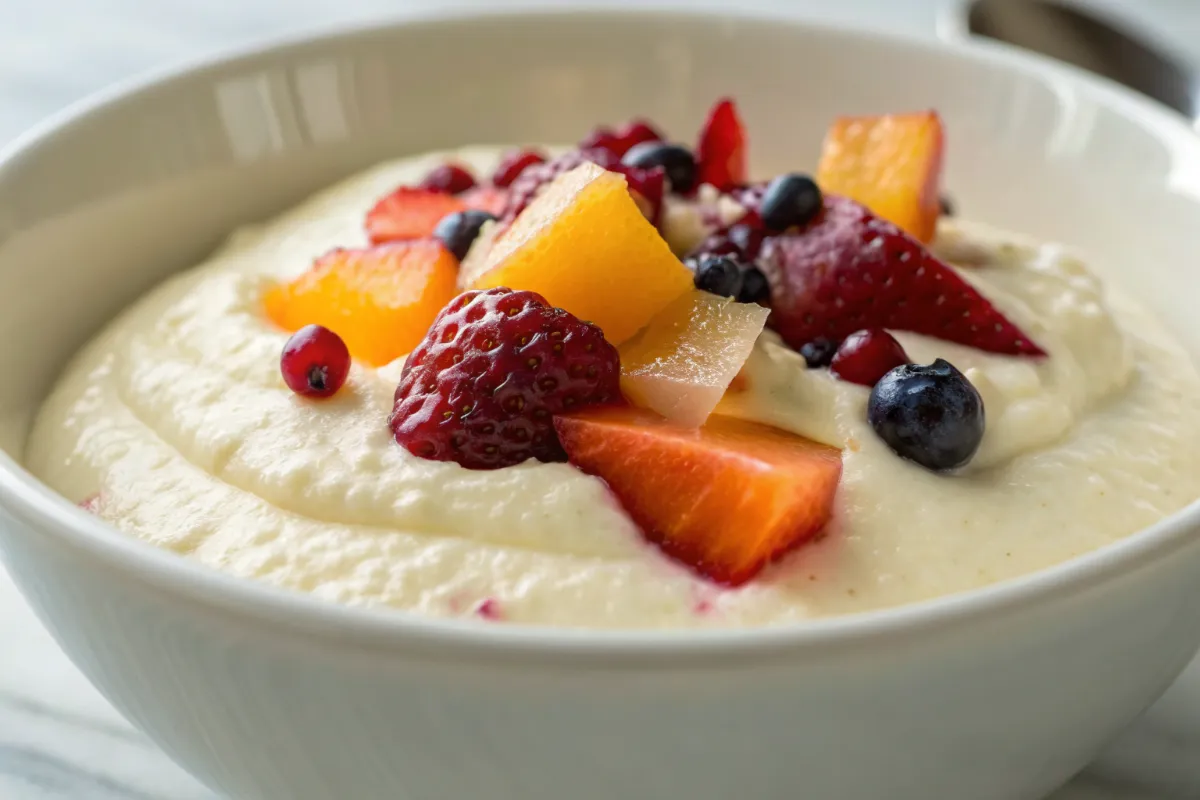
kcalHigh protein dessert with only 3 ingredients. You could have this cottage cheese pudding in the morning during breakfast or later on the day as a dessert.
Keep the screen of your device on
Ingredients
2.0 cups Cottage cheese (4% milkfat recommended)
2.0 tablespoons Maple syrup or honey
1.0 teaspoon Pure vanilla extract (or 0.25 cup cocoa powder for chocolate)
Directions
- The Equipment Choice: You must use a high-speed blender. A food processor will often leave behind tiny, “gritty” bits of curd. To achieve that commercial-grade pudding texture, the blades need to move fast enough to fully emulsify the fats and proteins.
- The Load: Add the cottage cheese to the blender base first, followed by your liquid sweetener and vanilla.
- The Blend: Start on a low speed to break up the curds, then quickly ramp up to high. Blend for 60 to 90 seconds. You are looking for a glossy sheen on the surface.
- The Taste Test: Cottage cheese is preserved in a light brine. If you still taste a hint of salt, add an extra 0.5 teaspoon of vanilla or a pinch of stevia. The vanilla extract is chemically designed to bridge the gap between savory and sweet.
Notes
- Don’t Halve the Recipe: Most high-speed blenders require a certain volume to engage the blades effectively. If you try to blend only 1.0 cup, the mixture will just splash against the sides.
- Chill for 30 Minutes: While you can eat it immediately, the flavors meld and the texture “sets” significantly after a short stay in the refrigerator.
- The Salt Solution: If the saltiness bothers you, use a brand like Daisy which is known for a lower sodium perception.
Nutrition Facts
- Fat: 8g
- Carbohydrates: 12g
- Protein: 25g
Did you make this recipe?
Tag @therecipemasterblog on Instagram and hashtag it with #therecipemaster
Like this recipe?
Follow @therecipemasterblog on Pinterest
Follow us on Facebook!
Follow The Recipe Master on Facebook
FAQ about Cottage Cheese Pudding
I do not recommend it. A food processor doesn’t have the RPMs necessary to pulverize the curds into a truly smooth pudding. You will likely end up with a texture similar to ricotta—tasty, but not “pudding-like.”
Yes. Once the texture is removed, the flavor is very similar to a mild cheesecake or a thick Greek yogurt. It is the texture, not the taste, that usually turns people off from cottage cheese.
Standard 4% cottage cheese contains about 12.0g to 14.0g of protein per half-cup. By using a full cup for your serving, you are hitting that 25 grams of protein threshold effortlessly.
Final Thoughts on the Renaissance
Transitioning to a high-protein lifestyle doesn’t mean sacrificing the joy of a creamy dessert. This high protein dessert proves that with the right technique and a high-speed blender, you can enjoy the best of both worlds. I encourage you to stop viewing cottage cheese as a side dish and start seeing it as the ultimate versatile ingredient for your health journey.











Leave a Reply