
- Bring eggs and cottage cheese to room temperature 30 minutes before blending for perfect emulsification.
- Blend well—extra 60 seconds—to fully pulverize curds and achieve a silky, bakery-quality texture.
- Cool slowly: turn off oven, crack door, let cake sit 30 minutes to prevent sinking and cracks.
- Customize smartly: swap crusts for gluten-free or use erythritol for keto; lemon, chocolate, or pumpkin variations work well.
For years, cottage cheese was the neglected tub at the back of the fridge. However, the culinary world has recently rediscovered its magic, and this Cottage Cheese Cheesecake is the crowning achievement of that revival. I truly believe that once you taste the silky, tangy results of this recipe, you will never look back at traditional versions. This dish fits perfectly as a healthy comfort food option or a centerpiece festive dish for your next gathering.
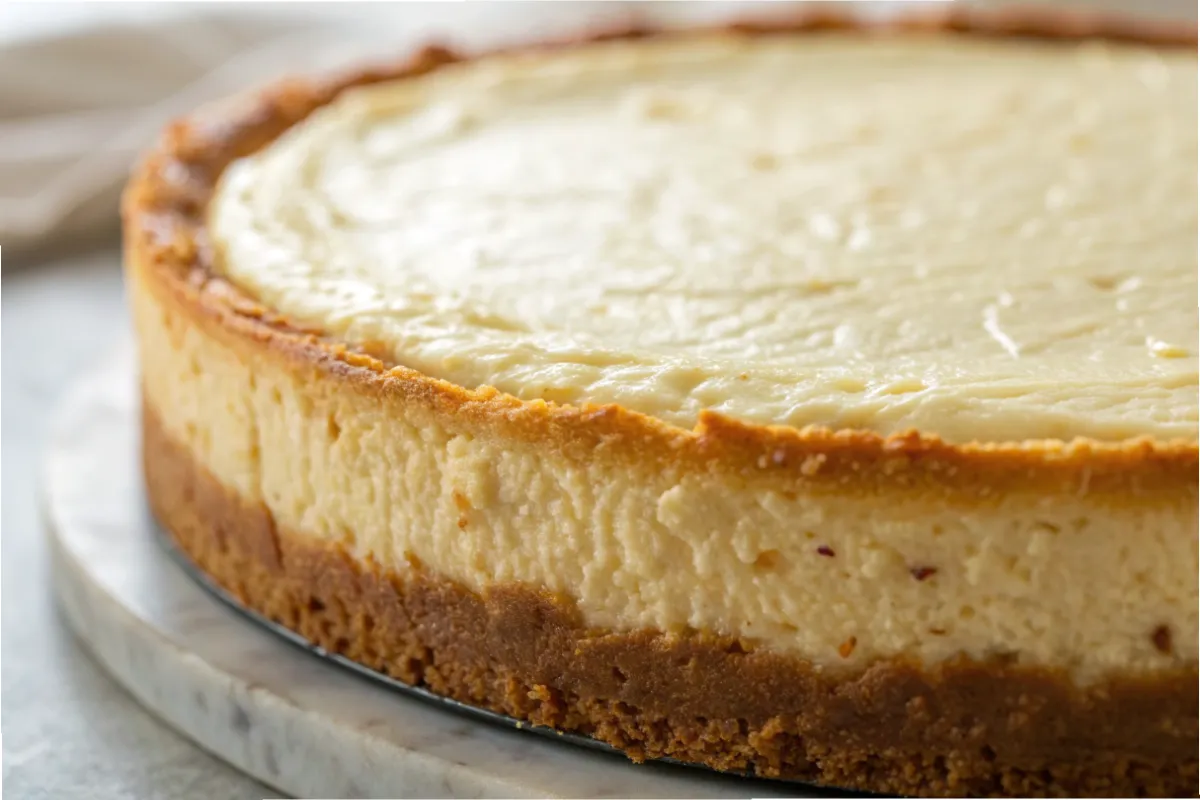
Table of contents
Smooth Baking Workflow
Organization is the secret ingredient to any successful bake. To make this Cottage Cheese Cheesecake without the stress, follow these steps:
- Room Temperature Ingredients: Pull your eggs and cottage cheese out 30.0 minutes early. This ensures they emulsify perfectly in the blender.
- The Crust Foundation: You can crush your graham crackers or digestive biscuits and mix them with butter a day in advance. Store the crumbs in a sealed bag.
- Straining (Optional): If you use a very “wet” brand of cottage cheese, let it sit in a fine-mesh strainer for 10.0 minutes to remove excess whey.
- Oven Calibration: Preheat your oven at least 20.0 minutes before you intend to bake. Accurate temperature is vital for a perfect set.
Cottage Cheese Cheesecake Recipe Card
Cottage Cheese Cheesecake Recipe
8
servings15
minutes45
minutes220
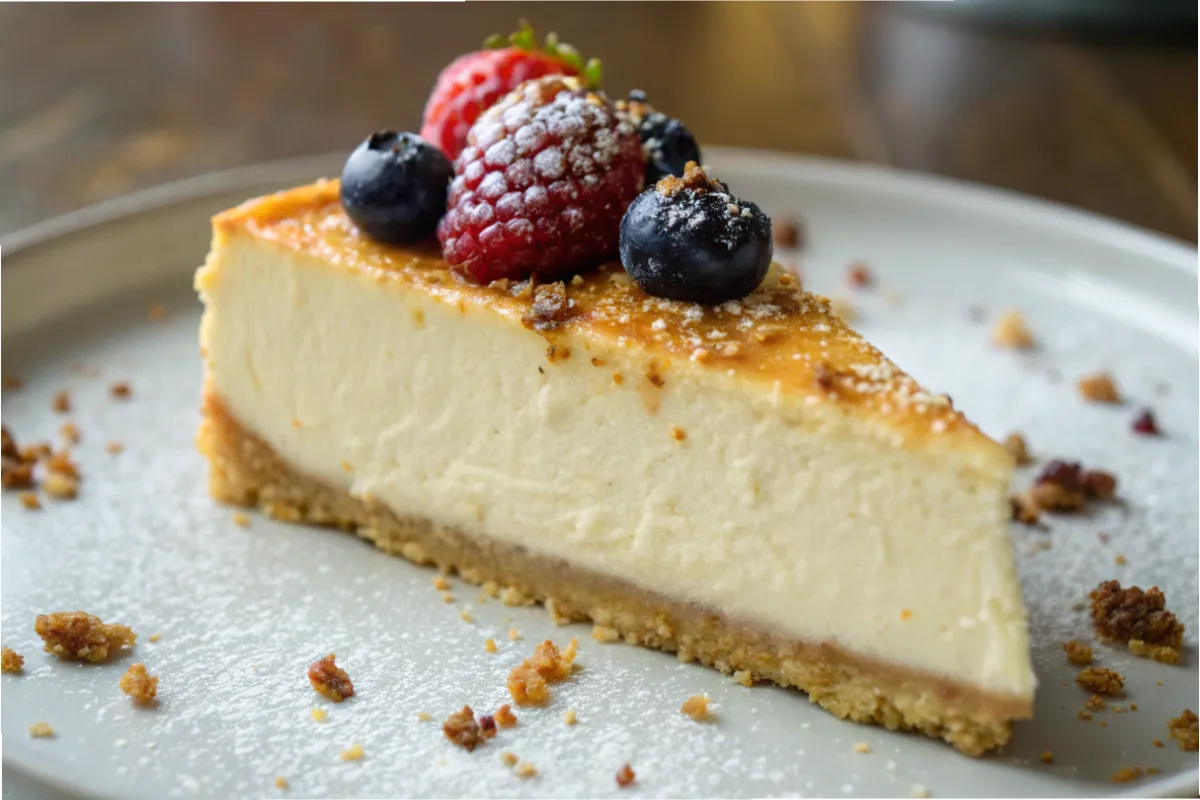
kcalThis Cottage Cheese Cheesecake is a high-protein, low-fat alternative to the classic dessert. It features a crisp crust and a silky, tangy filling that melts in your mouth.
Keep the screen of your device on
Ingredients
2.0 cups Cottage Cheese (full fat or 2% for best texture)
3.0 large Eggs
0.5 cup Maple Syrup or Honey
1.0 tablespoon Vanilla Extract
2.0 tablespoons Cornstarch or Almond Flour
1.0 cup Graham Cracker crumbs
3.0 tablespoons Unsalted Butter (melted)
Directions
- Start by preparing your crust. Mix the graham cracker crumbs with the melted butter until it feels like wet sand. Press this firmly into the bottom of a 7.0 inch springform pan. Bake the crust for 8.0 minutes at 350°F (175°C) and then let it cool.
- While the crust cools, place the cottage cheese, eggs, maple syrup, vanilla, and cornstarch into a high-speed blender. This is the most important part of making a Cottage Cheese Cheesecake. Blend on high for at least 2.0 minutes. You want a liquid that looks like heavy cream with absolutely no lumps.
- Pour the smooth batter over your cooled crust. Gently tap the pan on the counter to remove any bubbles.
- Place the pan in the oven at 325°F (160°C). Bake for about 45.0 to 50.0 minutes. The edges should be set, but the center should still have a slight jiggle.
- Turn off the oven and let the cake sit inside with the door cracked for 30.0 minutes. Afterward, move it to the counter to cool completely.
- Once at room temperature, refrigerate the cake for at least 4.0 hours, or preferably overnight. This allows the proteins to set and the flavors to develop.
Notes
- Avoid Non-Fat: I highly recommend using at least 2.0% milk fat. Non-fat cottage cheese can result in a rubbery texture.
- Sweetness: If you use honey, the cake will brown slightly more than if you use maple syrup.
- Toppings: This cake is excellent topped with fresh macerated strawberries or a drizzle of dark chocolate.
Nutrition Facts
- Fat: 9g
- Sodium: 210mg
- Carbohydrates: 24g
- Protein: 12g
Did you make this recipe?
Tag @therecipemasterblog on Instagram and hashtag it with #therecipemaster
Like this recipe?
Follow @therecipemasterblog on Pinterest
Follow us on Facebook!
Follow The Recipe Master on Facebook
Nutritional Goldmine
What makes this specific Cottage Cheese Cheesecake superior to other variations is the unique protein structure of the cheese. While cream cheese is high in fat, cottage cheese provides a dense, custardy texture with significantly more protein. When you blend it at high speeds, the curds vanish. You are left with a velvety base that rivals any high-end bakery.
Moreover, this recipe is a dream for customization. You can easily adapt it for keto diets by using an erythritol-based sweetener. If you prefer a gluten-free version, simply swap the crust for a nut-based alternative. To understand the full scope of dairy nutrition, check out this guide on the health benefits of cottage cheese. The added moisture in this cheese prevents the common “cracking” issue seen in traditional cheesecakes. This makes it much more forgiving for home bakers.
Pro Tips for Success
Achieving a professional finish requires a few chef secrets. Here is how I ensure my Cottage Cheese Cheesecake turns out flawless every single time:
- Blend Beyond Perfection: Do not just blend until it looks smooth. Blend for an extra 60.0 seconds. This incorporates air and ensures every single curd is pulverized.
- The Slow Cool Down: Never pull a cheesecake directly from a hot oven to a cold counter. Turn off the oven, crack the door, and let it sit for 30.0 minutes. This prevents the center from sinking.
- Quality Vanilla Matters: Since there are so few ingredients, use a high-quality vanilla bean paste or extract. It masks the “cheese” scent and brings out the sweetness.
- Tap the Pan: After pouring the batter, tap the pan firmly on the counter. This releases trapped air bubbles that could cause gaps in your finished slice.
For more technical advice on preventing cracks, visit The Spruce Eats Guide to Cheesecakes.
Customizing Your Cottage Cheese Cheesecake
The Lemon and Berry Fusion
If you want to brighten up your Cottage Cheese Cheesecake, add the zest of 1.0 large lemon to the blender. Once the batter is in the pan, swirl in 0.5 cups of fresh raspberry puree. The acidity of the fruit cuts through the richness of the cheese. It creates a beautiful marbled effect that looks stunning on a holiday table.
The Dark Chocolate Indulgence
For a richer experience, add 0.3 cups of high-quality cocoa powder and a dash of espresso powder to the mix. This turns the dessert into a deep, chocolatey mousse-like cake. I recommend serving this with a pinch of sea salt on top to balance the flavors.
The Pumpkin Spice Seasonal
During the autumn months, you can add 0.5 cups of pumpkin puree and 1.0 teaspoon of pumpkin pie spice. This version is incredibly moist. It serves as a fantastic healthy alternative to traditional pumpkin pie.
If you enjoy high-protein sweets, you must try my Apple Cheesecake Bars for another light dessert option.
Your Cheesecake Questions Answered
Compared to traditional cheesecake, this version is significantly healthier. It contains double the protein and roughly half the fat. Using natural sweeteners like maple syrup also reduces the glycemic impact.
It is very similar! The taste is slightly tangier, much like a cross between a traditional cheesecake and a high-quality Greek yogurt. If you blend it well, the texture is indistinguishable from standard versions.
Cracks usually occur from over-baking or cooling too quickly. Ensure you use the “oven-crack” cooling method mentioned in the instructions to keep the temperature change gradual.
I do not recommend making this without a blender or food processor. You need the mechanical force to break down the cheese curds. A hand whisk will result in a lumpy, unappealing texture.
A New Classic in Your Kitchen
I hope you feel inspired to try this Cottage Cheese Cheesecake. It truly is a testament to how modern cooking can reinvent classic comfort foods into something nutritious and delicious. Whether you are a fitness enthusiast or just someone who loves a good dessert, this recipe delivers on every front.




Leave a Reply