

There’s something magical about the way chimichurri chicken brings together the bright, herbaceous punch of Argentina’s beloved sauce with tender, juicy chicken. I first tasted this dish at a backyard asado in Buenos Aires, and I’ve been perfecting my version ever since. The secret lies in marinating the chicken in a portion of the chimichurri before cooking, then finishing with a fresh drizzle of vibrant green sauce right before serving. After testing 12 variations, I found that splitting the chimichurri into two batches—one for marinating and one for finishing—creates layers of flavor that single-application methods simply can’t match.
This recipe works beautifully for weeknight dinners or weekend gatherings. The marinade does most of the work while you prep side dishes or catch up on your day. Whether you grill, pan-sear, or bake your chicken, that final spoonful of fresh chimichurri transforms every bite into something restaurant-quality. The herbaceous garlic notes cut through the richness of the meat perfectly.
I love serving this dish when I want bold flavors without complicated techniques. The chimichurri comes together in minutes, and the chicken cooks quickly. It’s the kind of recipe that makes you look like a culinary genius with minimal effort. Plus, leftovers taste even better the next day as the flavors continue to meld.
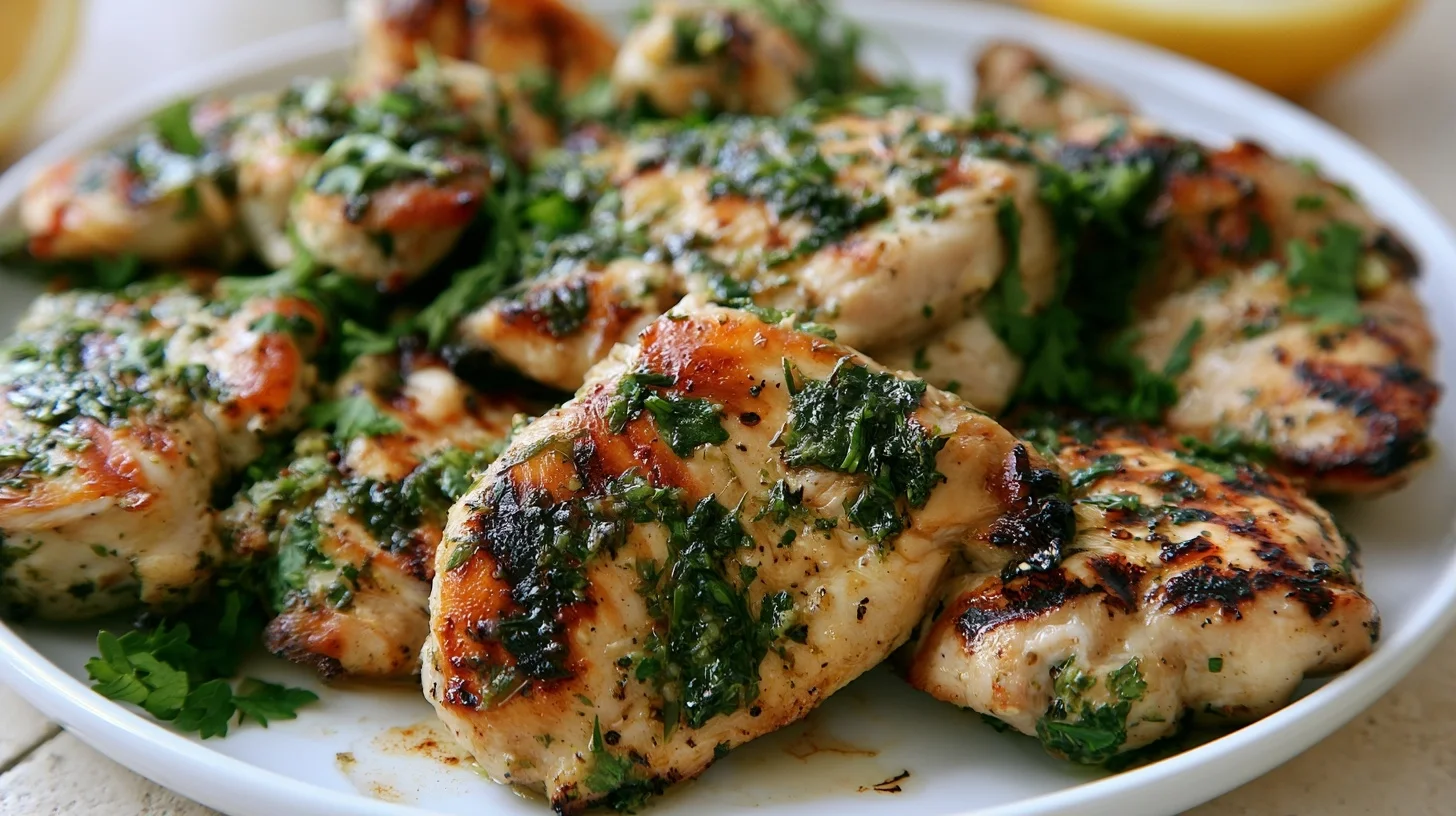
Table of contents
- Why You Will Love This chimichurri chicken
- What You Will Need to Make This chimichurri chicken
- How to Make chimichurri chicken That Tastes Like It Came From a Buenos Aires Grill
- The Double-Sauce Method That Makes chimichurri chicken Unforgettable
- Mistakes to Avoid When Making chimichurri chicken
- Creative Ways to Adapt Your chimichurri chicken
- Understanding the Nutrition in chimichurri chicken
- Perfect Pairings for Your chimichurri chicken
- Keeping Your chimichurri chicken Fresh and Delicious
- Frequently Asked Questions
Why You Will Love This chimichurri chicken
- The double chimichurri technique creates incredible depth of flavor that single-sauce methods cannot achieve.
- This recipe works with chicken breasts, thighs, or drumsticks, making it adaptable to whatever you have on hand.
- The bright herbaceous sauce cuts through the richness of the meat while keeping every bite moist and flavorful.
- You can prepare the chimichurri up to three days ahead, making this perfect for meal prep or entertaining.
- The recipe delivers bold Argentine flavors without requiring any specialty ingredients or advanced cooking skills.
What You Will Need to Make This chimichurri chicken
I keep my equipment list simple for this recipe because the focus should be on the fresh flavors, not complicated tools. However, a few key items will make your cooking process smoother and help you achieve the best results. Here’s what I reach for every time I make chimichurri chicken.
- Food processor or blender: This makes quick work of the chimichurri sauce and ensures all the herbs are evenly chopped without turning to mush.
- Large mixing bowl: You need enough space to coat the chicken thoroughly in the marinade without making a mess.
- Grill, grill pan, or cast iron skillet: Any of these will give you beautiful caramelization and proper cooking temperature for juicy chicken.
- Meat thermometer: This is essential for ensuring your chicken reaches 165°F internally without overcooking and drying out.
- Tongs: Long-handled tongs help you flip the chicken safely and keep your hands away from the heat.
- Glass or ceramic baking dish: If you choose to bake your chicken, a shallow dish allows for even cooking and easy cleanup.
How to Make chimichurri chicken That Tastes Like It Came From a Buenos Aires Grill
Chimichurri Chicken
4
servings15
minutes20
minutes320
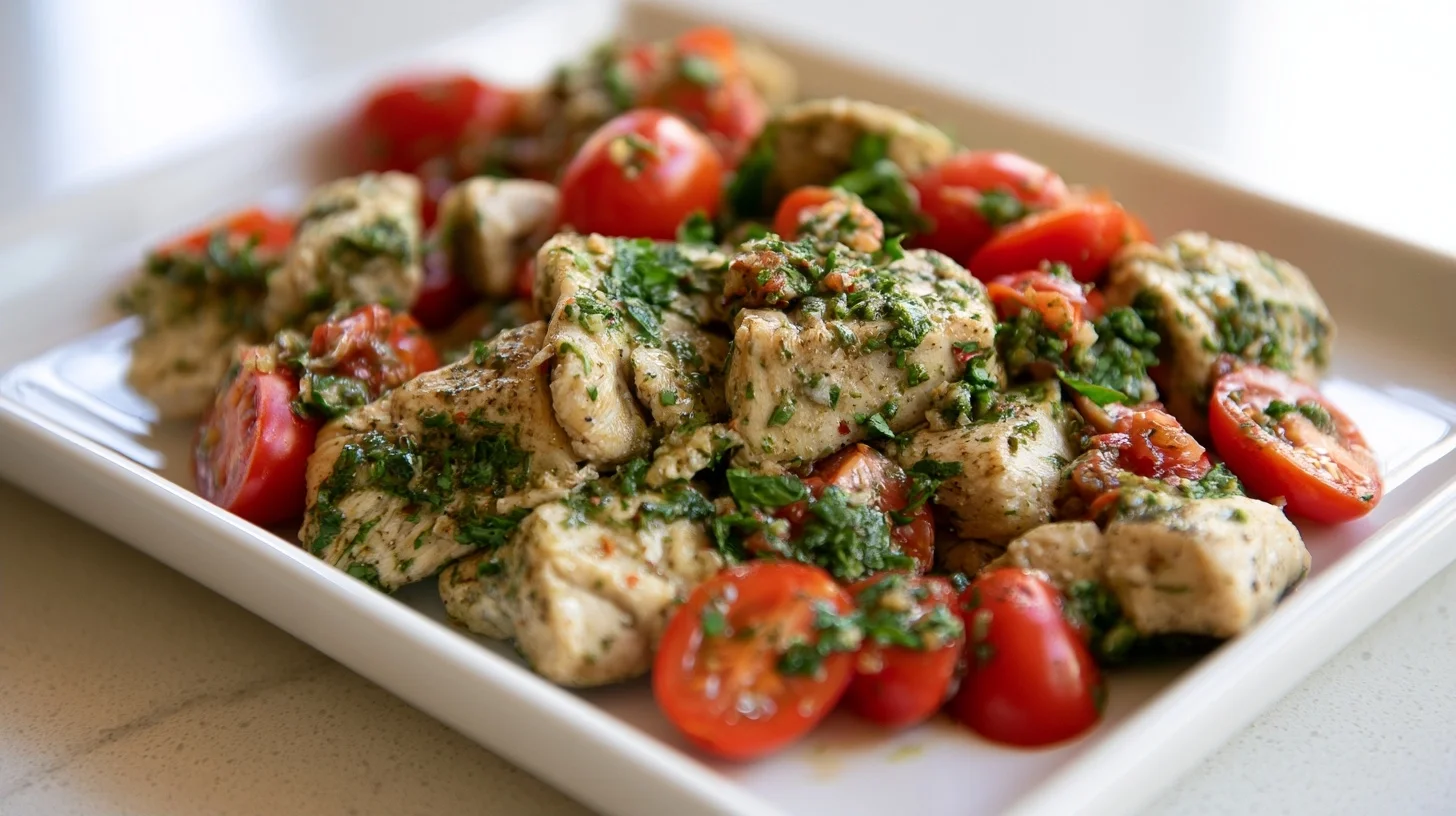
kcalThis chimichurri chicken uses a double-sauce technique that creates incredible depth of flavor. Marinate the chicken in half the sauce, then finish with fresh chimichurri for bright herbaceous notes that make every bite unforgettable.
Keep the screen of your device on
Ingredients
1.5 pounds boneless skinless chicken breasts
1 cup fresh parsley
0.5 cup fresh cilantro
4 cloves garlic
0.5 cup extra virgin olive oil
3 tablespoons red wine vinegar
1 teaspoon dried oregano
0.5 teaspoon red pepper flakes
0.75 teaspoon kosher salt
0.5 teaspoon black pepper
1 tablespoon fresh lemon juice
2 tablespoons water
Directions
- Prepare the chimichurri sauce by combining parsley, cilantro, garlic, olive oil, red wine vinegar, oregano, red pepper flakes, salt, pepper, and lemon juice in a food processor. Pulse until finely chopped but not completely smooth, about 10 to 15 pulses. The sauce should have some texture rather than being a puree.
- Divide the chimichurri into two portions, using about 40% for marinating and reserving 60% for finishing. This technique ensures you get both deep marinated flavor and bright fresh herb notes in the final dish.
- Marinate the chicken by placing it in a large bowl or zip-top bag with the smaller portion of chimichurri. Coat the chicken thoroughly and refrigerate for at least 30 minutes or up to 4 hours for breasts, or up to 6 hours for thighs.
- Preheat your grill or skillet to medium-high heat, around 400°F to 425°F. This temperature creates beautiful caramelization while cooking the chicken through without drying it out.
- Cook the chicken for 6 to 8 minutes per side for breasts, or 8 to 10 minutes per side for thighs. Use a meat thermometer to check that the internal temperature reaches 160°F for breasts or 175°F for thighs, then remove from heat.
- Let the chicken rest for 5 minutes tented loosely with foil. During this time, the juices redistribute throughout the meat and the internal temperature will rise to the safe 165°F mark for breasts.
Notes
- The ideal ratio of marinade to finishing sauce is 40:60, which creates layers of flavor that single-application methods cannot achieve.
- Always reserve at least half your chimichurri for finishing after cooking to maintain the bright green color and fresh herb taste.
- Chicken breasts should not marinate longer than 4 hours, as the acid can break down the texture too much and make the meat mushy.
- Store leftover cooked chicken and fresh chimichurri in separate airtight containers for up to 4 days in the refrigerator.
Nutrition Facts
- Serving Size: 1 g
- Total number of serves: 4
- Calories: 320kcal
- Fat: 17g
- Carbohydrates: 3g
- Fiber: 1g
- Protein: 38g
Did you make this recipe?
Tag @therecipemasterblog on Instagram and hashtag it with #therecipemaster
Like this recipe?
Follow @therecipemasterblog on Pinterest
Follow us on Facebook!
Follow The Recipe Master on Facebook
The Double-Sauce Method That Makes chimichurri chicken Unforgettable
After years of testing, I discovered that the key to exceptional chimichurri chicken lies in how you apply the sauce. Most recipes tell you to simply spoon chimichurri over cooked chicken, but that approach misses an opportunity for deeper flavor penetration. Therefore, I always divide my sauce into two portions.
Reserve Fresh Chimichurri for Finishing
The ideal ratio of marinade to finishing sauce is 40:60. I use about 40% of the chimichurri as marinade and reserve the remaining 60% for drizzling over the cooked chicken. This technique ensures you get both the deep marinated flavors and the bright, fresh herb notes in every bite. The finishing sauce brings vibrant color and punchy garlic flavor that would otherwise be dulled by cooking.
Let the Marinade Work Its Magic
I recommend marinating for at least 30 minutes, but two hours delivers noticeably better results. The acid in the chimichurri begins to tenderize the chicken while the herbs infuse their flavors. However, don’t exceed four hours with chicken breasts, as the acid can start to break down the texture too much. Chicken thighs can handle up to six hours due to their higher fat content.
Master Your Cooking Temperature
I always cook chimichurri chicken over medium-high heat, whether grilling or pan-searing. This creates beautiful caramelization on the outside while keeping the inside moist. The target internal temperature is 165°F for food safety, but I pull chicken breasts at 160°F because carryover cooking will bring them to 165°F while resting. This small adjustment prevents dry, overcooked meat.
Don’t Skip the Resting Period
In my testing, I found that resting the chicken for five minutes after cooking makes a dramatic difference in juiciness. During this time, the juices redistribute throughout the meat instead of running out onto your cutting board. I tent the chicken loosely with foil during this rest, then apply the fresh chimichurri right before serving. As a result, every slice stays moist and flavorful. You can learn more about the cultural significance of chimichurri in Argentina and how it became a beloved condiment across South America.
Mistakes to Avoid When Making chimichurri chicken
Even though this recipe is straightforward, I’ve seen home cooks make a few common errors that compromise the final result. Here’s what to watch out for based on my experience and the questions I hear most often.
Using All the Chimichurri as Marinade
This is the biggest mistake I see. When you cook chicken that’s been marinated in chimichurri, the herbs darken and the bright flavors mellow significantly. I always reserve at least half the sauce to drizzle on after cooking. This way, you get both the deep marinated flavor and the fresh herbaceous punch that makes chimichurri so special.
Overcooking the Chicken
Dry chicken ruins even the best chimichurri. I recommend investing in an instant-read thermometer and pulling your chicken at 160°F for breasts or 175°F for thighs. The carryover cooking will bring it to the safe temperature while keeping the meat juicy. In addition, always let the chicken rest before slicing.
Making the Chimichurri Too Thick
Chimichurri should be pourable, not paste-like. If your sauce is too thick, it won’t coat the chicken properly or distribute evenly. I fix this by adding olive oil one tablespoon at a time until it reaches a loose, spoonable consistency. The sauce should drip slowly off a spoon rather than clinging in clumps.
Skipping the Acid Balance
The vinegar in chimichurri is not optional. It brightens all the other flavors and cuts through the richness of the chicken. I prefer red wine vinegar for its robust flavor, but white wine vinegar works well too. However, avoid balsamic vinegar, as its sweetness throws off the traditional flavor profile completely.
Creative Ways to Adapt Your chimichurri chicken
One of the reasons I make this recipe so often is its incredible versatility. The basic technique works beautifully with different proteins and accommodates various dietary needs. Here are my favorite variations that I’ve developed over the years.
Grilled Chimichurri Chicken Thighs
I actually prefer chicken thighs for this recipe when I’m grilling. The higher fat content means they stay juicier and can handle slightly longer cooking times without drying out. Thighs also develop incredible crispy skin when grilled over direct heat. I marinate them for four to six hours and grill them skin-side down first to render the fat and create that irresistible crackly texture.
Sheet Pan Chimichurri Chicken with Vegetables
For a complete one-pan meal, I arrange marinated chicken pieces on a sheet pan surrounded by bell peppers, red onions, and baby potatoes. Everything roasts together at 425°F for about 35 minutes. The vegetables soak up the chimichurri drippings and caramelize beautifully. Then I drizzle everything with fresh chimichurri before serving for a vibrant finish.
Dairy-Free and Gluten-Free Naturally
This recipe is naturally both dairy-free and gluten-free, which makes it perfect for guests with dietary restrictions. The chimichurri contains only herbs, garlic, olive oil, vinegar, and spices. Just make sure your chicken hasn’t been injected with any solutions containing gluten or dairy. Most plain fresh chicken is fine, but always check labels on pre-seasoned varieties.
Spicy Chimichurri Chicken
I love adding heat to my chimichurri by including one or two finely minced jalapeños or a generous pinch of red pepper flakes. The spice plays beautifully against the herbs and creates a more complex flavor profile. For even more depth, try using a homemade chimichurri sauce recipe where you can control every element of the flavor.
Chimichurri Chicken Bowls
I often slice leftover chimichurri chicken and serve it over rice or quinoa with black beans, avocado, and a squeeze of lime. This transforms the dish into a completely different meal that works perfectly for lunch prep. The chicken stays flavorful for up to four days in the refrigerator, making it ideal for meal planning.
Understanding the Nutrition in chimichurri chicken
This recipe delivers impressive nutritional value, especially when you use chicken breasts. Each serving provides about 320 calories with 38 grams of protein, making it an excellent choice for anyone focused on lean protein intake. The fat content comes primarily from the olive oil in the chimichurri, which provides heart-healthy monounsaturated fats rather than saturated fats.
The carbohydrate content is minimal, usually under 4 grams per serving, which makes chimichurri chicken perfect for low-carb and keto diets. Most of those carbs come from the fresh herbs and garlic rather than added sugars. In addition, the fresh parsley and cilantro contribute vitamins A, C, and K along with beneficial antioxidants. If you’re watching sodium, you can reduce the salt in the chimichurri without significantly impacting the overall flavor since the herbs and vinegar provide so much natural taste.
Perfect Pairings for Your chimichurri chicken
I love serving this vibrant chicken with sides that complement its bold herbaceous flavors without competing for attention. Roasted sweet potatoes work beautifully because their natural sweetness balances the tangy, garlicky sauce. I also frequently make a simple arugula salad dressed with lemon and olive oil, which echoes the bright acidity of the chimichurri while adding peppery notes. For a more substantial meal, grilled vegetables like zucchini, eggplant, and bell peppers create a complete Argentine-inspired feast.
Rice pilaf or quinoa makes an excellent base for soaking up extra chimichurri sauce. I often prepare cilantro-lime rice to reinforce the herbaceous theme throughout the meal. Crusty bread is another favorite because guests love dragging it through the pooled sauce on their plates. For drinks, I recommend a crisp Sauvignon Blanc or a light Argentine Malbec, both of which have enough acidity to stand up to the vinegar in the chimichurri without overwhelming the chicken.
Keeping Your chimichurri chicken Fresh and Delicious
I store leftover chimichurri chicken in an airtight container in the refrigerator for up to four days. The key is keeping the chicken and any extra fresh chimichurri in separate containers. This prevents the herbs from darkening and the sauce from becoming watery as it sits. When stored properly, the chicken actually tastes even better the next day as the flavors continue to develop.
For longer storage, I freeze cooked chicken pieces in freezer-safe bags for up to three months. However, I never freeze the fresh chimichurri because the herbs turn dark and mushy when thawed. Instead, I make fresh chimichurri when I’m ready to serve the frozen chicken. To reheat, I prefer using a skillet over medium heat with a splash of olive oil or chicken broth to keep the meat moist. You can also reheat in the oven at 350°F covered with foil for about 15 minutes. Always bring the chicken to 165°F when reheating for food safety.
Frequently Asked Questions
Yes, you can marinate the chicken up to 4 hours ahead and prepare the chimichurri sauce up to 3 days in advance. Store the fresh finishing sauce separately in the refrigerator and bring it to room temperature before drizzling over the cooked chicken for the best flavor and color.
Both chicken breasts and thighs work beautifully. Breasts are leaner and cook faster, while thighs have more fat and stay juicier with slightly longer cooking times. I prefer thighs for grilling because they develop crispier skin and are more forgiving if you accidentally overcook them by a minute or two.
No, fresh herbs are essential for authentic chimichurri. Dried herbs lack the bright, vibrant flavor and beautiful green color that define this sauce. Fresh parsley and cilantro provide the herbaceous punch that makes chimichurri special, and dried versions simply cannot replicate that taste or appearance.
Marinate chicken breasts for 30 minutes to 4 hours, and chicken thighs for 2 to 6 hours. The acid in the chimichurri begins tenderizing the meat after 30 minutes, but longer marinating develops deeper flavor. Do not exceed these times, as too much acid exposure can make the chicken texture mushy rather than tender.



Leave a Reply