
- Prep everything before cooking so the stir-fry happens quickly and smoothly.
- Boil noodles just shy of al dente, rinse with cold water, and dry to prevent sticking.
- Use high heat for a sear that keeps vegetables crisp and builds wok flavor.
- Coat chicken lightly with cornstarch to keep it tender during high-heat cooking.
- Finish with toasted sesame oil and adjust sauce with light and dark soy for depth.
There is a specific sound that defines comfort in my kitchen. It is the rhythmic clinking of a spatula against a hot wok. For years, I searched for the perfect Chicken Lo Mein Recipe to recreate those Friday night takeout vibes. I wanted that glossy, savory sauce and those perfectly chewy noodles without the heavy grease. This Chicken Lo Mein Recipe is my tribute to those vibrant flavors. It fits perfectly into a quick weeknight meal schedule when time is short. Furthermore, it serves as a festive dish for family gatherings or a healthy comfort food option for those craving noodles. We will rely on high-quality soy sauce and fresh aromatics to provide that deep, traditional umami.
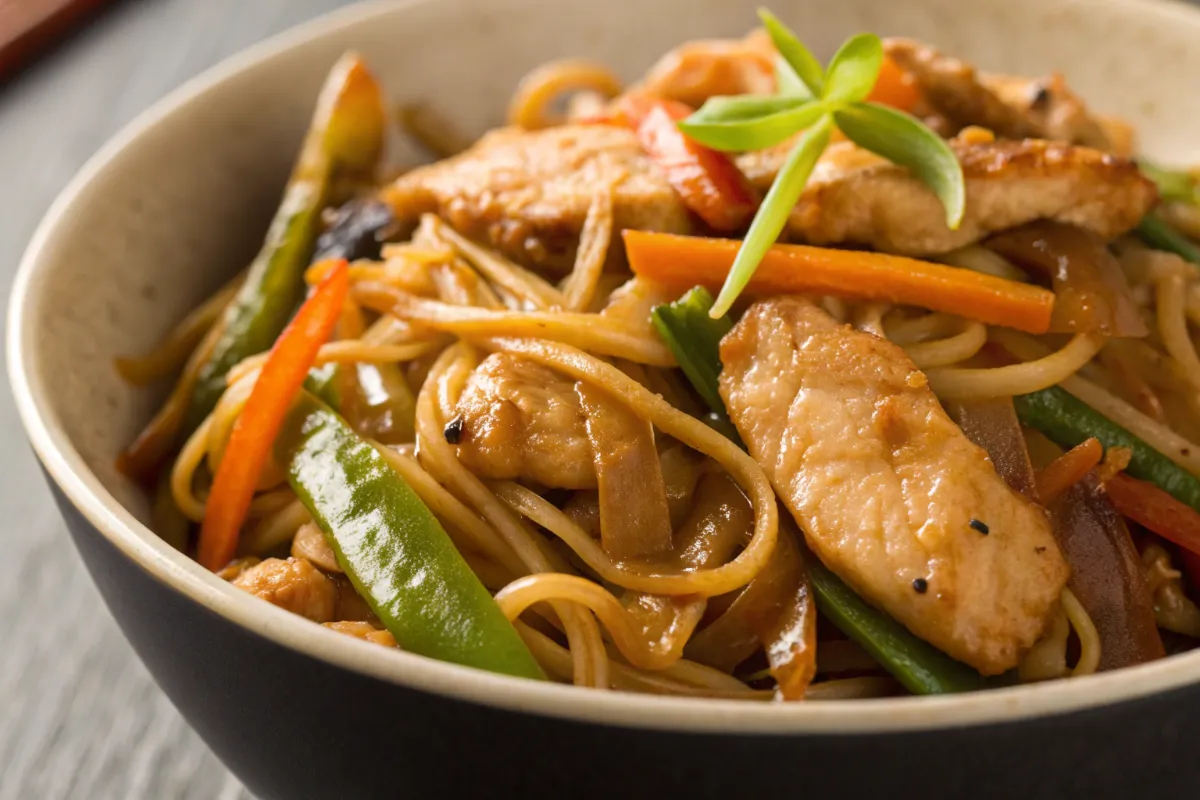
Table of contents
Pre-Wok Prep
Stir-frying happens in a flash. You will not have time to chop a carrot once the oil is smoking. This is where my “Prep Ahead” strategy ensures a stress-free experience.
- The Noodle Prep: Boil your noodles until they are just shy of al dente. They will finish cooking in the sauce. Rinse them in cold water to stop the cooking.
- Aromatic Base: Mince your garlic and ginger. I like to keep them in a small bowl together.
- Vegetable Slicing: Shred the cabbage and carrots into thin matchsticks. Uniformity ensures they cook at the same rate.
- Sauce Mixing: Whisk your liquid ingredients in a jar. Shake it well before pouring.
Having everything lined up makes the cooking process feel like a choreographed dance. You will feel like a professional chef in your own home.
Chicken Lo Mein Recipe Card
Chicken Lo Mein Recipe
4
servings15
minutes10
minutes410
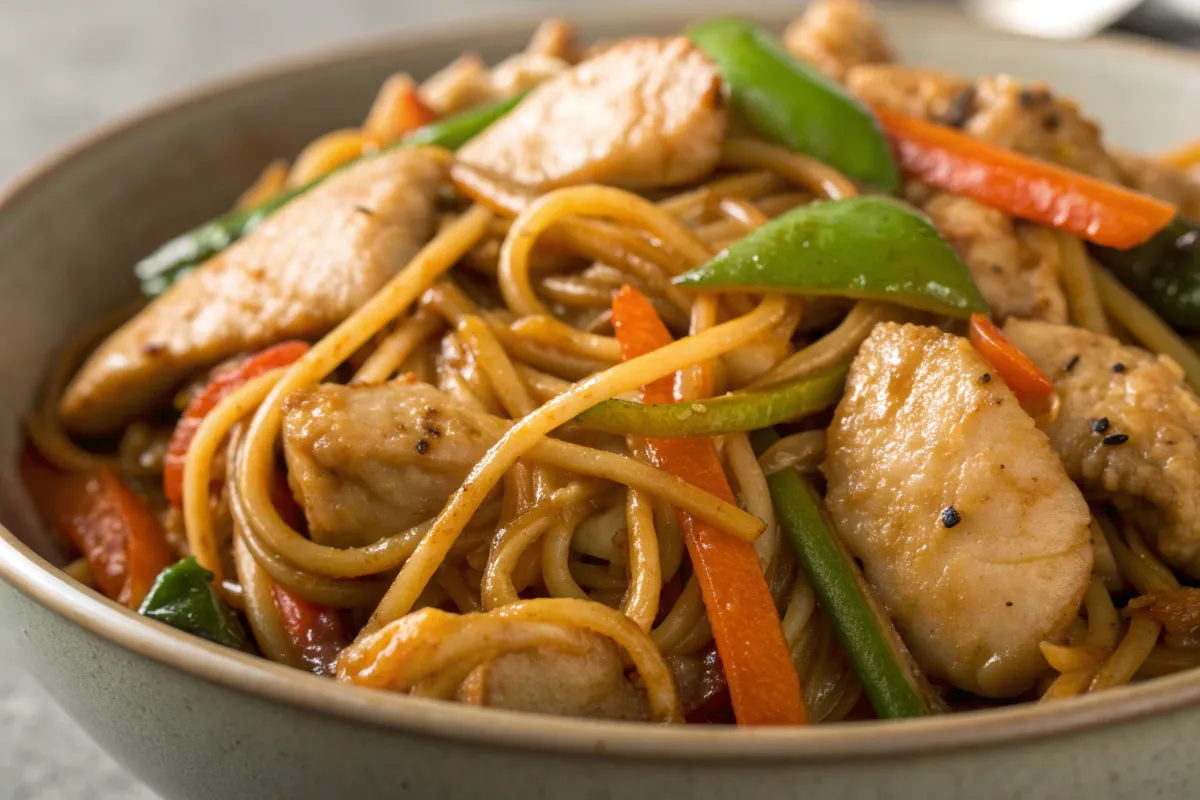
kcalThis Chicken Lo Mein Recipe delivers tender chicken and crisp vegetables tossed in a silky, savory sauce. It is faster than ordering delivery and much more flavorful.
Keep the screen of your device on
Ingredients
1.0 lb Lo Mein Egg Noodles (fresh or dried)
1.5 lbs Boneless Skinless Chicken Breasts, thinly sliced
1.0 tablespoon Cornstarch
0.5 teaspoon White Pepper
3.0 tablespoons Vegetable Oil
2.0 cups Shredded Cabbage
1.0 cup Carrots, julienned
0.5 cup Green Onions, sliced
- The Sauce:
3.0 tablespoons Low-Sodium Soy Sauce
1.0 tablespoon Dark Soy Sauce
1.0 tablespoon Sesame Oil
1.0 teaspoon Sugar
1.0 tablespoon Ginger, minced
3.0 cloves Garlic, minced
Directions
- First, cook the noodles according to the package instructions until they are slightly firm. Drain them and rinse with cold water. Set them aside. In a medium bowl, toss the sliced chicken with the cornstarch and white pepper. This ensures the chicken stays juicy.
- In a small jar, whisk together the light soy sauce, dark soy sauce, sugar, minced ginger, and garlic. Ensure the sugar is fully dissolved.
- Heat a large wok or skillet over high heat with two tablespoons of oil. Add the chicken in a single layer. Let it sear for 2.0 minutes without moving it. Flip and cook for another 2.0 minutes until golden. Remove the chicken from the pan.
- Add the remaining tablespoon of oil to the same pan. Toss in the cabbage and carrots. Stir-fry for about 2.0 to 3.0 minutes until they are slightly softened but still crisp.
- Add the cooked noodles and the chicken back into the pan. Pour the sauce over everything. Toss constantly for 2.0 minutes until the sauce has thickened and coated every strand of noodle. Drizzle with sesame oil and top with green onions before serving.
Notes
- Dark Soy Sauce: Do not skip the dark soy sauce. It is what gives the noodles that iconic dark color.
- Vegetable Swaps: Broccoli or snap peas work great if you don’t have cabbage.
- Noodle Substitute: If you can’t find egg noodles, use thick spaghetti. Boil it with 0.5 teaspoon of baking soda to give it a more “alkaline” noodle texture.
Nutrition Facts
- Fat: 12g
- Sodium: 890mg
- Carbohydrates: 45g
- Protein: 32g
Did you make this recipe?
Tag @therecipemasterblog on Instagram and hashtag it with #therecipemaster
Like this recipe?
Follow @therecipemasterblog on Pinterest
Follow us on Facebook!
Follow The Recipe Master on Facebook
The Science of the Stir-Fry
The magic of this Chicken Lo Mein Recipe lies in the balance of textures. Many stir-fry dishes end up soggy because the vegetables are overcooked or the sauce is too watery. My method uses a high-heat sear that keeps the cabbage crisp and the chicken succulent.
- The Sauce Ratio: We use a blend of light and dark soy sauces. This provides both the salty punch and the rich, mahogany color we love.
- Velveting Technique: This is a professional chef secret. We coat the chicken in a tiny bit of cornstarch. This creates a protective barrier that keeps the meat tender even in a screaming hot pan.
- Customization: You can easily adapt this to your needs. Use gluten-free tamari for a wheat-free version. You can also swap the chicken for tofu or shrimp if you want a different protein.
To learn more about the history of tossed noodles, check out this guide on traditional Chinese noodles for a deeper cultural context. For a deeper dive into the science of umami, you can read about how soy sauce is made.
Secrets for Success
Follow these tips to ensure your Chicken Lo Mein Recipe comes out restaurant-quality every single time:
- High Heat is Essential: Do not be afraid of the smoke. A hot pan is the only way to get that “Wok Hei” or “breath of the wok.”
- Dry Your Noodles: After rinsing, make sure the noodles are dry. Excess water will steam the dish instead of searing it.
- The Order Matters: Always cook the chicken first. Remove it from the pan. Then cook the veggies. Finally, toss everything back together with the sauce.
- Use Sesame Oil at the End: Toasted sesame oil loses its flavor if cooked too long. Drizzle it on right before serving for that nutty aroma.
Variants of the Chicken Lo Mein Recipe
The Garden Vegetable Variant
If you want a lighter meal, double the amount of bok choy and snow peas. Omit the meat entirely and add sliced shiitake mushrooms. The mushrooms provide a meaty texture and a deep earthy flavor that complements the soy-based sauce perfectly. This is a great way to clear out the crisper drawer.
The Zesty Garlic Shrimp Swap
Since we are avoiding pork, shrimp is an excellent alternative. Sauté large, peeled shrimp with extra garlic. Shrimp cooks even faster than chicken, making this a 10-minute miracle meal. Be sure to add a squeeze of fresh lime at the end to brighten the seafood flavors.
The Spicy Szechuan Twist
For those who love heat, add two tablespoons of chili crisp or Szechuan peppercorn oil to the sauce. This adds a numbing, spicy depth that transforms the dish from savory to explosive. It is a favorite for those who enjoy a little sweat with their dinner.
This dish pairs beautifully with my Tauhu recipe for a complete takeout-at-home experience!
Troubleshooting Your Noodles
The main difference is in the cooking method. “Lo Mein” means tossed noodles, which are boiled and then tossed with sauce. “Chow Mein” means fried noodles, which are often cooked until they are crispy or crunchy.
Rinsing them in cold water immediately after boiling is the most important step. This removes the surface starch. You can also toss them with a teaspoon of oil if they are sitting for more than ten minutes.
Yes, you can! Use a thick spaghetti or linguine. To make it taste more authentic, add a little baking soda to the boiling water. This gives the pasta a springier, yellow-hued texture similar to egg noodles.
Final Thoughts on Your New Favorite Meal
Mastering this Chicken Lo Mein Recipe is a true joy for any home cook. It proves that you do not need a professional kitchen to create deep, complex Asian flavors. The combination of the tender chicken, the crunchy vegetables, and that glossy sauce is simply irresistible.









Leave a Reply