

This buttermilk biscuit recipe makes tall, flaky biscuits with golden tops and tender layers inside. Cold butter and a light hand with the dough create the signature texture.
The recipe takes 30 minutes from start to finish and yields 10 biscuits. Keeping the butter cold until it hits the oven is what makes these biscuits rise tall and flake apart. You can freeze the shaped dough for up to 3 months.
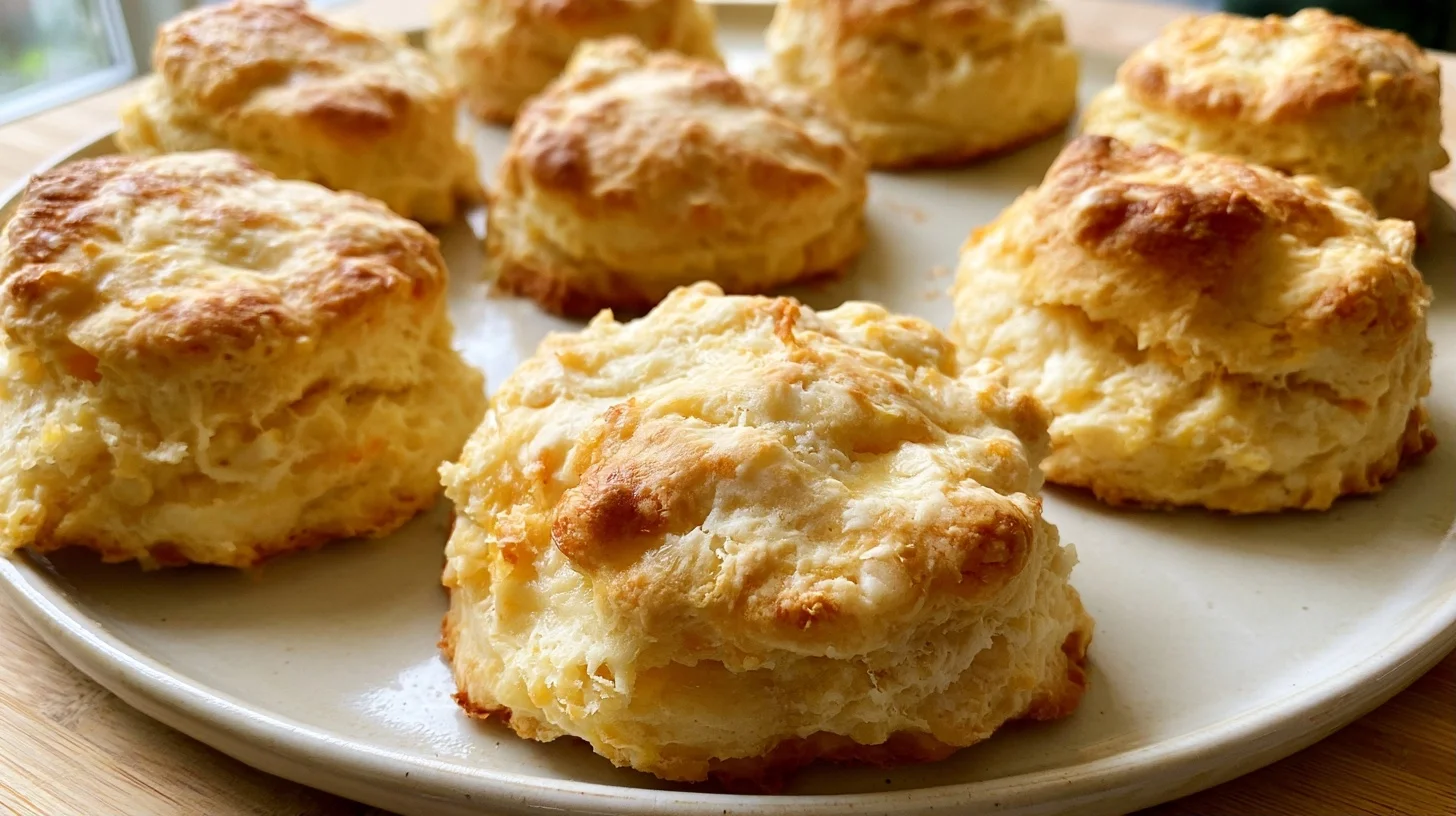
Table of contents
- Why This Buttermilk Biscuit Recipe Works
- Buttermilk Biscuit Recipe
- Key Ingredients and Substitutions
- How to Get Buttermilk Biscuits Right
- What Went Wrong
- Ways to Change Buttermilk Biscuit Recipe
- What to Serve With Buttermilk Biscuits
- How to Store and Reheat Buttermilk Biscuits
- Buttermilk Biscuit Recipe FAQs
Why This Buttermilk Biscuit Recipe Works
- Cold butter creates steam pockets during baking, which separate the dough into flaky layers.
- Folding the dough 4 times builds visible layers without overworking the gluten.
- Baking at 450°F for 12 to 15 minutes sets the structure fast and produces golden tops.
- This buttermilk biscuit recipe uses a 3 to 1 ratio of flour to butter for the right balance of richness and structure.
Buttermilk Biscuit Recipe
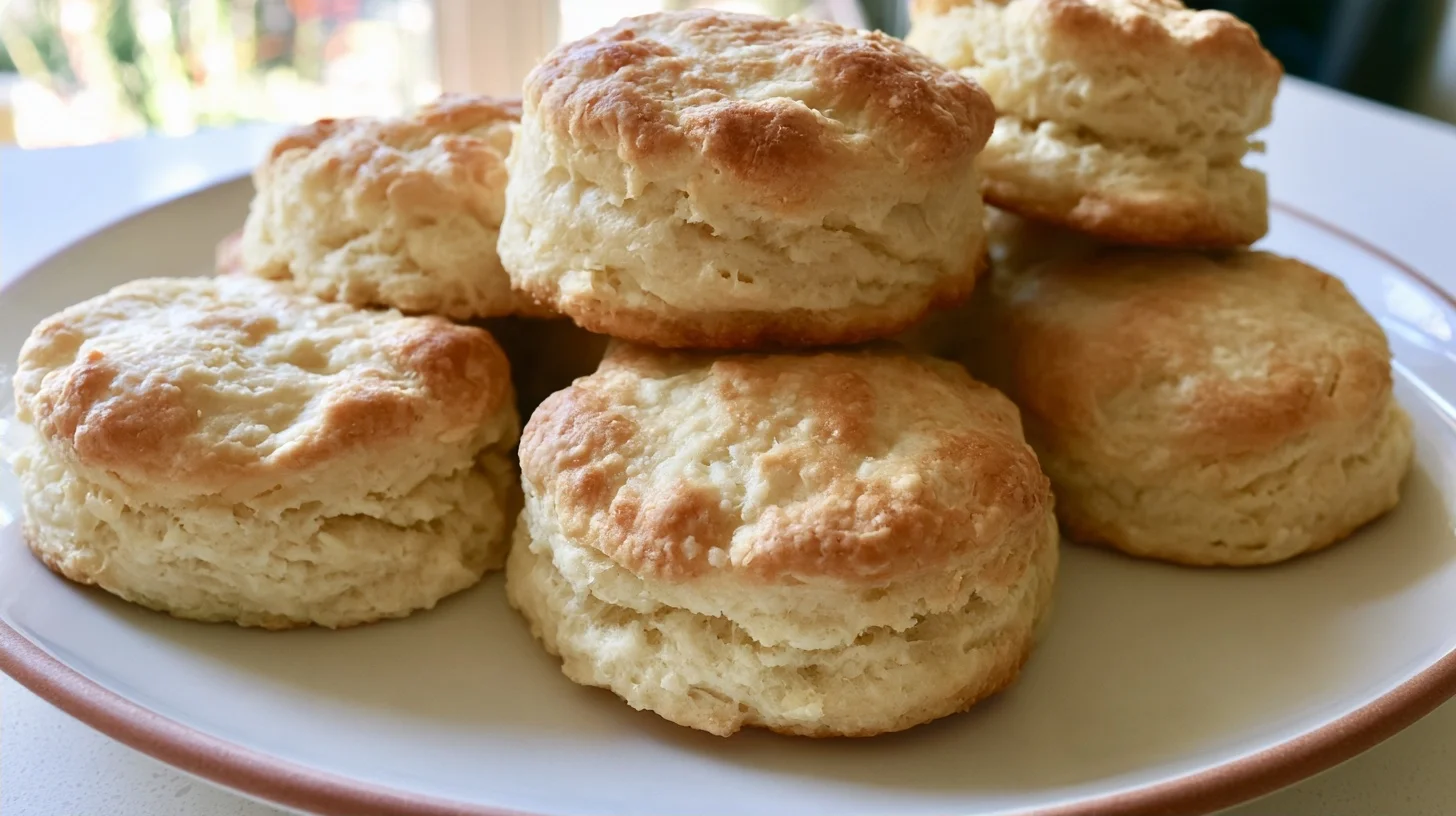
Buttermilk Biscuit Recipe
10
servings15
minutes15
minutes185
kcalThis buttermilk biscuit recipe makes tall, flaky biscuits with golden tops and tender layers inside. The recipe takes 30 minutes from start to finish and yields 10 biscuits, using cold butter and a simple folding technique for maximum flakiness.
Keep the screen of your device on
Ingredients
2.5 cups all-purpose flour
2 teaspoons baking powder
0.5 teaspoon baking soda
1 teaspoon salt
0.5 cup unsalted butter
1 cup buttermilk
Directions
- Preheat the oven to 450°F and line a baking sheet with parchment paper.
- Whisk together the flour, baking powder, baking soda, and salt in a large bowl for 10 seconds until evenly combined.
- Add the cold butter cubes to the flour mixture and use a pastry cutter or your fingers to work the butter into the flour for 1 to 2 minutes. Stop when the mixture looks like coarse crumbs with pea sized butter pieces still visible.
- Pour in the cold buttermilk and stir with a fork for 10 to 15 seconds. Stop when the dough is shaggy and you still see dry flour streaks. Do not overmix.
- Turn the dough onto a floured surface and pat it into a rectangle about 1 inch thick. Fold the dough in half, pat it back to 1 inch thick, and repeat 3 more times for a total of 4 folds. Each fold creates visible layers.
- Pat the dough to 0.75 inch thickness and cut out biscuits with a 2.5 inch biscuit cutter, pressing straight down without twisting. Gather the scraps, pat them out once more, and cut additional biscuits.
Notes
- Cold butter is essential for flaky buttermilk biscuits because it creates steam pockets during baking that separate the dough into layers.
- If the biscuits turn out dense, you likely overmixed the dough or used too much flour. Measure flour by spooning it into the cup and leveling it off.
- Buttermilk biscuits keep for 2 days at room temperature in an airtight container or freeze baked biscuits for up to 3 months. Substitute whole milk mixed with 1 tablespoon vinegar if you do not have buttermilk.
Nutrition Facts
- Serving Size: 1 g
- Total number of serves: 10
- Calories: 185kcal
- Fat: 8g
- Carbohydrates: 24g
- Fiber: 1g
- Protein: 4g
Did you make this recipe?
Tag @therecipemasterblog on Instagram and hashtag it with #therecipemaster
Like this recipe?
Follow @therecipemasterblog on Pinterest
Follow us on Facebook!
Follow The Recipe Master on Facebook
The sections below explain which ingredients affect the texture, how to fold the dough for maximum flakiness, and what to do when biscuits turn out dense or flat.
Key Ingredients and Substitutions
Five ingredients control the rise, flakiness, and flavor of buttermilk biscuits.
- Buttermilk: The acid reacts with baking soda to create lift and adds a tangy flavor. Substitute 1 cup whole milk mixed with 1 tablespoon white vinegar or lemon juice, let it sit for 5 minutes. The biscuits will be slightly less tangy.
- Butter: Cold unsalted butter creates the flaky layers. Use frozen butter grated on a box grater for the easiest mixing. Substitute shortening for a more neutral flavor, but the biscuits will lack the rich butter taste.
- All-purpose flour: Provides the structure without making the biscuits tough. Substitute self-rising flour by omitting the baking powder, baking soda, and salt. Do not use bread flour, which has too much gluten.
- Baking powder and baking soda: The combination gives a double rise. Baking powder activates with moisture, baking soda activates with the acid in buttermilk. If you use regular milk instead of buttermilk, increase baking powder to 2 teaspoons and omit the baking soda.
- Salt: Balances the flavors and strengthens the gluten just enough for structure. Omit it only if using salted butter, but the biscuits will taste flat.
How to Get Buttermilk Biscuits Right
Four techniques control whether the biscuits rise tall and flake apart or turn out flat and dense.
- Keep the butter cold: Work quickly and use butter straight from the refrigerator or freezer. Warm butter melts into the flour instead of creating steam pockets. If the dough feels greasy, chill it for 10 minutes before cutting.
- Mix just until combined: Stir the buttermilk into the flour mixture for 10 to 15 seconds. Stop when you still see dry flour streaks. Overmixing develops gluten and makes the biscuits tough.
- Fold the dough 4 times: Turn the shaggy dough onto a floured surface, pat it into a rectangle, fold it in half, and repeat 3 more times. Each fold creates a new layer. More than 5 folds overworks the dough.
- Cut straight down: Press a 2.5 inch biscuit cutter straight down without twisting. Twisting seals the edges and prevents the biscuits from rising. Dip the cutter in flour between cuts.
- Place biscuits close together: Arrange the cut biscuits so they touch on a baking sheet. They push each other up as they rise. Space them 1 inch apart only if you want crusty sides all around.
What Went Wrong
Why Are the Biscuits Flat?
Flat biscuits usually mean the butter was too warm or the leavening was old. Warm butter melts before it can create steam. Check that your baking powder and baking soda are fresh by testing them in water. Fresh baking powder fizzes immediately. To save the current batch, brush the tops with melted butter and serve them as flatbreads.
Why Are the Biscuits Dense?
Dense biscuits come from overmixing or using too much flour. Overmixing develops gluten, which makes the texture heavy. Too much flour dries out the dough and weighs it down. Measure flour by spooning it into the cup and leveling it off. Do not scoop directly from the bag. There is no fix for dense baked biscuits, but you can slice them and toast them for texture.
Why Did the Biscuits Spread Instead of Rise?
Biscuits spread when the dough is too wet or the oven temperature is too low. Too much buttermilk makes the dough loose. An oven under 425°F does not set the structure fast enough. Use an oven thermometer to verify the temperature. If the biscuits are already baked and spread, cut them in half and use them for breakfast sandwiches.
Ways to Change Buttermilk Biscuit Recipe
Cheddar and Chive Biscuits
Add 1 cup shredded sharp cheddar cheese and 2 tablespoons chopped fresh chives to the flour mixture before adding the buttermilk. The cheese makes the biscuits richer and adds 2 minutes to the baking time. The chives add color and a mild onion flavor.
Honey Butter Biscuits
Brush the hot biscuits with 2 tablespoons melted butter mixed with 1 tablespoon honey as soon as they come out of the oven. The honey caramelizes slightly on the hot surface and adds a sweet glaze. This works best for biscuits served with fried chicken or barbecue.
Drop Biscuits
Increase the buttermilk to 1.25 cups for a wetter dough. Skip the folding and cutting steps. Drop 0.25 cup scoops of dough onto the baking sheet, spaced 2 inches apart. Bake for 10 to 12 minutes. Drop biscuits have a rustic shape and a softer texture with less defined layers.
What to Serve With Buttermilk Biscuits
Buttermilk biscuits pair well with sausage gravy for breakfast, fried chicken for dinner, or honey and jam for a snack. They also work as the base for shortcakes with fresh berries and whipped cream. Split them in half and use them for breakfast sandwiches with eggs and bacon. For a gluten-free option, try this gluten-free biscuit recipe that uses a similar technique.
How to Store and Reheat Buttermilk Biscuits
Buttermilk biscuits keep for 2 days at room temperature in an airtight container or resealable bag. They stay softer if you wrap them in a clean kitchen towel inside the container. For longer storage, freeze baked biscuits for up to 3 months in a freezer bag with the air pressed out.
Reheat room temperature biscuits in a 350°F oven for 5 to 7 minutes until warm. Reheat frozen biscuits for 15 to 18 minutes without thawing. You can also freeze unbaked cut biscuits on a baking sheet until solid, then transfer them to a freezer bag. Bake frozen unbaked biscuits at 450°F for 18 to 20 minutes. The history of American biscuits from King Arthur Baking explains how this quick bread became a Southern staple and why cold butter techniques developed.
Buttermilk Biscuit Recipe FAQs
Yes, you can make buttermilk biscuit dough ahead. Cut the biscuits and freeze them unbaked for up to 3 months. Bake them straight from frozen at 450°F for 18 to 20 minutes.
Cold butter and fresh leavening make biscuits rise higher. The cold butter creates steam pockets in the oven. Placing the biscuits so they touch also helps them push each other up as they bake.
No, you do not need a biscuit cutter. Use a drinking glass with a 2.5 inch opening, dipped in flour. Press straight down without twisting. You can also cut the dough into squares with a knife.
Yes, you can use salted butter for buttermilk biscuits. Reduce the added salt to 0.25 teaspoon or omit it entirely. Salted butter varies by brand, so taste the dough if you are unsure.






Leave a Reply