
- Use a choux-style dough cooked on the stovetop to create light, hollow, airy buñuelos.
- Maintain oil temperature between 350°F and 365°F for proper puffing and crisp exterior.
- Prepare dough, toppings, and frying station ahead to ensure safe, flawless frying.
- Fry in small batches and drain on a wire rack to prevent sogginess and excess oil.
Few desserts hold the cultural significance and sheer delight of a freshly fried bunuelos recipe. Originating across Spain and Latin America, these delicate fried dough fritters are characterized by their light, airy texture and their decadent coating of cinnamon sugar or a sweet syrup. I remember watching my grandmother expertly stretching the dough so thin you could nearly see through it, that’s the secret to their signature crispy structure. This bunuelos recipe simplifies the process without sacrificing authenticity. It is the perfect festive dish for Christmas, New Year’s, or any celebration where a sweet, comforting crunch is required
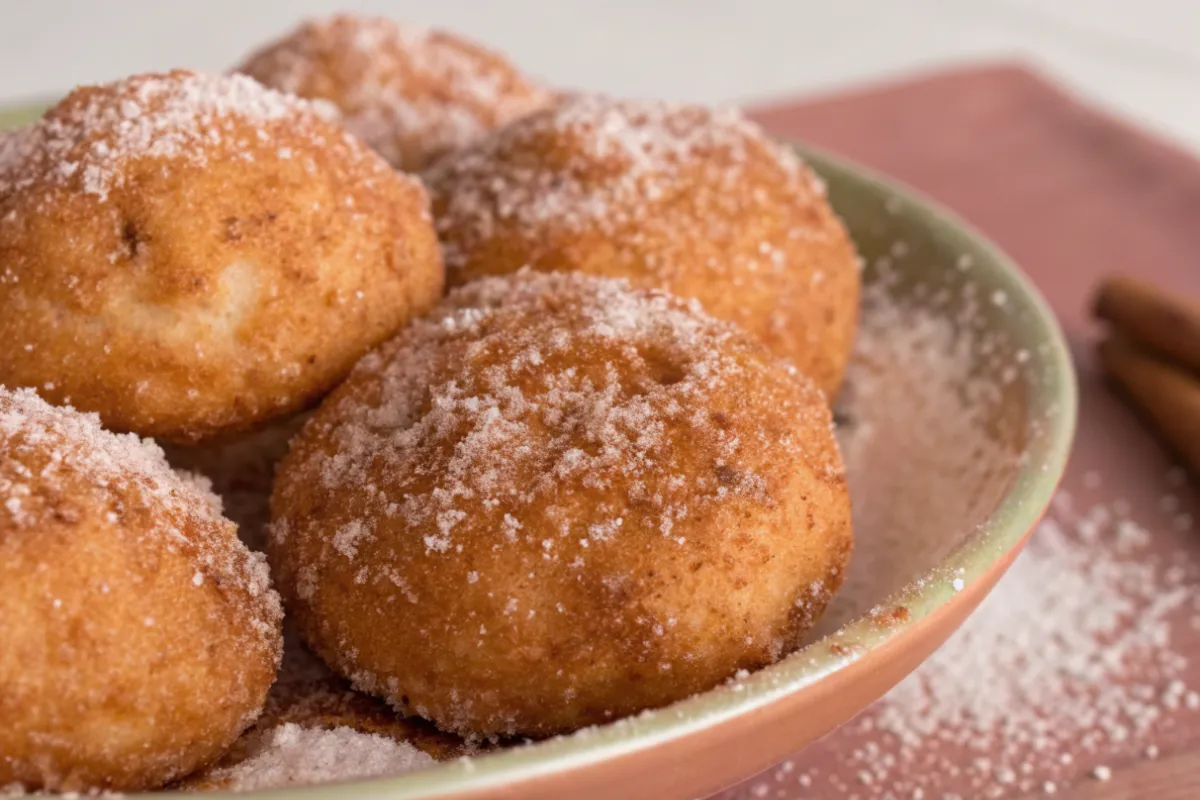
Table of contents
Prep Ahead for Flawless Frying
Making bunuelos involves hot oil, so having everything ready to go is crucial for safety and success.
- Make the Dough: Prepare the dough entirely and let it cool completely to room temperature. This is essential for the structure.
- Make the Topping: Mix the cinnamon and sugar or prepare the piloncillo syrup base. Keep the topping ready for immediate use after frying.
- Set Up the Frying Station: Have your candy thermometer clipped to the pot, the slotted spoon ready for lifting, and a wire rack (lined with paper towels) set up next to the stove for draining.
Bunuelos Recipe Card

Bunuelos Recipe
8
servings20
minutes20
minutes130
kcalThis easy buñuelos recipe creates light, airy fritters with a crisp exterior and a hint of anise, tossed in a classic cinnamon-sugar coating.
Keep the screen of your device on
Ingredients
1 cup all-purpose flour
1 cup water
0.25 teaspoon salt
0.25 teaspoon ground anise or 0.5 teaspoon anise extract
0.5 teaspoon baking powder
2 large eggs
Vegetable oil or canola oil, for deep frying
- For the Topping:
0.5 cup granulated sugar
1 tablespoon ground cinnamon
Directions
- Step 1: Make the Dough Base In a medium saucepan, combine the water, salt, and anise (or extract). Bring to a rolling boil. Remove from heat and immediately add the flour and baking powder all at once. Stir vigorously with a wooden spoon until the mixture forms a smooth ball and pulls away from the sides of the pan.
- Step 2: Add the Eggs Transfer the dough ball to a mixing bowl or stand mixer fitted with a paddle attachment. Let cool for 5 minutes. Beat in the eggs, one at a time, ensuring each egg is fully incorporated before adding the next. The dough should be smooth and sticky.
- Step 3: Prepare the Frying Station In a heavy-bottomed pot, heat 3 inches of oil to 350°F (175°C). In a shallow bowl, mix the cinnamon and sugar for the topping.
- Step 4: Fry the Buñuelos Using a tablespoon or small scoop dipped in cold water, drop small amounts of dough (about 1.5 teaspoons each) into the hot oil. Fry in small batches for 2-4 minutes, flipping frequently, until golden brown on all sides.
- Step 5: Drain and Coat Remove the buñuelos with a slotted spoon and transfer them immediately to a wire rack. While still warm, toss the buñuelos vigorously in the cinnamon-sugar mixture. Serve immediately.
Notes
- Testing the Dough: The final dough consistency should be soft, shiny, and sticky, but thick enough to hold its shape somewhat when scooped.
- Flavored Oils: Use a neutral oil like canola or vegetable oil. Do not use olive oil, as it has a low smoke point and will impart a strong flavor to the buñuelos.
- Sugar Coating: The buñuelos must be coated while they are still warm and slightly oily. This allows the cinnamon sugar to adhere properly and creates that perfect, crunchy exterior.
Nutrition Facts
- Fat: 12g
- Sodium: 40mg
- Carbohydrates: 14g
- Protein: 2g
Did you make this recipe?
Tag @therecipemasterblog on Instagram and hashtag it with #therecipemaster
Like this recipe?
Follow @therecipemasterblog on Pinterest
Follow us on Facebook!
Follow The Recipe Master on Facebook
The Perfect Crunch Strategy
This particular buñuelos recipe delivers a superior result because we focus on two core techniques: dough hydration and double rising.
- Choux Pastry Base: Unlike simple yeast doughs, our Spanish-style buñuelos use a technique similar to pâte à choux (cream puff pastry). By cooking the dough on the stovetop first, we gelatinize the starch in the flour. This allows the dough to hold more moisture and creates massive steam pockets during frying, resulting in that hollow, ultra-light interior.
- The Touch of Anise: We incorporate a hint of anise extract or anise liqueur (like aguardiente) into the dough. This traditional ingredient adds a warm, subtle, almost licorice-like aroma that is the hallmark of truly authentic bunuelos recipe.
- Oil Temperature Control: We fry the buñuelos at a precise, moderate temperature. This ensures the outside doesn’t brown too quickly before the inside has a chance to puff up and cook through.
This recipe is inherently vegetarian. To adapt it for gluten-free buñuelos, you can use a high-quality, measure-for-measure gluten-free flour blend, though you may need slightly less liquid.
Pro Tips for the Crispiest Bunuelos
- The Temperature Sweet Spot: Maintain your oil temperature consistently between 350°F and 365°F (175°C and 185°C). If the oil is too cool, the bunuelos will absorb excess oil and be heavy. If it’s too hot, they will burn before they puff up inside.
- The Cold Water Trick: If you are frying the smaller, drop-style buñuelos, dip your spoon in a glass of cold water between dropping each piece of dough into the oil. This prevents the sticky dough from clinging to the spoon.
- Do Not Overcrowd: Fry the buñuelos in small batches. Overcrowding the pot instantly drops the oil temperature, leading to heavy, greasy fritters. Give them space to puff and flip easily.
- Drain Immediately: Once golden, lift the buñuelos out quickly with a slotted spoon or spider and transfer them directly to a wire rack, not paper towels on a plate. The rack allows air to circulate, preventing the bottoms from steaming and becoming soggy.
The Bunuelos Family tree
The term buñuelos refers to a wide family of fried doughs. The Spanish/Colombian version is often a sweet, yeast-risen fritter coated in sugar. In Mexico, especially during Christmas, the buñuelo can be a large, thin, wind-wheel shaped disc, often coated in piloncillo syrup. This recipe focuses on the light, choux-based fritter which offers the best combination of ease and tenderness. For more on the [history of fried dough desserts], you’ll find buñuelos right at the center of the tradition.
New Flavor Combos
The Colombian Cheese Bunuelo Recipe
This variant is savory, not sweet. It uses a different dough base made from costeño cheese (or farmer’s cheese) and cornstarch or yuca flour. They are traditionally fried into large, dense, slightly chewy balls and served hot alongside natilla (custard) during Christmas. These are served plain, showcasing the salty cheese flavor.
Wind-Wheel Buñuelos with Piloncillo Syrup
For the Mexican-style buñuelos, the dough is rolled incredibly thin into large circles, often stretched by hand or using a cloth-covered wooden stick. After frying, they are drizzled with a rich, dark Piloncillo (raw cane sugar) syrup spiced with cinnamon sticks and cloves. The texture is shatteringly crisp and thin.
Spanish Pumpkin Buñuelos (Buñuelos de Calabaza)
Popular during the Fall and Winter holidays in Valencia, this version incorporates cooked pumpkin puree into the yeast dough. The pumpkin adds moisture and a subtle earthy sweetness. They are traditionally served hot, dusted with powdered sugar, or sometimes served with a touch of chocolate sauce.
If you love the sweet flavors of this dessert, you’ll love my recipe for Cheesecake Churros.
Fixing Your Fry
Density usually means the oil temperature was too low or you did not cook the dough properly on the stovetop. The cooked dough process creates the steam needed for puffing.
The optimal temperature is 350°F to 365°F (175°C to 185°C). This allows the outside to crisp slowly while the inside puffs up without burning. Always use a thermometer.
While you can bake the choux-style dough (which would create cream puffs), the result will not have the same texture or crispy exterior as a traditional buñuelos recipe. The intense, direct heat of frying is key.
Grease is a result of low oil temperature. Ensure your oil stays above 350°F and never overcrowd the pot when frying the buñuelos.
Final Toss
This authentic bunuelos recipe proves that making traditional, impressive desserts at home is entirely achievable. By paying attention to oil temperature and the unique dough technique, you can easily create these light, crisp, and beautifully flavored fritters. The sweet anise aroma and the sound of the crunch are truly irresistible.





Leave a Reply