

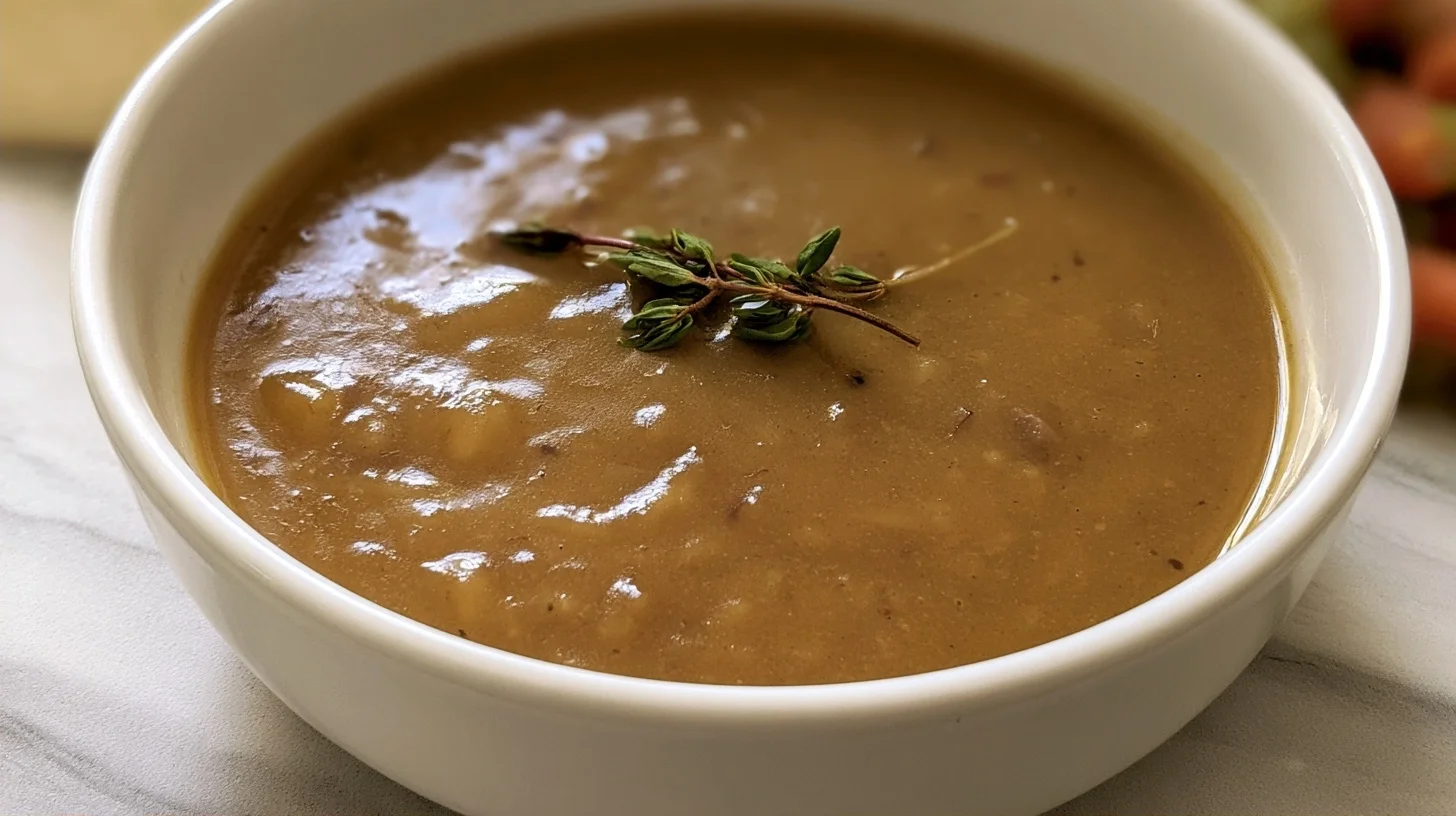
This giblet gravy recipe turns turkey or chicken giblets into a rich, savory gravy in about 45 minutes. The giblets simmer in broth to create a deeply flavored base, then you thicken it with a roux and finish with finely chopped cooked giblets for texture.
The gravy takes 45 minutes total and makes about 4 cups. The key is simmering the giblets long enough to extract their flavor into the broth. You can make the giblet broth a day ahead and finish the gravy in 15 minutes before serving.
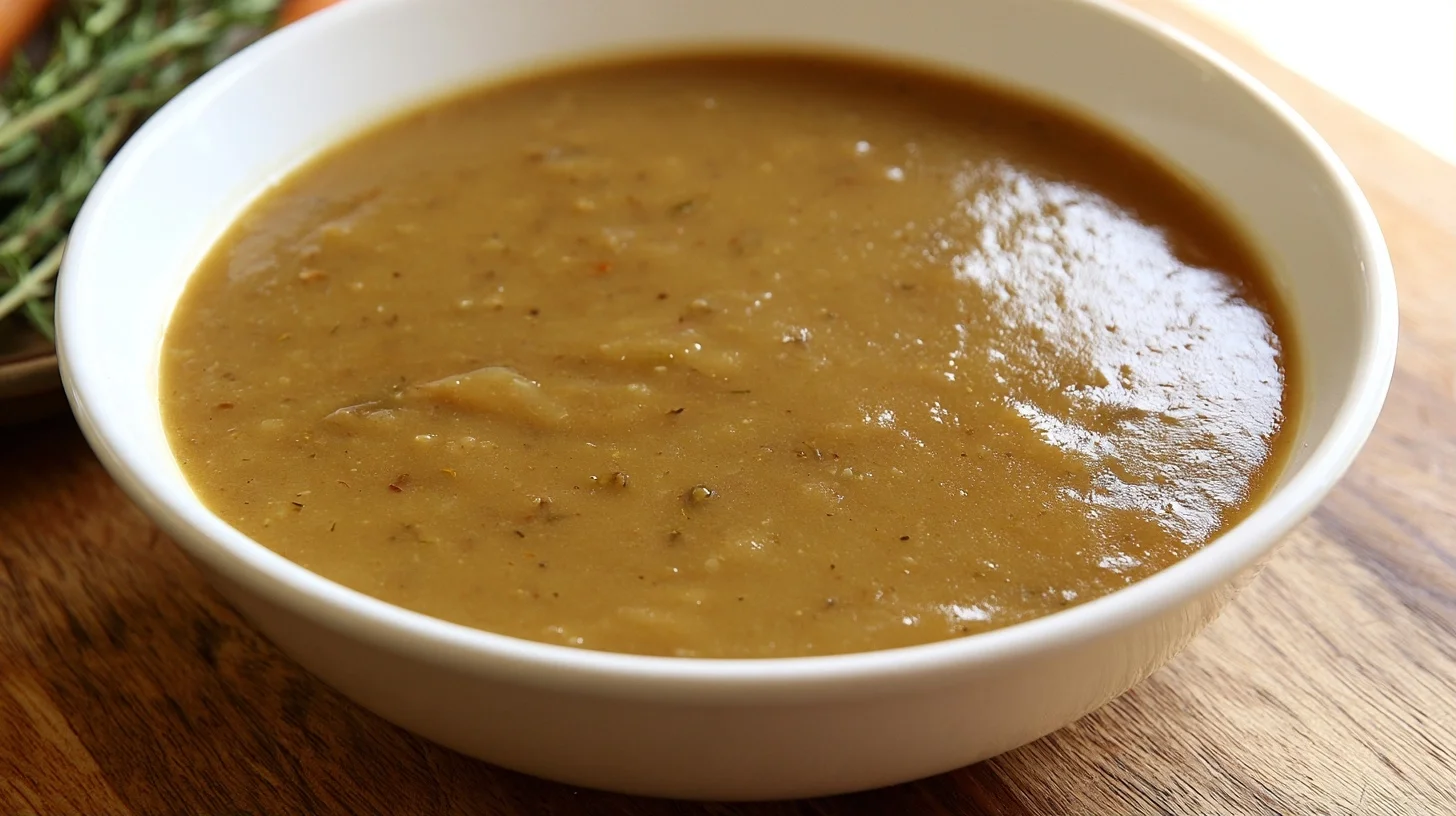
Table of contents
Why This Giblet Gravy Recipe Works
- Simmering the giblets for 30 minutes extracts their rich flavor into the broth before you make the gravy.
- A 1:1 flour to fat ratio creates a roux that thickens the recipe to classic gravy consistency without lumps.
- Chopping the cooked giblets finely adds meaty texture throughout the gravy instead of leaving large chewy pieces.
Giblet Gravy Recipe
Giblet Gravy Recipe
8
servings10
minutes35
minutes95
kcalGiblet gravy is a rich, savory sauce made by simmering turkey or chicken giblets in broth, then thickening the liquid with a roux and stirring in the finely chopped cooked giblets. The gravy takes 45 minutes total and makes about 4 cups, enough for 8 servings.
Keep the screen of your device on
Ingredients
1 pound turkey or chicken giblets
4 cups chicken broth
1 small onion
1 stalk celery
1 teaspoon black peppercorns
4 tablespoons butter
4 tablespoons all-purpose flour
0.5 teaspoon salt
0.25 teaspoon black pepper
Directions
- Simmer the giblets: Place the giblets, chicken broth, onion, celery, and peppercorns in a medium saucepan over medium-high heat. Bring to a boil, then reduce heat to medium-low and simmer for 30 minutes. The giblets are done when the gizzard is tender when pierced with a fork.
- Strain the broth: Pour the broth through a fine mesh strainer into a bowl. Discard the onion, celery, and peppercorns. Set the giblets aside to cool for 5 minutes, then chop them finely into pieces no larger than 1/4 inch.
- Make the roux: Melt the butter in the same saucepan over medium heat. Whisk in the flour and cook for 2 to 3 minutes, whisking constantly. Stop when the mixture smells toasted and turns light tan. This cooks out the raw flour taste.
- Add the broth: Pour in 1 cup of the reserved giblet broth and whisk constantly until smooth. Add the remaining broth gradually, whisking after each addition. The mixture will thicken as you add the liquid.
- Simmer and finish: Bring the gravy to a simmer over medium heat and cook for 5 minutes, whisking occasionally. The gravy is ready when it coats the back of a spoon. Stir in the chopped giblets, salt, and pepper. Taste and adjust seasoning before serving.
Notes
- Simmering the giblets for the full 30 minutes extracts their rich flavor into the broth and makes the gizzard tender enough to chop easily.
- If lumps form in the gravy, pour it through a fine mesh strainer into a clean pan. The lumps usually come from adding the broth too quickly.
- Giblet gravy keeps for 3 to 4 days in the refrigerator in an airtight container. Reheat it in a saucepan over medium-low heat with 2 to 4 tablespoons of broth to thin it. You can swap turkey drippings for the butter for deeper poultry flavor.
Nutrition Facts
- Serving Size: 1 g
- Total number of serves: 8
- Calories: 95kcal
- Fat: 6g
- Carbohydrates: 5g
- Net Carbs: 5g
- Fiber: 0g
- Protein: 6g
Did you make this recipe?
Tag @therecipemasterblog on Instagram and hashtag it with #therecipemaster
Like this recipe?
Follow @therecipemasterblog on Pinterest
Follow us on Facebook!
Follow The Recipe Master on Facebook
This giblet gravy recipe starts with simmering the giblets to build a flavorful broth. The sections below cover which giblets to use, how to prevent lumps, and what to do if the gravy turns out too thin or too thick.
Key Ingredients and Substitutions
Giblet gravy recipe ingredients are simple, but each one affects the final flavor and texture.
- Giblets: Use the neck, heart, and gizzard from turkey or chicken. The liver adds a strong metallic flavor, so most cooks leave it out. If you include liver, use only half and add it in the last 10 minutes of simmering. Without giblets, use 4 cups of store-bought chicken or turkey broth, but the gravy will taste milder.
- Butter: Creates the roux base and adds richness. You can swap in turkey drippings or chicken fat for deeper poultry flavor, but use the same 4 tablespoons. Oil works in a pinch but the gravy tastes less rich.
- All-purpose flour: Thickens the broth into gravy. The 4 tablespoons of flour to 4 cups of liquid ratio gives you a medium-thick gravy. For thicker gravy, use 5 tablespoons. Cornstarch slurry (2 tablespoons cornstarch mixed with 2 tablespoons cold water) can replace the roux, but whisk it in at the end and simmer for only 2 minutes.
- Onion and celery: Add aromatic flavor to the simmering broth. You can skip them if you are short on time, but the gravy will taste less complex. Carrots add sweetness if you want a slightly different flavor profile.
How to Get Giblet Gravy Recipe Right
These tips prevent the most common giblet gravy problems and ensure smooth, flavorful results.
- Simmer the giblets gently: Keep the heat at medium-low so the liquid barely bubbles. A hard boil for 30 minutes makes the giblets tough and the broth cloudy. You want a gentle simmer where small bubbles break the surface every few seconds.
- Cook the roux for 2 to 3 minutes: Whisk the flour into the melted butter over medium heat until it smells toasted and turns light tan. Raw flour tastes pasty and does not thicken as well. Stop before it darkens to brown, or the gravy will taste bitter.
- Add broth slowly at first: Pour in 1 cup of the hot giblet broth and whisk constantly until smooth before adding the rest. Adding all 4 cups at once creates lumps that are hard to dissolve. The gravy thickens as it simmers for 5 minutes after all the broth is in.
- Chop the giblets finely: Cut the cooked giblets into pieces no larger than 1/4 inch. Large chunks are chewy and unpleasant. A food processor works, but pulse carefully so you do not turn them into paste.
- Season at the end: Taste the finished gravy before adding salt. The giblets and broth already contain sodium, and the gravy concentrates as it simmers. Start with 1/4 teaspoon of salt and add more only if needed.
What Went Wrong
Why Is the Gravy Lumpy?
Lumps form when you add the broth too fast or do not whisk the roux enough. Pour the first cup of broth into the roux slowly while whisking constantly. If lumps already formed, pour the gravy through a fine mesh strainer into a clean pan. Reheat it and it will be smooth.
Why Is the Gravy Too Thin?
Thin gravy means you did not use enough flour or did not simmer it long enough to thicken. Mix 1 tablespoon of flour with 2 tablespoons of cold water to make a slurry. Whisk it into the simmering gravy and cook for 3 more minutes. The gravy also thickens as it cools, so let it sit for 5 minutes before deciding it needs more thickening.
Why Does the Gravy Taste Bland?
Bland gravy usually means the giblets did not simmer long enough to release their flavor. The broth needs the full 30 minutes. Add 1/2 teaspoon of poultry seasoning or a pinch of sage to boost the flavor. A splash of soy sauce or Worcestershire sauce adds savory depth without making the giblet gravy recipe taste salty.
Giblet Gravy Variations
Creamy Giblet Gravy Recipe
Stir in 1/4 cup of heavy cream after the gravy thickens. The cream makes the gravy richer and lighter in color. It also mellows the strong giblet flavor slightly, which some cooks prefer.
Mushroom Giblet Gravy
Sauté 1 cup of sliced mushrooms in the butter before adding the flour. The mushrooms add earthy flavor and extra texture. Use cremini or button mushrooms, and cook them for 5 minutes until they release their liquid and it evaporates.
Herb Giblet Gravy Recipe
Add 1 teaspoon of fresh thyme leaves and 1/2 teaspoon of rubbed sage to the simmering broth. Fresh herbs brighten the flavor and smell. Dried herbs work too, but use half the amount because they are more concentrated.
What to Serve With Giblet Gravy
Giblet gravy is traditional with roast turkey or chicken, mashed potatoes, and dressing. It also works well over biscuits for a hearty breakfast. The rich, meaty flavor pairs with any side that needs moisture, such as rice, stuffing, or roasted vegetables.
How to Store and Reheat Giblet Gravy
Giblet gravy keeps for 3 to 4 days in the refrigerator in an airtight container. Let it cool completely before covering it. The gravy thickens as it chills, so it will look almost solid when cold.
Reheat it in a saucepan over medium-low heat, whisking frequently. Add 2 to 4 tablespoons of broth or water to thin it back to the right consistency. It takes about 5 minutes to heat through. You can also reheat individual portions in the microwave for 1 minute, stirring halfway. Giblet gravy freezes well for up to 3 months in a freezer-safe container. Thaw it overnight in the refrigerator before reheating.
Giblet Gravy Recipe FAQs
Yes. Simmer the giblets and make the broth up to 2 days ahead. Store it in the refrigerator. Finish the roux and thicken the gravy 15 minutes before serving.
No. The liver adds a strong metallic flavor that many people dislike. Use only the neck, heart, and gizzard for milder giblet gravy.
Use 4 cups of chicken or turkey broth instead of making giblet broth. Skip the simmering step. The gravy will be smooth and flavorful but without the meaty texture.
Yes. Mix 2 tablespoons of cornstarch with 2 tablespoons of cold water. Whisk the slurry into the simmering broth and cook for 2 minutes. The gravy will be glossy and slightly clearer than flour-thickened gravy.




Leave a Reply