

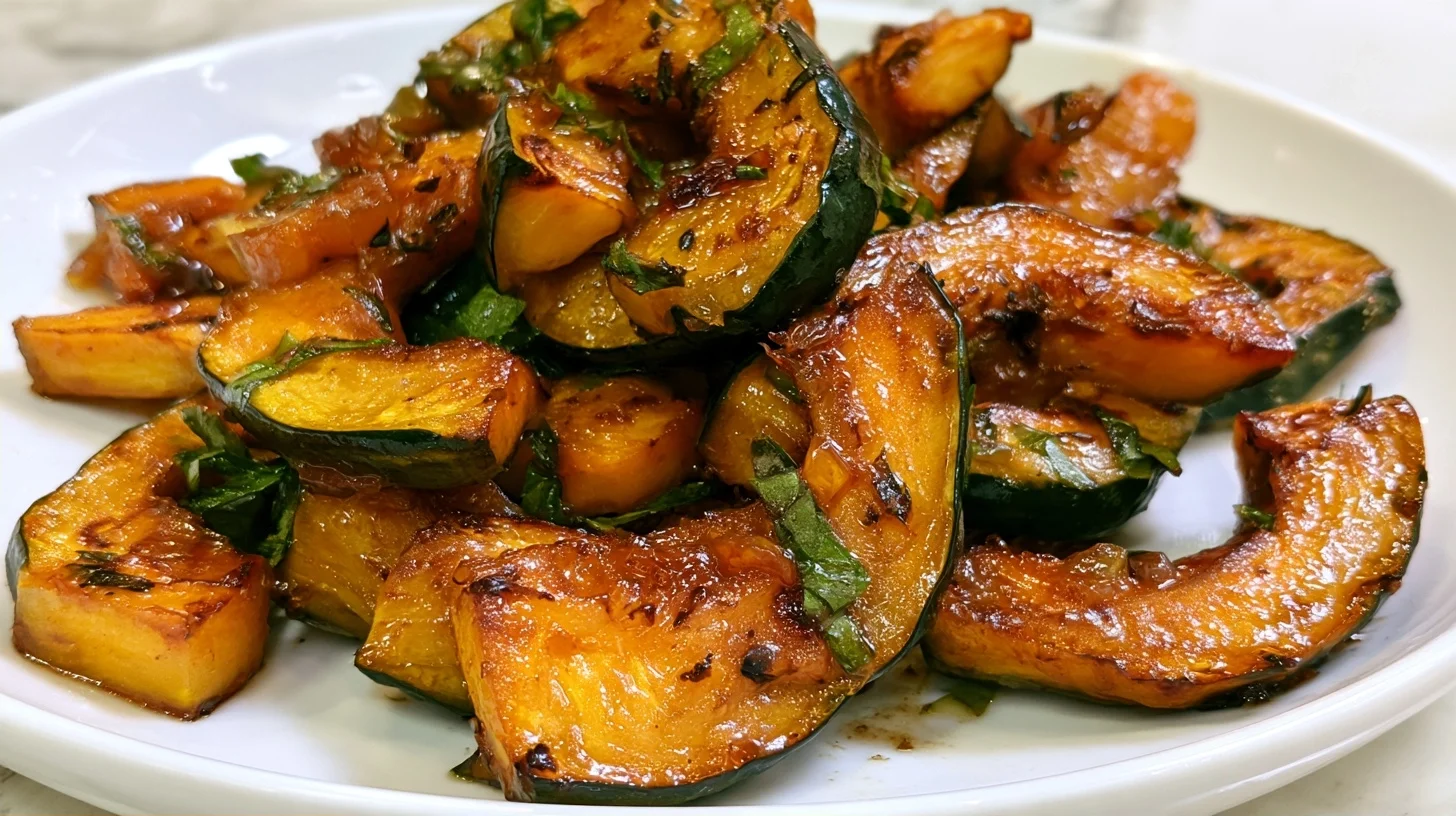
This kabocha squash recipe roasts wedges of Japanese pumpkin until the flesh turns creamy and the edges caramelize. The natural sweetness intensifies in the oven, and the skin becomes fully edible. Total time is 35 minutes for 4 servings. Roasted kabocha keeps for 4 days in the refrigerator and reheats without turning mushy, making it one of the best make-ahead sides for busy weeks.
Kabocha squash takes just 25 minutes at 425°F to roast, and the wedges need no peeling before cooking. The edible skin crisps in the oven while the dense orange flesh softens. One medium kabocha yields 4 to 6 servings, and the recipe works equally well with a simple salt and oil preparation or with soy sauce and sesame oil for a Japanese-style finish.
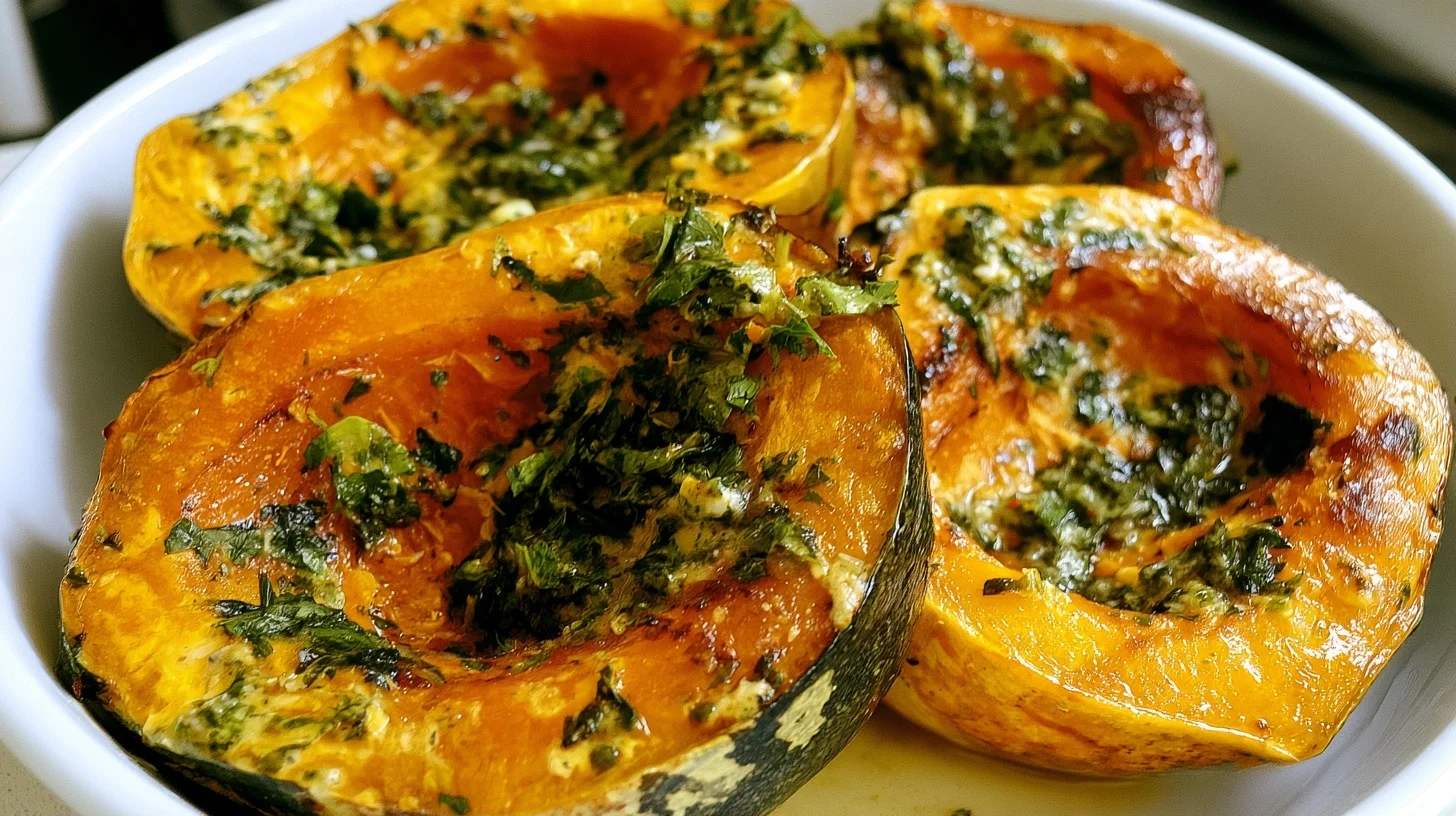
Table of contents
- Why This Kabocha Squash Recipe Works
- Roasted Kabocha Squash Recipe
- Key Ingredients and Substitutions
- How to Get Roasted Kabocha Squash Right
- Why Did the Squash Turn Out Wrong?
- Ways to Change the Recipe
- What to Serve With Roasted Kabocha Squash
- How to Store and Reheat Roasted Kabocha Squash
- Roasted Kabocha Squash FAQs
Why This Kabocha Squash Recipe Works
- Roasting at 425°F caramelizes the natural sugars in kabocha squash without drying out the flesh.
- Cutting the squash into 1-inch wedges ensures even cooking and gives you crisp edges with tender centers in 25 minutes.
- Leaving the skin on saves prep time and adds texture, since kabocha skin softens completely during roasting.
Roasted Kabocha Squash Recipe
Kabocha Squash Recipe
4
servings10
minutes25
minutes110
kcalThis kabocha squash recipe roasts wedges of Japanese pumpkin until the flesh turns creamy and the edges caramelize. Total time is 35 minutes, yielding 4 servings with just oil, salt, and a hot oven.
Keep the screen of your device on
Ingredients
1 medium kabocha squash
2 tablespoons olive oil
1 teaspoon kosher salt
0.5 teaspoon black pepper
Directions
- Preheat the oven to 425°F and line a large sheet pan with parchment paper.
- Cut the kabocha squash in half from top to bottom using a large chef’s knife. Scoop out the seeds and stringy pulp with a spoon. Cut each half into 1-inch wedges.
- Toss the wedges with olive oil, salt, and pepper in a large bowl until every piece is coated. Spread them in a single layer on the prepared sheet pan with space between each wedge.
- Roast for 25 to 30 minutes, flipping the wedges halfway through at the 12 minute mark. The squash is done when a fork slides easily into the thickest part and the edges are golden brown.
- Serve the roasted kabocha squash warm as a side dish or let it cool for meal prep bowls and salads.
Notes
- Kabocha squash wedges roast evenly in 25 minutes at 425°F when cut to exactly 1 inch at the thickest part.
- If the flesh stays hard after roasting, the wedges were too thick or the oven was too cool. Return the pan to a 425°F oven for 5 to 10 more minutes.
- Roasted kabocha keeps for 4 days in the refrigerator in an airtight container. Red kuri squash is the closest substitute in texture and sweetness.
Nutrition Facts
- Serving Size: 1 g
- Total number of serves: 4
- Calories: 110kcal
- Fat: 7g
- Carbohydrates: 18g
- Fiber: 3g
- Protein: 2g
Did you make this recipe?
Tag @therecipemasterblog on Instagram and hashtag it with #therecipemaster
Like this recipe?
Follow @therecipemasterblog on Pinterest
Follow us on Facebook!
Follow The Recipe Master on Facebook
The sections below cover the key ingredients that affect texture and flavor in this kabocha squash recipe, the roasting technique that prevents dry or undercooked wedges, and how to store leftovers without losing the crisp edges.
Key Ingredients and Substitutions
This kabocha squash recipe uses just a few ingredients, but each one affects the final texture and flavor.
- Kabocha squash: This Japanese pumpkin has dense, dry flesh that turns creamy when roasted and tastes sweeter than butternut squash. You can substitute butternut squash, but it has higher moisture content and will be less sweet and more watery. Red kuri squash is the closest match in texture and sweetness.
- Olive oil: A neutral oil with a high smoke point coats the wedges and helps the edges crisp. Avocado oil or grapeseed oil work the same way. Sesame oil adds a toasted flavor and is traditional in Japanese preparations, but use only 1 tablespoon mixed with 1 tablespoon neutral oil or the flavor will be too strong.
- Salt: Kosher salt draws out moisture from the surface and enhances the natural sweetness. Fine sea salt works, but use half the amount because it is denser. Soy sauce can replace salt entirely for a savory Japanese-style version, and the recipe needs 2 tablespoons for 1 medium squash.
- Black pepper: Freshly ground black pepper adds mild heat without competing with the squash’s sweetness. Omit it for a purely sweet preparation, or substitute white pepper for a sharper bite.
How to Get Roasted Kabocha Squash Right
These tips ensure your kabocha squash recipe turns out with caramelized edges and creamy centers every time.
- Cut wedges to 1 inch at the thickest part: Uniform thickness means every piece finishes at the same time. Thicker wedges stay hard in the center, and thinner ones burn before the flesh softens. Measure the flesh, not the width of the whole wedge including the curve.
- Leave space between wedges on the sheet pan: Crowding traps steam and prevents browning. Arrange wedges in a single layer with at least half an inch between them. Use two sheet pans if needed. The edges should look dry and golden, not pale and wet.
- Roast at 425°F for 25 to 30 minutes: This temperature caramelizes the sugars without drying out the flesh. Check at 25 minutes by piercing the thickest part with a fork. It should slide in easily. If the edges are browning too fast, lower the heat to 400°F and add 5 minutes.
- Flip wedges halfway through roasting: Turning at the 12 minute mark ensures both sides caramelize evenly. Use a thin spatula to lift each wedge without tearing the flesh. The second side usually browns faster, so watch closely in the final 5 minutes.
- Do not peel kabocha squash before roasting: The skin softens completely in the oven and adds a slight chew that contrasts with the creamy flesh. Peeling is unnecessary and removes fiber. Scrub the skin clean under running water before cutting.
Air Fryer Method
Air fry kabocha wedges at 400°F for 15 to 18 minutes, shaking the basket halfway through. The circulating air crisps the edges faster than oven roasting. Check for doneness at 15 minutes. The wedges should be tender when pierced and golden on both sides.
Why Did the Squash Turn Out Wrong?
Why Is the Flesh Still Hard After Roasting?
The wedges were cut too thick or the oven temperature was too low. Kabocha squash has dense flesh that needs sustained heat to soften. Return the pan to a 425°F oven and roast for 5 to 10 more minutes. Check by piercing the thickest part with a fork. Next time, cut wedges to exactly 1 inch at the thickest point and confirm your oven temperature with an oven thermometer.
Why Did the Edges Burn Before the Center Cooked?
The wedges were too thin or the oven was too hot. Thin pieces dry out and scorch before the interior has time to steam and soften. There is no fix for burned squash. For the next batch, cut wedges to a full inch and roast at 425°F, not higher. Place the pan on the center rack, not the top, so the edges do not brown too fast.
Why Is the Squash Watery Instead of Creamy?
You may have used butternut squash or another variety with higher moisture content instead of kabocha. Kabocha has dry, starchy flesh that turns creamy when roasted. Butternut and acorn squash have more water and stay wetter. You can also get watery results if the wedges were crowded on the pan and steamed instead of roasted. Spread leftovers on a fresh sheet pan and roast at 425°F for 5 minutes to drive off excess moisture.
Ways to Change the Recipe
Japanese-Style Kabocha
Toss the wedges with 1 tablespoon sesame oil, 1 tablespoon soy sauce, and 1 teaspoon rice vinegar before roasting. The soy sauce caramelizes and forms a savory glaze. Sprinkle with toasted sesame seeds after roasting. This version is less sweet and pairs well with rice and miso soup. Kikkoman’s guide to kabocha explains how the squash is traditionally prepared in Japanese home cooking.
Spiced Kabocha
Add 1 teaspoon ground cumin, 1/2 teaspoon smoked paprika, and 1/4 teaspoon cayenne to the oil before tossing with the wedges. The spices toast during roasting and add warmth without covering the squash’s natural sweetness. This version works well in grain bowls and with tahini dressing.
Maple Glazed Kabocha
Drizzle 2 tablespoons maple syrup over the wedges in the final 5 minutes of roasting. The syrup caramelizes and forms a sticky coating. Add a pinch of cinnamon for a dessert-like side dish. Do not add the syrup earlier or it will burn.
What to Serve With Roasted Kabocha Squash
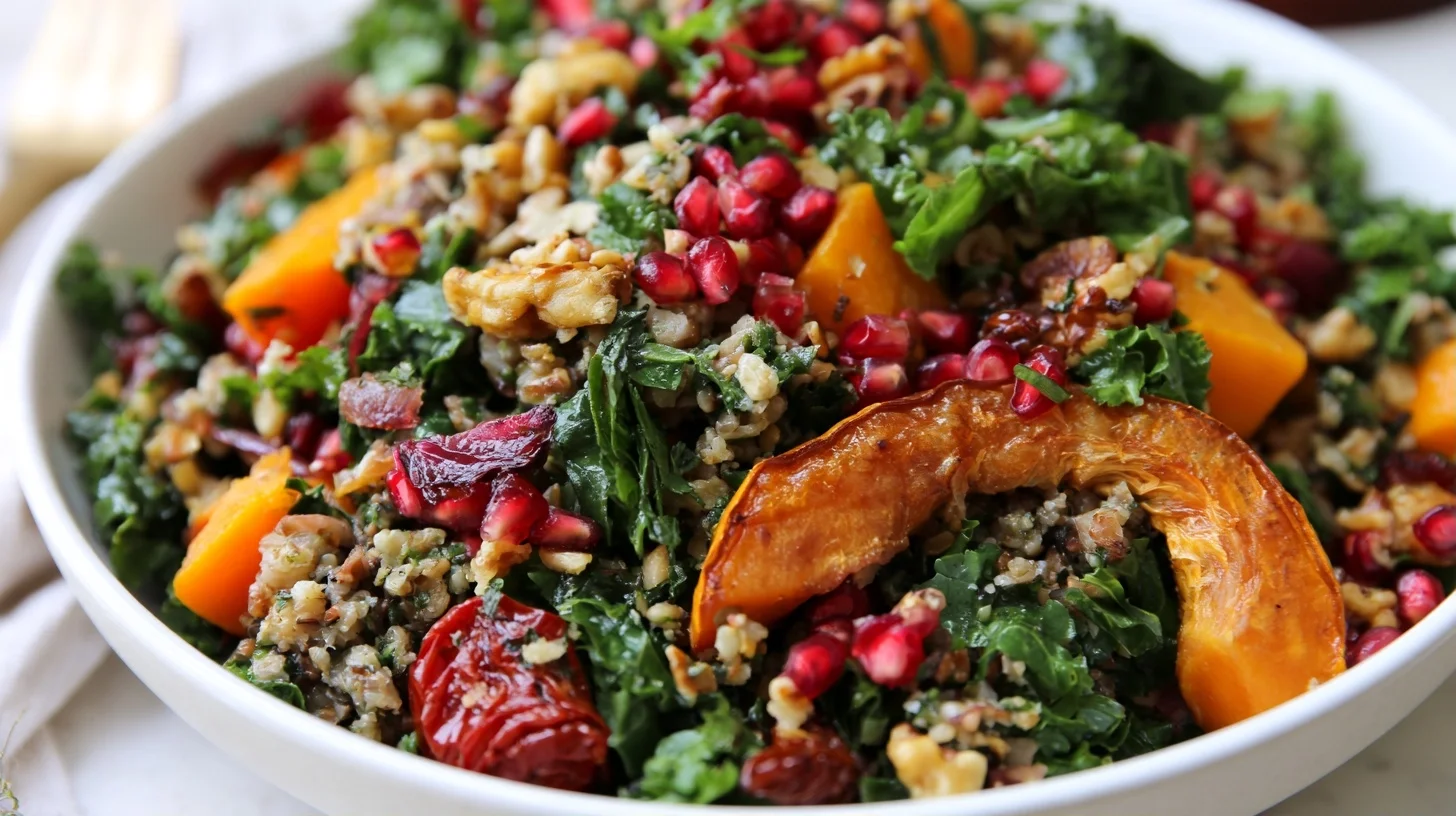
Roasted kabocha squash pairs well with roasted chicken, grilled salmon, or pan-seared pork chops because its sweetness balances savory proteins. Serve it alongside quinoa or farro for a vegetarian main, or add it to salads with arugula, goat cheese, and toasted walnuts. The squash also works as a topping for grain bowls with tahini dressing or as a side for miso-glazed cod. For a full autumn meal, pair it with pumpkin puree used in soup or as a base for a creamy sauce.
How to Store and Reheat Roasted Kabocha Squash
Roasted kabocha squash keeps for 4 days in the refrigerator in an airtight container or wrapped tightly in foil. Let the wedges cool completely before storing to prevent condensation, which makes them soggy. The squash freezes well for up to 3 months in a freezer bag with the air pressed out. Frozen wedges lose some crispness but retain their creamy texture and sweetness.
Reheat in a 400°F oven for 8 to 10 minutes to restore the crisp edges. Place wedges on a sheet pan in a single layer. Microwaving makes them soft and steamy instead of roasted. For meal prep, roast the squash on Sunday and add it cold to salads or grain bowls throughout the week, or reheat individual portions as needed.
Roasted Kabocha Squash FAQs
No, you do not need to peel kabocha squash before roasting. The skin softens completely in the oven and becomes fully edible. Scrub the skin clean under running water before cutting the squash into wedges.
Place the whole squash on a cutting board. Use a large chef’s knife to cut it in half from top to bottom, pressing down firmly. Scoop out the seeds with a spoon. Cut each half into 1-inch wedges.
Yes, but the texture and sweetness will change. Red kuri squash is the closest match. Butternut and acorn squash have more moisture and will be less creamy and less sweet. Adjust the roasting time based on wedge thickness.
Roasted kabocha tastes sweet and nutty, similar to a cross between pumpkin and sweet potato. The flesh is dry and creamy, not watery. The caramelized edges add a slightly toasted flavor.



Leave a Reply